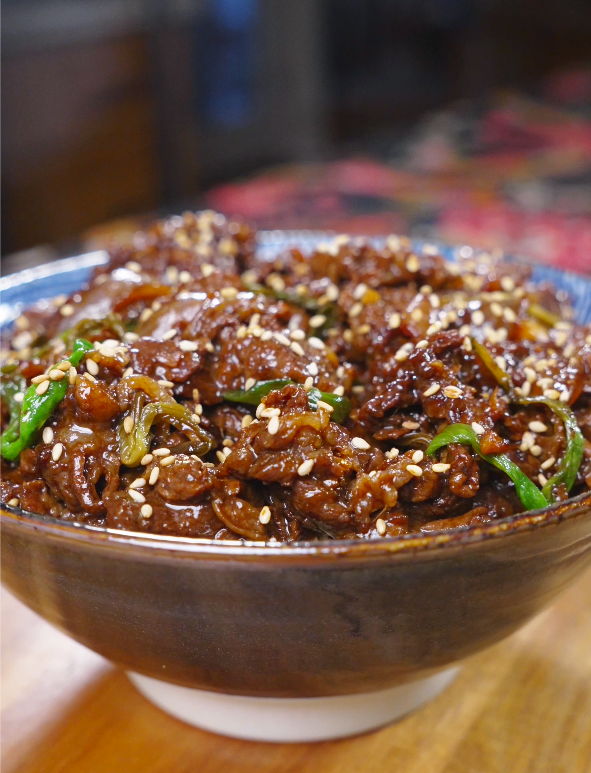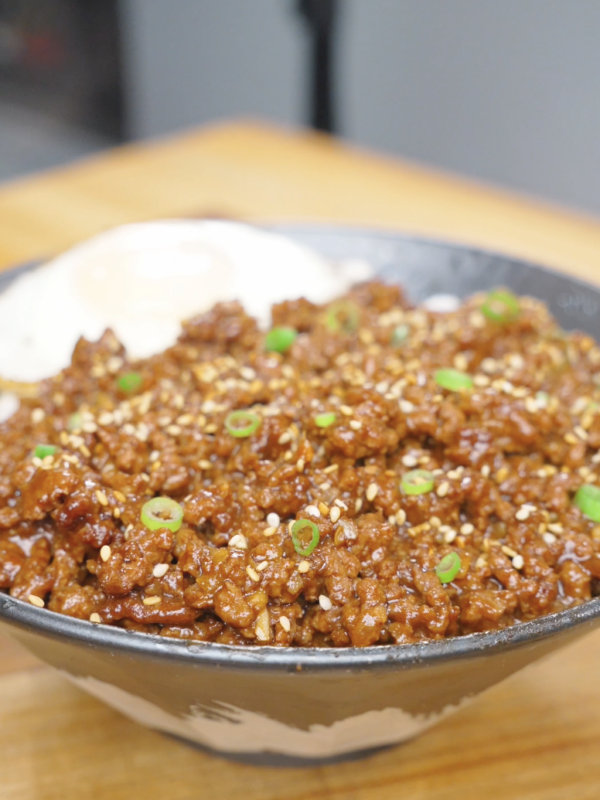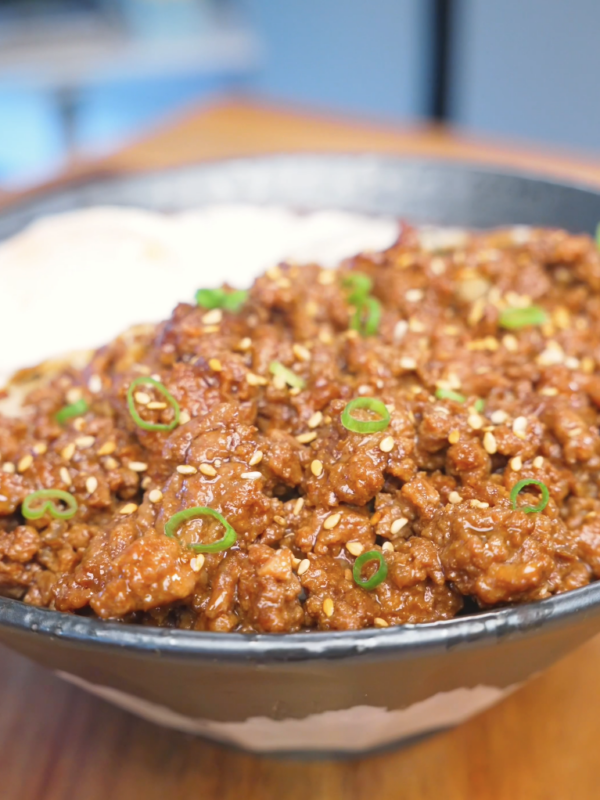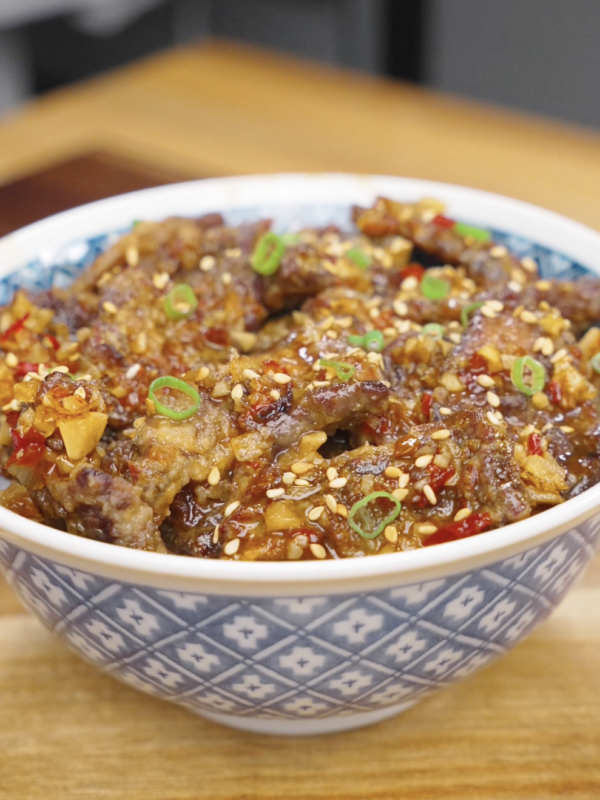
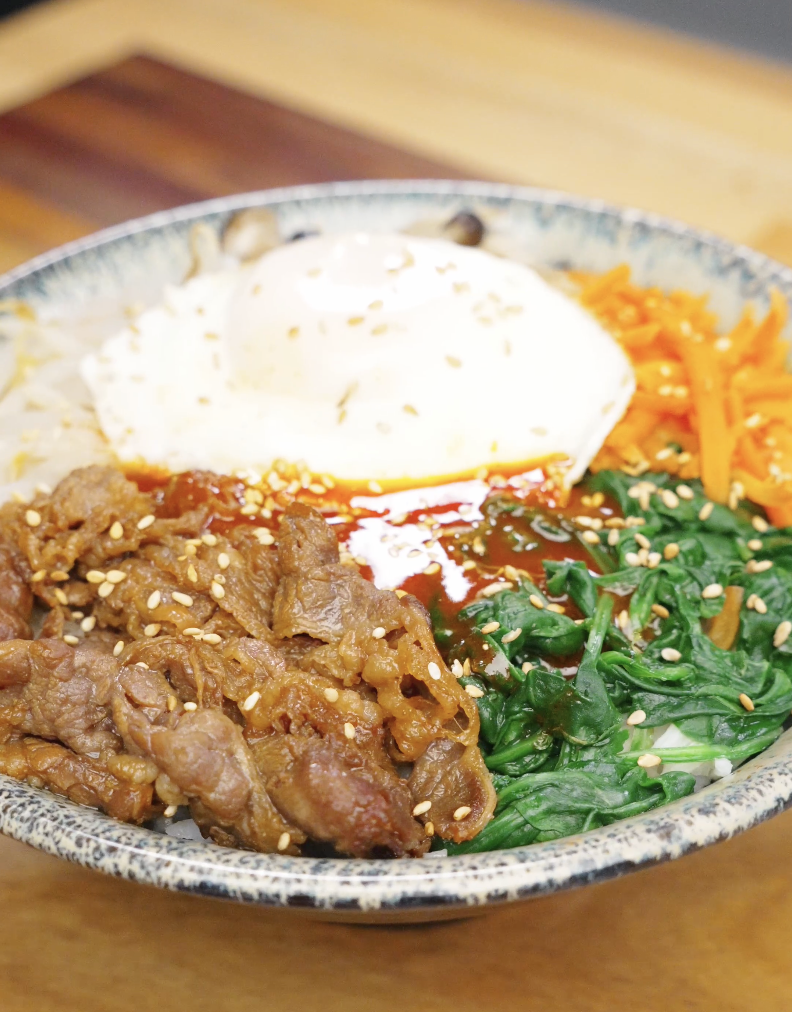
Beef Bibimbap
Equipment
- Steamer
Ingredients
Beef
- 16 oz. thinly sliced beef, can also use shaved beef
- 1 tbsp soy sauce
- 1 tsp sesame oil
- 2 tsp sugar
Bibimbap Sauce
- 2 tbsp gochujang
- 1 tbsp rice vinegar
- 1 tsp sesame oil
- 2 tsp sugar
- 1 clove garlic minced
Vegetables
- 2 cups spinach
- 1 cup carrots julienned
- 1½ cups bean sprouts
- 1 cup mushrooms sliced
- ½ tsp salt
Optional Garnish
- Fried egg
- Sesame seeds
- Rice, for serving
Instructions
- Combine gochujang, rice vinegar, sesame oil, sugar, and garlic in a bowl and mix until smooth
- Steam spinach, carrots, bean sprouts, and mushrooms until just tender and season lightly with salt
- Heat oil in a pan and cook thinly sliced beef with soy sauce, sesame oil, and sugar until browned
- Add rice to a bowl and top with beef and vegetables
- Finish with a fried egg, drizzle sauce over the top, and garnish as desired
Video
Nutrition
Nutrition information is automatically calculated, so should only be used as an approximation.
Table of Contents
Introduction
This Beef Bibimbap is one of the recipes that I love to make whenever I need something tasty, filling, and healthy! Out of all the recipes I have tested, cooked, and eaten, this Beef Bibimbap stands out amongst all the rest because of its balance of flavors, textures, and simplicity. For you, it’s a quick and filling dish that’s not only tasty but is simple to make and doesn’t take a lot of effort!
Why You’ll Love This Beef Bibimbap Recipe
For busy working people, this Beef Bibimbap Recipe is the best to make during busy weeknights because it’s a complete meal without the sides. The Beef Bibimbap itself is only a combination of rice, beef, and steamed vegetables with an amazing sauce, so there’s no need to add anything else!
The beef is cooked over high heat in a simple mix of soy sauce, sugar, and sesame oil, which not only flavors the beef, but also ensures that it remains tender due to the outside searing and the inside staying juicy and tender. The steamed vegetables add contrast to this juicy beef by adding their own flavors as well as texture.
The best part about this Beef Bibimbap recipe is that it can be fully customized according to whatever you have laying around in the fridge! The veggies and beef are only a template of what you can use. I sometimes like to use spam, chicken, broccoli, or even lettuce in my bibimbap bowls, and it always tastes delicious! The gochujang sauce helps bring the dish all together and will always be the binding ingredient that gives this Beef Bibimbap recipe its signature taste.
What Makes This Beef Bibimbap Recipe So Good
The key to a great Beef Bibimbap recipe is the balance of the ingredients and letting their natural flavors shine.
I steam the veggies because it not only gives them a better texture, but it also preserves their flavor the best, which is essential for balancing the juiciness of the beef. Even though you sear the beef, the seasoning is actually quite light and is not masked in a bunch of sauces and spices that drown out the natural flavors. Finally, the gochujang sauce is what helps bring the entire dish together. It’s spicy, sweet, and aromatic from the garlic, and it really helps emphasize the flavors of the other ingredients in this Beef Bibimbap recipe.
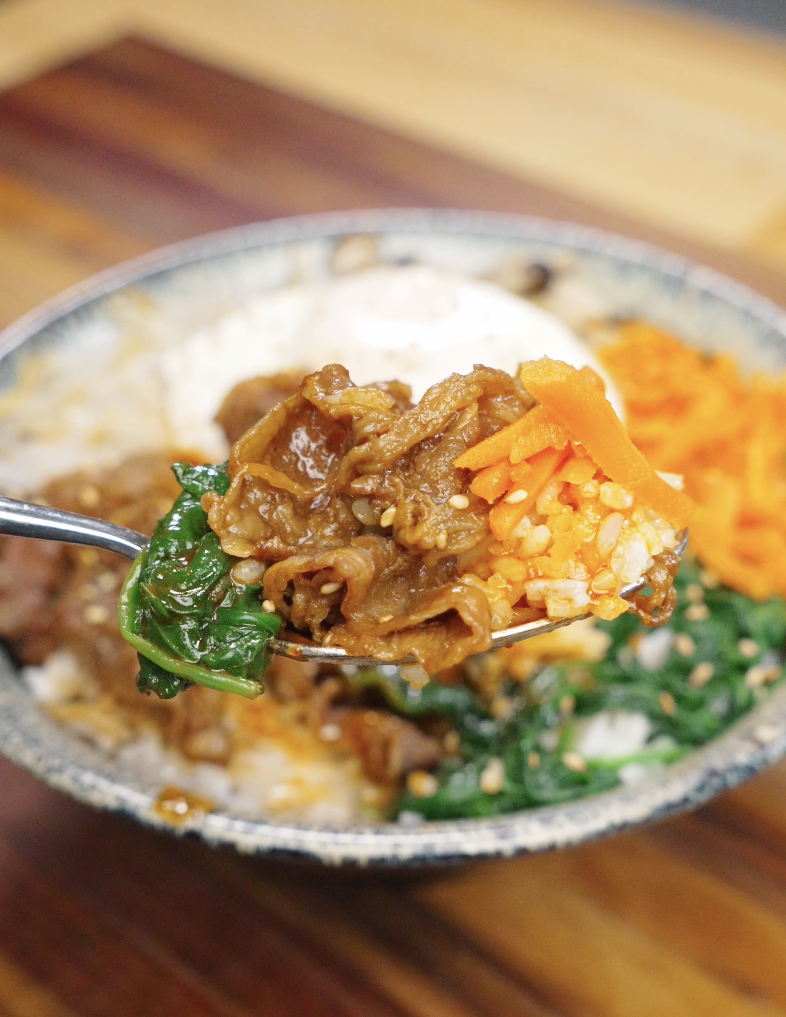
When finished, each bite brings a contrast of warm rice, tender beef, and fresh vegetables with a sweet, spicy, and aromatic sauce. It’s really the perfect dish for any occasion, special or not!
Beef Bibimbap Recipe Ingredients
Thinly sliced beef – This cooks quickly and stays tender while still getting that nice sear in the pan. It’s the base of this Beef Bibimbap recipe and absorbs flavor very well!
Soy sauce, sesame oil, and sugar – This simple combination gives your thinly sliced beef that signature salty and slightly sweet flavor profile you’ll find in a lot of Bibimbap recipes without needing a long marinade.
Gochujang – This is the key ingredient in any bibimbap sauce. It adds spice, umami, and that signature flavor that really defines this dish.
Rice vinegar and garlic – These balance the acidity and sharpness of the gochujang, so the sauce doesn’t feel too heavy or spicy.
Spinach, carrots, bean sprouts, and mushrooms – These vegetables add color, texture, and contrast, which makes this Beef Bibimbap feel balanced and a whole meal.
Rice – The foundation of any signature Bibimbap. It soaks up the sauce and brings everything together into one cohesive dish.
Salt and neutral oil – Used to season and cook everything properly without overpowering the natural flavors of each ingredient.
Fried egg and sesame seeds – Optional, but they add richness and texture that help elevate the Beef Bibimbap to a whole different level!
How to Make Beef Bibimbap
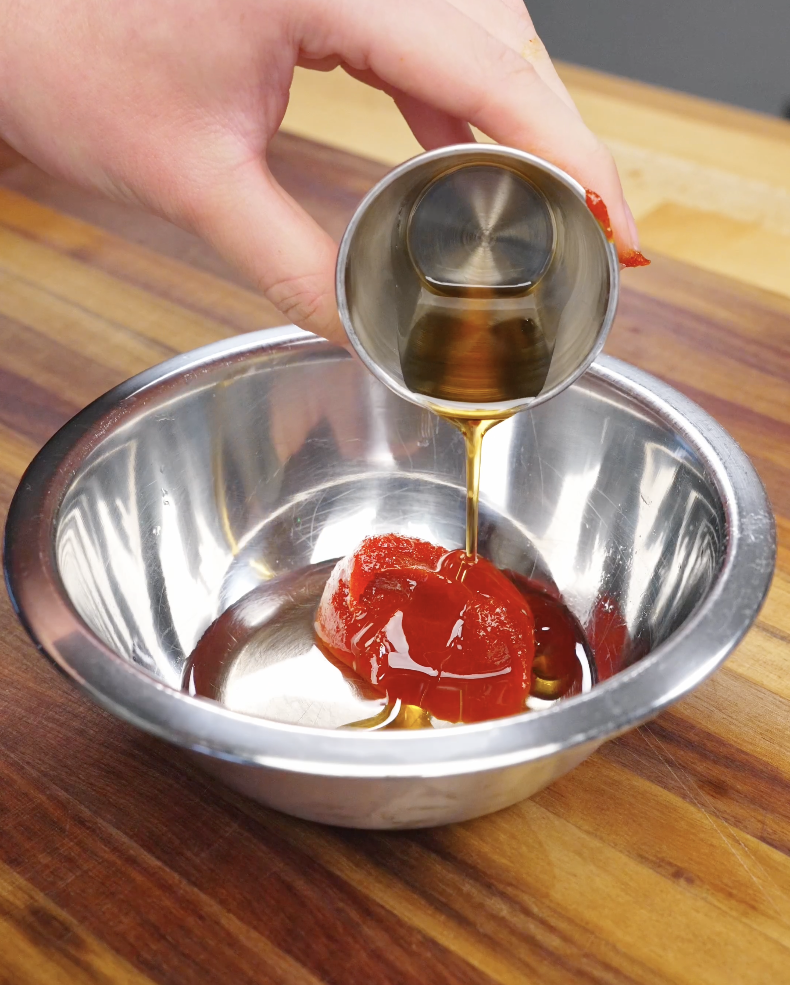
Combine gochujang, rice vinegar, sesame oil, sugar, and minced garlic in a small bowl and mix until smooth, then set aside.
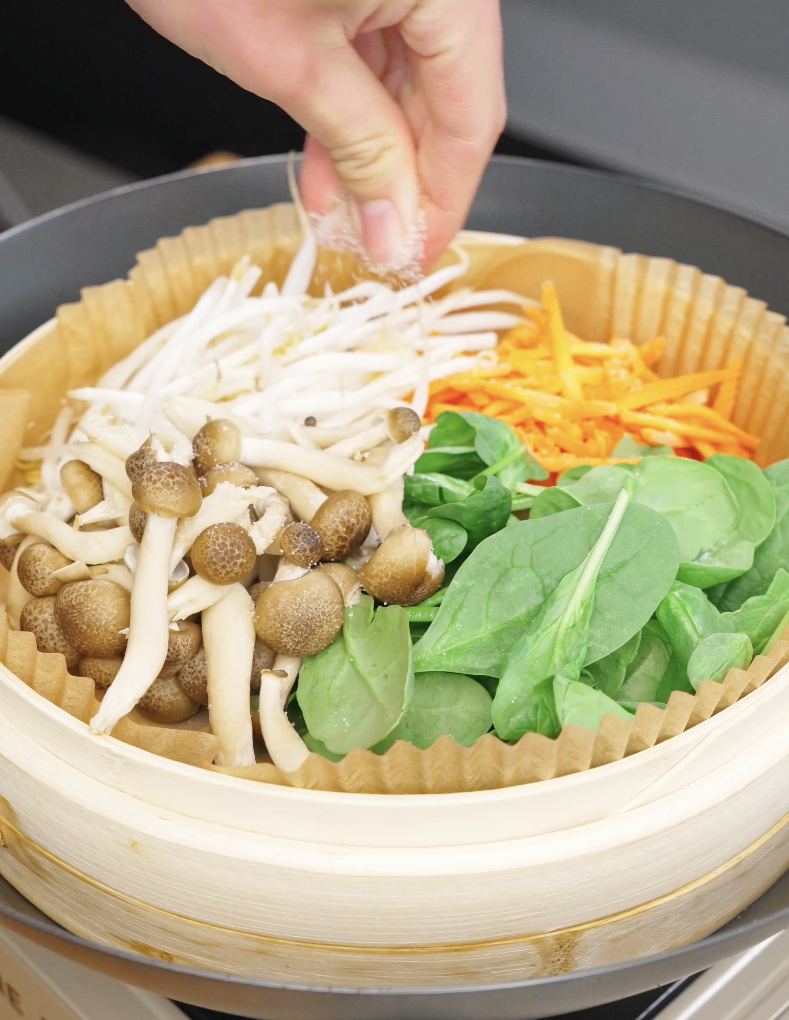
Prepare your vegetables by steaming spinach, carrots, bean sprouts, and mushrooms until just tender, then season lightly with salt and set aside.
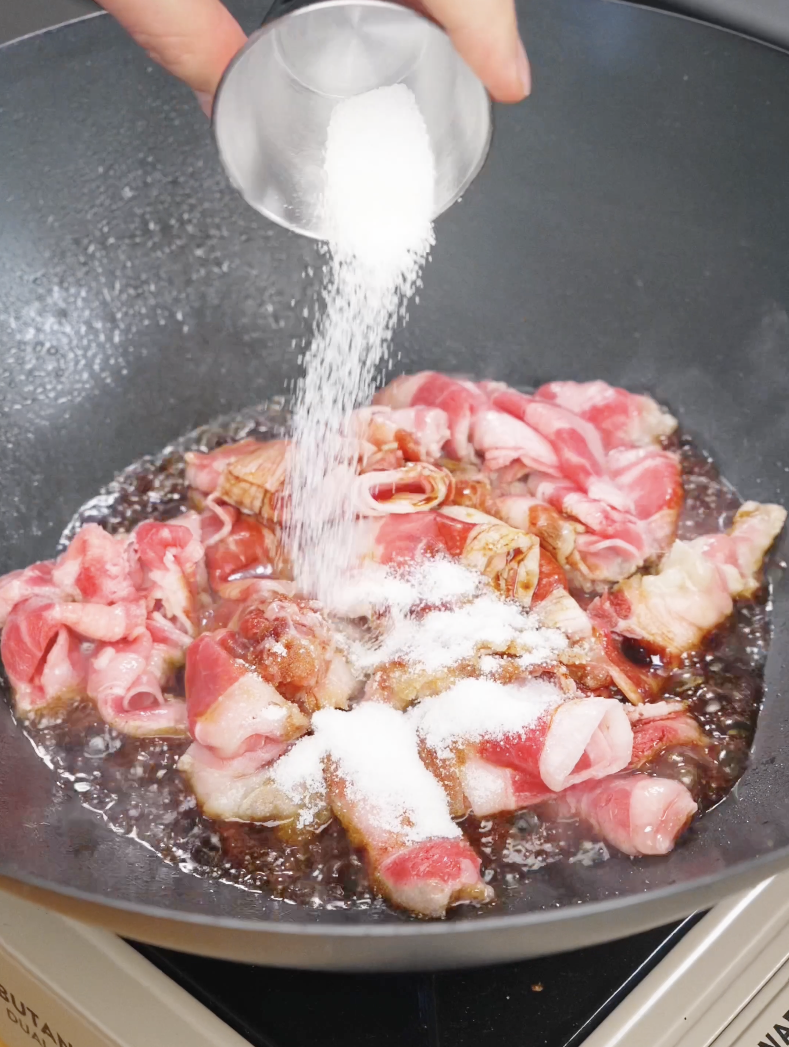
Heat a pan over medium-high heat with a bit of neutral oil and add your thinly sliced beef. Season with soy sauce, sesame oil, and sugar, cooking until the beef is browned and slightly caramelized on the edges.
Add a bowl of freshly cooked rice, then layer the beef and vegetables on top so everything stays separated before mixing.
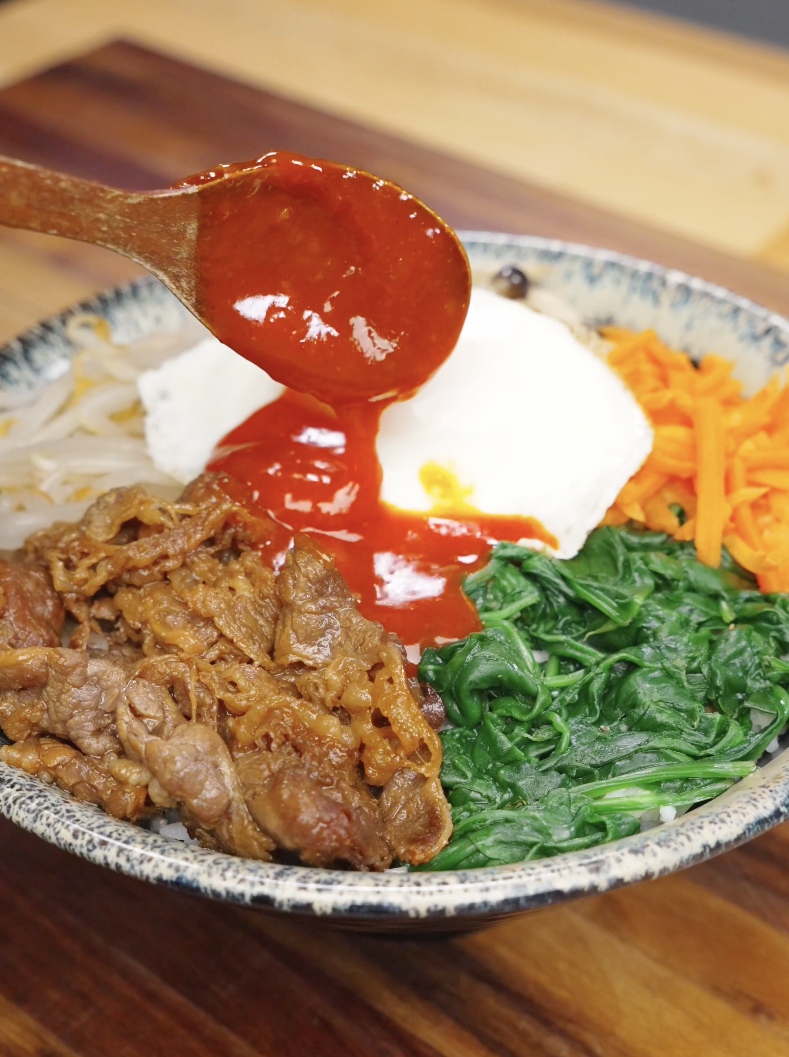
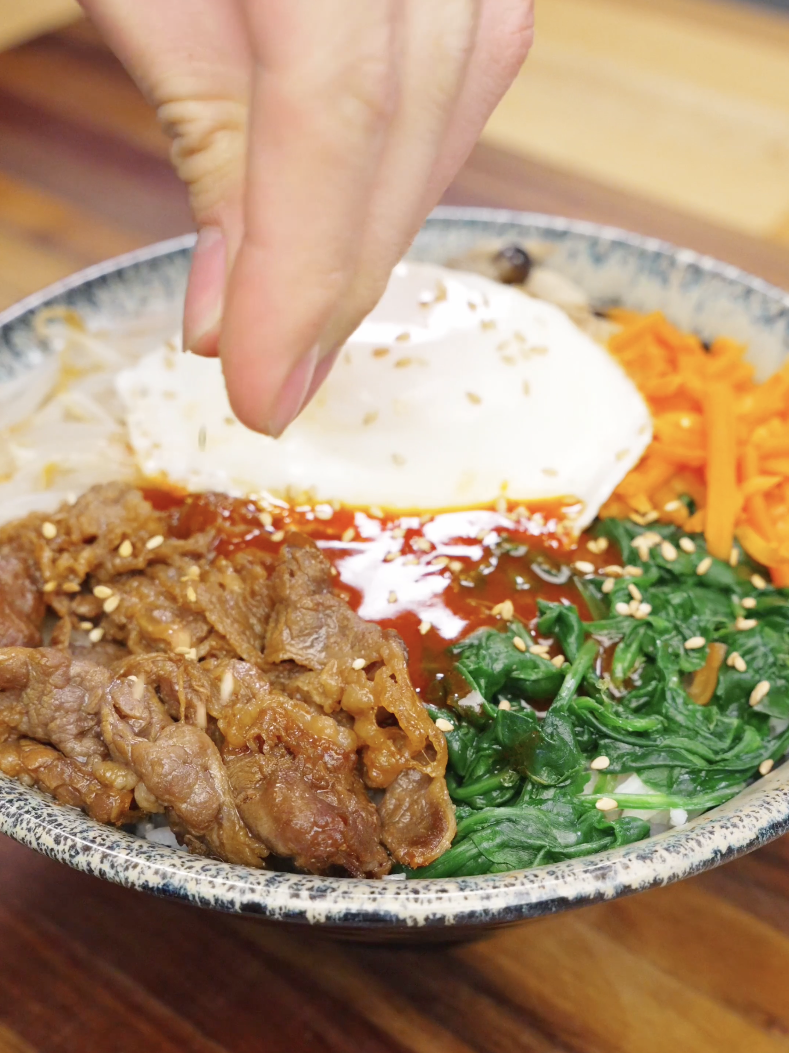
Finish with a fried egg if using, spoon over the bibimbap sauce, and garnish with sesame seeds before serving.
What to Serve with Beef Bibimbap
This Beef Bibimbap is enough to serve as a meal by itself, but if you have the extra time, it’s always nice to add sides to the dish and break up the flavors a little bit!
My classic go-to side dish is kimchi because the acidity helps compliment the richness of the beef, sauce, and rice. Beyond just kimchi, I also love to use thinly sliced cucumbers or any pickled vegetables. My personal favorite is these jalapeño pepper slices, but any pickled veggie works! Additionally, for even more texture, you can add crispy onion or even potato chips! I know it may sound weird, but trust me, it’s one of the best additions you can make!
How to Store Beef Bibimbap For Meal Prep
From experience, you should keep your Beef Bibimbap in an airtight container for no longer than 3-4 days in the refrigerator. If you want to meal prep this dish, you can store each component separately to preserve the flavors and textures as best as possible.
To warm up the dish, I personally like to microwave the beef and rice first before adding in your steamed veggies, microwaving again, and finishing with the sauce over the top!
Beef Bibimbap Substitutions
One of the best parts of this Beef Bibimbap recipe is that it’s so versatile. You can make a bunch of substitutions and still have the dish taste amazing! You can replace the thinly sliced beef with ground beef, chicken, or even tofu! Through testing, I’ve found that the dish tastes the most similar with ground beef! It’s a little easier to find in the grocery store than thinly sliced beef and is cheaper.
I highly recommend using gochujang as the main sauce component because it is what gives the Beef Bibimbap its signature flavor, but in a pinch you can use a combination of chili paste like sriracha mixed with soy sauce and a little bit of sugar.
For the vegetables, anything works! What I provided in the recipe are simply my suggestions, but using any leftover vegetable in the fridge totally works. I like to call this Beef Bibimbap the best version of a leftover meal you can make!
What to Make Next
Feeling more beef recipes? Try my Beef Chow Fun!
Want some noodles instead? Cook my Garlic Beef Noodles!
Craving something spicy? You’ll love my Chili Garlic Butter Noodles!