Cashew Chicken Stir Fry Recipe
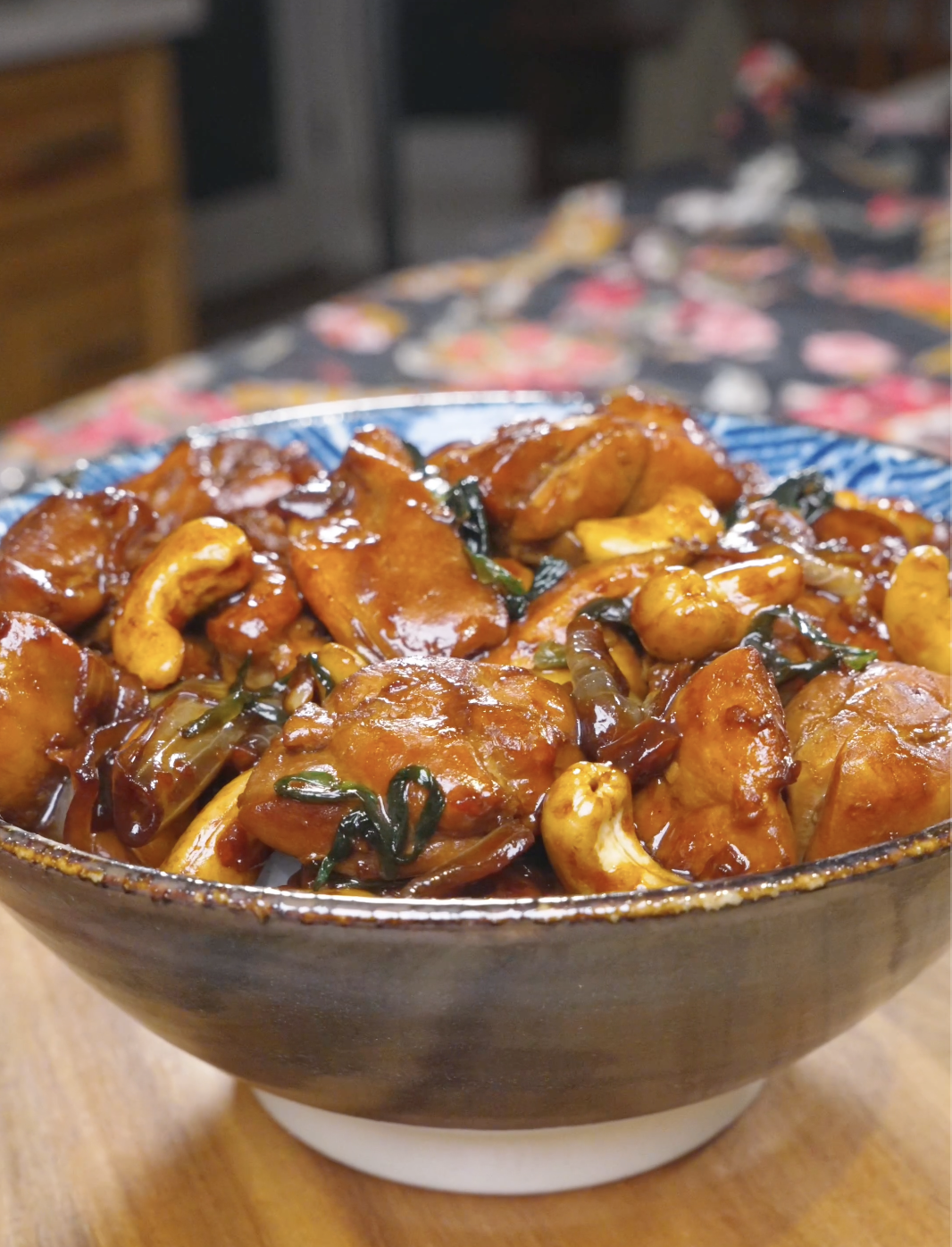
Ingredients
- 16 oz chicken thighs, cubed
- Neutral oil, for cooking
- 1 onion, cut into thick chunks
- 4 scallions, greens cut into one-inch pieces
- 3 cloves garlic, minced
- 1 tbsp grated ginger
- ½ cup toasted cashews
For the Sauce
- 1 tbsp dark soy sauce
- 2 tbsp light soy sauce
- 1 tbsp oyster sauce
- 1 tsp sesame oil
- 1 tbsp sugar
Optional Garnish
- Steamed rice
Instructions
- Cut the onion into thick chunks and cut the scallion greens into one-inch pieces.
- Heat a pan over medium-high heat with a bit of oil. Add the chicken and brown for a few minutes, then remove from the heat and set aside.
- In the same pan, add the onions, garlic, and ginger and cook until fragrant.
- Return the chicken to the pan along with the dark soy sauce, light soy sauce, oyster sauce, sesame oil, and sugar. Stir until the sauce slightly thickens.
- Add the toasted cashews and the scallion greens, and keep cooking until the scallions are wilted.
- Serve over a fresh bowl of rice, or eat it as is. It’s your food, you eat it how you like.
Video
Notes
- Let the chicken come to room temperature first so it sears instead of steaming.
- Prep everything before you start — stir-fries move fast once the pan is hot.
- Toast the cashews in a dry pan even if they’re labeled roasted. It makes a real difference.
- Add the cashews and scallions at the very end so they stay crunchy and vibrant.
- Let the sauce reduce slightly so it clings instead of pooling.
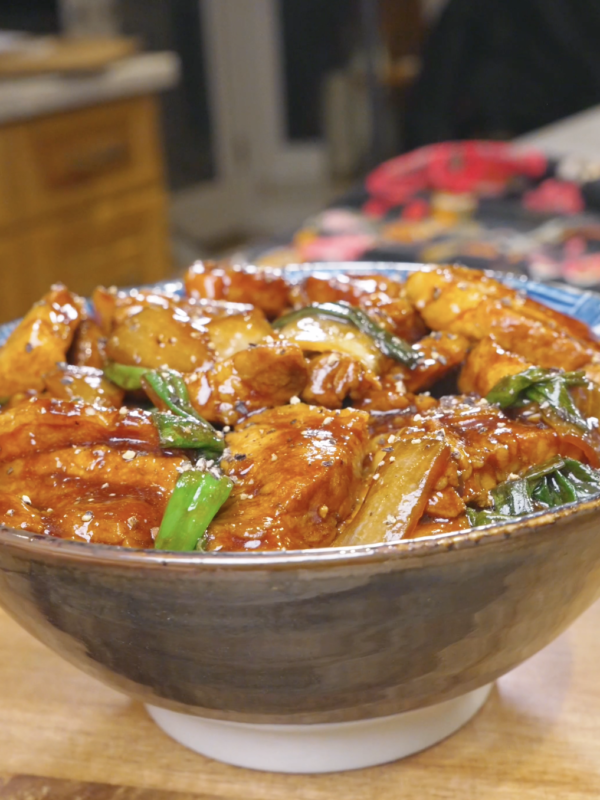
This easy Cashew Chicken Stir-Fry recipe is the kind of dish that turns a chaotic weeknight into something that feels like a win. In just 25 minutes, tender chicken thighs get seared until golden, then tossed with fragrant garlic and ginger, a deeply savory sauce, and a generous handful of toasted cashews that bring the perfect contrast of crunch to every bite. It’s got an irresistible balance of sweet, salty, and nutty that makes takeout so addictive, except here, you’re in full control of the ingredients, the sauce, and just how many cashews make it into the pan (we won’t judge if it’s a lot). Best of all, it comes together with simple, pantry-friendly ingredients and minimal cleanup, so you can go from craving to satisfied in under half an hour. Whether you spoon it over a steaming bowl of rice or eat it straight out of the pan standing at the stove, this one’s bound to become a regular in your dinner rotation.
Are you nuts for chicken with nuts? Me too! Check out my honey cashew chicken, spicy peanut chicken and peanut glazed chicken recipes next!
Table of Contents
- Cashew Chicken Stir Fry Recipe
- Why You’ll Crave This Simple Cashew Chicken Recipe
- Ingredients & Substitutions
- Is Cashew Chicken Chinese or Thai?
- How to Make Cashew Chicken Stir-Fry
- Optional Variations & Dietary Adaptations
- Expert Tips & Tricks
- Serving Suggestions
- Storage & Reheating
- FAQs
- More Chicken Stir Fry Recipes
Why You’ll Crave This Simple Cashew Chicken Recipe
My recipe for Chinese cashew chicken recipe proves that bold, craveable flavor doesn’t have to come with a complicated ingredient list or hours in the kitchen! What sets this stir-fry apart is how effortlessly it delivers big, complex flavor without any fuss or hard-to-find ingredients. The dark and light soy sauces work together to build layers of savory depth, while a touch of sugar rounds out the edges and lets the natural richness of the oyster sauce shine through. A drizzle of toasted sesame oil ties it all together with a nutty aroma that makes the whole kitchen smell incredible while it cooks. And unlike a lot of stir-fries that rely on deep-frying or a long list of specialty sauces, this one keeps things approachable, using everyday pantry staples to achieve restaurant-quality taste. Best of all, it’s quick enough for a weeknight and it’s endlessly adaptable. Toss in extra vegetables, swap the chicken thighs for breast meat or firm tofu, or double the sauce if you’re the type who likes a little extra to spoon over your rice.
Ingredients & Substitutions
- Boneless Skinless Chicken Thighs – Thighs are the way to go here since they stay juicy and tender even with a quick sear over high heat. If you prefer, chicken breast works too, just keep an eye on the cook time since it can dry out faster.
- Neutral Oil – Something like vegetable, canola, or avocado oil is perfect for getting a nice sear without adding extra flavor. Save the toasted sesame oil for later, it’s got a different job to do.
- Onion – Adds a little sweetness and bite to balance out the rich sauce. Yellow, red or white onions all work great, just cut into thick chunks so they hold their shape in the stir-fry.
- Scallions – The greens bring a fresh, mild onion flavor and a pop of color at the end. If you’ve got extra, feel free to toss the whites in earlier with the aromatics.
- Garlic – Fresh is best here for that punchy, fragrant base. In a pinch, jarred minced garlic works.
- Grated Ginger – Fresh ginger adds warmth and brightness that really wakes up the dish. A microplane makes quick work of grating it finely so it melts right into the sauce. If you don’t have any on hand, dried ground ginger can step in—just use about ⅓ as much since it’s more concentrated.
- Toasted Cashews – The star of the show! Toasting brings out their nutty flavor and adds the best crunch. You can toast your own in a dry pan for a few minutes, or grab pre-toasted ones to save a step.
For the Sauce
- Dark Soy Sauce – This gives the dish its deep color and a slightly sweeter, more molasses-like flavor. If you don’t have any on hand, you can mix regular soy sauce with a bit of molasses or brown sugar for a reasonably good substitute.
- Light Soy Sauce – This is your everyday soy sauce, bringing saltiness and umami.
- Oyster Sauce – Adds savory depth and a touch of sweetness that ties the whole sauce together. Vegetarian “oyster” sauce (made from mushrooms) is a great swap if needed.
- Toasted Sesame Oil – Just a little goes a long way in adding that nutty, aromatic finish. Make sure it’s toasted sesame oil, not the light, untoasted kind, for the best flavor.
- Granulated Sugar – Balances the salty and savory elements of the sauce. Brown sugar or even a touch of honey can work as a substitute if that’s what you have on hand.
Optional Garnish
- Steamed Rice – The perfect base to soak up all that glossy sauce. Jasmine or long-grain white rice are classic choices, but brown rice or cauliflower rice work too if you’re looking for a change.
This is just a short review of the ingredients; for the complete recipe, including quantities, scroll down to the recipe card 👇
Is Cashew Chicken Chinese or Thai?
This is a question that comes up a lot, and the answer is: it depends! Cashew chicken actually has roots in both Chinese and Thai cuisine, and while they share a name, they’re pretty different dishes. Chinese cashew chicken (like this recipe), is typically a savory stir-fry built on soy sauce, oyster sauce, and aromatics like garlic and ginger, with cashews tossed in for crunch. It’s a staple on American Chinese takeout menus and leans into its glossy, umami-forward sauce. Thai cashew chicken, on the other hand, often includes dried chilies, fish sauce, and a sweeter, spicier profile, giving it a completely different flavor personality. Both are delicious in their own right, but if you’re craving that classic takeout-style dish with a rich, savory sauce and plenty of toasted cashews, you’re in the right place.
How to Make Cashew Chicken Stir-Fry
Cut the onion into thick chunks and cut the scallion greens into one-inch pieces.
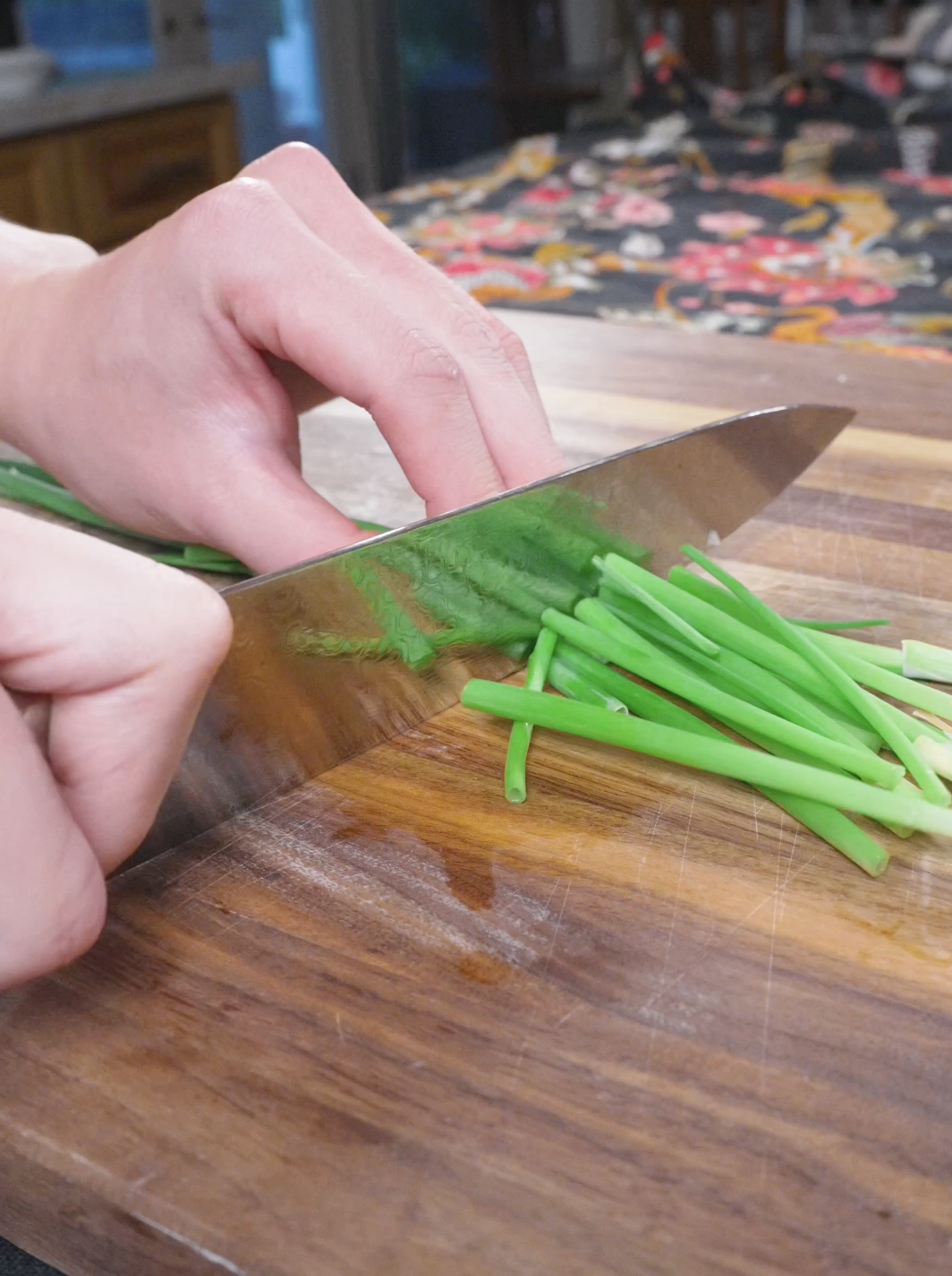
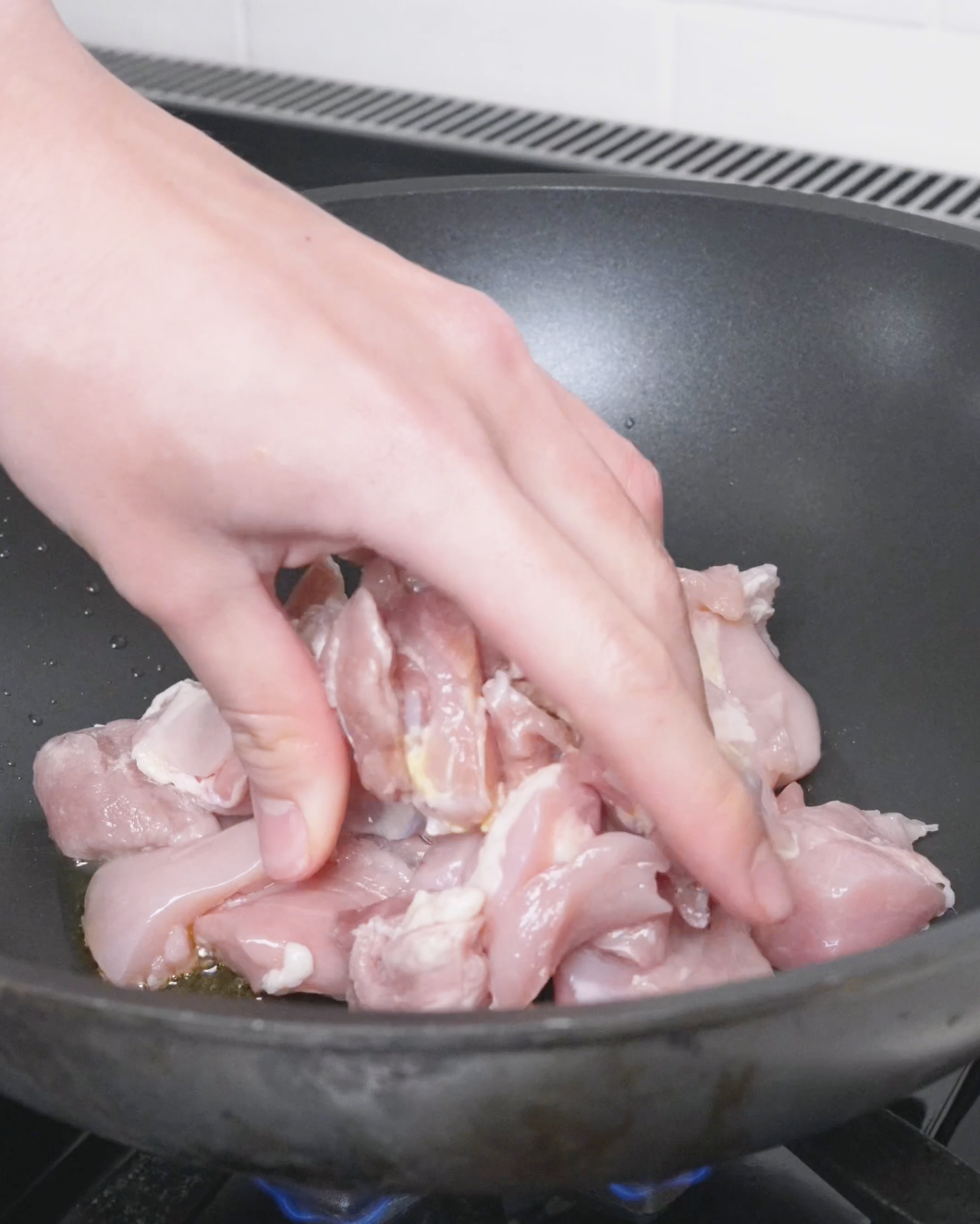
Heat a pan over medium-high heat with a bit of oil. Add the chicken and brown for a few minutes, then remove from the heat and set aside.
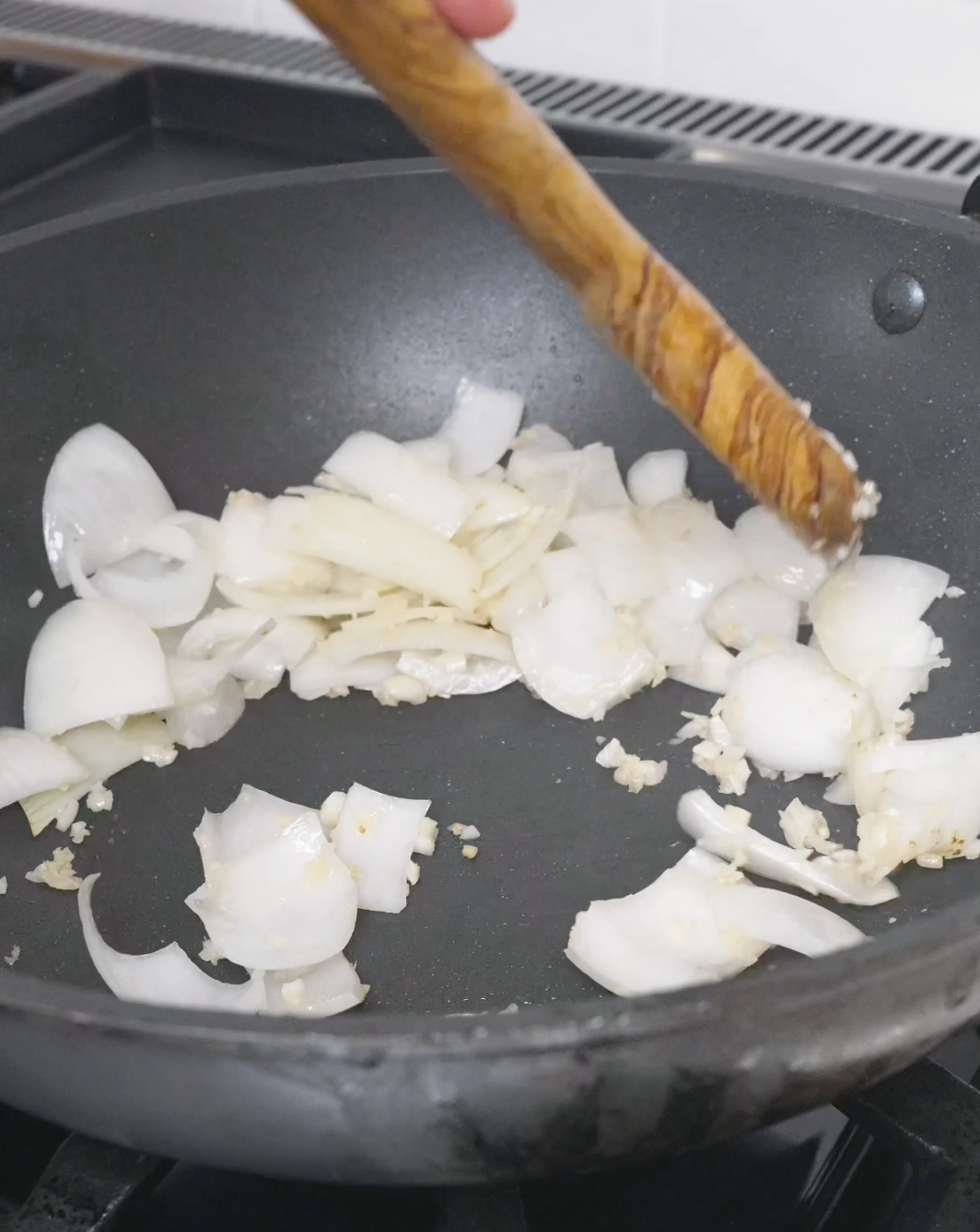
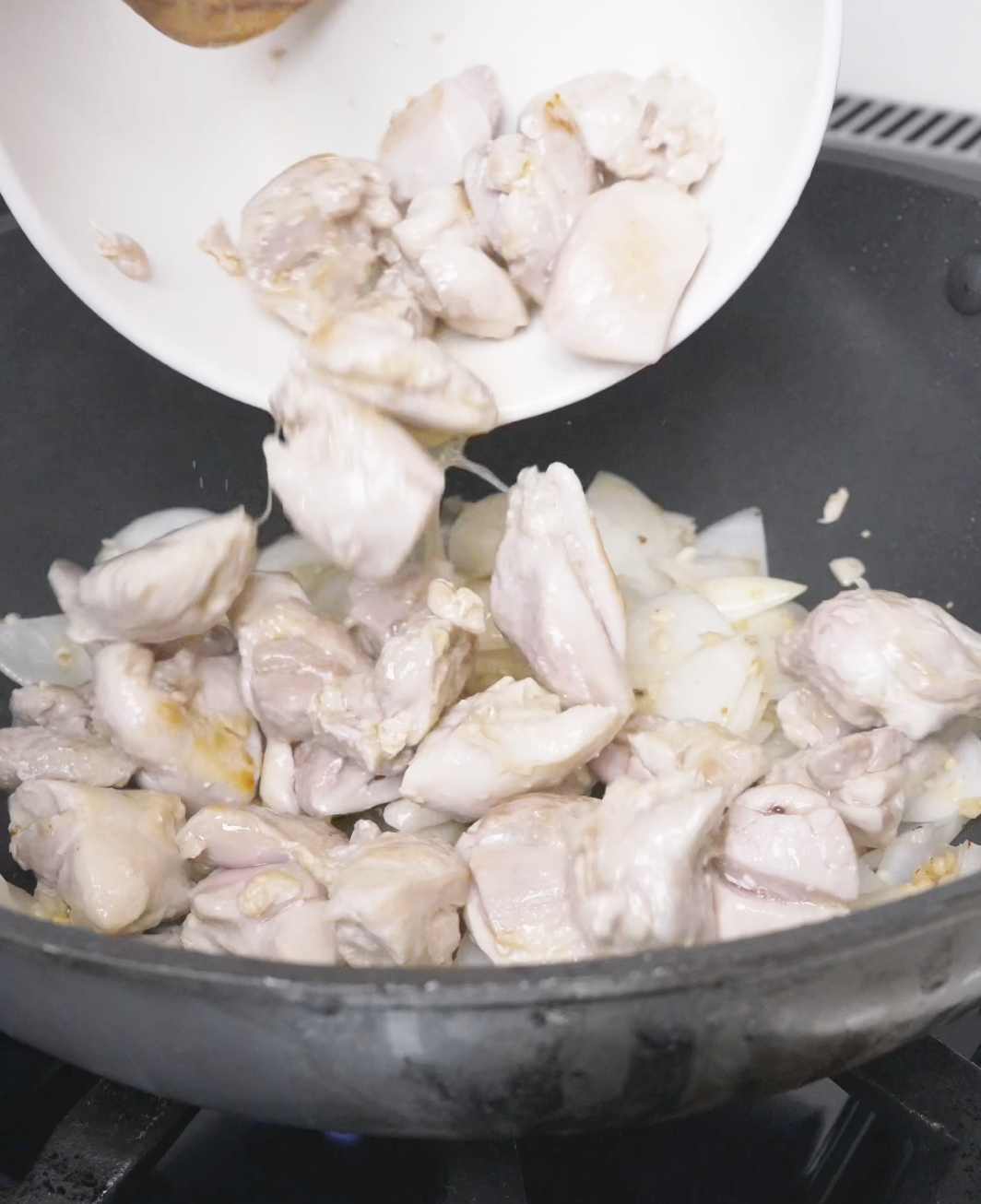
In the same pan, add the onions, garlic, and ginger and cook until fragrant.
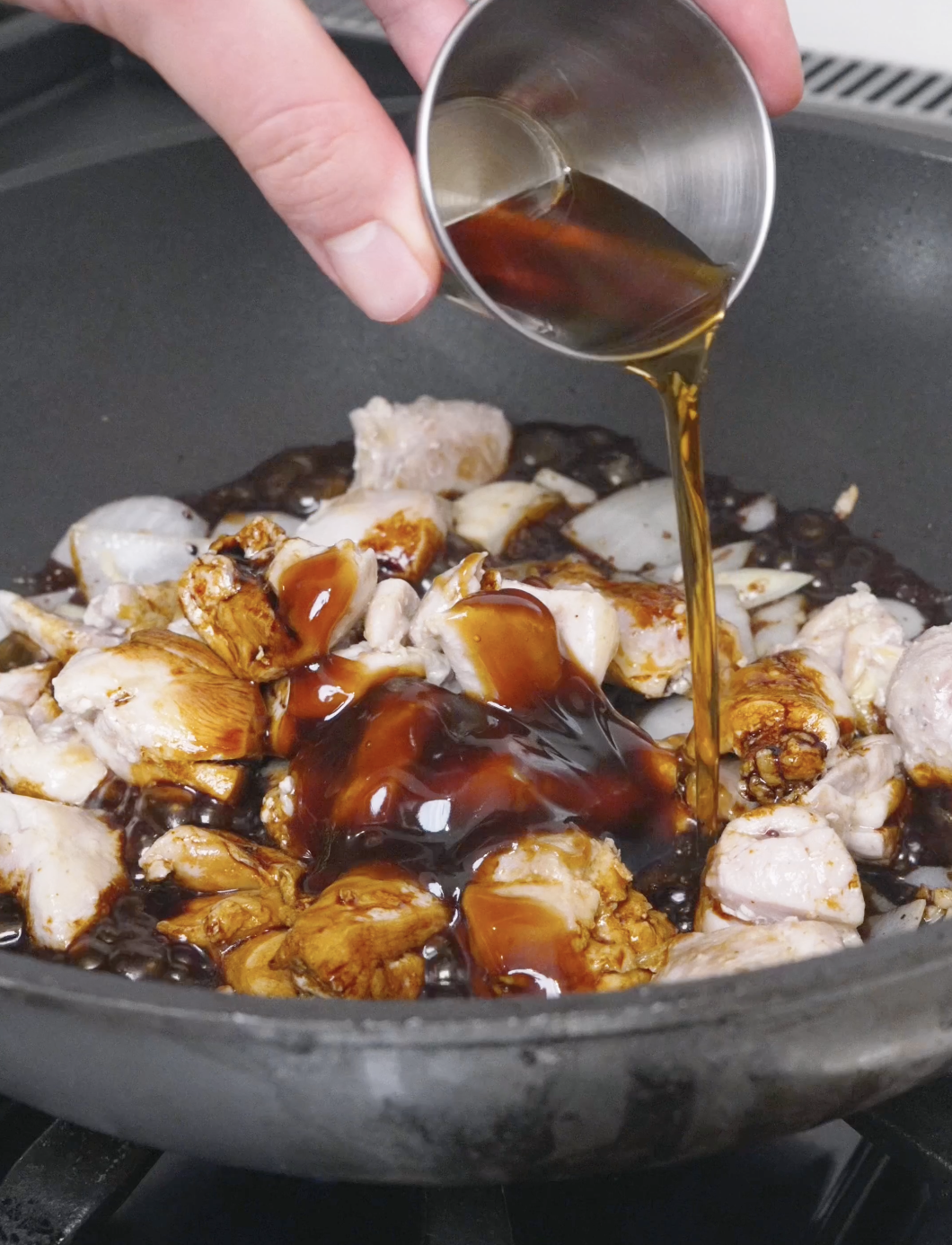
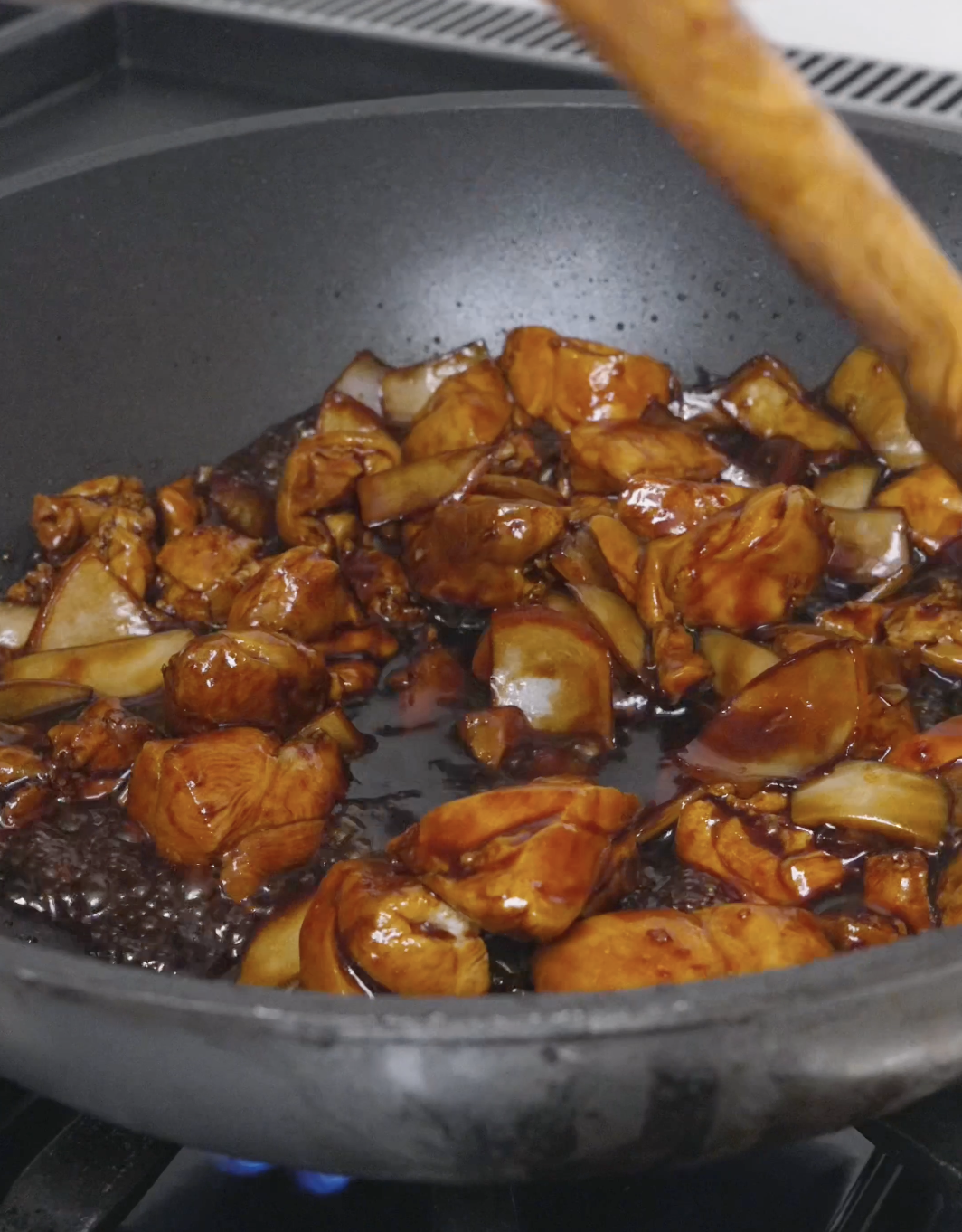
Return the chicken to the pan along with the dark soy sauce, light soy sauce, oyster sauce, sesame oil, and sugar. Stir until the sauce slightly thickens.
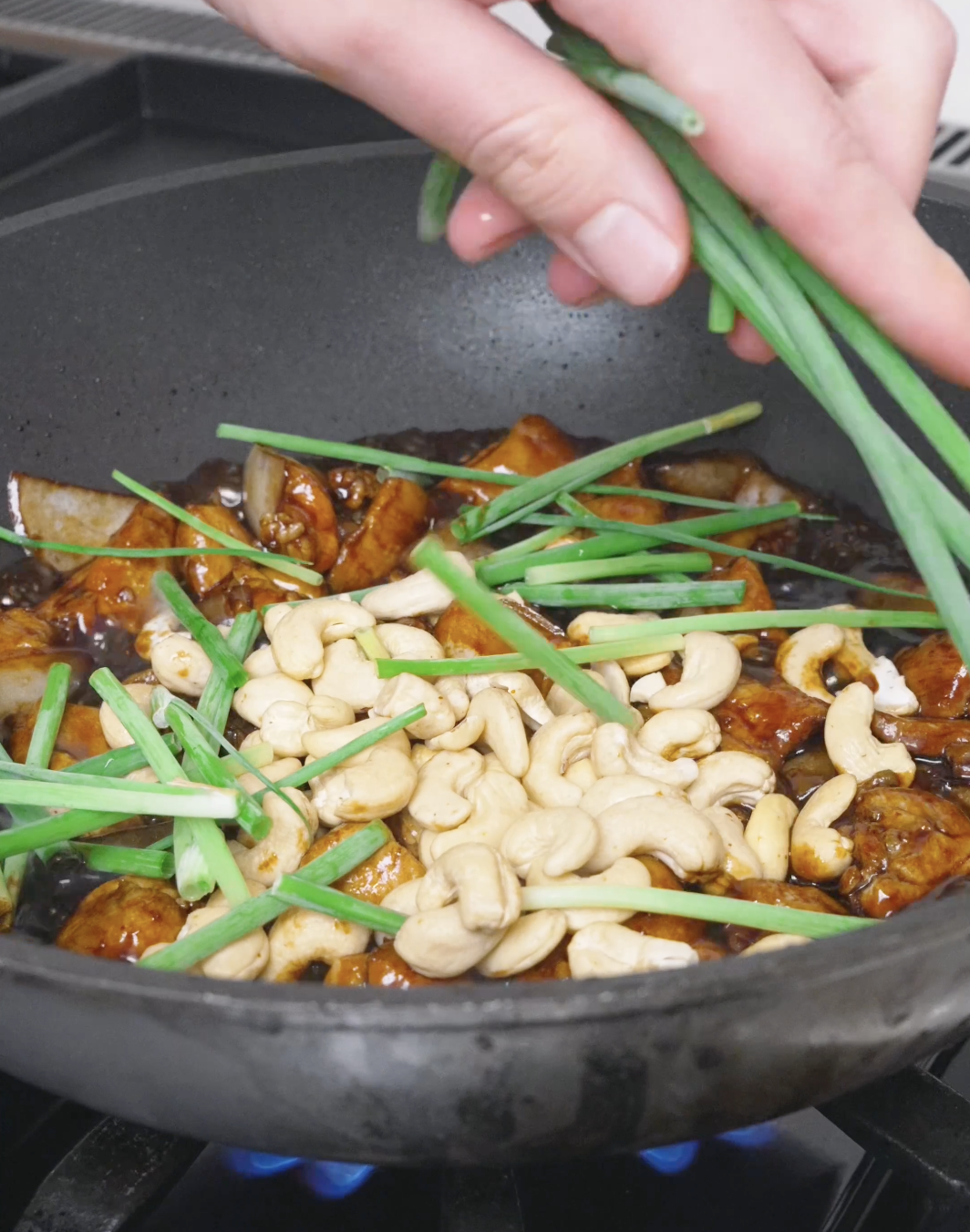
Add the toasted cashews and the scallion greens, and keep cooking until the scallions are wilted.
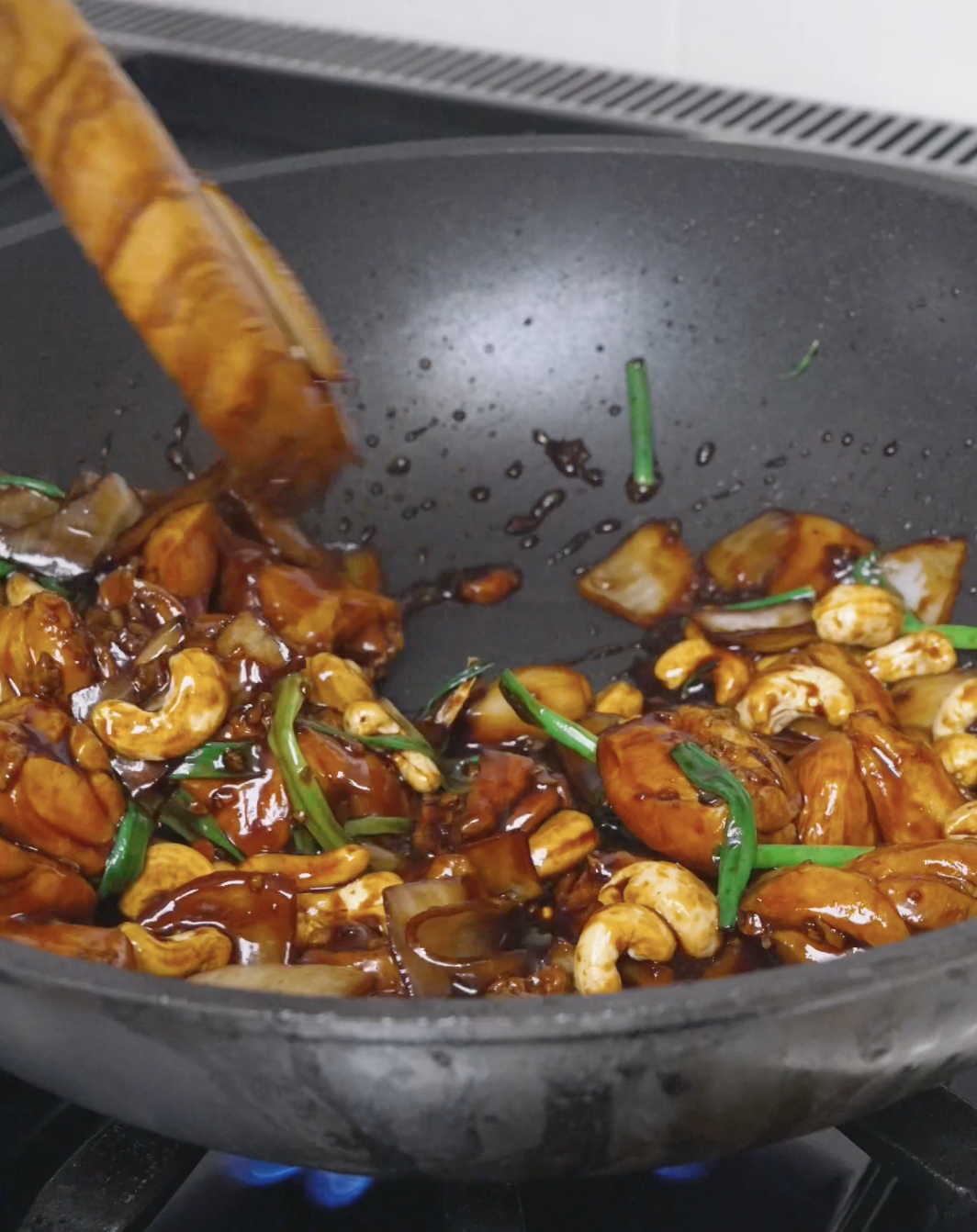
Serve over a fresh bowl of rice, or eat it as is. It’s your food, you eat it how you like.
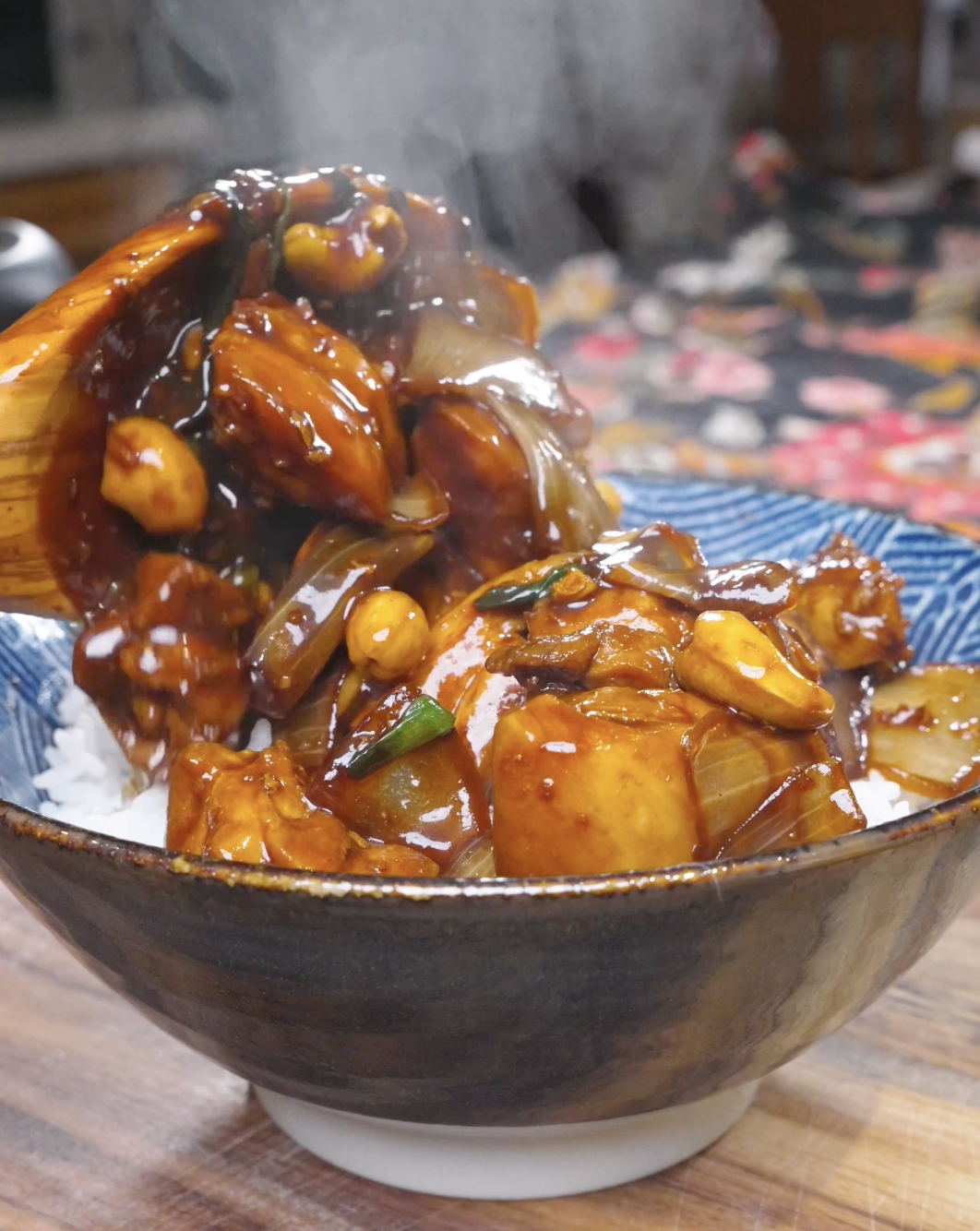
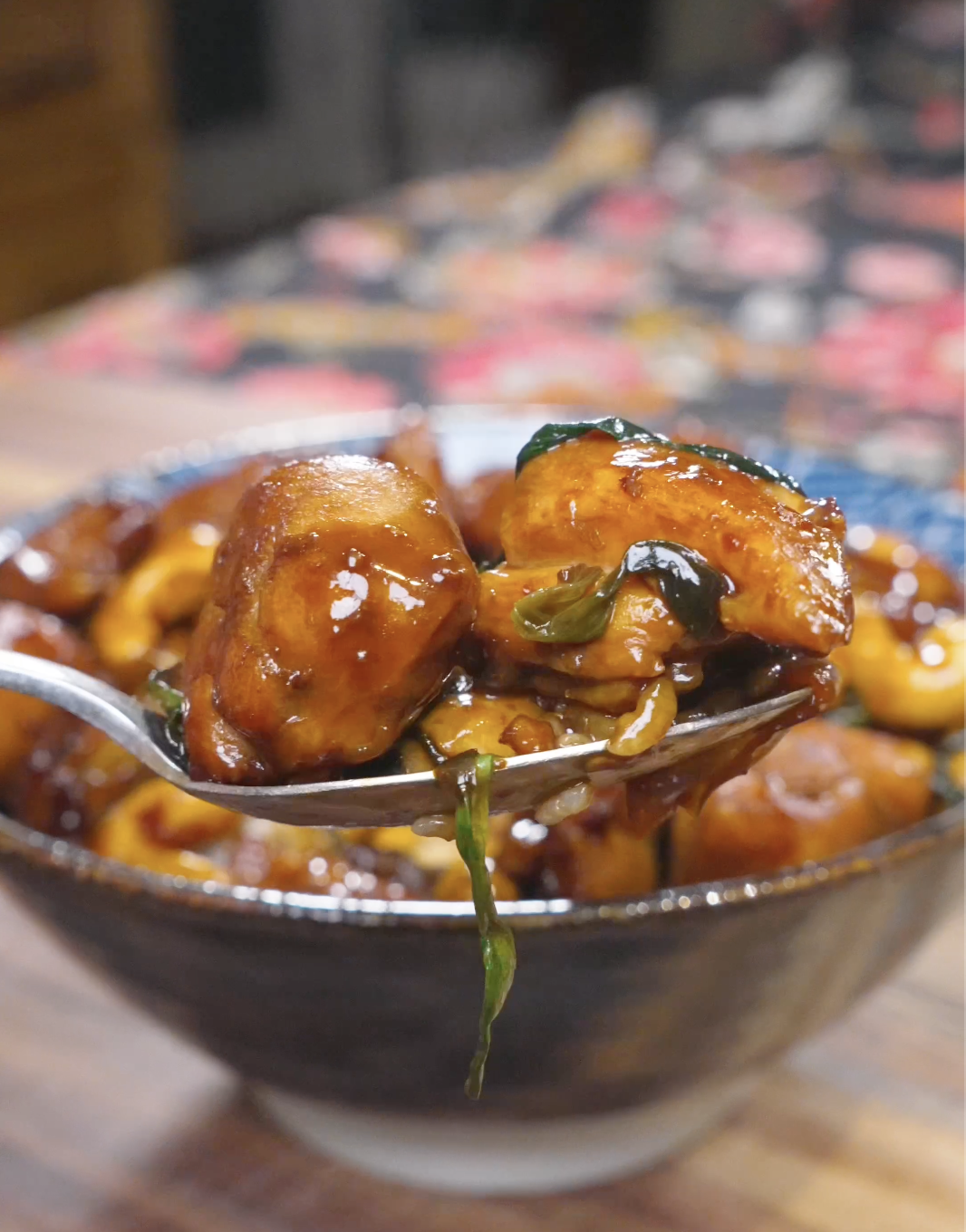
More of a visual learner? Check out my video recipe below. 👇
Optional Variations & Dietary Adaptations
One of the best things about this cashew chicken stir-fry is just how easily it bends to fit whatever you’re craving or whatever dietary needs you’re cooking around. Here are a few ideas to get your creative wheels turning:
- Add Vegetables – Bell peppers, broccoli, snap peas, or sliced carrots all stir-fry beautifully alongside the chicken and soak up that savory sauce nicely.
- Gluten-Free – Swap in tamari for light soy sauce and coconut aminos for dark soy sauce, and double-check your oyster sauce label since some brands do contain wheat.
- Vegetarian/Vegan – Swap the chicken for extra-firm tofu or cauliflower florets, and use a mushroom-based “oyster” sauce to keep that same umami depth without any animal products.
- Spicy – A spoonful of chili garlic sauce or a handful of sliced fresh chilies tossed in with the garlic and ginger will give it a spicy kick.
Expert Tips & Tricks
- Let your chicken come to room temperature before cooking. Cold chicken straight from the fridge can lower the pan’s temperature too quickly, leading to steaming instead of searing.
- Cook in batches if needed. Overcrowding the pan drops the heat and causes the chicken to steam rather than get that nice golden sear, so give each piece some breathing room.
- Use a wok or wide skillet over high heat. Stir-frying is all about quick, high-heat cooking, and a wide surface area helps everything cook evenly without turning mushy.
- Prep all your ingredients before you start cooking. Stir-fries move fast once they hit the pan, so having your garlic, ginger, onion, and sauce ingredients measured and ready to go will save you from scrambling mid-cook.
- Toast your cashews even if they’re labeled “roasted.” A quick toast in a dry pan right before using them brings out extra flavor and crunch, making a noticeable difference in the final dish.
- Taste and adjust the sauce before adding it to the pan. Everyone’s palate is a little different, so feel free to tweak the balance of soy sauce, sugar, and oyster sauce to suit your preference before it all comes together.
- Add the scallions and cashews at the very end. Tossing them in right before serving keeps the scallions fresh and vibrant and the cashews perfectly crunchy, rather than soggy from sitting in the sauce too long.
- Let the sauce reduce slightly before pulling everything off the heat. This helps it cling to the chicken and vegetables rather than pooling at the bottom of the pan.
Serving Suggestions
This cashew chicken stir-fry is pretty perfect on its own served over a bowl of steamed rice, but it’s also a great centerpiece for building out a full takeout-style spread at home. Pair it with a side of egg fried rice instead of plain steamed rice for an extra layer of flavor, or go low-carb with a side of cauliflower fried rice instead.
If you’re feeding a crowd or just want more on the table, this dish plays really nicely alongside other Chinese-inspired favorites like broccoli beef or sweet and sour chicken. If you’re going for a full multi-course meal, egg drop soup or hot and sour soup makes a cozy starter.
To round things out, a light, fresh side can help balance the rich, savory sauce here. Something like cucumber salad or Asian slaw adds a crisp, refreshing contrast. And if you’re meal-prepping for the week, this stir-fry reheats beautifully, so consider doubling the batch and portioning out cashew chicken with broccoli, garlic butter green beans, or steamed bok choy for an easy, balanced lunch you can just grab and go.
Storage & Reheating
- Refrigeration: Leftover cashew chicken stir-fry keeps well, making it a great option for meal prep or just having a delicious lunch ready to go. Let it cool to room temperature before transferring it to an airtight container, then store it in the fridge for up to 3-4 days.
- Freezing: If you want to stretch it out longer, you can freeze it for up to 2-3 months. Just keep in mind the cashews may lose a bit of their crunch after thawing, so adding a fresh handful on top when you reheat is a nice little trick to bring the texture back.
- Reheating (Stovetop): Toss the stir-fry into a skillet or wok over medium heat with a splash of water, broth, or even a little extra soy sauce to loosen up the sauce, which can thicken as it sits in the fridge. Stir occasionally until everything is heated through, usually just a few minutes.
- Reheating (Microwave): If you’re short on time, the microwave works too, just heat in short bursts, stirring in between, and consider covering it loosely with a damp paper towel to help keep the chicken from drying out.
- Note: Either way, avoid reheating on high heat for too long, since that can make the chicken tough and rubbery rather than tender like it was fresh out of the pan.
FAQs
What is typically in cashew chicken?
At its core, cashew chicken is made with diced or sliced chicken, roasted cashews, and a savory sauce built from soy sauce, a touch of sugar, garlic, and ginger. Many versions also toss in vegetables like broccoli, bell peppers, onions, or scallions for color and crunch.
What is cashew chicken at a Chinese restaurant?
At most Chinese-American restaurants, cashew chicken is made of wok-fried chicken cubes tossed with nuts and a light sauce, like a milder cousin of kung pao chicken. There’s also a regional version tied to Springfield, Missouri, where tender chunks of deep-fried chicken are combined with crispy roasted cashews, vegetables and a savory sauce made with garlic, soy sauce and hoisin sauce.
Is Chinese cashew chicken healthy?
It’s a moderately healthy option compared to some other takeout dishes, since stir-frying uses less oil than deep-frying and includes protein plus whatever veggies are tossed in. That said, restaurant versions often lean on sodium-heavy sauces and sugar, so portion size and sauce amount matter if you’re watching sodium or calories. Making it at home lets you control the oil, sugar, and salt, which makes it a noticeably lighter, healthier dish overall. Plus, it’s cheaper!
What’s the difference between sesame chicken and cashew chicken?
The biggest differences are in preparation and sauce. Sesame chicken is typically battered and deep-fried until crispy, then coated in a sweet, slightly tangy sauce and finished with a sprinkle of sesame seeds. Cashew chicken, on the other hand, is usually just stir-fried (no deep-frying or heavy batter, unless you’re in Springfield, Missouri!), with a lighter, savory garlic-soy sauce and roasted cashews stirred in for crunch. So in short: sesame chicken is sweeter, crispier, and more indulgent, while cashew chicken is milder, saucier, and nuttier.
More Chicken Stir Fry Recipes
Craving more chicken stir fry? Try my Honey Cashew Chicken, Garlic Teriyaki Chicken, or Honey Sesame Chicken!