Thit Kho Recipe
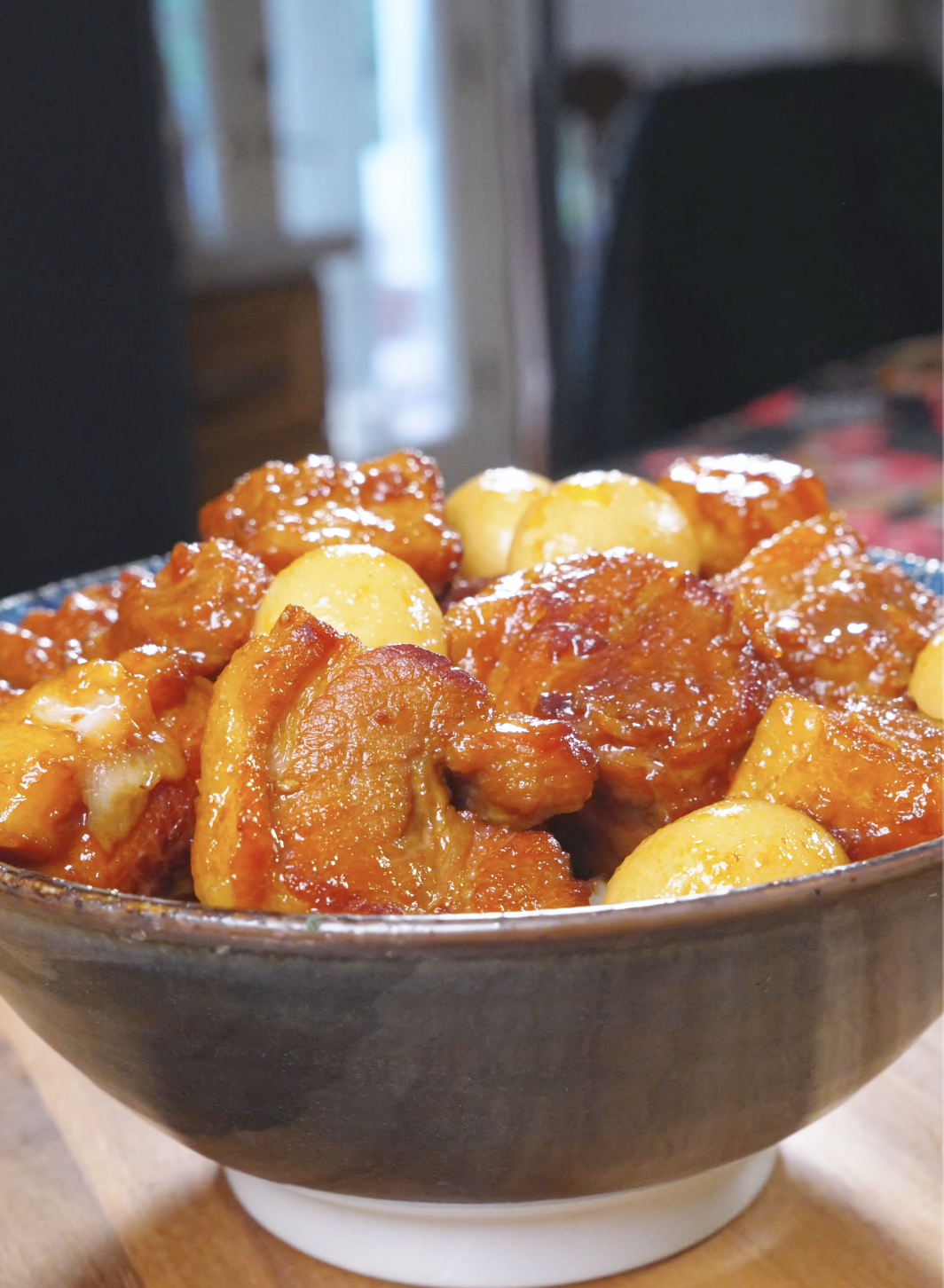
Ingredients
- 1 lb pork belly, cut into bite-sized chunks
- Neutral oil, for cooking
- 2 tbsp sugar
- 3 cloves garlic, minced
- ½ onion, minced
- 12 canned quail eggs, drained
For the Braise
- 2 tbsp light soy sauce
- 3 tbsp fish sauce
- 1½ cups coconut water
- 1 cup water
- ½ tsp salt
Optional Garnish
- Steamed rice
Instructions
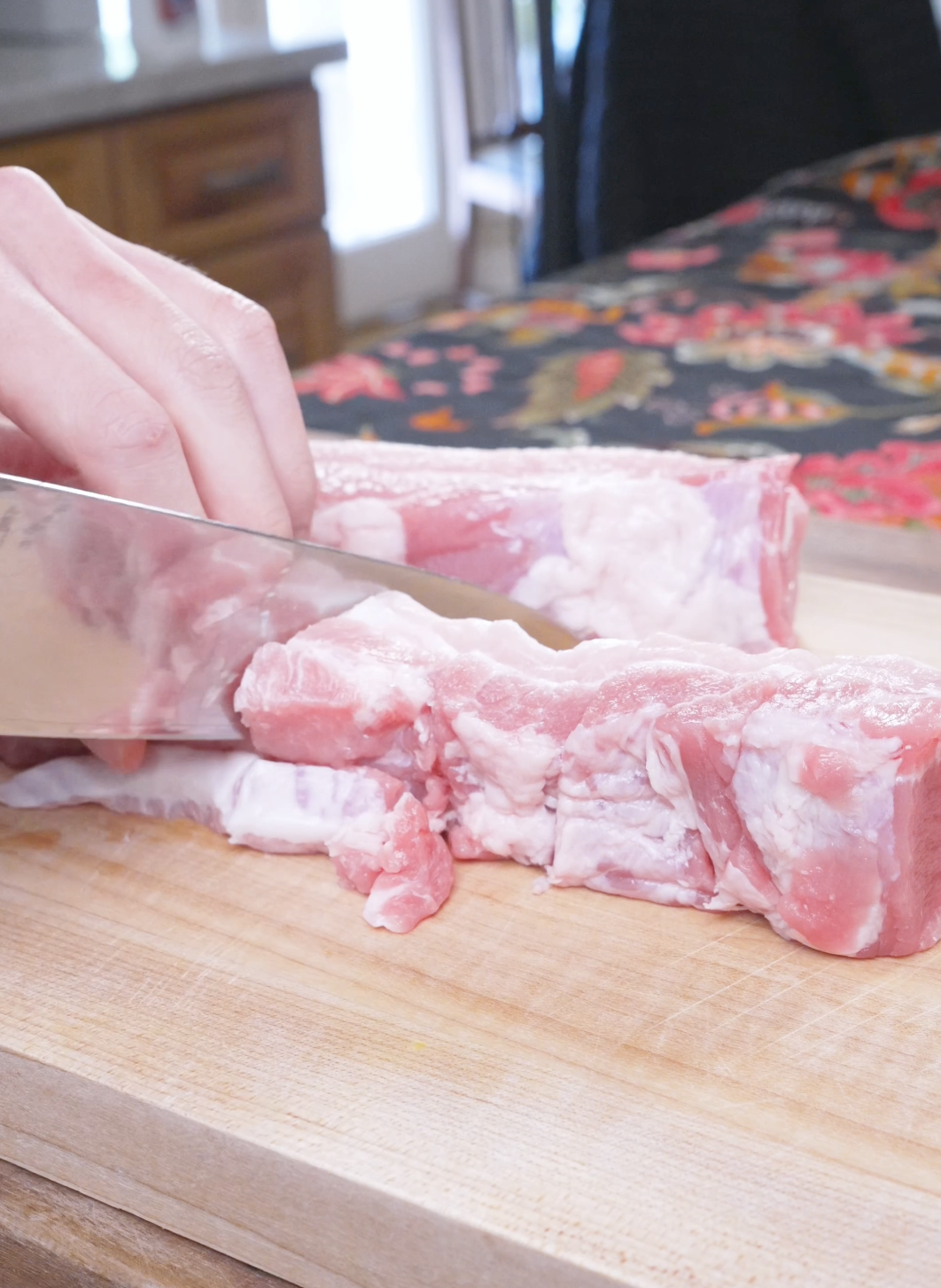
- Cut the pork belly into bite-sized chunks and set to the side.
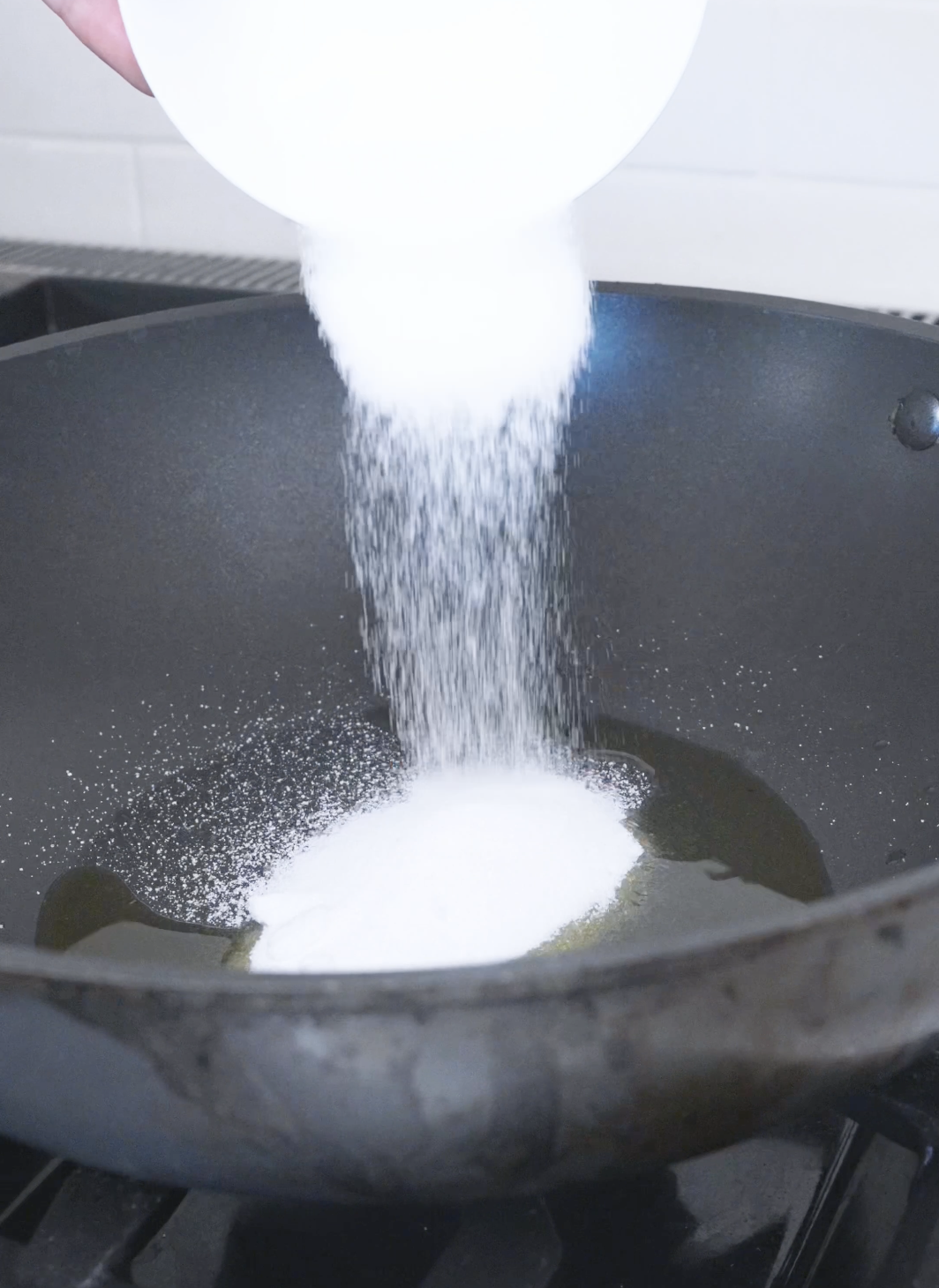
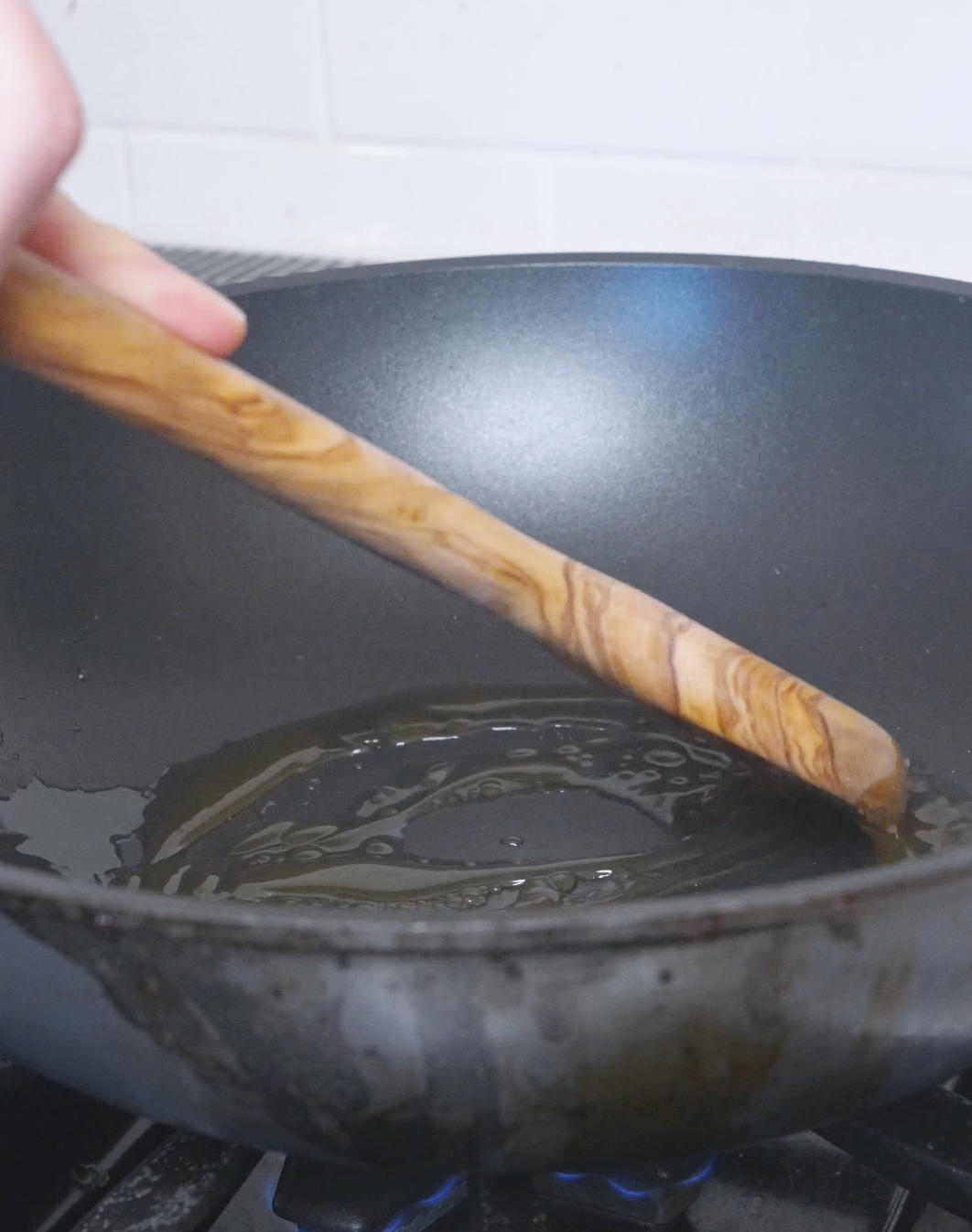
- Heat a pan with a bit of oil, then add the sugar and heat until it has melted into a caramel.
- Add the cubed pork belly and sear on all sides.
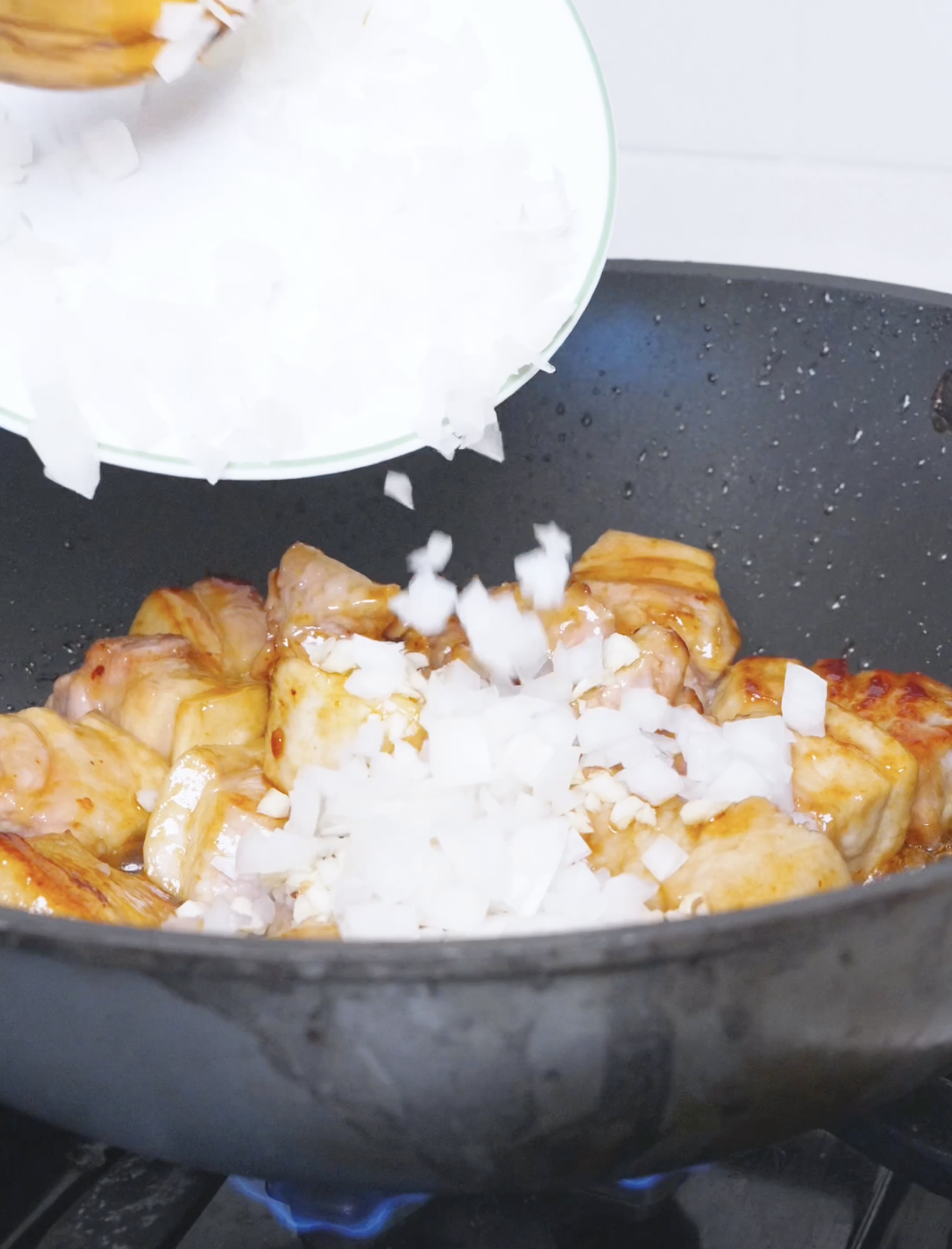
- Add the minced garlic and onions, mixing with the pork belly and cooking until fragrant.
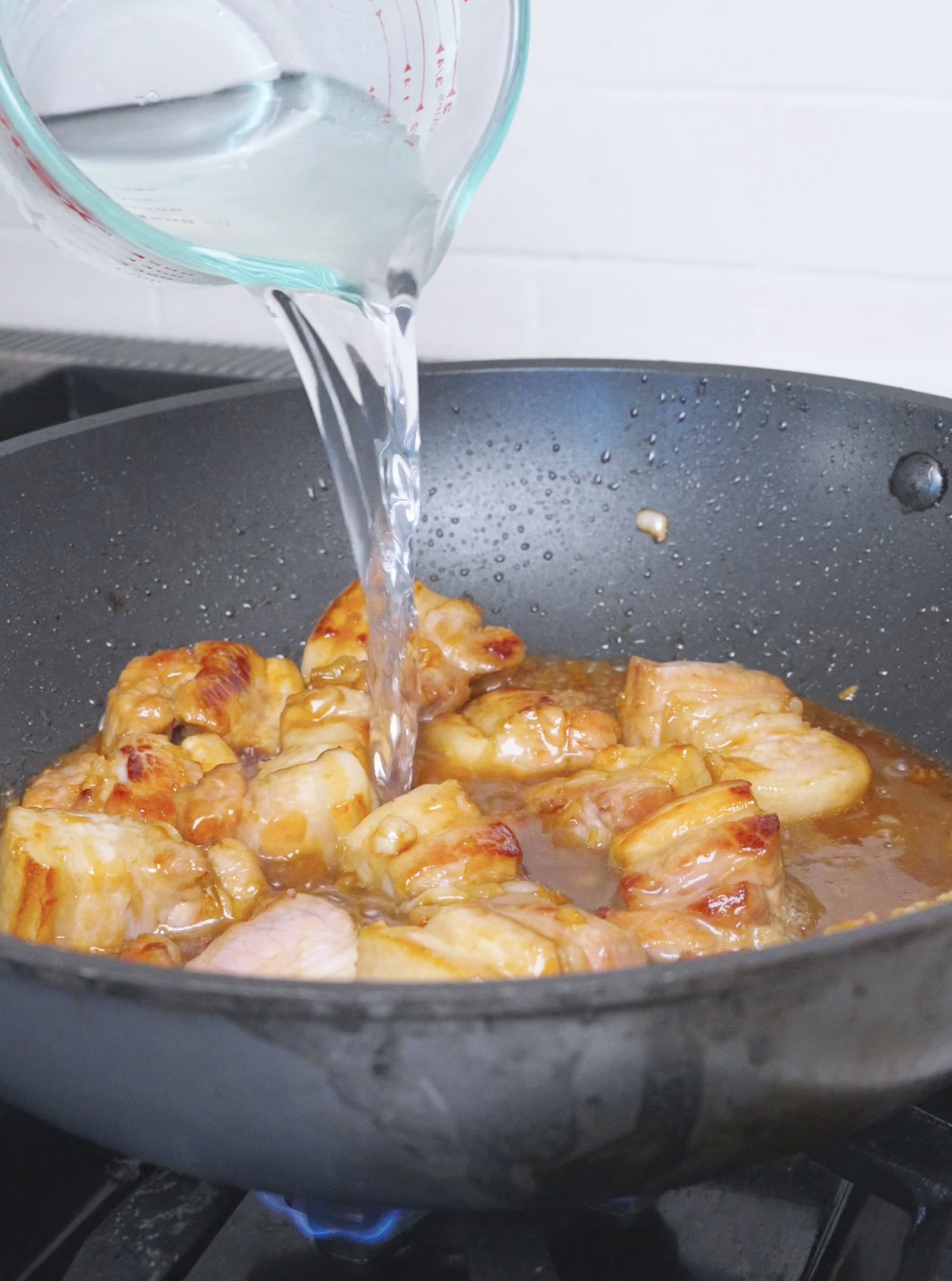
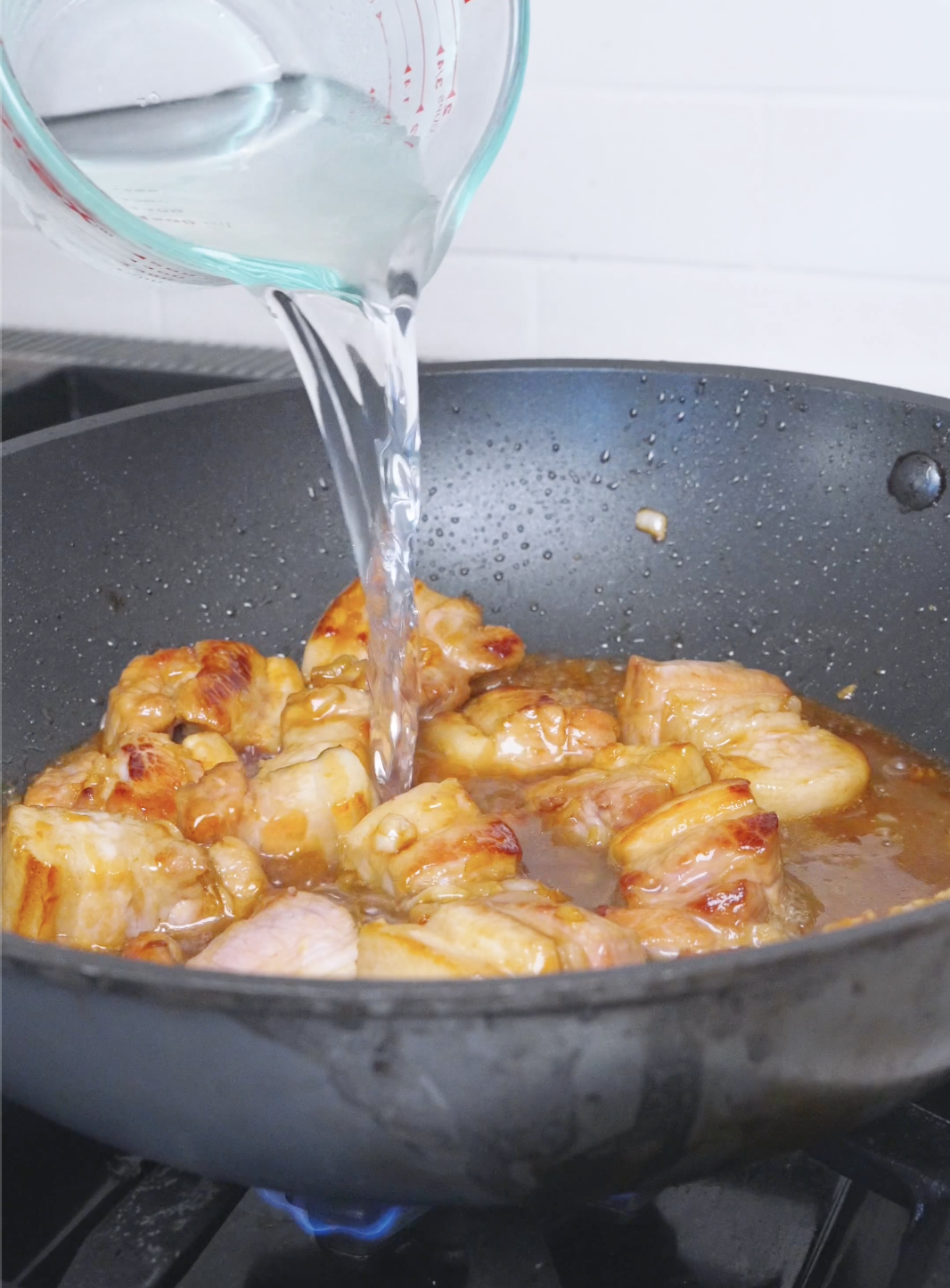
- Pour in the light soy sauce, fish sauce, coconut water, water, and salt. Bring to a simmer, then cover and cook for a couple of hours.
- Every 15 minutes or so, remove the lid and stir the mixture to avoid burning.
- Once the pork belly has simmered, turn the heat to high and add the quail eggs. Reduce the sauce until it has thickened to your liking.
- Serve over a fresh bowl of rice, or eat it as is. It’s your food, you eat it how you like.
Video
Notes
- Don’t rush the caramel — let the sugar reach a deep amber before adding liquid, and have the next ingredient ready to go.
- Blanch the pork belly first to remove impurities for a cleaner final flavor.
- Cut the pork into even pieces so everything cooks at the same rate.
- Skim the fat periodically so the sauce doesn’t feel overly greasy.
- Make it a day ahead if you can — the flavor deepens overnight.
This Vietnamese Thit Kho recipe is the kind of slow-cooked comfort food that turns an ordinary weeknight into something worth savoring. Imagine tender, melt-in-your-mouth pork belly simmered low and slow in a deeply savory, slightly sweet caramel sauce until every bite practically falls apart. There’s something almost meditative about the process—watching sugar transform into a rich, amber caramel, then letting it mingle with garlic, onion, fish sauce, and coconut water until the kitchen fills with an unmistakably sweet-savory aroma indicating Vietnamese comfort food is on the way. The quail eggs soak up all the glossy, caramelized goodness, turning into little flavor bombs that are just as satisfying as the pork itself, while the sauce reduces down into a thick, sticky glaze that clings to every piece. It’s a dish that rewards patience, but doesn’t demand much hands-on effort—just a bit of stirring here and there while the braise works its magic—making it perfect for a lazy Sunday simmer or a make-ahead meal that only gets better the next day. Spoon it generously over a steaming bowl of rice and let the sauce soak in, or do as tradition (and honestly, good sense) suggests and eat it straight from the pot. Once you taste the balance of caramelized sweetness, briny fish sauce, and fall-apart tender pork, you’ll understand why this dish has earned its place as a beloved staple!
Love Vietnamese food as much as I do? Check out my Vietnamese crispy pork belly, Vietnamese chicken salad and Vietnamese lemongrass chicken recipes next!
Table of Contents
- Thit Kho Recipe
- Why You’ll Crave Thit Kho Pork Belly
- Ingredients & Substitutions
- Thịt Kho Tàu vs. Thịt Kho Tiêu vs. Thịt Kho Trứng: What’s the Difference?
- How to Make Thit Kho with Eggs
- Optional Variations & Dietary Adaptations
- Expert Tips & Tricks
- Serving Suggestions
- Storage & Reheating
- FAQs
- More Pork Belly Recipes
Why You’ll Crave Thit Kho Pork Belly
There’s a reason this braised pork dish shows up again and again at family tables across Vietnam—it hits every note you want in a comforting meal! The magic really comes down to the caramel base: cooking sugar until it turns deep amber gives the whole dish a subtle bitterness and smoky-sweet depth that you simply can’t get from sugar alone. Add in the salty punch of fish sauce, the bright, slightly tangy sweetness of coconut water, and pork belly that’s been simmered until it’s practically spoon-tender, and you end up with a sauce so rich and layered that it transforms a simple bowl of rice into something you’ll find yourself thinking about long after the meal is over. It’s also wonderfully forgiving. This is the kind of recipe where imperfect doesn’t mean inedible, where a longer simmer only deepens the flavor instead of ruining it. And because it actually tastes even better the next day, once the pork has had time to fully soak up the sauce, it’s the rare dish that makes leftovers something to look forward to rather than settle for. Whether you grew up eating this at your own family’s table or you’re discovering it for the first time, there’s a universal, soul-warming quality to Thit Kho that makes it endlessly craveable.
Ingredients & Substitutions
- Pork Belly – This is the heart of the dish, so go for a nice balance of fat and meat to give your homemade Thit Kho a melt-in-your-mouth texture. If pork belly isn’t available, pork shoulder works in a pinch, though it won’t be quite as rich or tender.
- Neutral Oil – Just a splash to get the caramel started. Vegetable, canola, or avocado oil all work great here. You just want something without a strong flavor of its own, so avoid olive oil.
- Granulated Sugar – This is what creates that beautiful deep amber caramel that gives the dish its signature color and subtle smoky sweetness. White granulated sugar is traditional, but palm sugar or brown sugar can work too if that’s what you have on hand (just know the flavor will shift slightly).
- Garlic – Freshly minced is best for that aromatic punch, but pre-minced jarred garlic will do the trick on a busy (or lazy) day.
- Onion – Adds a gentle sweetness and depth as it cooks down with the pork. Yellow, white or red onion all work well here, though white onions tend to stay ever-so-slightly firmer.
- Canned Quail Eggs – These little guys are a classic addition, soaking up all that caramel sauce beautifully. If you can’t find quail eggs, regular hard-boiled chicken eggs are a totally acceptable substitute! Just be sure to halve or quarter them so they soak up the sauce and are easy to eat.
For the Braise
- Light Soy Sauce – Brings saltiness and umami without darkening the sauce too much. Avoid dark soy sauce here, as it’s much more intense and can overpower the dish.
- Fish Sauce – A non-negotiable for authentic Vietnamese flavor. A good quality fish sauce makes a noticeable difference, so don’t skimp here if you can help it. I personally love Red Boat.
- Coconut Water – Adds a subtle natural sweetness and helps tenderize the pork as it simmers. Coconut soda (a popular Vietnamese drink) is a fun substitute, or you can simply use extra water with a small pinch of added sugar.
- Water – Just your regular tap or filtered water to help the braise along.
- Salt – To round everything out and adjust the seasoning to your taste.
Optional Garnish
- Steamed Rice – While technically optional, I’d argue it’s essential. The sticky caramel sauce practically begs to be spooned over a warm bowl of rice!
This is just a short review of the ingredients; for the complete recipe, including quantities, scroll down to the recipe card 👇
Thịt Kho Tàu vs. Thịt Kho Tiêu vs. Thịt Kho Trứng: What’s the Difference?
If you’ve spent any time exploring Vietnamese home cooking, you’ve probably noticed that “thit kho” isn’t just one dish—it’s more of a family of braised pork recipes, each with its own personality.
- Thit kho tau is the version most people picture when they think of Vietnamese braised pork. It’s the Mekong Delta version where pork belly and eggs slow-braise in a coconut water base until deep amber and fall-apart tender. It’s rich, glossy, and a little sweet, making it a quintessential comfort-food. This is the one most closely tied to celebrations, since the version with eggs is a must-have in the Lunar New Year feast of Southern Vietnamese people.
- Thit kho trung is essentially the same dish wearing a different name tag and indicates when eggs are added to the dish.
- Thit kho tieu, on the other hand, takes things in a slightly different direction. Rather than leaning on coconut water, a sweet caramel base, or eggs, it turns up the black pepper. It’s a dish that’s drier and spicy compared to its coconut-braised cousins—perfect for anyone who wants that same pork belly experience with a sharper, spicier edge instead of a sweet one.
So while they all fall under the big, comforting umbrella of “thịt kho,” the real differences come down to technique and add-ins—coconut water versus a drier braise, eggs versus no eggs, sweet versus peppery—rather than entirely separate recipes.
How to Make Thit Kho with Eggs
Cut the pork belly into bite-sized chunks and set to the side.
Heat a pan with a bit of oil, then add the sugar and heat until it has melted into a caramel.
Add the cubed pork belly and sear on all sides.
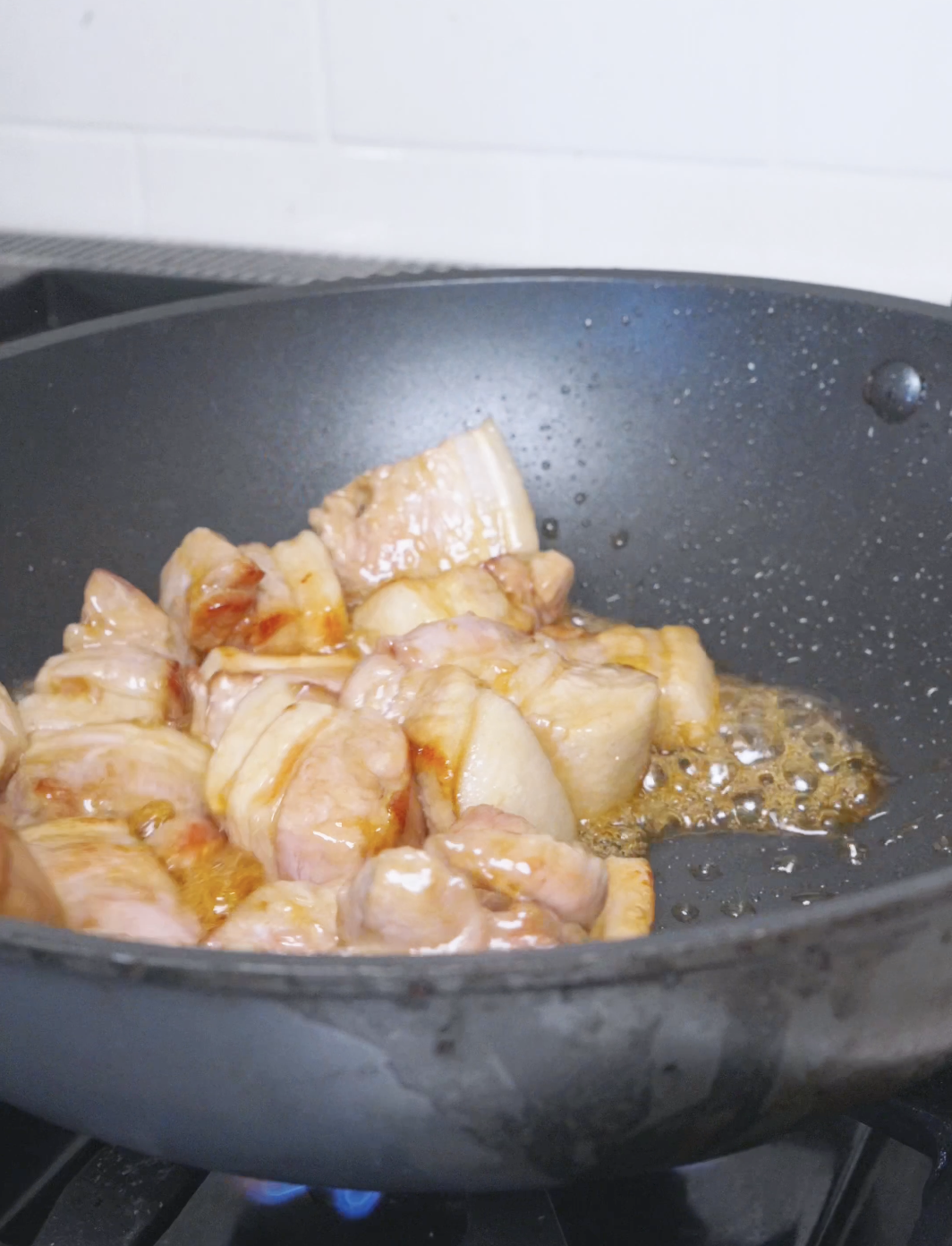
Add the minced garlic and onions, mixing with the pork belly and cooking until fragrant.
Pour in the light soy sauce, fish sauce, coconut water, water, and salt. Bring to a simmer, then cover and cook for a couple of hours.
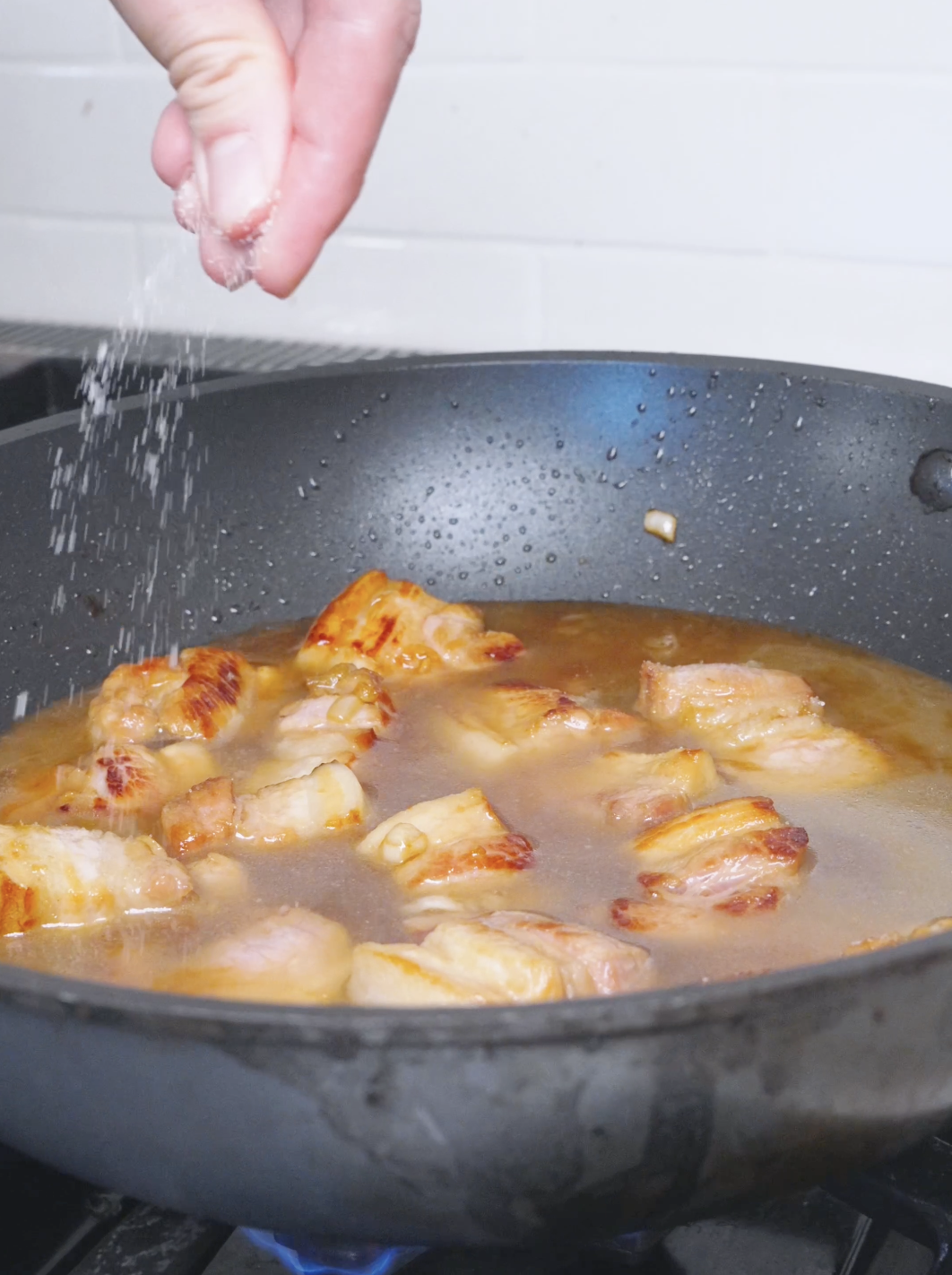
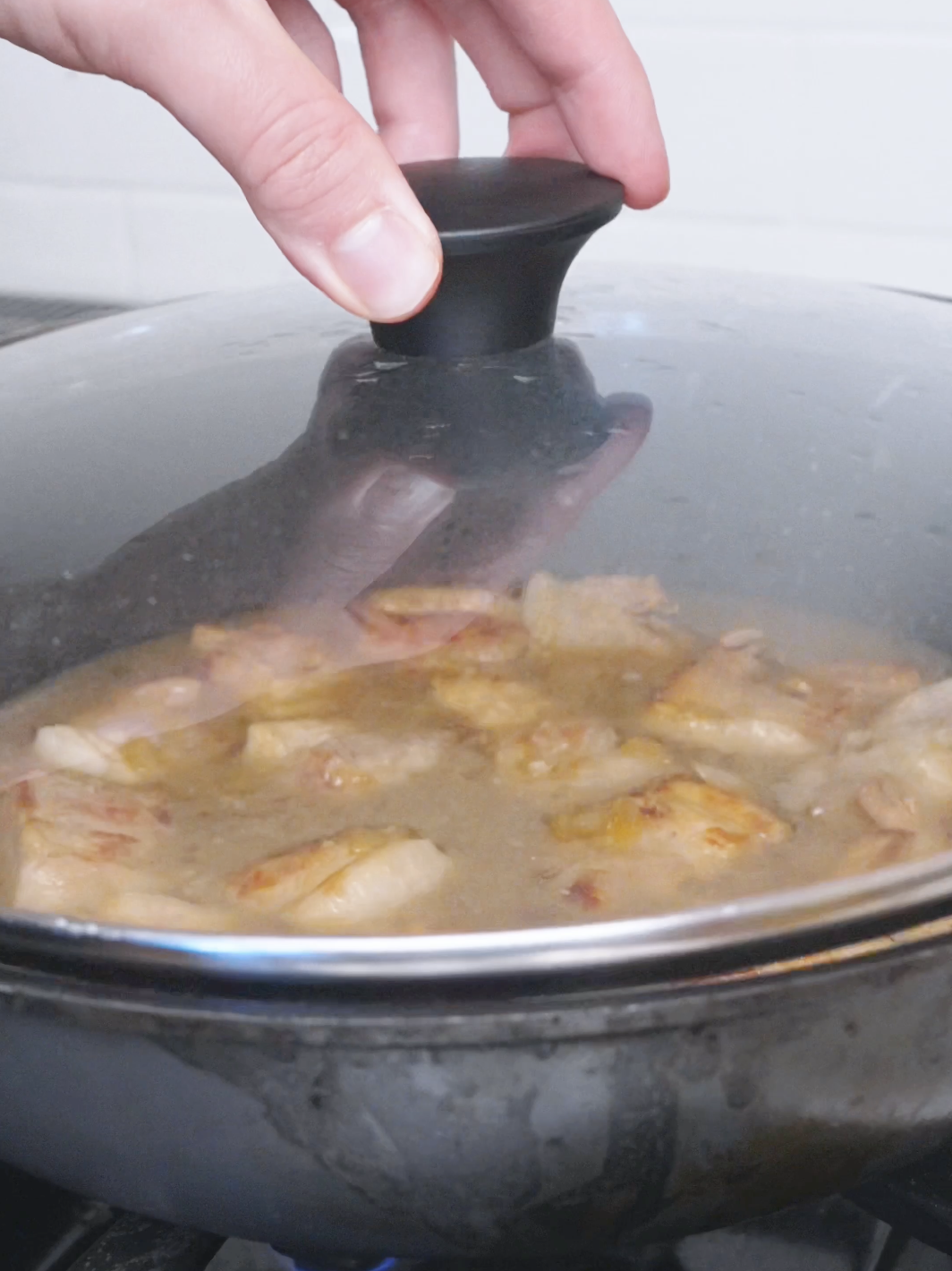
Every 15 minutes or so, remove the lid and stir the mixture to avoid burning.
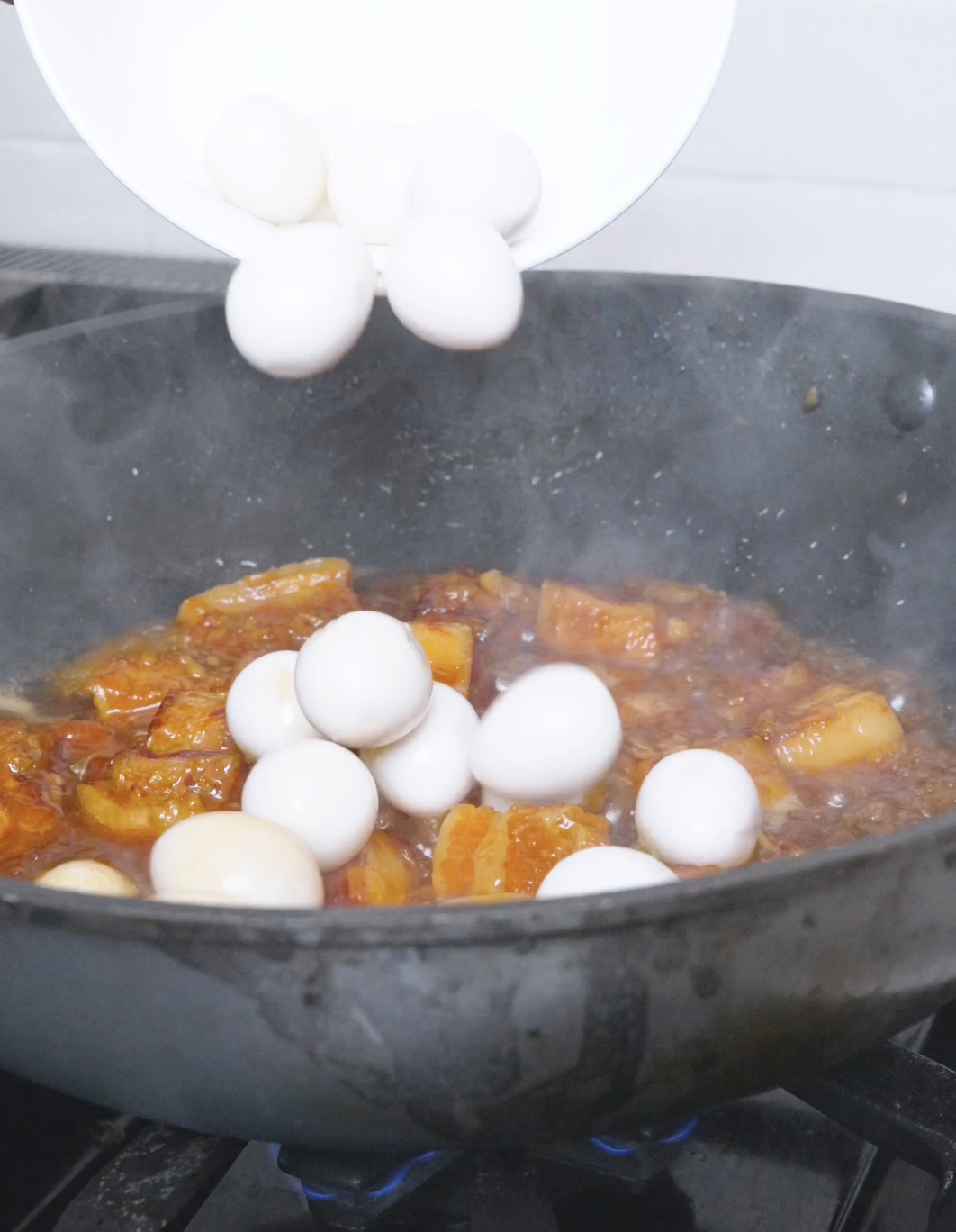
Once the pork belly has simmered, turn the heat to high and add the quail eggs. Reduce the sauce until it has thickened to your liking.
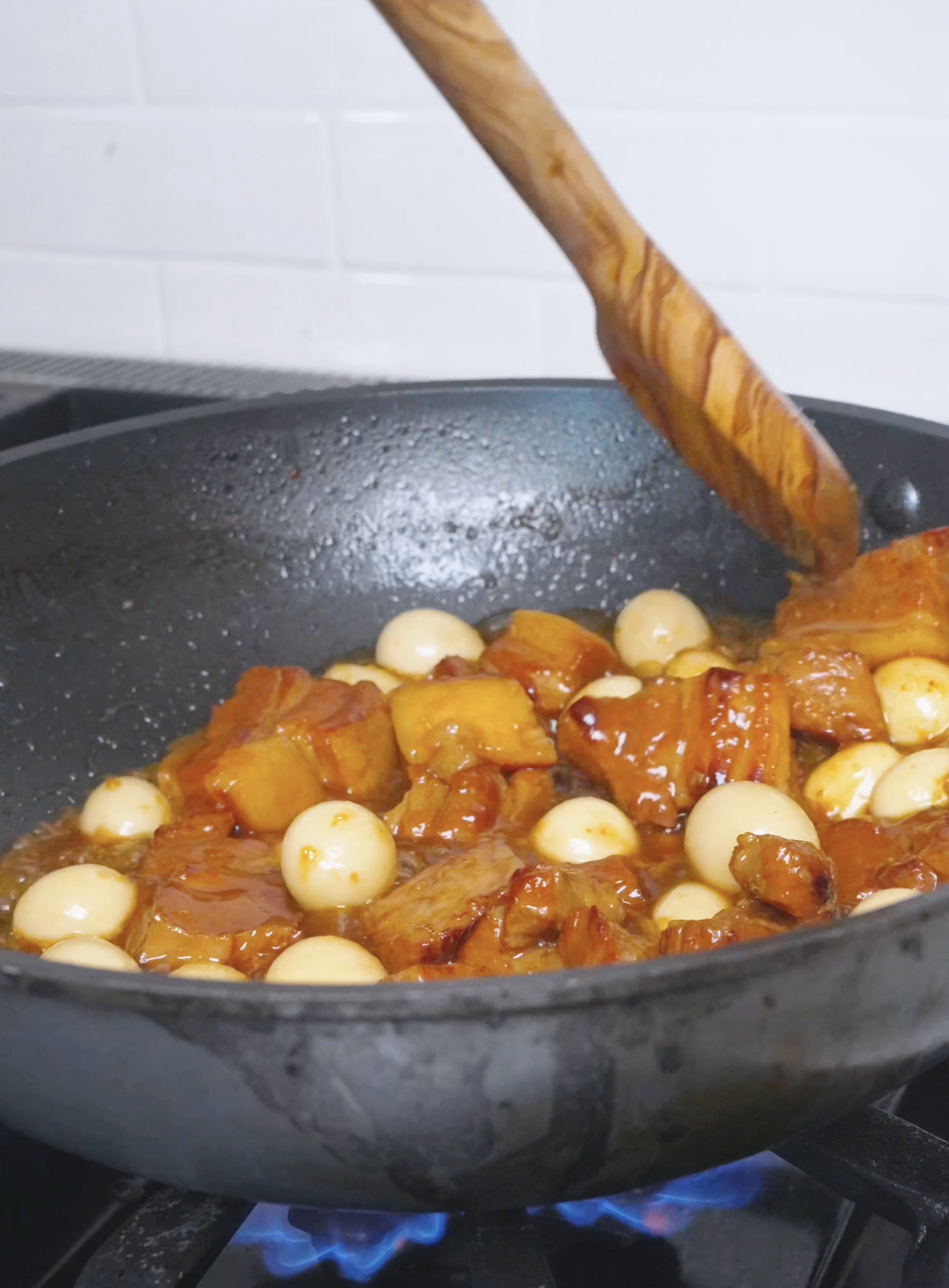
Serve over a fresh bowl of rice, or eat it as is. It’s your food, you eat it how you like.
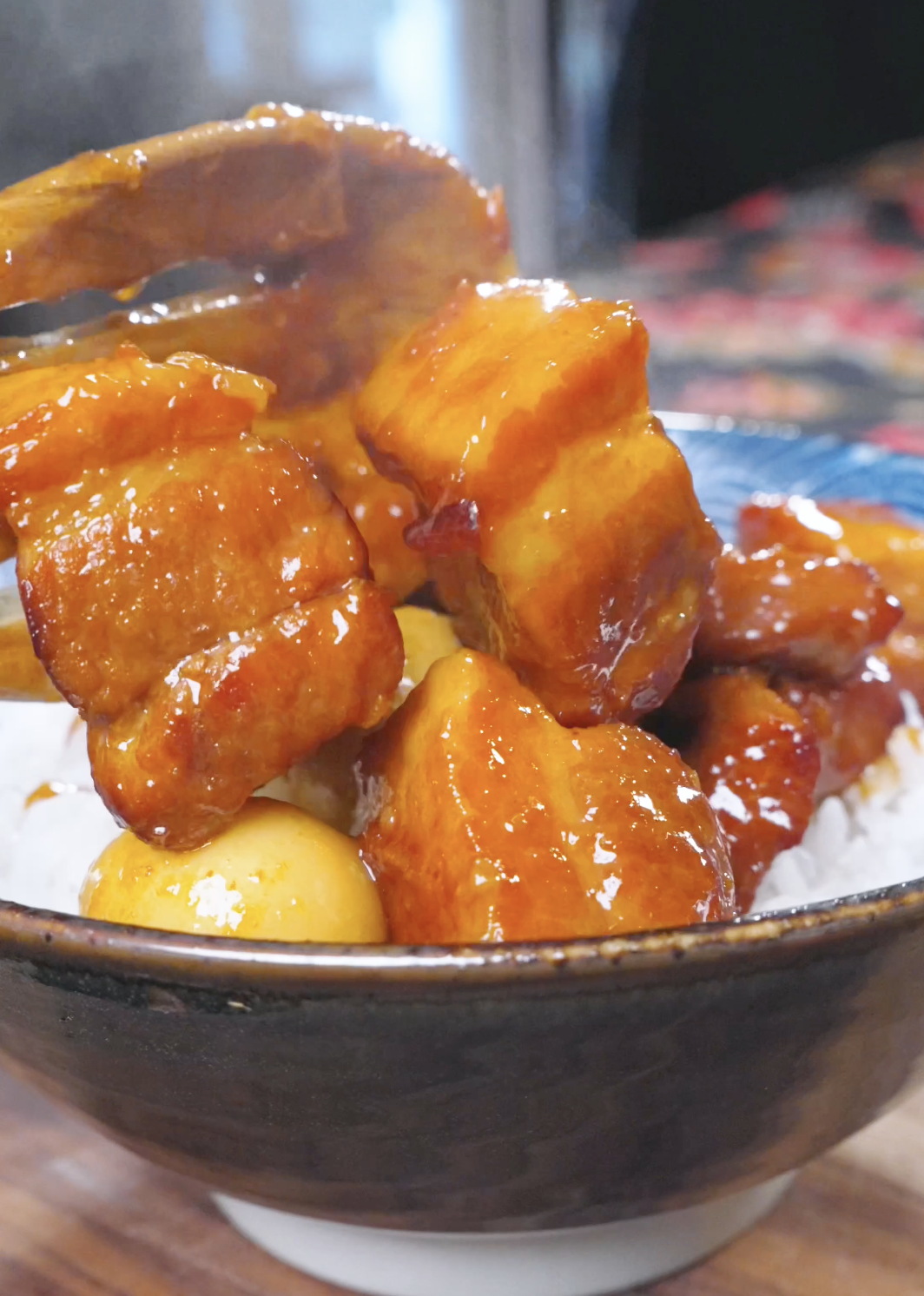
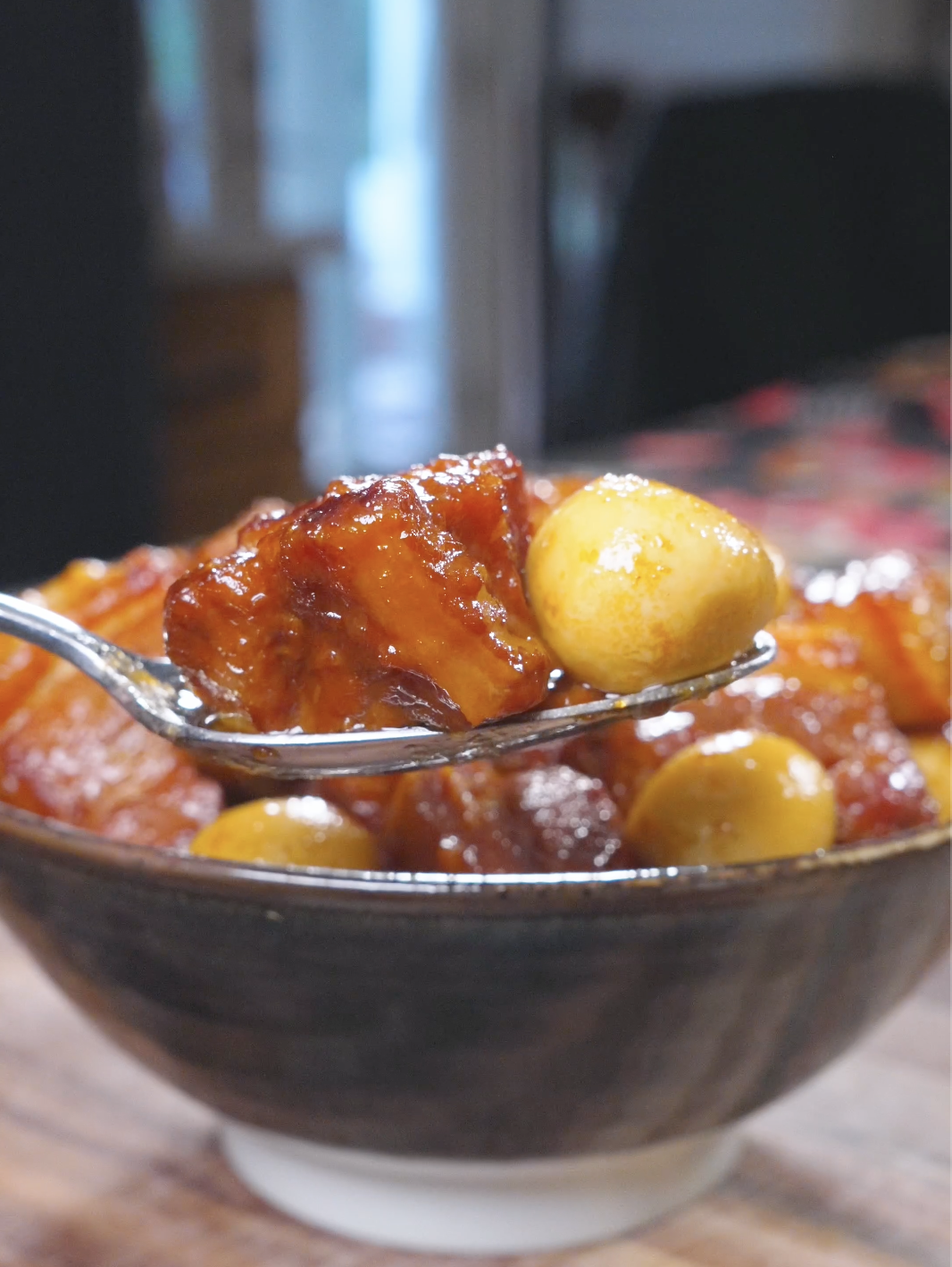
More of a visual learner? Check out my video recipe below. 👇
Optional Variations & Dietary Adaptations
One of the best things about Thit Kho is just how adaptable it is — once you understand the basic braising technique, you can easily tweak it to fit your pantry, your taste, or your dietary needs. If you want to switch things up or need a few substitutions, here are some ideas to get you started.
- Reduced-Fat: Swap the pork belly for pork shoulder or even pork loin if you’re looking to cut back on fat. Keep in mind the texture will be a little less rich and the meat slightly less tender, but you’ll still get that same deeply savory, caramelized flavor throughout.
- Extra Spicy: Take a cue from thịt kho tiêu and add a generous amount of freshly cracked black pepper, or toss in a sliced Thai chili or two while the dish simmers. It adds a nice contrast to the sweetness of the caramel without overpowering the dish.
- Lower-Sodium: Cut back on the fish sauce and light soy sauce slightly, and balance the seasoning with a touch more sugar or coconut water to keep the flavor profile from feeling flat. You can always add a little extra salt at the end if needed, but it’s easier to adjust up than to fix an overly salty braise.
- No Quail Eggs: Regular chicken eggs, hard-boiled and halved or quartered, make a great substitute. They soak up the sauce just as well and are much easier to find at most grocery stores.
- Add Vegetables: Some home cooks like to add hard-boiled eggs and vegetables like daikon radish or hard squash, letting them simmer in the braise during the last 30–45 minutes to soak up all the savory-sweet sauce.
Expert Tips & Tricks
A few small details can make a big difference between a good Thit Kho and a truly great one, so here are some tips to help you nail it every time.
- Don’t rush the caramel. This is the single most important step in the whole recipe, and it’s worth taking your time with. Let the sugar melt slowly and turn a deep amber color before adding your liquid. If you pull it too early, you’ll miss out on that signature smoky-bitter depth, but if you let it go too far, it can turn bitter and burnt. Keep a close eye on it and have your next ingredient ready to go the moment it hits that perfect amber shade.
- Blanch your pork belly first. Giving the pork a quick blanch in boiling water before braising helps remove excess impurities and any gamey smell, resulting in a cleaner, more refined final flavor. It’s a small extra step, but it makes a noticeable difference.
- Cut the pork belly into even pieces. This ensures everything cooks at the same rate, so you don’t end up with some pieces falling apart while others are still tough.
- Let it simmer low and slow. Resist the urge to crank up the heat to speed things along. A low, gentle simmer is what breaks down the connective tissue in the pork belly and gives you a spoon-tender texture. Rushing it with high heat will leave the meat tougher and the sauce less developed.
- Skim the fat as needed. As the dish simmers, you’ll notice fat rising to the top. Skimming some of it off periodically keeps the sauce from feeling overly greasy, while still leaving enough richness to coat the rice beautifully.
- Make it a day ahead if you can. Thit Kho is one of those dishes that actually improves with time, as the flavors continue to deepen and the pork absorbs even saucy goodness overnight. If your schedule allows, cook it the day before serving and reheat gently when you’re ready to eat.
- Taste and adjust as you go. Every batch of fish sauce and soy sauce can vary slightly in saltiness, so don’t be afraid to taste the braise partway through and adjust with a little more sugar, salt, or water as needed to get the balance just right.
Serving Suggestions
Thit Kho is the kind of dish that’s practically made for a steaming bowl of steamed jasmine rice, letting all the rich, caramelized sauce soak into every bite. I also love a bowl of garlic fried rice on the side for a little extra pizzazz.
For a more well-rounded meal, pair it with something bright and slightly acidic to cut through the richness—a simple side of Vietnamese pickled vegetables (Đồ Chua) or a crisp cucumber salad works wonderfully. A bowl of Canh Chua (Vietnamese sour soup) is another classic pairing, rounding out the meal with a tangy, comforting warmth that balances the sweetness of the pork.
If you’re serving this for a special occasion or Lunar New Year gathering, consider setting it alongside other traditional staples like Vietnamese pickled shallots (Củ Kiệu) or a platter of fresh herbs and lettuce for wrapping. It’s also a natural pairing for Vietnamese crispy pork belly, offering textural contrast to the braised pork belly.
And if you have leftovers (lucky you!), Thit Kho makes a fantastic filling for a quick Vietnamese pork belly banh mi, or you can toss it through noodles for an easy, flavor-packed lunch.
Storage & Reheating
- Refrigeration: Let the braise cool completely before transferring it to an airtight container, then store it in the refrigerator for up to 4-5 days. The flavors actually continue to develop over time, so don’t be surprised if it tastes even better on day two or three.
- Freezing: For longer storage, Thit Kho freezes well for up to 2-3 months. Portion it into individual freezer-safe containers or bags so you can thaw only what you need, and be sure to leave a little room at the top of the container since the sauce will expand slightly as it freezes. When you’re ready to eat it, thaw it overnight in the refrigerator rather than at room temperature for food safety.
- Reheating: Low and slow is the way to go. On the stovetop, warm the pork gently over low heat in a covered pot, stirring occasionally and adding a splash of water if the sauce has thickened too much in the fridge. This method helps keep the pork tender and prevents the sauce from breaking or becoming overly oily. If you’re short on time, the microwave works too—just reheat in short bursts at a lower power setting, stirring in between. Blasting it on high can cause the meat to dry out and turn rubbery.
- One Small Tip: if you’ve stored your Thit Kho with the hard-boiled eggs still in it, try to eat those within the first couple of days, as they tend to take on a slightly rubbery texture after multiple rounds of reheating.
FAQs
Is Thit Kho Vietnamese or Cambodian?
Thit Kho is a Vietnamese dish that’s particularly associated with Lunar New Year (Tết) celebrations, where it’s often called “Thịt Kho Tàu” or “Thịt Kho Trứng.” While Cambodian cuisine has its own braised pork dishes with some similarities, Thit Kho is a Vietnamese culinary tradition.
What does Thit Kho mean?
“Thịt” means meat (most commonly referring to pork belly in this context), and “Kho” refers to the Vietnamese braising technique of slow-cooking in a caramelized, savory liquid, typically made with fish sauce, sugar, and coconut water. So Thit Kho essentially translates to “braised meat” or “braised pork belly.”
What cut of meat is Thit Kho?
The traditional cut is pork belly, prized for its balance of fat and meat that becomes meltingly tender and rich during the long braise.
Is Vietnamese Thit Kho healthy?
Thit Kho is a flavorful, protein-rich dish, but it’s also high in fat and sodium due to the pork belly and generous amounts of fish sauce used in the braise. It’s best enjoyed in moderation as part of a balanced meal, paired with rice and vegetables. If you’re concerned, opting for leaner cuts like pork shoulder or reducing the sodium content, as outlined in the variations above, can make it a lighter option without sacrificing much flavor.
More Pork Belly Recipes
Craving more pork belly? Try my Red Braised Pork Belly, Deep Fried Pork Belly, or Vietnamese Crispy Pork Belly!