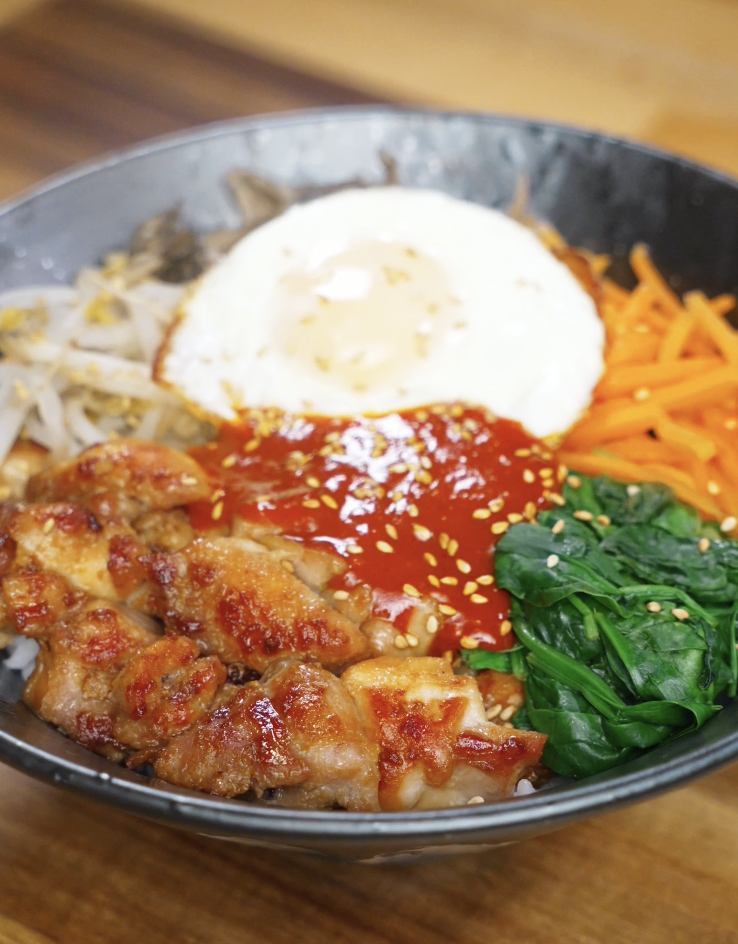
Chicken Bibimbap
Equipment
Ingredients
Chicken
- 16 oz boneless skinless chicken thighs, cut into bite-sized cubes
- 2 tbsp soy sauce
- 1 tsp sesame oil
- 2 cloves garlic, minced
- 2 tsp sugar
Vegetables
- ½ cup bean sprouts
- ½ cup carrots
- ¼ cup mushrooms
- 1 cup Spinach
- Salt, to taste
Bibimbap Sauce
- 2 tbsp gochujang
- 1 tsp sesame oil
- 1 tbsp rice vinegar
- 1 clove garlic, minced
- 2 tsp sugar, to taste
Optional Garnishes
- Fried egg
- Sesame seeds
- Rice, for serving
Instructions
- Place your cubed chicken thighs in a bowl and marinate with soy sauce, sesame oil, garlic, and sugar for at least 15 minutes.
- In a small bowl, combine gochujang, sesame oil, rice vinegar, garlic, and sugar. Mix thoroughly and set aside.
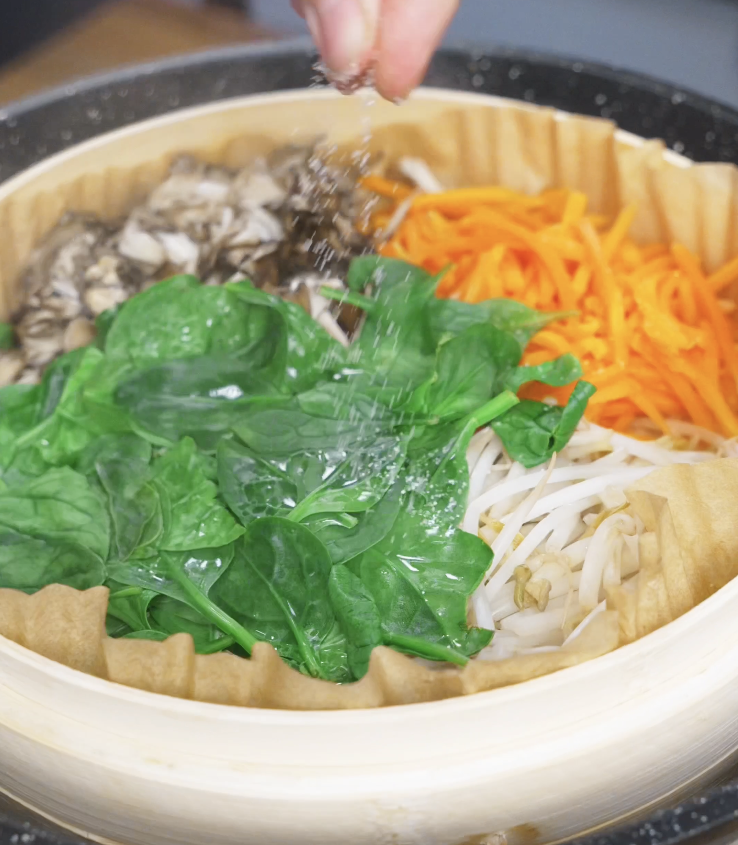
- Steam your vegetables for about 5 minutes until tender. Season lightly with salt while still warm and set aside.
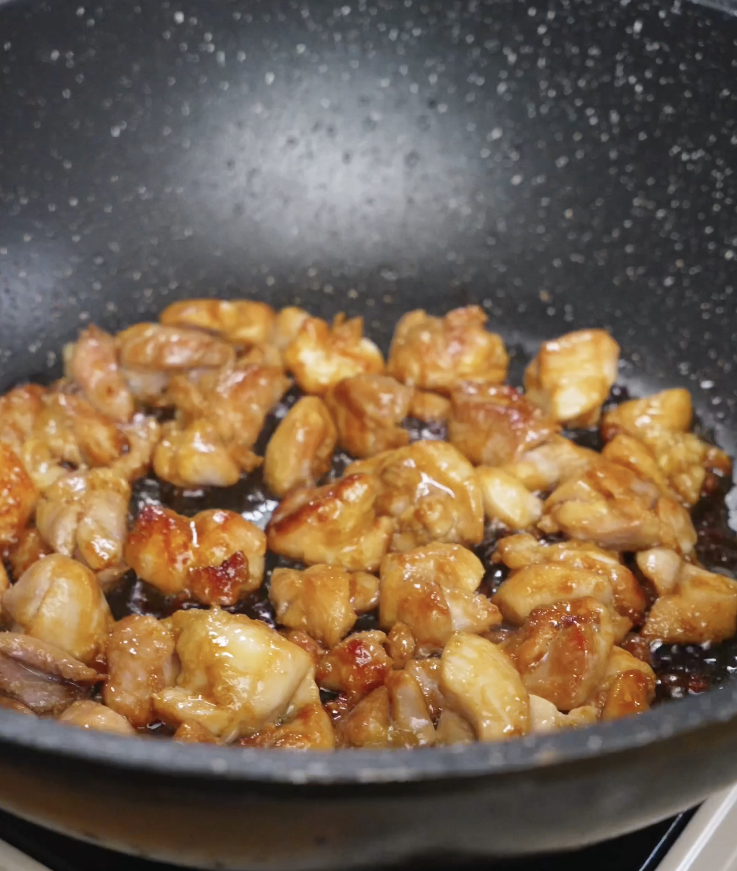
- Add oil to a pan over medium-high heat and cook your marinated chicken for about 6 minutes, or until cooked through and lightly caramelized. Remove from the heat.
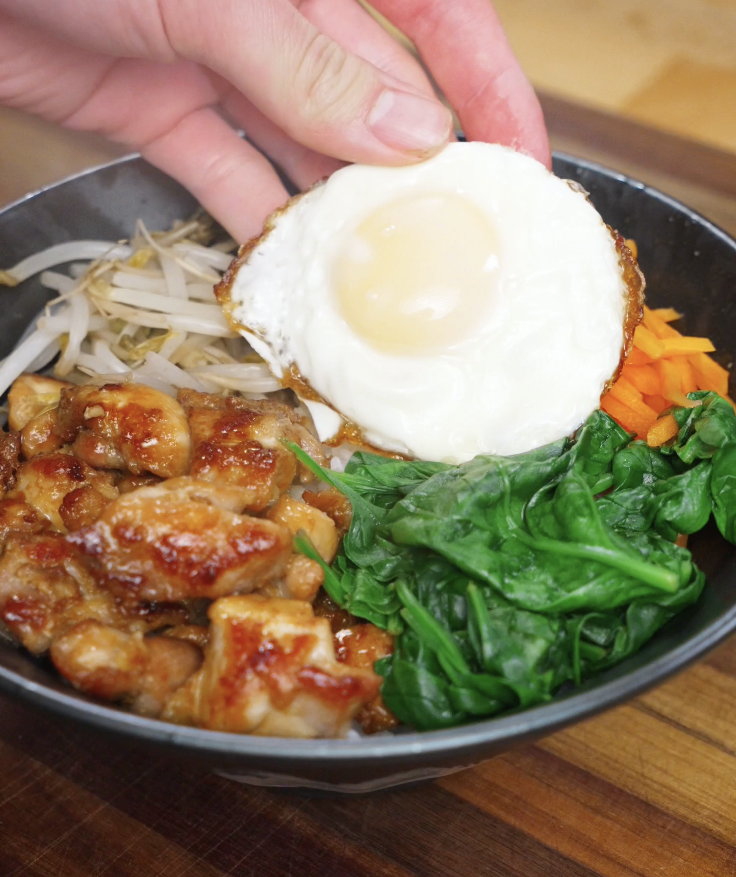
- Assemble your bibimbap by placing rice in a bowl and topping with chicken, steamed vegetables, and a fried egg.
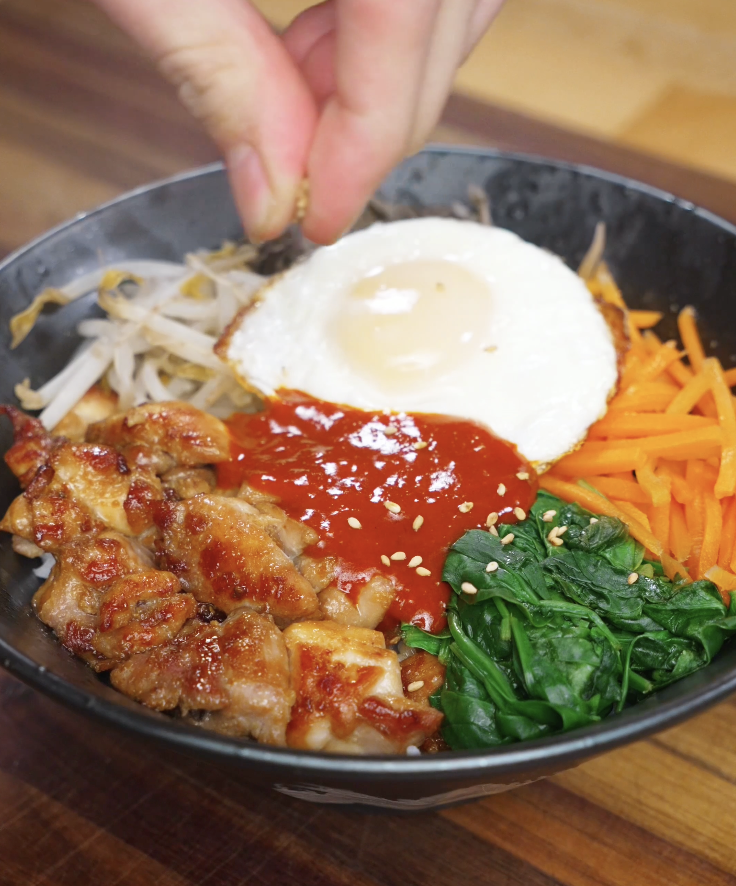
- Drizzle with the gochujang sauce and optionally garnish with sesame seeds.
Video
Nutrition
Nutrition information is automatically calculated, so should only be used as an approximation.
Why Chicken Bibimbap Is Always in My Weekly Meal Rotation
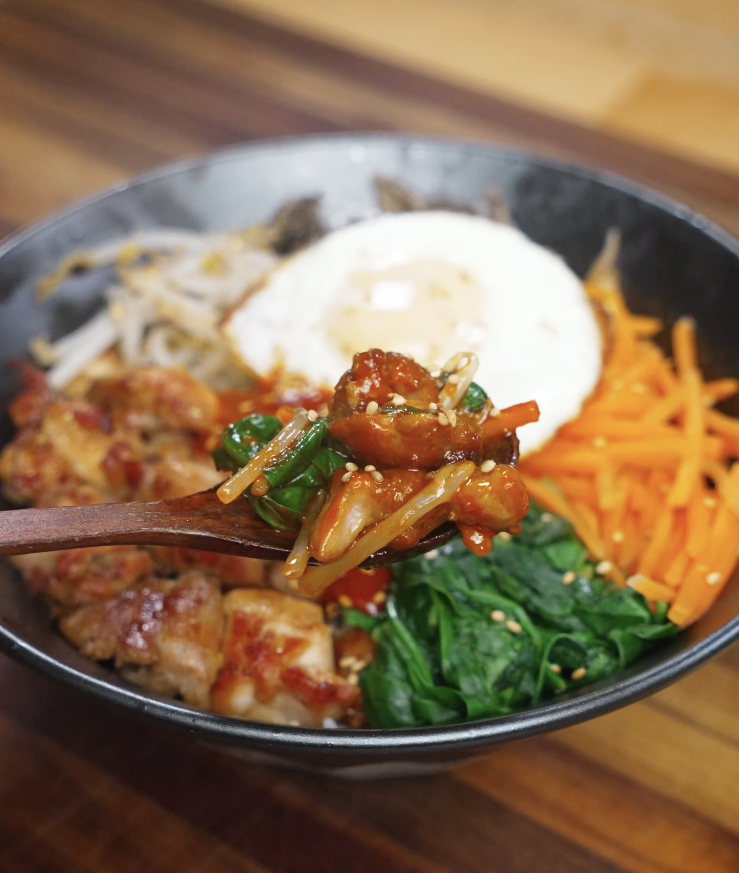
I love this Chicken Bibimbap because it’s one of the easiest ways you can eat a balanced meal during the week. It’s filled with lean protein, fiber, micronutrients, and flavor all in a single bowl! What I really love about this Chicken Bibimbap, though, is how flexible it is. The vegetables in the recipe card are simply a guideline for what I like to personally use, but you can swap the vegetables for any veggie, you can use leftover rice or meat and still end up with something colorful and delicious. I promise you this Chicken Bibimbap is one of those meals that actually ends up being good for you and is legitimately tasty!
What Makes This Chicken Bibimbap Stand Out
While both the chicken and vegetables are both tasty on their own, the bibimbap sauce is what brings all the components in the bowl together. The sauce is spicy, tangy, slightly sweet, and full of umami flavor. I actually double the recipe when I make this Chicken bibimbap just to put on my food the next day! If you’re trying to eat more healthily but still want your food to taste delicious, this sauce will be your best friend!
What You’ll Need To Make Chicken Bibimbap
Chicken
- 16 oz boneless skinless chicken thighs, cut into bite-sized cubes
- 2 tbsp soy sauce
- 1 tsp sesame oil
- 2 cloves garlic, minced
- 2 tsp sugar
Vegetables
- ½ cup bean sprouts
- ½ cup carrots, julienned or thinly sliced
- ¼ cup mushrooms (shiitake, cremini, or button)
- 1 cup spinach
- Salt, to taste
Bibimbap Sauce
- 2 tbsp gochujang
- 1 tsp sesame oil
- 1 tbsp rice vinegar
- 1 clove garlic, minced
- 2 tsp sugar
Optional Garnishes
- 2 fried eggs
- Sesame seeds
- Cooked rice, for serving
How To Make Chicken Bibimbap
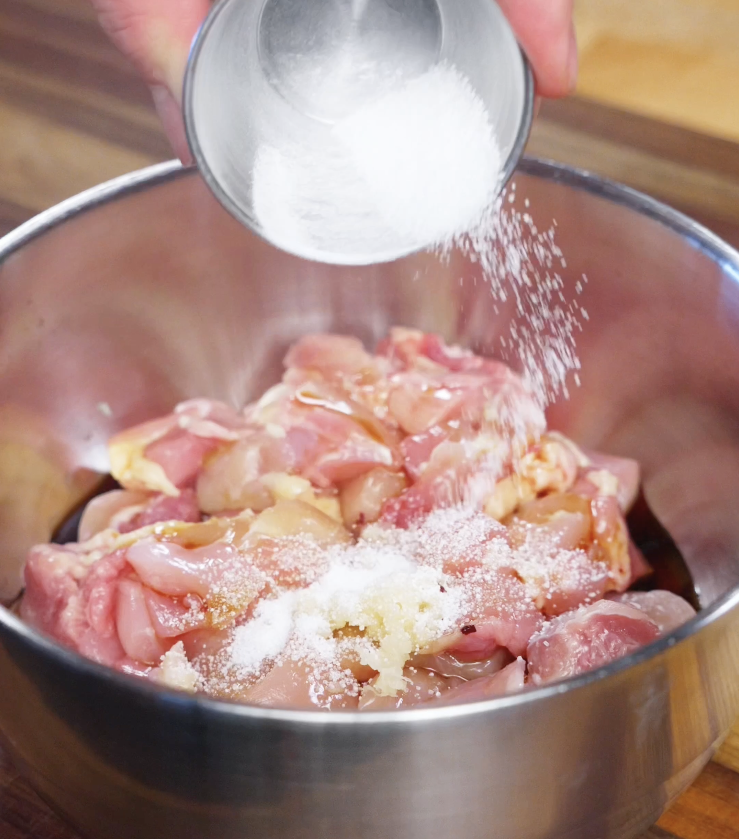
Add your chicken thighs to a bowl and marinate with soy sauce, sesame oil, garlic, and sugar for at least 15 minutes while you prep the vegetables and sauce.
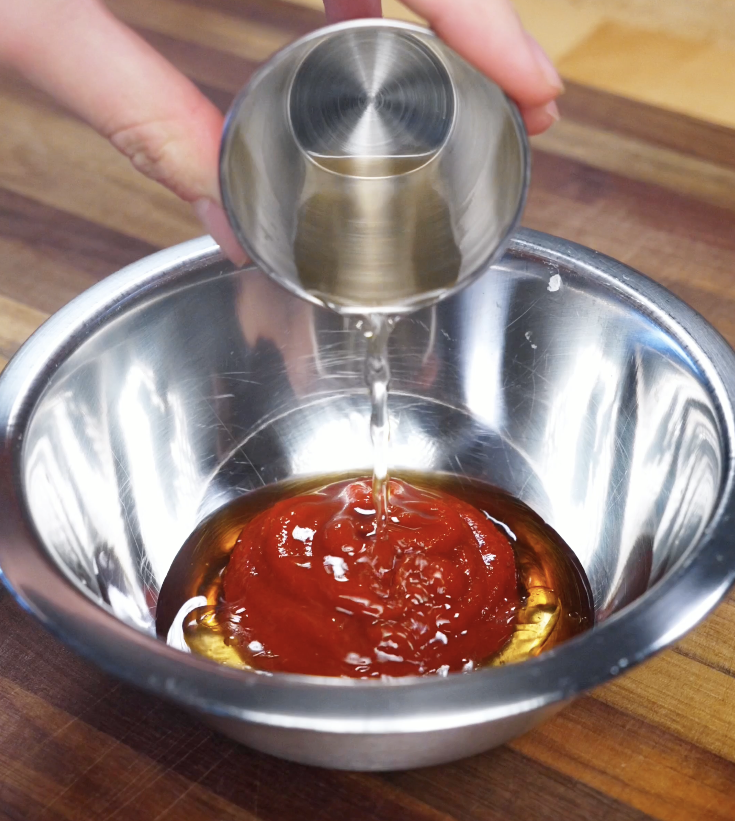
In a small bowl, whisk together gochujang, sesame oil, rice vinegar, garlic, and sugar until smooth. Set aside.
Steam your vegetables separately for 3–5 minutes until just tender: bean sprouts, carrots, mushrooms, and spinach. Season each lightly with salt while warm and keep separate.
Heat oil in a skillet over medium-high heat and cook the marinated chicken for 6–7 minutes, stirring occasionally, until golden brown and fully cooked. Remove from heat.
Assemble your bowl with a bed of rice, the vegetables, the cooked chicken, and a fried egg on top.
Drizzle generously with the bibimbap sauce and sprinkle with sesame seeds. Mix it all up before eating and enjoy!
Tips & Variations
In case gochujang is too spicy, feel free to halve the amount. Additionally, you can add 1 tablespoon of tomato paste if you’ve already mixed the sauce together.
To make this Chicken Bibimbap vegetarian, substitute in tofu or tempeh instead of the chicken, or just add more fried eggs on top!
If you don’t want to steam your vegetables, feel free to use pre-cooked veggies or even leftovers to add to your bibimbap.
The best way to eat this Chicken Bibimbap as meal prep is to store everything but the sauce together in a tupperware and store the sauce separately to avoid the veggies from becoming to saturated with water. Reheat the bibimbap bowl in the microwave for 2 minutes and top with your sauce to eat!
Frequently Asked Questions
Can I use chicken breast instead of thighs?
Yes, just be careful not to overcook it. Thighs stay juicier, but breast works if you’re going for leaner macros.
Is there a substitute for gochujang?
In this case, there isn’t. It’s the signature flavor in bibimbap. But if you’re out, a mix of miso, chili garlic sauce, and a little honey can somewhat mimic the umami fermented flavor.
Can I roast the veggies instead of steaming?
Absolutely! Roasting adds a bit of extra charred flavor. Just season lightly with some additional olive oil and roast at 425°F (220°C) until fork tender.
Try These Next
Want more healthy meals like this one? Try my Japanese Steak Bowl!
Craving beef instead of chicken? Try my Black Pepper Beef!
If you want more chicken dishes, you’ll love my Teriyaki Chicken!