Garlic Teriyaki Chicken Recipe
Equipment
Ingredients
- 16 oz chicken thighs, cubed
- Neutral oil, for cooking
For the Marinade & Sauce
- 1 tbsp dark soy sauce
- 2 tbsp light soy sauce
- 1 tsp sesame oil
- 2 tbsp sugar
- 1 tbsp rice vinegar
- 4 cloves garlic, minced
- 1 tbsp grated ginger
Optional Garnish
- Kewpie mayo
- Soy glaze
- Furikake
- Scallions
- Peppers
- Steamed rice
Instructions
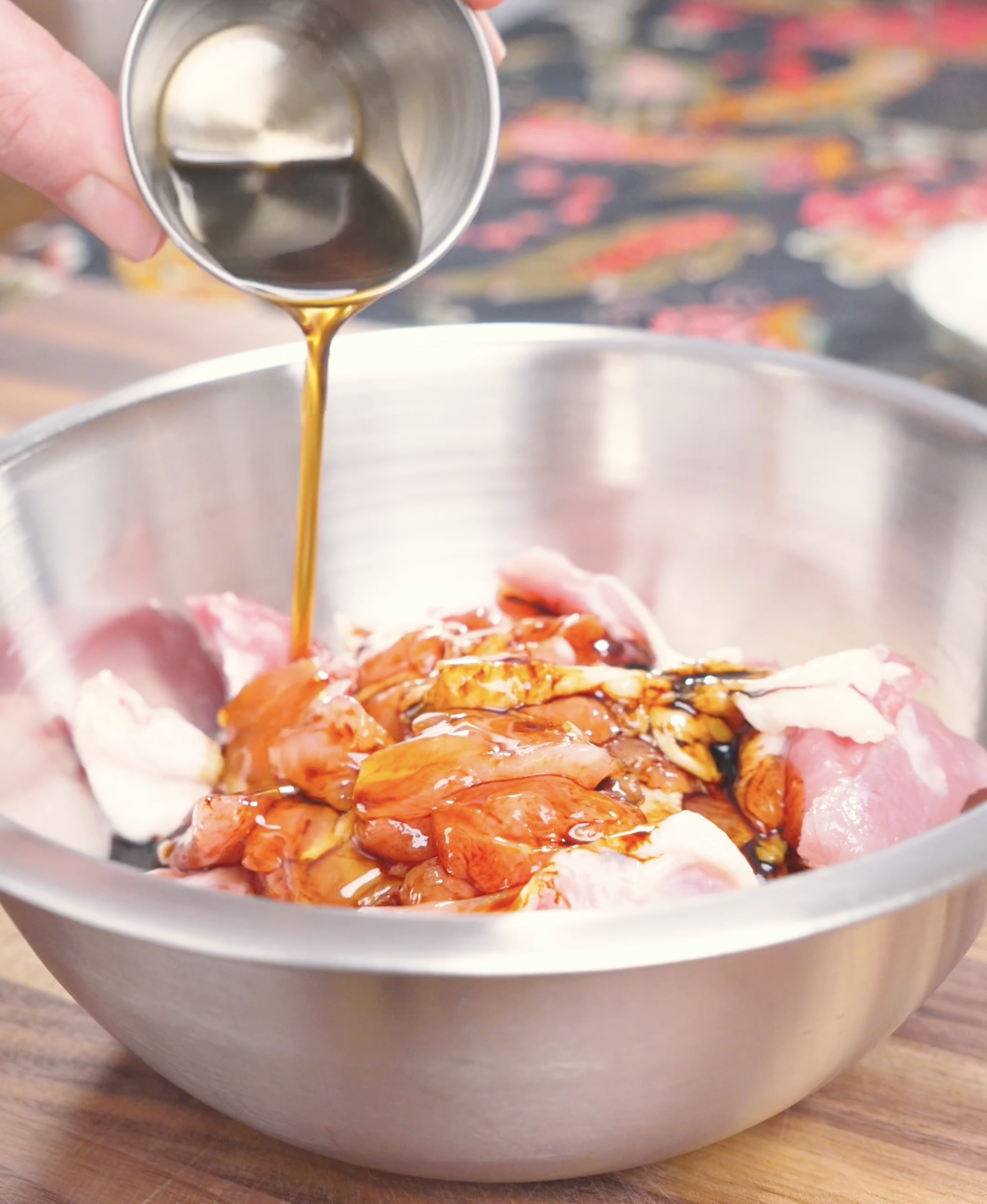
- Place the cubed chicken thighs in a bowl and combine with the dark soy sauce, light soy sauce, sesame oil, sugar, rice vinegar, garlic, and ginger. Mix well and marinate for at least 15 minutes, or ideally 1 hour.
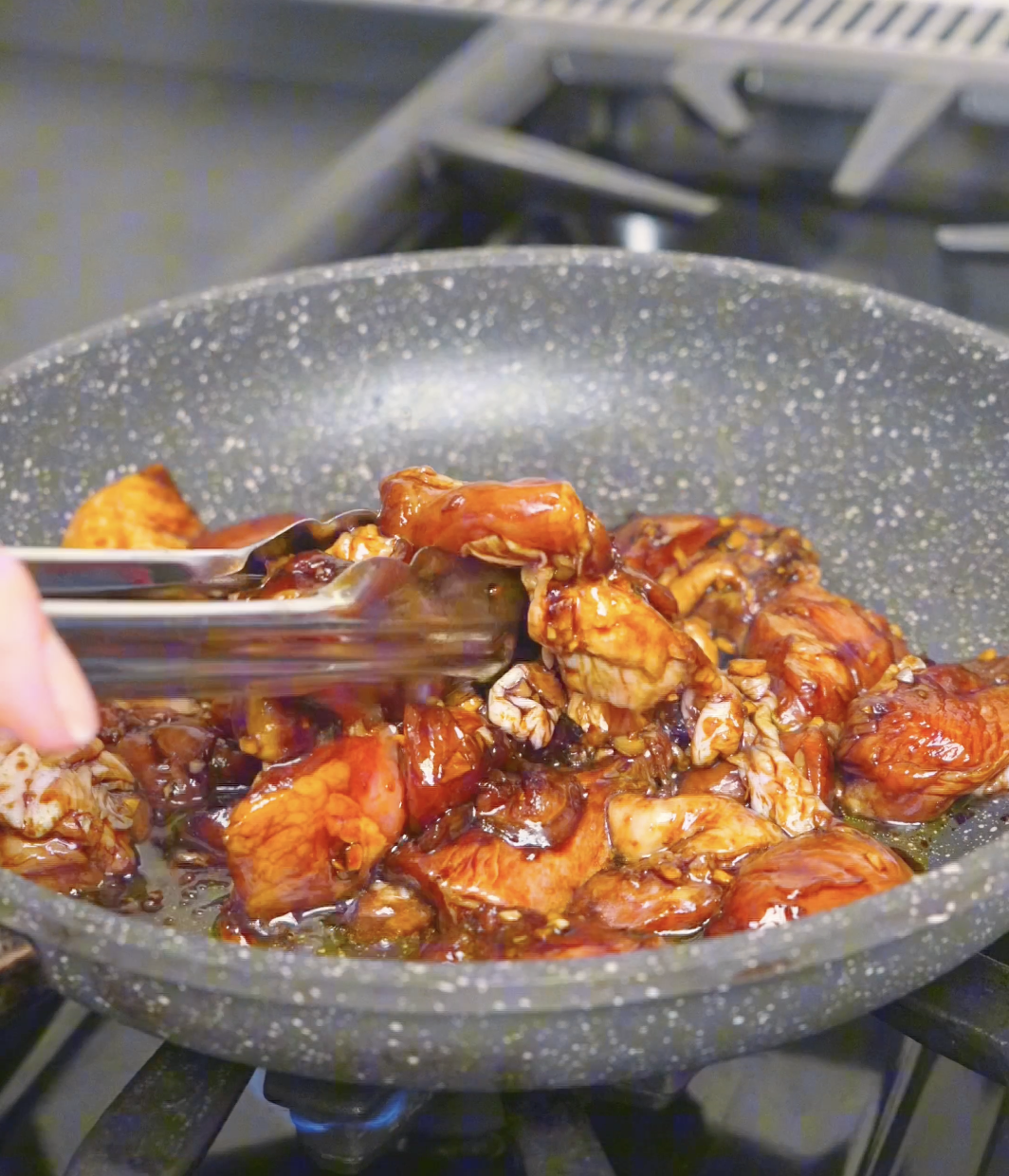
- Heat a pan over medium heat with a bit of oil. Add the marinated chicken along with the marinade and cook for about 8 minutes, flipping halfway through and stirring slightly, until the chicken is cooked through and the sauce has reduced into a glaze.
- Remove from the heat and serve over a fresh bowl of rice.
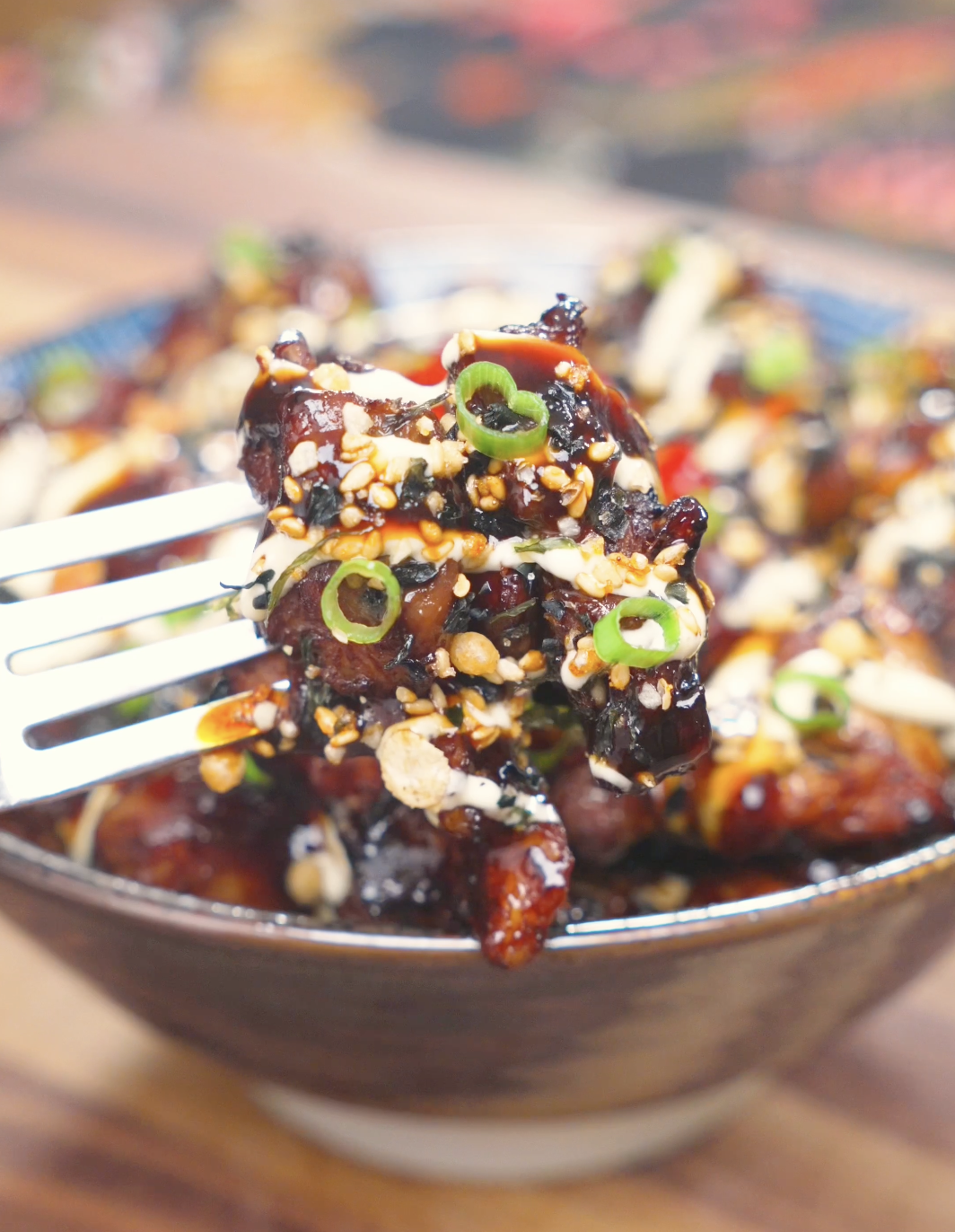
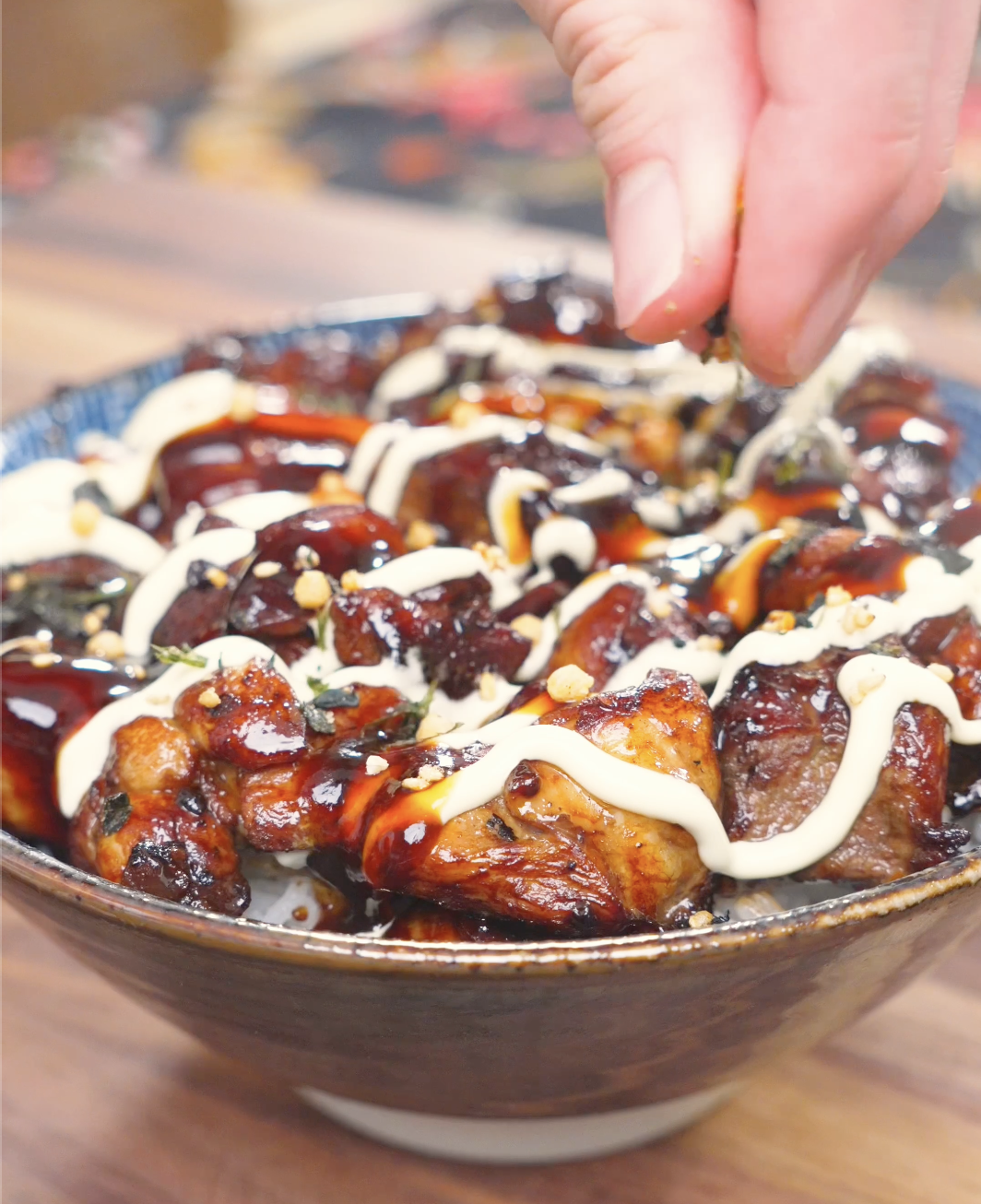
- Optionally garnish with kewpie mayo, soy glaze, furikake, scallions, and peppers.
Video
Notes
- Marinate for richer flavor. Even 15 minutes will make a huge difference!
- Use high heat. A hot pan helps the sauce reduce quickly into a sticky glaze rather than simmering into a thin, watery liquid.
- Mince the garlic and ginger finely so they cook evenly and infuse the sauce without any large, overpowering bites.
- Let the sauce cling to the chicken. Once it starts to thicken, keep tossing so every piece is evenly coated.
Nutrition
Nutrition information is automatically calculated, so should only be used as an approximation.
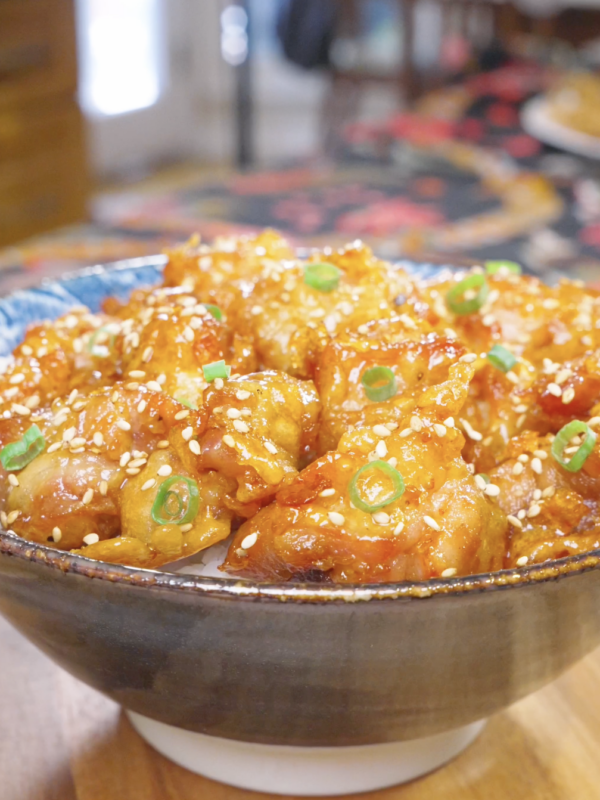
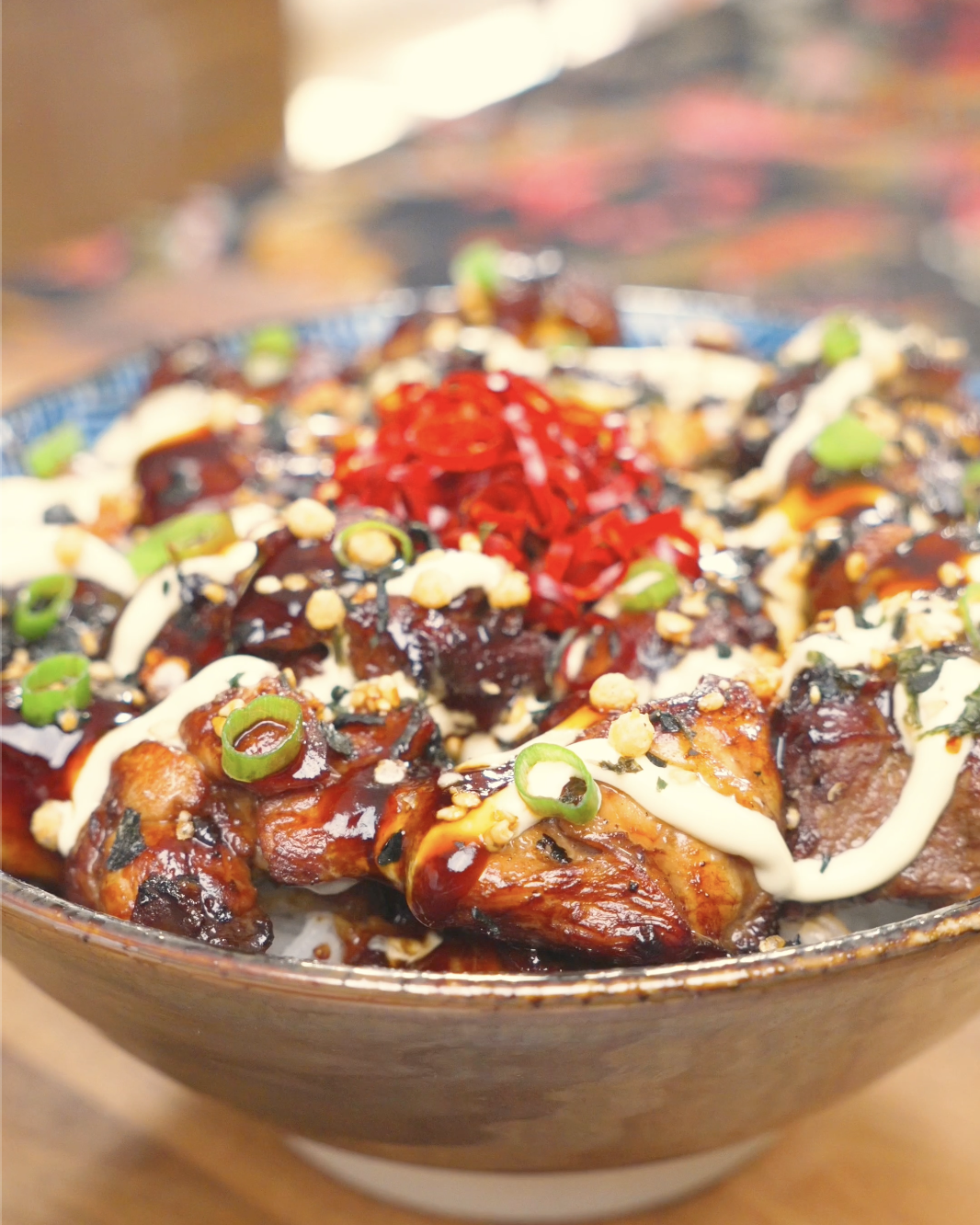
My deliciously simple Garlic Teriyaki Chicken recipe is about to make your weeknights extra yummy. Juicy, tender chicken thigh pieces are simmered in a garlic teriyaki sauce until glossy, then served over a bowl of steamed rice. Feel free to keep it simple, or go for a full-on restaurant-style experience by loading up with a drizzle of kewpie mayo and sticky soy glaze, a sprinkle of furikake and scallions, and sliced bell peppers. Best of all, this whole dish comes together in one pan and about 20 minutes, making it the kind of meal you can pull off even on your busiest nights. It’s the perfect balance of sweet, savory, and garlicky goodness that’ll have everyone asking for seconds.
Table of Contents
- Garlic Teriyaki Chicken Recipe
- Why You’ll Crave This Chicken Teriyaki Rice Recipe
- Ingredients & Substitutions
- Authentic Teriyaki Chicken vs. Garlic Teriyaki Chicken
- How to Make Chicken Teriyaki Don
- Optional Variations & Dietary Adaptations
- Expert Tips & Tricks
- Serving Suggestions
- Storage & Reheating
- FAQs
- More Chicken Stir-Fry Recipes
Why You’ll Crave This Chicken Teriyaki Rice Recipe
This chicken teriyaki don recipe earns a permanent spot in your dinner rotation because it’s basically foolproof. There’s no marinating overnight, no hard-to-find ingredients, just a few pantry staples that come together into something that tastes like takeout. The sauce does all the heavy lifting, caramelizing into a sticky, garlicky glaze that clings to every piece of chicken. It’s also endlessly flexible: swap in your favorite veggies, adjust the sweetness or heat to your taste, and it still turns out great every time. Whether you’re cooking for one or feeding a hungry family, this is the kind of recipe that turns a plain bowl of rice into something worth getting excited about.
Ingredients & Substitutions
- Boneless Skinless Chicken Thighs — Boneless teriyaki chicken thighs stay juicier and more tender than breasts, but if you prefer white meat, boneless skinless chicken breasts work too—just watch the cook time so they don’t dry out.
- Neutral Oil — Vegetable, canola, or avocado oil are all great choices here since they have a high smoke point and won’t compete with the other flavors. Avoid olive oil, as it can burn at high heat.
For the Marinade & Sauce
- Dark Soy Sauce — Adds deep color and a slightly molasses-like richness to the sauce. If you can’t find it, you can substitute with regular soy sauce plus a touch of molasses or brown sugar for color and depth.
- Light Soy Sauce — Regular all-purpose soy sauce is your main salty, savory base.
- Toasted Sesame Oil — A little goes a long way in adding nutty, aromatic depth. Make sure to use toasted (dark) sesame oil rather than the light, untoasted kind, which has a much milder flavor.
- Granulated Sugar — Balances the salty and acidic elements and helps the sauce caramelize into that glossy glaze. Brown sugar or honey can be swapped in for a slightly more caramelly sweetness.
- Unseasoned Rice Vinegar — Adds a subtle tang that brightens the sauce. Be sure to grab the unseasoned kind, since the seasoned version already has sugar and salt added, which can throw off the balance.
- Garlic — Fresh garlic is key for that punchy, aromatic flavor that gives this dish its name. Pre-minced jarred garlic works in a pinch, but freshly minced or grated will taste noticeably better.
- Fresh Grated Ginger — Adds warmth and a little zing that plays off the garlic beautifully. Ground ginger can work as a backup, but use about a third of the amount since it’s more concentrated.
Optional Garnish
- Kewpie Mayo — This Japanese mayo is creamier and slightly sweeter than Western mayo thanks to the rice vinegar and MSG in it. Regular mayo can work as a substitute, but it won’t have quite the same tang.
- Soy Glaze — A thicker, sweeter drizzle that adds extra shine and umami on top of the dish. Store-bought unagi sauce or reduced teriyaki sauce are good stand-ins.
- Furikake — This Japanese rice seasoning blend (usually nori, sesame seeds, and sometimes bonito flakes) adds crunch and umami. Toasted sesame seeds are a simple substitute if you don’t have any on hand.
- Scallions — Thinly sliced for a fresh, sharp bite and pop of color.
- Peppers — Sliced bell peppers add crunch and color; feel free to swap in whatever veggies you have on hand, like snap peas or shredded carrots.
- Steamed Rice — Classic short-grained white rice is the traditional base, but jasmine, brown rice, or even cauliflower rice all work well if you want to switch things up.
This is just a short review of the ingredients; for the complete recipe, including quantities, scroll down to the recipe card 👇
Authentic Teriyaki Chicken vs. Garlic Teriyaki Chicken
Traditional Japanese teriyaki chicken keeps things simple: just soy sauce, mirin, sake, and sugar simmered together into a glossy, sweet-savory glaze that lets the chicken speak for itself. This garlic teriyaki version takes that classic base and turns up the volume, loading in fresh garlic and ginger for a punchier, more aromatic bite. Consider it a bolder, more flavor-packed spin on a dish you already know and love.
How to Make Chicken Teriyaki Don
Place the cubed chicken thighs in a bowl and combine with the dark soy sauce, light soy sauce, sesame oil, sugar, rice vinegar, garlic, and ginger. Mix well and marinate for at least 15 minutes, or ideally 1 hour.
Heat a pan over medium heat with a bit of oil. Cook teriyaki chicken along with the marinade for about 8 minutes, flipping halfway through and stirring slightly, until the chicken is cooked through and the sauce has reduced into a glaze.
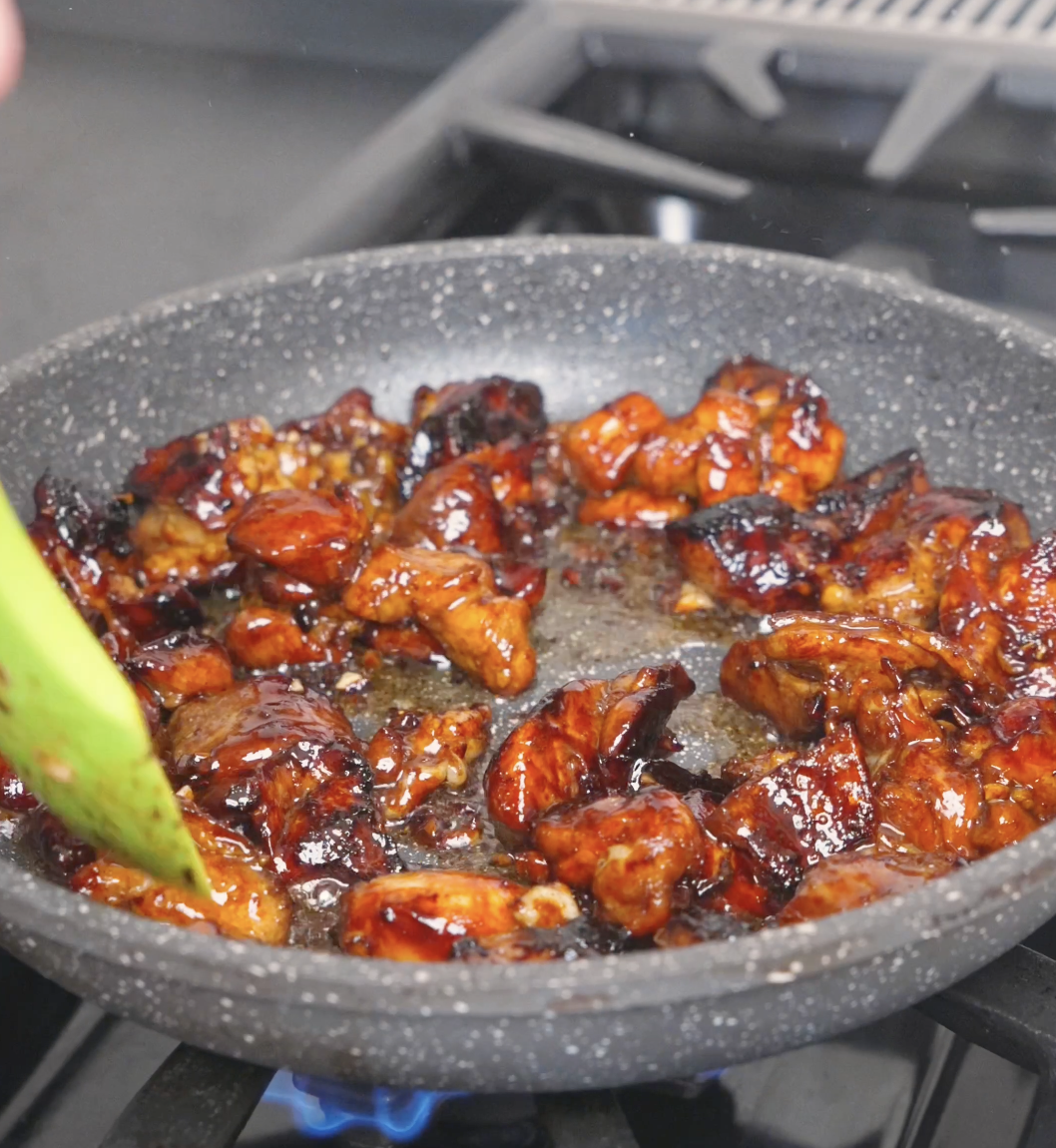
Remove from the heat and serve over a fresh bowl of rice.
Optionally garnish with kewpie mayo, soy glaze, furikake, scallions, and peppers.
More of a visual learner? Check out my video recipe below. 👇
Optional Variations & Dietary Adaptations
- Gluten-Free — Use tamari, coconut aminos, or Bragg’s liquid aminos in place of soy sauce. Note that coconut aminos are slightly sweeter than soy sauce, so you may need to adjust how much sweetener you add.
- Soy-Free — Coconut aminos are your best bet!
- Protein Swap — Boneless skinless chicken breasts, shrimp, or thinly sliced beef or pork all work well in place of chicken thighs. Just adjust cook times accordingly since they cook faster (or slower, in the case of beef).
- Vegetarian — Swap the chicken for extra-firm tofu, tempeh, or a mix of hearty vegetables like mushrooms and cauliflower.
- Add Veggies — Broccoli, snap peas, carrots, or bell peppers can be tossed in during the last few minutes of cooking for extra color, crunch, and nutrition.
- Extra Spicy — Add a pinch of red pepper flakes, a drizzle of chili crisp, or a spoonful of sriracha to the sauce for a spicy-sweet kick.
- Extra Crispy — Take a page from my crispy teriyaki chicken recipe by coating the chicken in cornstarch and air frying it before tossing with the garlic teriyaki sauce.
- Reduced Sugar — Cut back on the granulated sugar or swap in a sugar substitute if you’re watching your sugar intake.
Expert Tips & Tricks
- Marinate for richer flavor. Even 15 minutes will make a huge difference!
- Use high heat. A hot pan helps the sauce reduce quickly into a sticky glaze rather than simmering into a thin, watery liquid.
- Taste and adjust the sauce. Everyone’s soy sauce and sugar preferences are a little different, so taste the sauce before it fully reduces and tweak the sweetness, saltiness, or acidity to your liking.
- Mince the garlic and ginger finely. This helps them cook evenly and infuse the sauce without any large, overpowering bites.
- Let the sauce cling to the chicken. Once the sauce starts to thicken, keep tossing the chicken so it’s evenly coated in that glossy glaze rather than pooling at the bottom of the pan.
- Rest before serving. Let the chicken sit for a minute or two after cooking so the glaze can set slightly and the juices redistribute.
Serving Suggestions
The simplest way to enjoy this garlic teriyaki chicken is spooned over a bowl of steamed white or brown rice, letting the extra sauce soak in, then finished with a sprinkle of sesame seeds, furikake, or sliced scallions for a little texture and color.
For something more substantial, turn it into a loaded rice bowl with a drizzle of Kewpie mayo, quick-pickled vegetables, or a soft-boiled egg on top. You can also swap the rice for soba, teriyaki stir fried udon, or rice noodles for a heartier, slurpable version of the same flavors.
If you’re after something lighter, spoon the chicken into butter lettuce or romaine leaves for a fresh, low-carb wrap, brightened with herbs and a squeeze of lime. It also holds up beautifully as a meal-prep option—just portion it into containers with rice and steamed or roasted vegetables like broccoli, snap peas, or carrots for easy lunches throughout the week.
Storage & Reheating
- Refrigerator: Let the garlic teriyaki chicken cool to room temperature before transferring it to an airtight container, then refrigerate for up to 3-4 days.
- Freezer: If you’d like to keep it longer, it freezes well for up to 2-3 months. Just store it in a freezer-safe container or bag, ideally with a bit of the sauce to keep the chicken moist, and thaw it overnight in the refrigerator before reheating.
- Reheating: A skillet on medium-low heat works best: add a splash of water or extra sauce and warm the chicken gently, stirring occasionally, until heated through and the glaze loosens back up. The microwave is a faster option. Cover the container loosely and heat in short bursts, stirring in between, to avoid drying out the chicken or making the sauce separate. Avoid reheating at very high heat, since the sugar in the glaze can scorch quickly and turn bitter.
FAQs
Are you supposed to marinate teriyaki chicken?
Marinating is optional but recommended. Even 15-30 minutes helps the chicken absorb the soy, garlic, and ginger flavors before cooking, and longer (a few hours, up to overnight) gives deeper flavor. That said, many teriyaki recipes skip marinating entirely and instead cook the chicken directly, then simmer it in the sauce until it forms a glaze. This works well too since the sauce itself carries most of the flavor.
Do you put teriyaki sauce on chicken before or after cooking?
The sauce goes on before cooking (as the marinade) and stays on during cooking (as the simmering liquid that reduces into a glaze). No separate “after” step needed: the sauce that clings to the chicken as it simmers down is your final glaze. Just keep the heat moderate so the sugars reduce and caramelize rather than scorch.
Does garlic go well with teriyaki?
Heck yeah! Garlic adds a savory, aromatic punch that complements the sweet-salty soy/mirin base without overpowering it. It’s a common addition in many teriyaki recipes precisely because it enhances the umami side of the flavor profile while the sugar and mirin keep the sweetness balanced.
More Chicken Stir-Fry Recipes
Craving more chicken? Try my Teriyaki Chicken, Mongolian Chicken, or Chicken and Broccoli!