Mapo Tofu Recipe
Ingredients
- 14 oz silken tofu, cut into rough chunks
- 8 oz ground pork or chicken
- Neutral oil, for cooking
- 8 dried chilies
- 3 cloves garlic, minced
- 1 tbsp grated ginger
- 1 tsp Sichuan pepper powder
For the Sauce
- 2 tbsp spicy bean paste (doubanjiang)
- ½ tsp MSG
- 1 cup water
For the Slurry
- 1 tbsp cornstarch
- 2 tbsp cold water
Optional Garnish
- Chili oil
- Scallions
- Steamed rice
Instructions
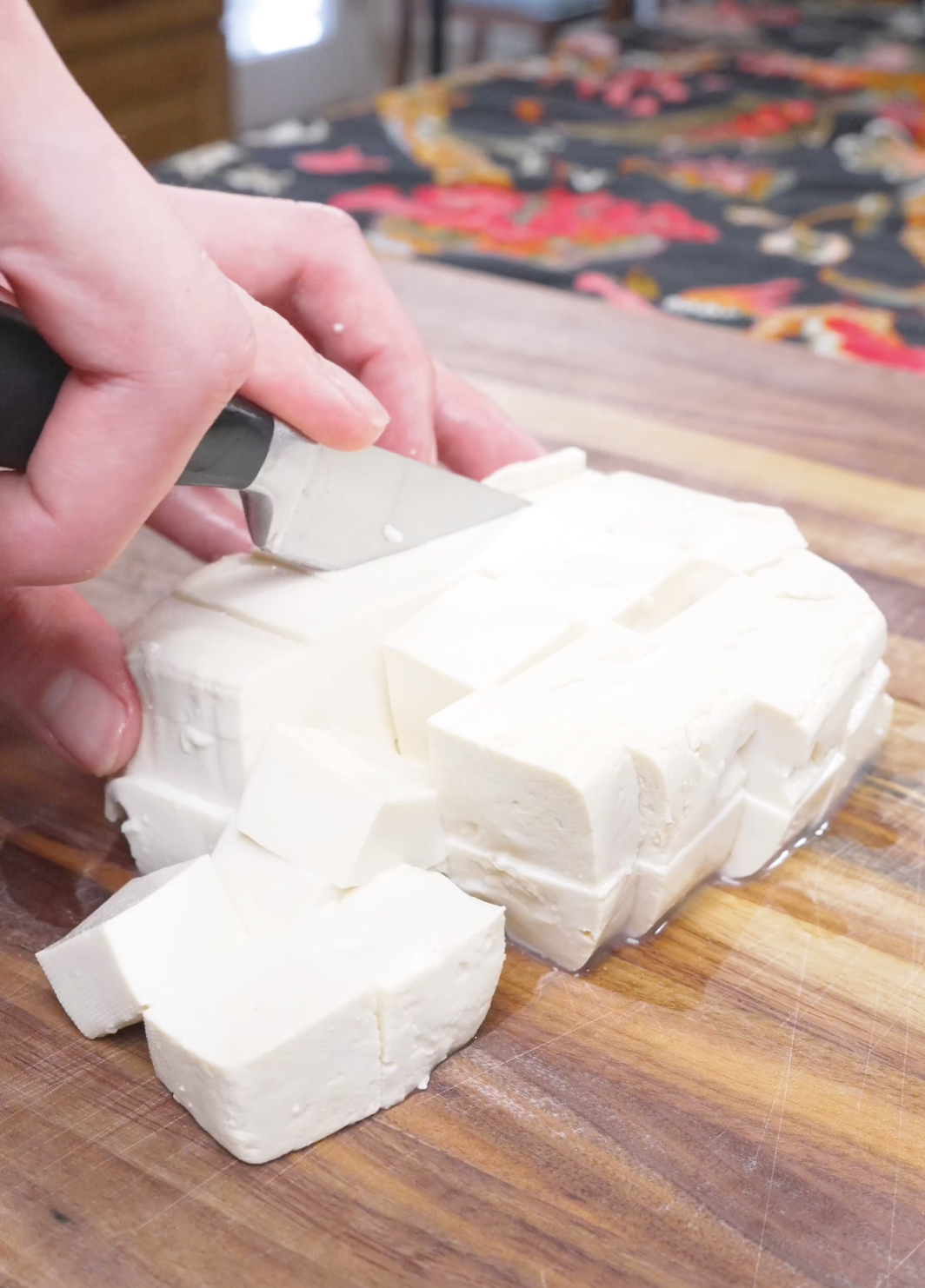
- Slice the silken tofu into rough chunks and set to the side.
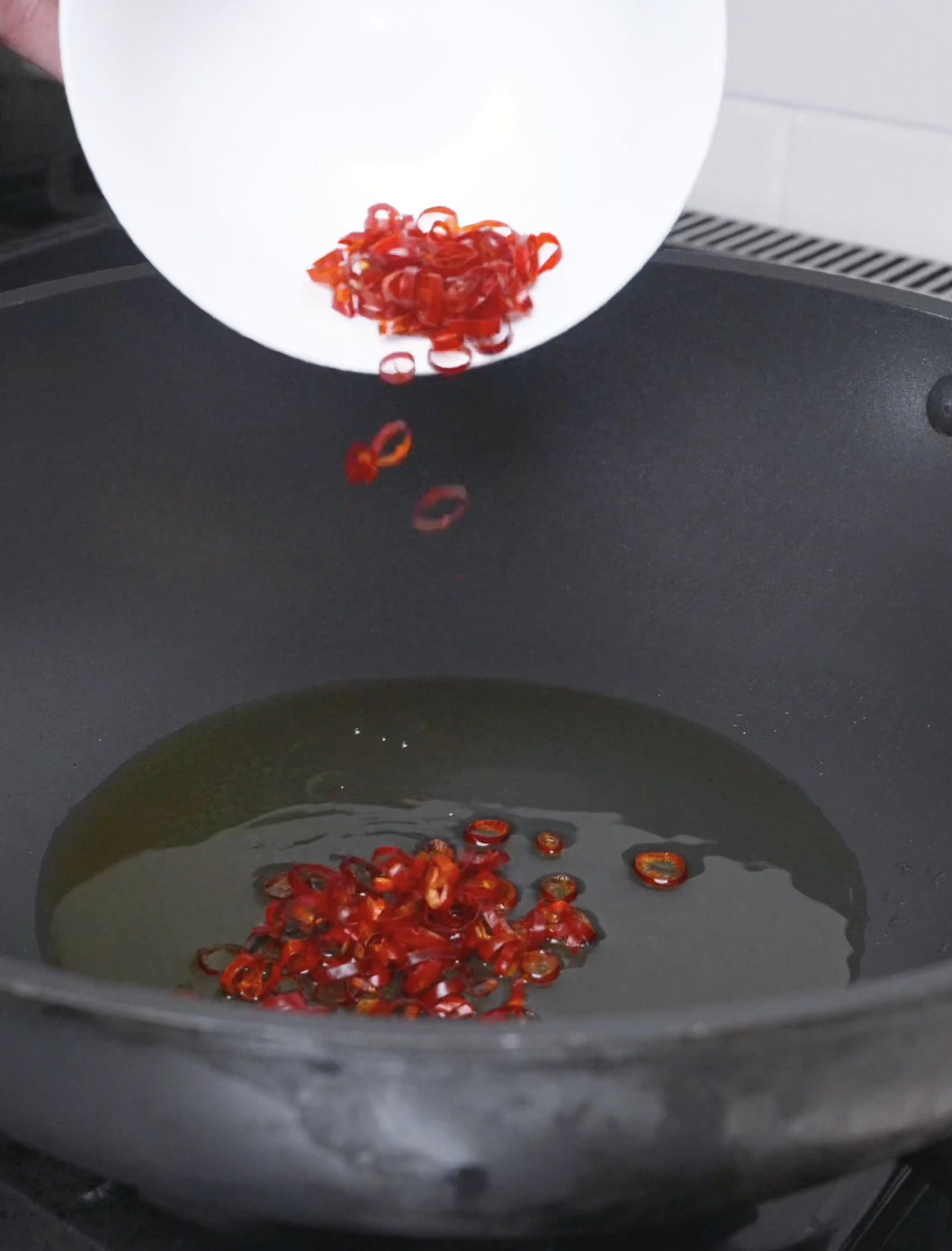
- Heat a pan over medium heat with a bit of oil. Add the dried chilies and toast for 30 seconds, then remove just the chilies and set them aside.
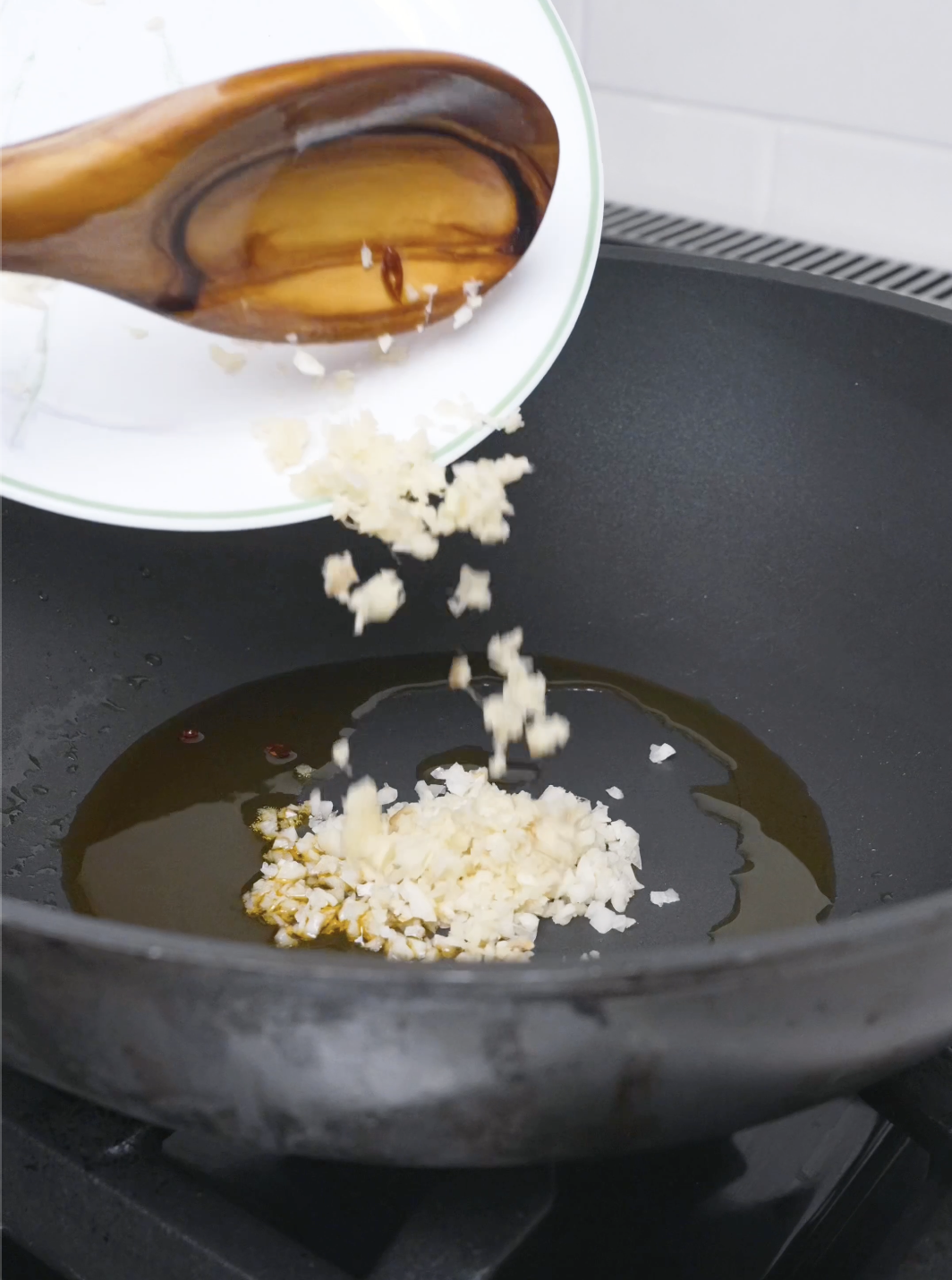
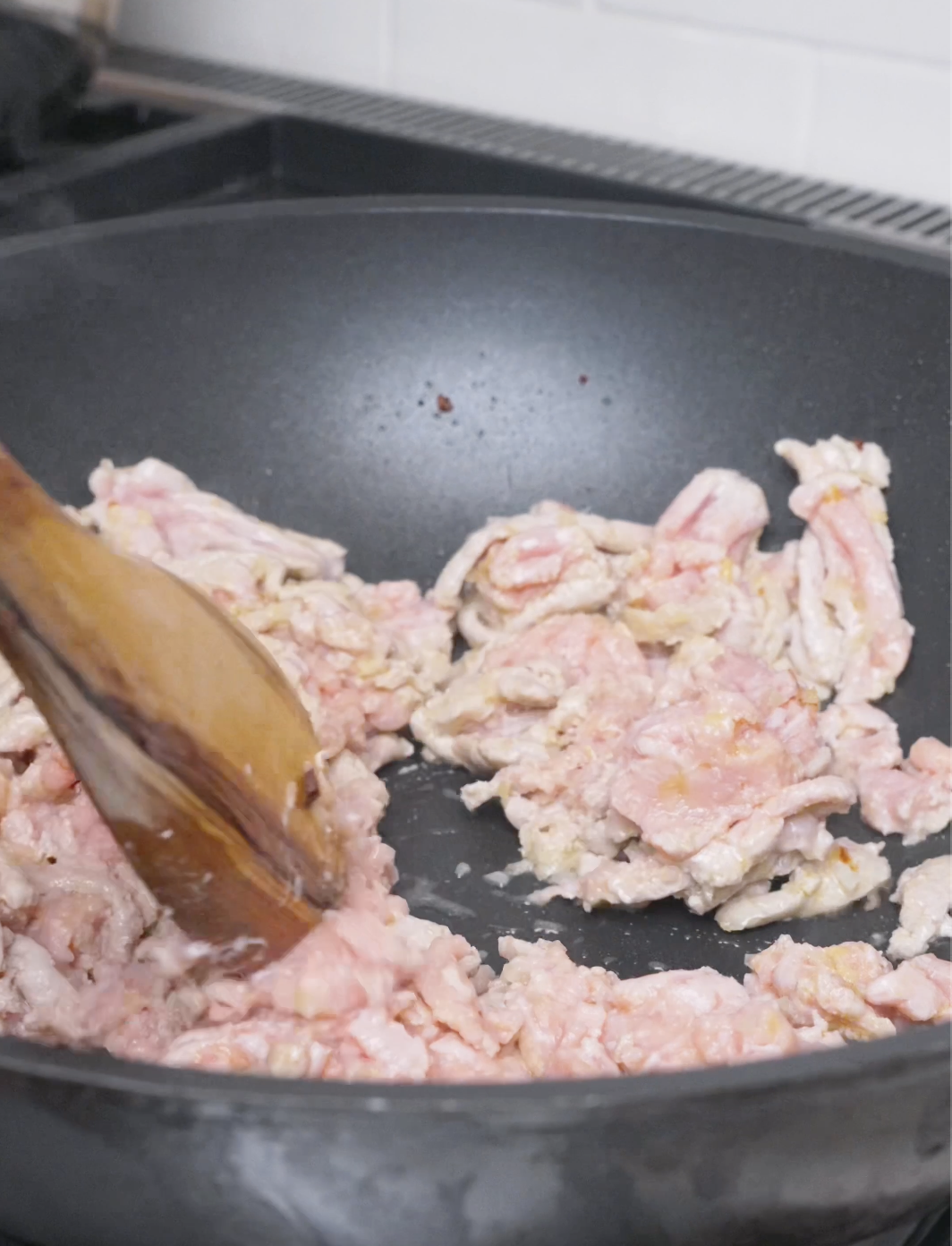
- In the same oil, add the minced garlic and ginger and cook until fragrant. Add the ground pork and cook until mostly browned.
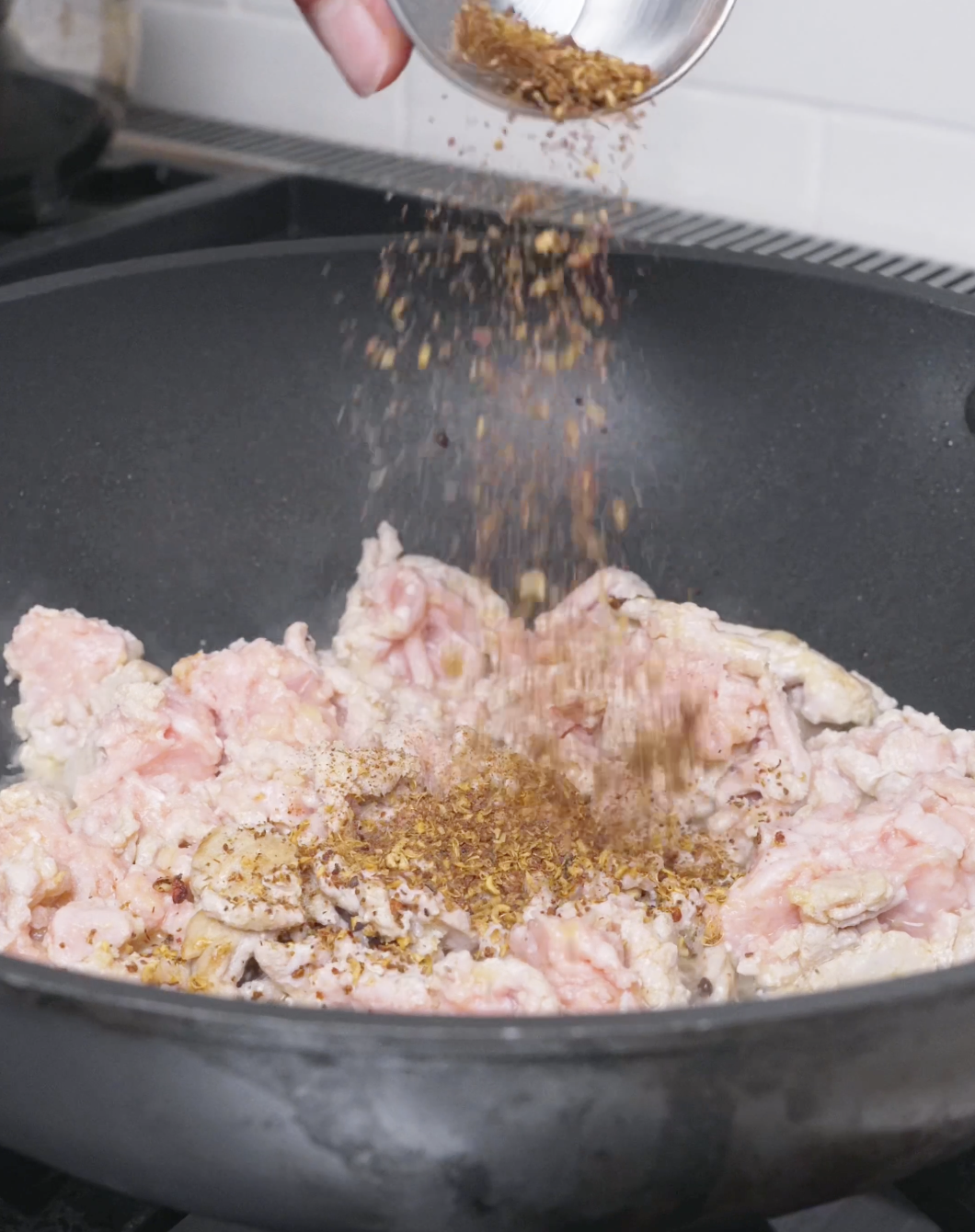
- Add the Sichuan pepper powder and mix it into the meat.
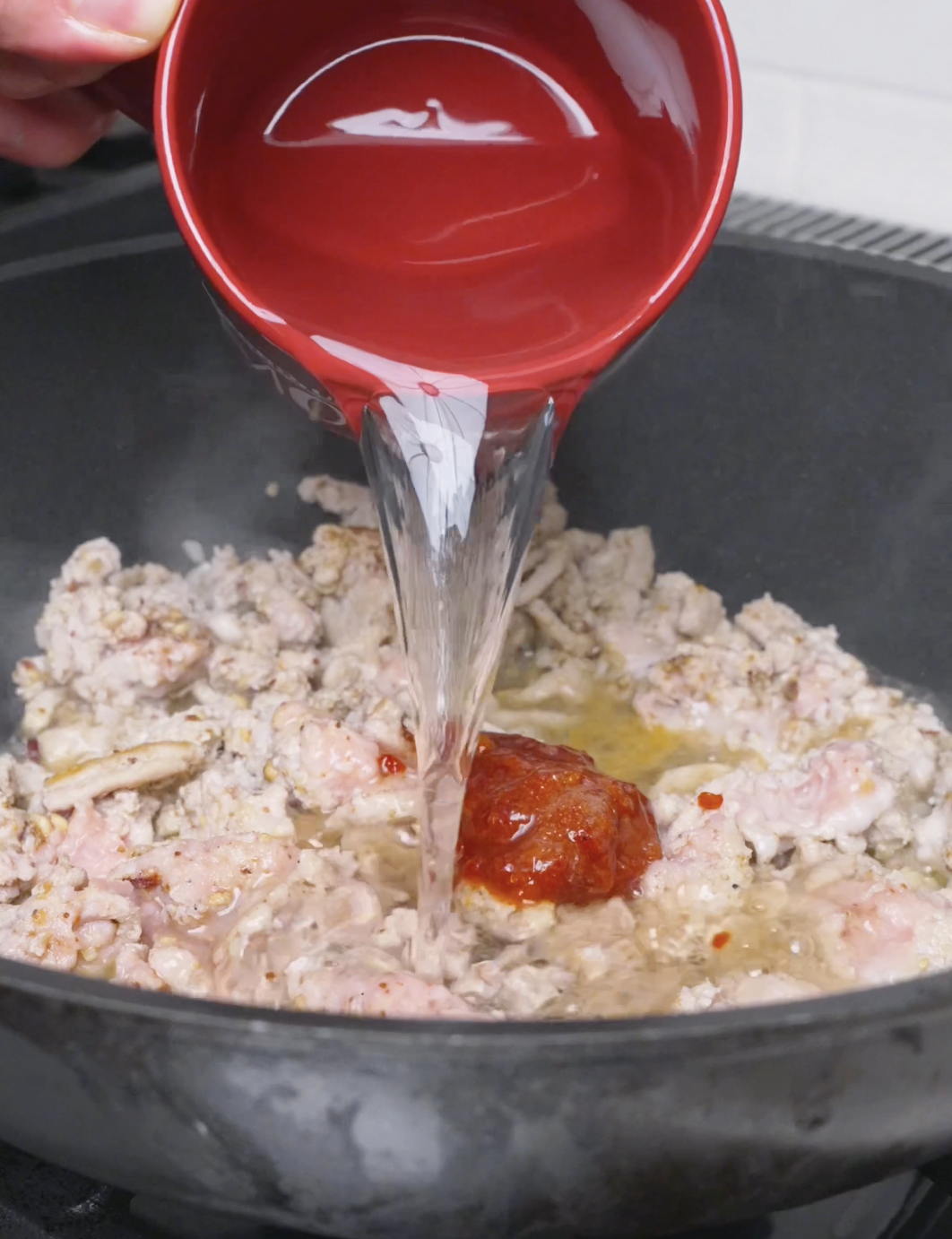
- Add the spicy bean paste, MSG, and water, and bring everything to a simmer.
- Add the tofu along with the cornstarch slurry and the toasted chilies, stirring gently so the tofu stays in chunks. Remove from the heat once the sauce has thickened.
- Serve over a fresh bowl of rice. Optionally garnish with more chili oil and scallions. But it’s your food, you eat it how you like.
Video
Notes
- Handle the silken tofu gently and fold rather than stir, or it will break apart.
- Blanching the tofu briefly in salted water first firms it slightly and removes any raw, beany flavor. Optional but worth trying.
- Bloom the chilies, Sichuan pepper and bean paste in the oil before adding liquid — that’s where the depth comes from.
- Add the slurry gradually so you can control how thick the sauce gets.
- Bean pastes vary a lot by brand, so taste before serving.
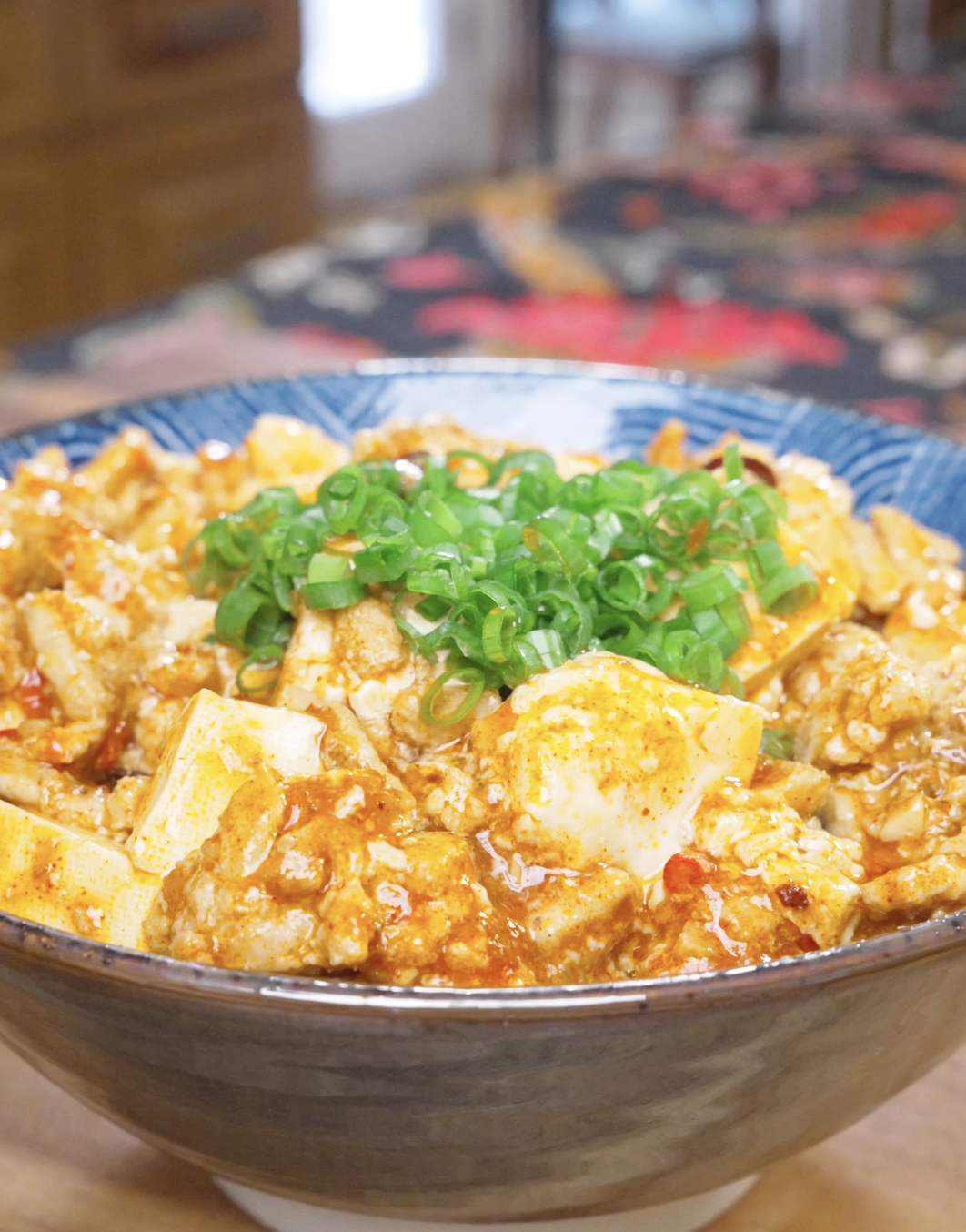
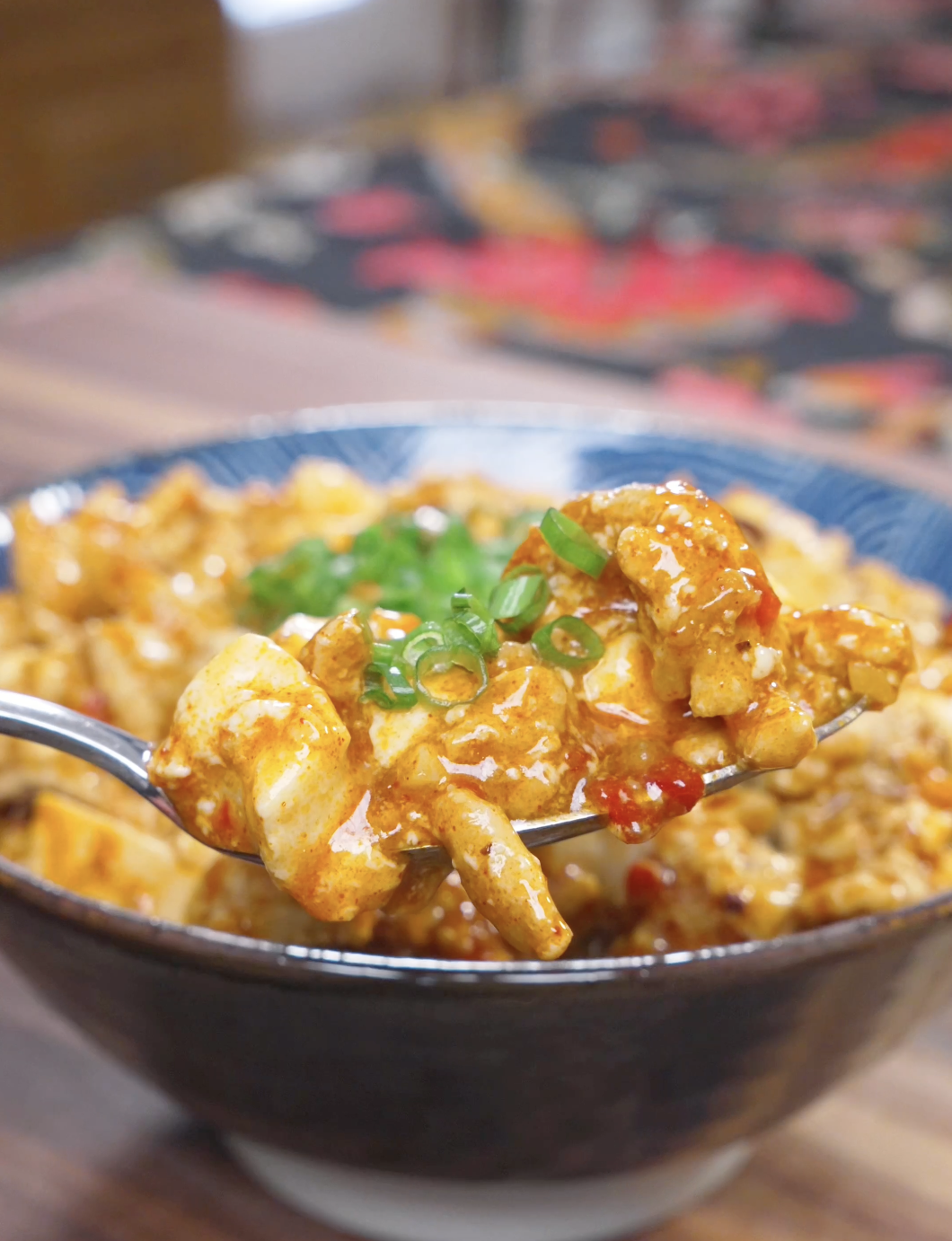
My easy Mapo Tofu recipe will turn even the pickiest eaters into tofu believers, thanks to its irresistible combination of silky tofu, savory ground meat, and a rich, numbing, chili-laced sauce that coats every single bite. It’s a meal full of contrast—the gentle, custardy texture of the tofu against the bold, tingling heat of Sichuan peppercorns and chili oil, all pulled together with deeply savory notes of fermented bean paste and garlic. While it might look like something only available at your favorite Sichuan restaurant, mapo tofu is actually surprisingly simple to make at home, requiring just a handful of simple ingredients and about 25 minutes of your time. Whether you’re already a longtime fan chasing the perfect balance of heat and flavor, or you’re completely new to Sichuan cooking and curious what all the fuss is about, you’re about to find yourself craving it all the time!
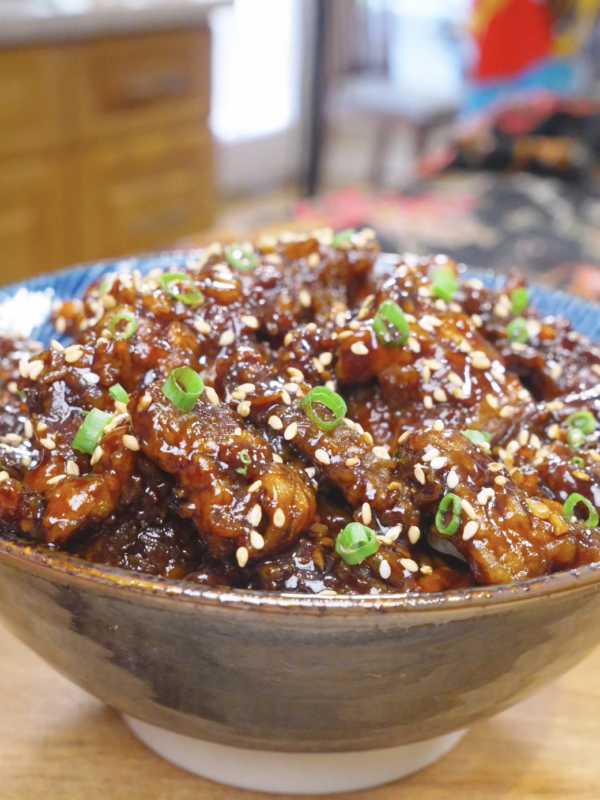
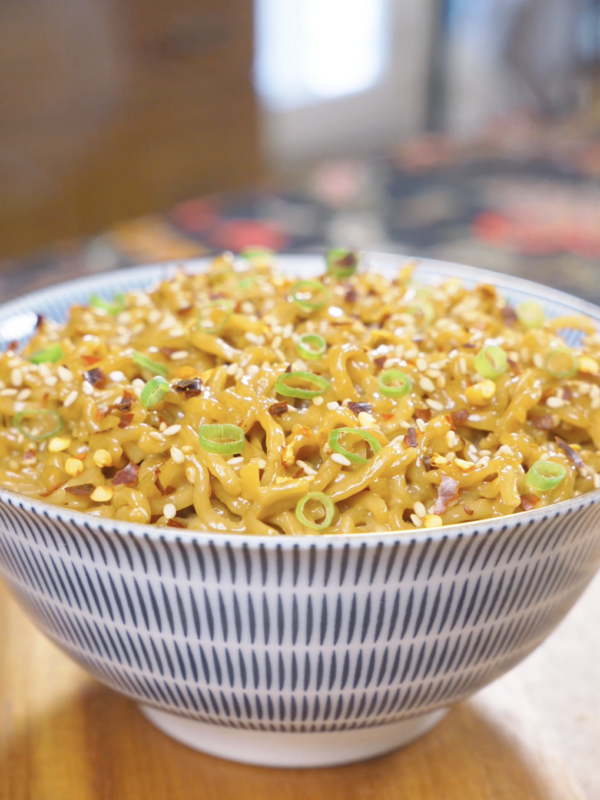
Love tongue-tingling heat as much as I do? Check out my spicy salmon bowl, spicy garlic noodles and spicy Korean beef recipes next!
Why You’ll Crave Chinese Mapo Tofu
There’s a reason this dish has earned cult status far beyond its Sichuan origins—it hits nearly every craving at once. The mapo tofu sauce alone is a masterclass in layered flavor, built from the funky depth of fermented bean paste, the toasty warmth of dried chilies, and the tingling buzz from Sichuan peppercorns. It’s a combo that keeps you reaching for another bite even as your lips go numb! This yummy, easy dinner is comfort food and adventure food rolled into one bowl, equally satisfying whether you’re nursing a cold or just want something with a little kick on a weeknight. The ground pork adds richness and savory depth, while the tofu soaks up all the bold sauce without losing its delicate, custardy texture. That textural contrast is what makes this dish so much more interesting than your average stir-fry. And because it comes together in one pan in about the time it takes to cook rice, it’s the kind of recipe you’ll want in your regular rotation!
Ingredients & Substitutions
- Silken Tofu – This is what gives mapo tofu its signature silky, almost custard-like texture, so try to resist the urge to swap in firm tofu. If silken isn’t available, soft tofu is your next best bet—just handle it gently since it’s delicate and breaks apart easily.
- Ground Pork or Chicken – Pork is the traditional choice and brings a nice richness to the dish, but ground chicken works beautifully if that’s what you have on hand or prefer. You can also use ground beef or turkey, or skip the meat entirely and use crumbled mushrooms or a plant-based ground “meat” for a vegetarian version.
- Neutral Oil – Anything with a high smoke point and mild flavor works here. Vegetable, canola, or avocado oil are all great choices. You just want something that won’t compete with the bold flavors of the sauce.
- Dried Chilies – These add a smoky, toasty heat that forms the backbone of the dish’s flavor. If you can’t find dried chilies, a few shakes of red pepper flakes or a drizzle of chili oil can stand in, though you’ll lose a bit of toasted complexity.
- Garlic – Fresh is best for that punchy, aromatic flavor, but jarred minced garlic will work in a pinch if you’re short on time.
- Grated Ginger – Fresh ginger adds brightness and warmth. If fresh isn’t available, a bit of ginger paste or even a small pinch of ground ginger can fill in, though fresh really is worth it here.
- Sichuan Pepper Powder – This is the ingredient responsible for that famous tingling, numbing sensation (known as “ma la”), so it’s worth seeking out at an Asian grocery store or online. FWIW, whole peppercorns will keep their potency far longer than pre-ground powder, so you may want to consider grinding them yourself in a mortar & pestle or clean spice grinder.
For the Sauce
- Spicy Bean Paste (Doubanjiang) – This fermented chili bean paste is the heart and soul of mapo tofu’s flavor, so it’s really worth tracking down rather than substituting. If needed, you can mix a bit of miso paste with chili garlic sauce as a rough stand-in, though the flavor will be milder and less complex.
- MSG – This is purely optional and just here to boost the savory, umami flavor of the sauce. Feel free to leave it out if you prefer, or swap in a pinch of mushroom powder for a similar effect. Note that in some grocery stores, it may be marketed and sold as “seasoning.”
- Water – Simple as it sounds, this helps thin the sauce into the right consistency. You could use chicken or vegetable broth instead for an extra layer of flavor.
- Cornstarch – This creates the glossy, clingy sauce mapo tofu is known for. Potato starch is a great 1:1 alternative.
Optional Garnish
- Chili Oil – A drizzle on top adds extra heat, shine, and flavor, but it’s totally optional if you’d like to keep things milder. You can also swap in chili crisp for a bit of extra crunch!
- Scallions – These add a fresh, slightly sharp bite that balances all the richness. Chives make a nice substitute if scallions aren’t available.
- Steamed Rice – Short grain white rice is the classic pairing for soaking up the extra sauce, but brown rice, jasmine rice, or even noodles would all work well too.
This is just a short review of the ingredients; for the complete recipe, including quantities, scroll down to the recipe card 👇
A Primer on Tofu
Tofu is one of those ingredients that seems simple on the surface but actually comes in a wide range of textures, each suited to a different job in the kitchen. Understanding the differences can make a huge impact on how your dishes turn out, so here’s a quick breakdown of the main types you’ll encounter:
- Silken Tofu is the softest, smoothest variety, with a texture closer to a delicate custard than what most people picture when they think of tofu. It’s made without pressing out as much liquid, which gives it that signature jiggly, almost creamy consistency. This makes it perfect for dishes like mapo tofu, where you want the tofu to hold its shape just enough while still staying soft and silky, as well as for soups, smoothies, and even dairy-free desserts like puddings.
- Soft Tofu is a step firmer than silken but still delicate enough that it needs to be handled with care. It works well in soups and braised dishes where you want some tenderness without the tofu completely falling apart. It’s also the preferred variety for making agedashi tofu.
- Medium or Firm Tofu holds its shape much better and has a noticeably denser, chewier bite. This is the workhorse tofu for stir-fries, pan-frying, and braises, since it can be tossed around in a hot pan without crumbling.
- Extra-Firm Tofu has the least moisture of the bunch, giving it a dense, almost meaty texture. It’s ideal for grilling, baking, or pan-searing until crispy, and it holds up particularly well in dishes where you want distinct, sturdy cubes, like skewers or crispy tofu bowls.
- Pressed or Super-Firm Tofu goes a step further, often coming pre-pressed and ready to use straight from the package. It’s great for recipes where you want maximum crispiness or a more substantial, meat-like texture, like in stir-fries or as a protein in salads.
When it comes to this spicy mapo tofu specifically, silken tofu is the star of the show. Its soft, delicate texture is what makes the dish feel so comforting and distinct from other tofu-based recipes. But now that you know your tofu types, you’ll never be stuck wondering which one to grab for your next recipe!
How to Make Mapo Tofu
Slice the silken tofu into rough chunks and set to the side.
Heat a pan over medium heat with a bit of oil. Add the dried chilies and toast for 30 seconds, then remove just the chilies and set them aside.
In the same oil, add the minced garlic and ginger and cook until fragrant. Add the ground pork and cook until mostly browned.
Add the Sichuan pepper powder and mix it into the meat.
Add the spicy bean paste, MSG, and water, and bring everything to a simmer.
Add the tofu along with the cornstarch slurry and the toasted chilies, stirring gently so the tofu stays in chunks. Remove from the heat once the sauce has thickened.
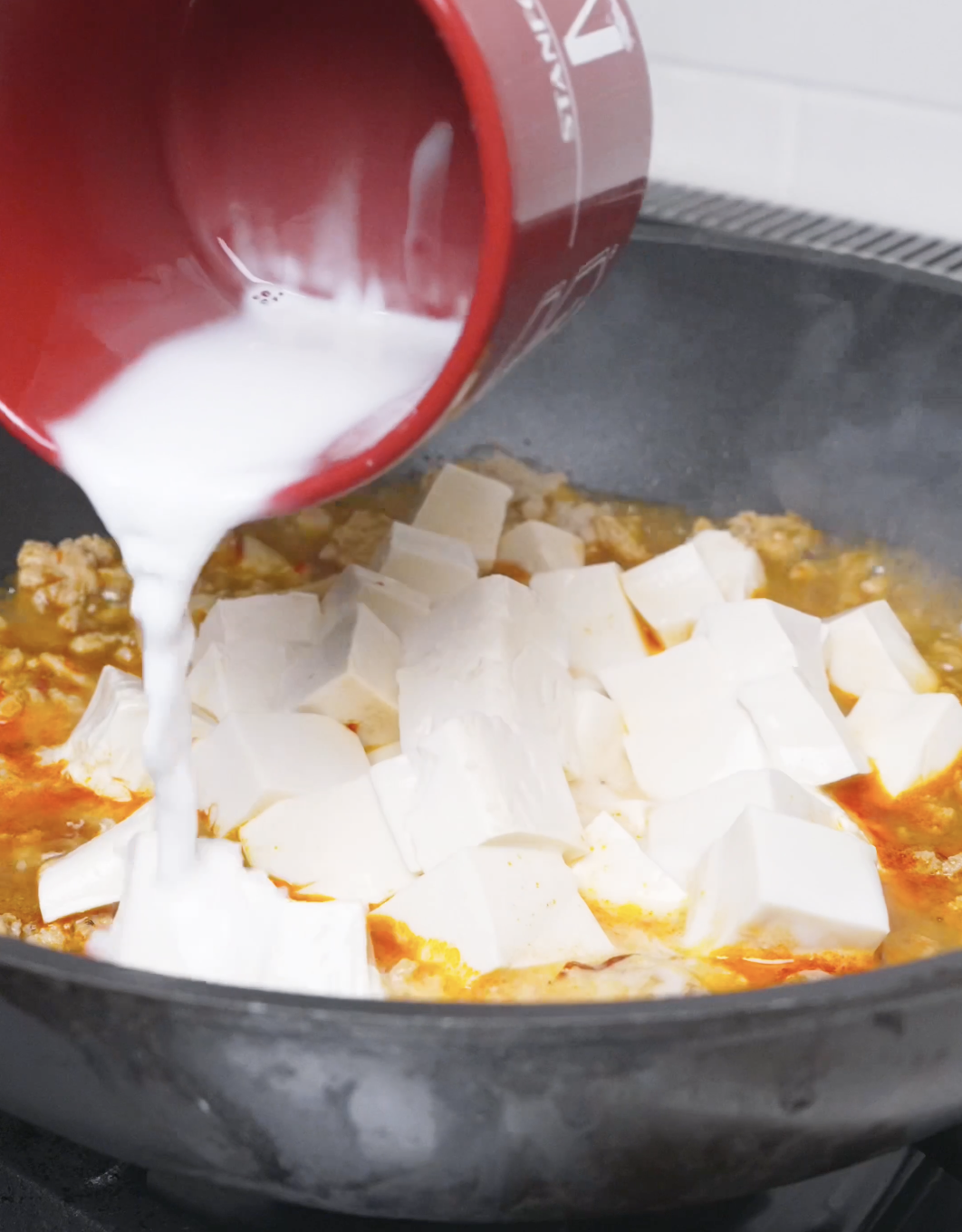
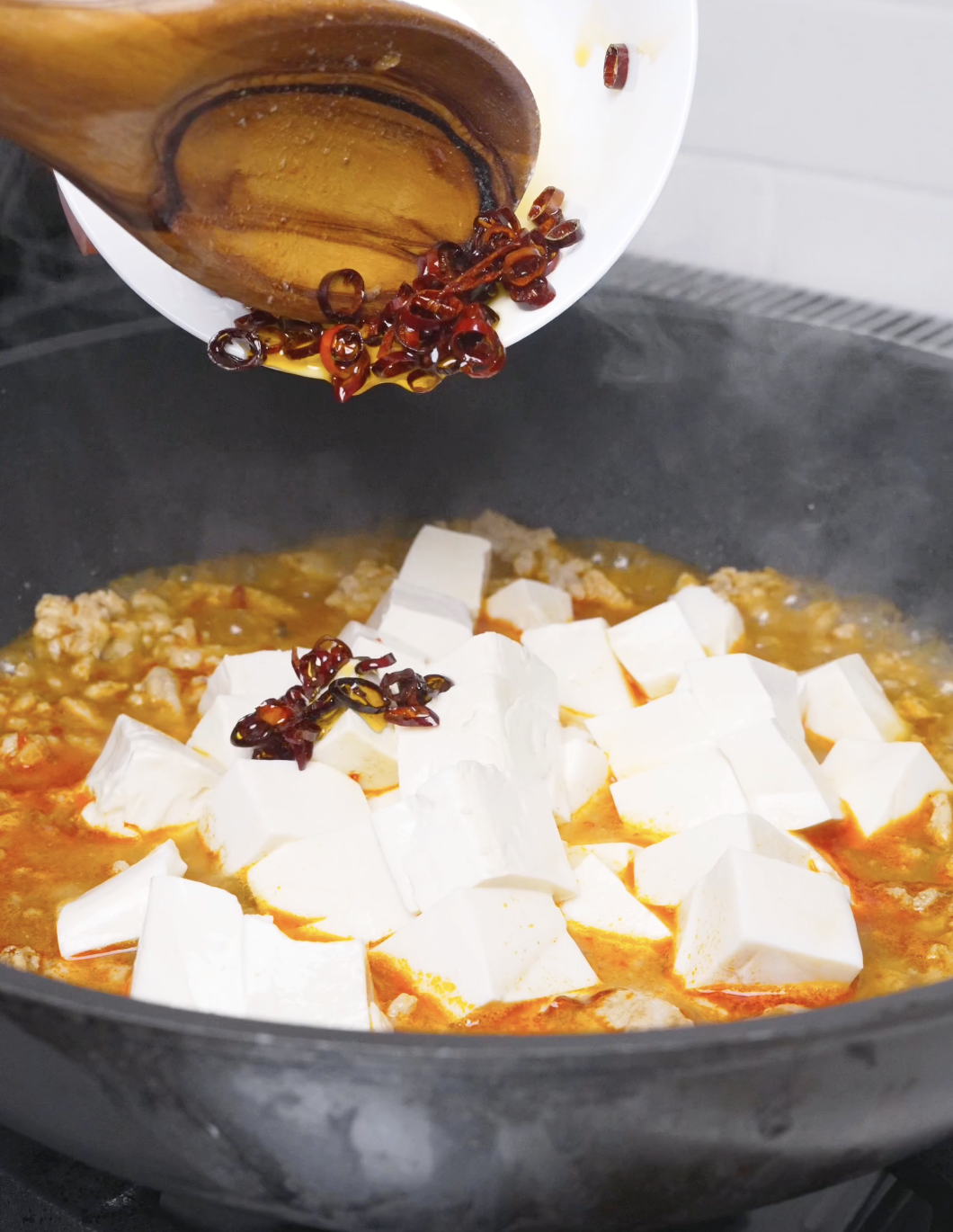
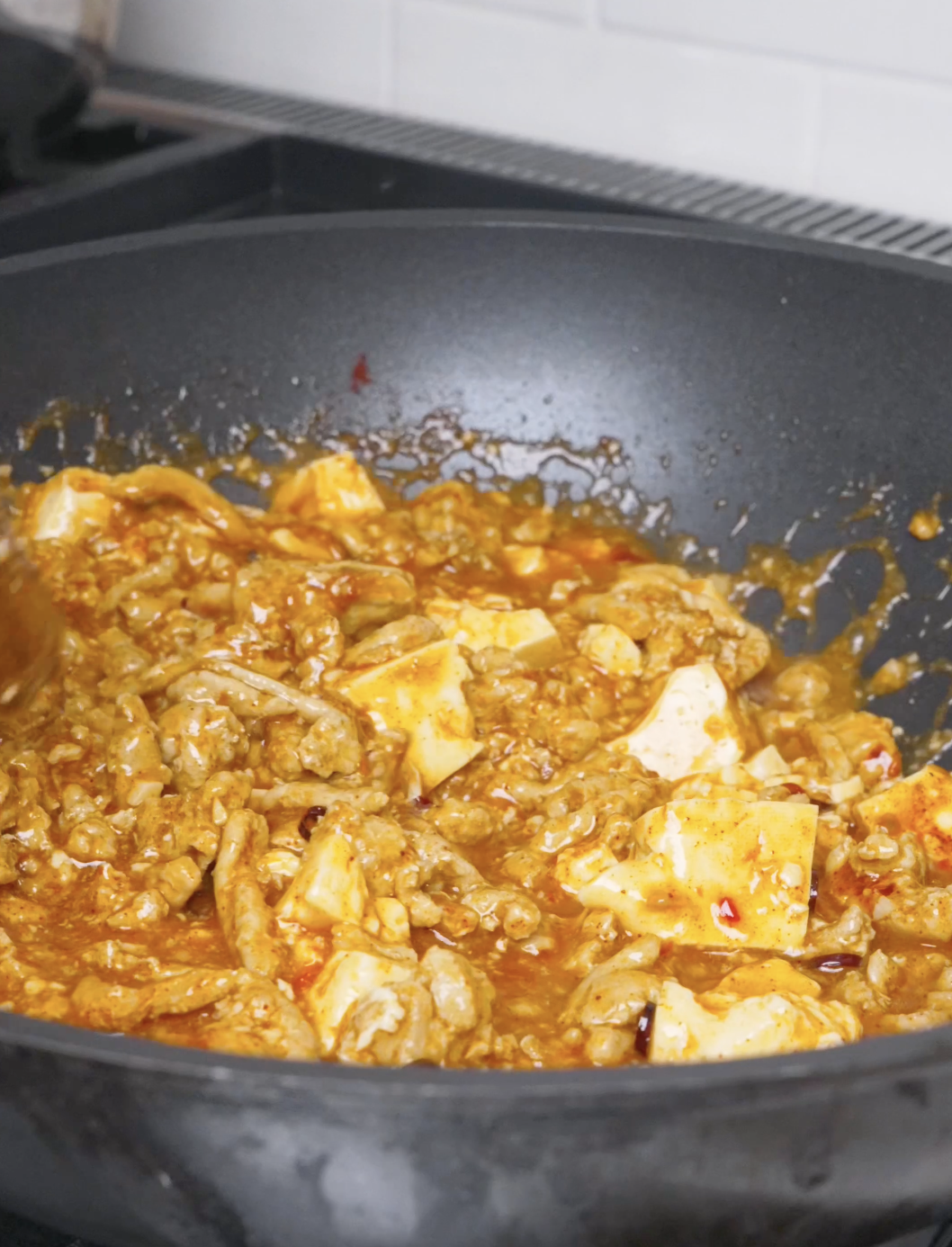
Serve over a fresh bowl of rice. Optionally garnish with more chili oil and scallions. But it’s your food, you eat it how you like.
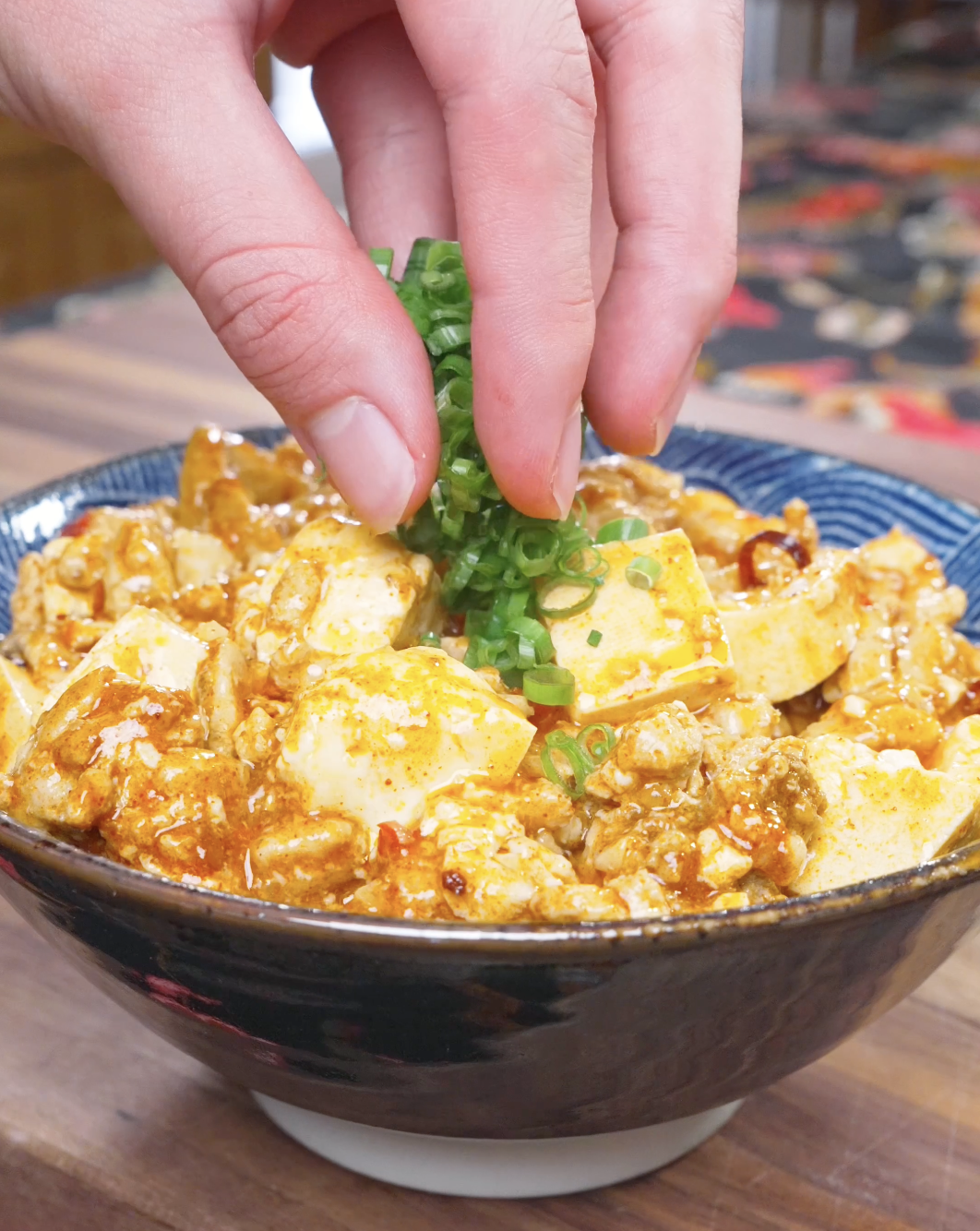
More of a visual learner? Check out my video recipe below. 👇
Optional Variations & Dietary Adaptations
Mapo tofu is pretty flexible once you understand the basic formula, so don’t be afraid to make it your own.
- Vegetarian or Vegan Mapo Tofu – Skip the meat entirely and swap in crumbled mushrooms, finely chopped mushrooms and walnuts, rehydrated TVP or use plant-based ground “meat” for a similar texture and heartiness. Just double check your bean paste, since some brands of doubanjiang contain fish or other animal products, so swap in a vegetarian-friendly version if needed.
- Gluten-Free – Make sure your spicy bean paste is labeled gluten-free, as some brands use wheat in the fermentation process.
- Non-Spicy Mapo Tofu – Simply reduce or omit the dried chilies and Sichuan pepper powder, and look for a milder doubanjiang. The dish will lose some of its signature heat and tingle, but you’ll still get plenty of rich, savory depth.
- Extra Spicy Mapo Tofu – Add more dried chilies, a spoonful of chili crisp, or extra Sichuan pepper powder to really lean into the heat and numbing sensation.
- Lower-Sodium – Cut back on the bean paste slightly and balance the flavor with a touch more water or broth, plus a splash of something acidic like black vinegar to keep the flavor bright.
- Protein Swap – Ground beef, turkey, or even finely diced shrimp can all stand in for the pork or chicken, each bringing a slightly different flavor while keeping the same comforting, saucy base intact.
Expert Tips & Tricks
- Handle the tofu gently. Silken tofu is delicate, so cut it into cubes carefully and add it to the pan toward the end of cooking. Stirring too much or too early will break it apart, so a gentle folding motion is your best friend here.
- Blanch the tofu first. Briefly simmering the tofu cubes in salted water for a minute or two before adding them to the sauce helps firm them up slightly and removes any raw, beany flavor, making for a cleaner final dish. It’s an optional step, but worth trying out!
- Toast your spices. Letting the dried chilies, Sichuan pepper powder, and bean paste cook briefly in the oil before adding liquid helps “bloom” their flavors, releasing deep, aromatic notes that make the sauce so addictive.
- Don’t skip the doubanjiang. This fermented bean paste is non-negotiable for authentic mapo tofu flavor, so take the time to find it at an Asian grocery store or online.
- Thicken in stages. Add your cornstarch slurry gradually and let the sauce come to a gentle simmer between additions. This gives you better control over the consistency so you don’t end up with a sauce that’s too thick or too thin.
- Taste as you go. Since bean pastes and chili products vary quite a bit in saltiness and heat from brand to brand, it’s worth tasting your sauce before serving and adjusting with a little extra water, soy sauce, or chili oil as needed.
- Serve immediately. Mapo tofu is best enjoyed fresh off the stove while the sauce is still glossy and the tofu is warm and tender, so have your rice ready to go before you start cooking.
Serving Suggestions
Mapo tofu is, at its heart, a rice dish. The whole point of that glossy, savory sauce is to soak into a steaming bowl of freshly cooked white rice until every grain is coated. That said, mapo tofu noodles are also delightful! Swap in some tangly ramen or wide rice noodles for a fun, slurpable twist.
If you want to round things out into a full meal, consider pairing it alongside something a little lighter and fresher to balance the richness of the sauce, like sunomono or a simple stir-fried bok choy, both of which add a crisp, cooling contrast to the heat.
For a more complete Sichuan-style spread, try serving mapo tofu as part of a larger meal with a few other dishes on the table. A plate of dan dan noodles or kung pao chicken alongside it makes for a wonderfully varied, family-style dinner, where everyone can mix and match flavors and textures. Pro Tip: A cooling side like a smashed cucumber salad or a mild egg drop soup can help cleanse the palate between bites.
And if you have leftovers, don’t let them go to waste! Spoon any extra sauce and tofu over a bowl of garlic fried rice the next day, or use it as a filling for steamed bao buns for a fun, unexpected twist on repurposing dinner into something entirely new.
Storage & Reheating
- Refrigeration: Let leftover mapo tofu cool to room temperature before transferring it to an airtight container, then store it in the refrigerator for up to 3-4 days.
- Freezing: If you’d like to keep it longer, mapo tofu also freezes surprisingly well for up to 2 months, though keep in mind that the tofu’s texture may soften slightly upon thawing since it’s quite delicate to begin with.
- Reheating: The stovetop is your best bet for preserving the sauce’s texture. Warm it gently in a pan over medium-low heat, stirring occasionally and adding a splash of water or broth if the sauce has thickened too much in the fridge. Avoid high heat or vigorous stirring, since both can cause the tofu to break apart further. If you’re short on time, the microwave works in a pinch too—just reheat in short bursts at a lower power setting, stirring gently between each one, until warmed through.
- One Small Tip: if you know you’ll have leftovers, it can help to slightly undercook the tofu the first time around, since it will continue to soften a bit more once reheated.
FAQs
What is mapo tofu made of?
Mapo tofu is made from soft or silken tofu simmered in a savory, spicy sauce built from fermented bean paste (doubanjiang), ground meat (typically pork or beef), garlic, ginger, scallions, dried chilies, and Sichuan peppercorns, all thickened with a bit of cornstarch slurry.
Is mapo tofu vegan?
Not traditionally, since it usually contains ground meat and sometimes fish-based ingredients in the bean paste, but it’s easy to make vegan by swapping in mushrooms, crumbled firm tofu, or plant-based ground “meat,” and double-checking that your doubanjiang doesn’t contain any fish products.
Is mapo tofu healthy?
I think it’s a fairly balanced dish, offering protein from the tofu and meat along with the flavor of fermented bean paste. That said, it does tend to be higher in sodium and oil depending on how it’s prepared, so those watching their sodium intake may want to adjust the seasoning. (Check out the optional variations & dietary adaptations above for instructions!)
Is mapo tofu very spicy?
It’s known for having a noticeable kick, thanks to the dried chilies and the tingling, numbing sensation of Sichuan peppercorns, but the heat level is very adjustable depending on how much chili and pepper you use.
Is mapo tofu Korean or Chinese?
Mapo tofu is Chinese—it’s considered one of the most iconic dishes of Sichuan cuisine!
More Szechuan Recipes
Craving more Sichuan heat? Try my Dan Dan Noodles, Kung Pao Chicken, or Spicy Garlic Noodles!