Salt and Pepper Shrimp Recipe
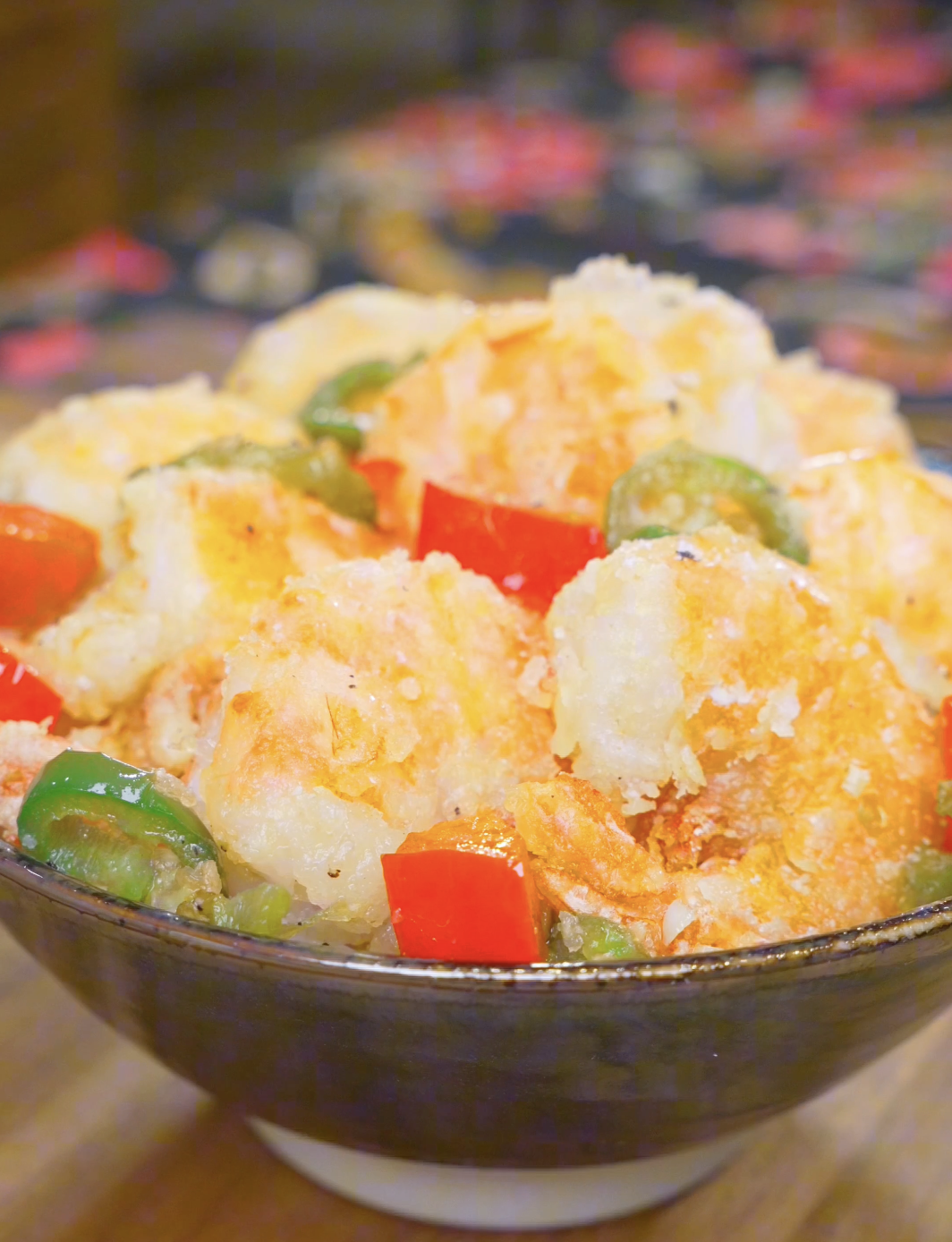
Ingredients
- 16 oz shell-on shrimp
- ½ cup cornstarch
- Neutral oil, for shallow frying
- 1 red bell pepper, cut into chunks
- 1 jalapeño, sliced (optional)
- 3 cloves garlic, minced
For the Seasoning
- 1 tsp salt
- 2 tsp sugar
- Coarsely ground black pepper, lots, to taste
Optional Garnish
- A little more of the seasoning mixture
- Steamed rice
Instructions
- Cut the red bell pepper into chunks and slice the optional jalapeño, then set them to the side.
- Add the cornstarch to another bowl, then take the shell-on shrimp and coat them in the cornstarch thoroughly before setting them to the side.
- For the seasoning, combine the salt, sugar, and lots of black pepper, and mix until well combined.
- Add enough oil to a pan to shallow fry and heat over medium-high. Fry the shrimp for about 3 minutes per side, removing them once crispy and golden.
- Add a bit of oil to a separate pan and add the peppers, cooking until slightly softened. Add the minced garlic and cook until fragrant.
- Add the crispy shrimp back in, sprinkle over the seasoning mixture, and toss until everything is well coated.
- Serve over a fresh bowl of rice. Optionally garnish with a little more of the seasoning. But it’s your food, you eat it how you like.
Video
Notes
- Pat the shrimp completely dry before coating so the cornstarch sticks and the oil doesn’t splatter.
- Fry in batches. Overcrowding steams the shrimp instead of crisping them.
- Toss the shrimp in the seasoning while they’re still hot so it clings instead of sitting on top.
- Serve immediately — the coating softens the longer it sits.
Next time you’re craving something with a little heat and a whole lot of flavor, give my Chinese Salt and Pepper Shrimp recipe a try! With just 10 simple ingredients and a mere 30 minutes from start to finish, this dish proves that a restaurant-quality takeout fakeout is well within reach on a busy weeknight. Crispy, golden shrimp get tossed with a blend of garlic, sweet peppers, fiery chilies, and plenty of salt and pepper seasoning, creating an irresistible crunch in every bite paired with just the right amount of kick. It’s the kind of meal that comes together so quickly you’ll wonder why you ever bothered ordering delivery, but it tastes like something straight out of your favorite Chinese restaurant. Whether you’re serving it up as a quick main with a side of rice or plating it as an appetizer for friends, this shrimp is guaranteed to disappear fast.
Table of Contents
- Salt and Pepper Shrimp Recipe
- Why You’ll Crave Salt & Pepper Shrimp
- Ingredients & Substitutions
- The Best Shrimp for Chinese Salt and Pepper Shrimp
- How to Make Salt and Pepper Shrimp
- Optional Variations & Dietary Adaptations
- Expert Tips & Tricks
- Serving Suggestions
- Storage & Reheating
- FAQs
- More Seafood Recipes
Why You’ll Crave Salt & Pepper Shrimp
Imagine shell-on shrimp coated in cornstarch and shallow-fried until impossibly crispy, tossed with softened red bell pepper, a kick of jalapeño, and fragrant garlic, then finished with a bold, hand-mixed blend of salt, sugar, and coarsely ground black pepper that clings to every ridge and crevice of the shrimp. Delightful! Frying the shrimp in their shells isn’t just for show—it locks in juiciness while the exterior turns shatteringly crisp, giving you that satisfying crunch you’d expect from a proper Chinese takeout joint. The seasoning mixture is deceptively simple, but the balance of salty, sweet, and peppery is what makes crispy salt and pepper shrimp so addictive. Tossing everything together at the end means the peppers, garlic, and shrimp all get an even coating of seasoning, so no bite is left behind. Spooned over a fresh bowl of steamed rice, it turns into a complete, deeply satisfying meal that feels far more impressive than the 30-minute cook time and short ingredient list would suggest.
Ingredients & Substitutions
- Shell-On Shrimp – Leaving the shell on is key here! It helps protect the shrimp from overcooking and gives you an extra crispy texture that makes salt and pepper shrimp so special. If you’re not a fan of eating the shell (totally fair, it’s not for everyone), you can peel it off, though you’ll lose that signature crunch. Just make sure to use the largest shrimp you can find for the best bite.
- Cornstarch – This is what gives the shrimp that light, crispy coating without a heavy batter. If you’re out of cornstarch, potato starch or rice flour will work in a pinch and give a similarly crisp result.
- Neutral Oil – You’ll want something with a high smoke point that won’t overpower the dish, like vegetable, canola, or avocado oil. Steer clear of olive oil here since it can burn at the high heat needed for frying.
- Red Bell Pepper – Adds a pop of color and a touch of sweetness to balance the heat. Feel free to swap in a different color bell pepper, or even use a mix of colors if that’s what you have on hand.
- Jalapeño (optional) – This is where you can control the spice level. Leave it out entirely for a milder dish, or add extra (or swap in a spicier pepper like serrano) if you like things fiery.
- Garlic – Fresh minced garlic really brings that fragrant, savory punch. In a time crunch, jarred minced garlic works fine too—just use a little extra since fresh tends to be more potent.
For the Seasoning Mixture
- Salt – Kosher salt or fine sea salt will do the trick here. Avoid iodized table salt, which can leave a bitter aftertaste.
- Granulated Sugar – Just a touch to round out the seasoning and balance the salt and pepper. You can reduce it slightly if you prefer a more savory profile.
- Coarsely Ground Black Pepper – This is the star of the seasoning mix, so don’t be shy with it! Freshly cracked pepper gives the best flavor and texture, so skip the pre-ground stuff.
Optional Garnish
- Steamed Rice – Short grain white rice is classic here, but jasmine or even brown rice work beautifully if that’s what you prefer.
- Extra Seasoning Mixture – Totally up to your taste. Some people (🙋🏻) like an extra sprinkle for more punch, but it’s your dish, so season it exactly how you like it!
This is just a short review of the ingredients; for the complete recipe, including quantities, scroll down to the recipe card 👇
The Best Shrimp for Chinese Salt and Pepper Shrimp
When it comes to salt and pepper shrimp, going shell-on is non-negotiable—it’s what gives this dish its signature texture and keeps the shrimp from drying out during frying. As for size, bigger is better here. Look for large or jumbo shrimp (something in the 16/20 or 21/25 count range) since they hold up well to the high heat of frying and give you a meatier, juicier bite once cooked through. Smaller shrimp tend to overcook quickly and can get lost in the crispy coating and seasoning.
Fresh, head-on shrimp is the traditional choice if you can find it. The heads add extra flavor and are considered a delicacy by many, especially when fried until crispy. That said, don’t stress if head-on shrimp isn’t available; shell-on, headless shrimp will work perfectly well and is much easier to find.
If you’re working with frozen shrimp (which is totally fine and often just as good as, if not better than fresh), make sure to thaw them completely and pat them very dry before coating in cornstarch. Excess moisture is the enemy of crispiness, so this step really matters if you want a perfectly crunchy exterior.
How to Make Salt and Pepper Shrimp
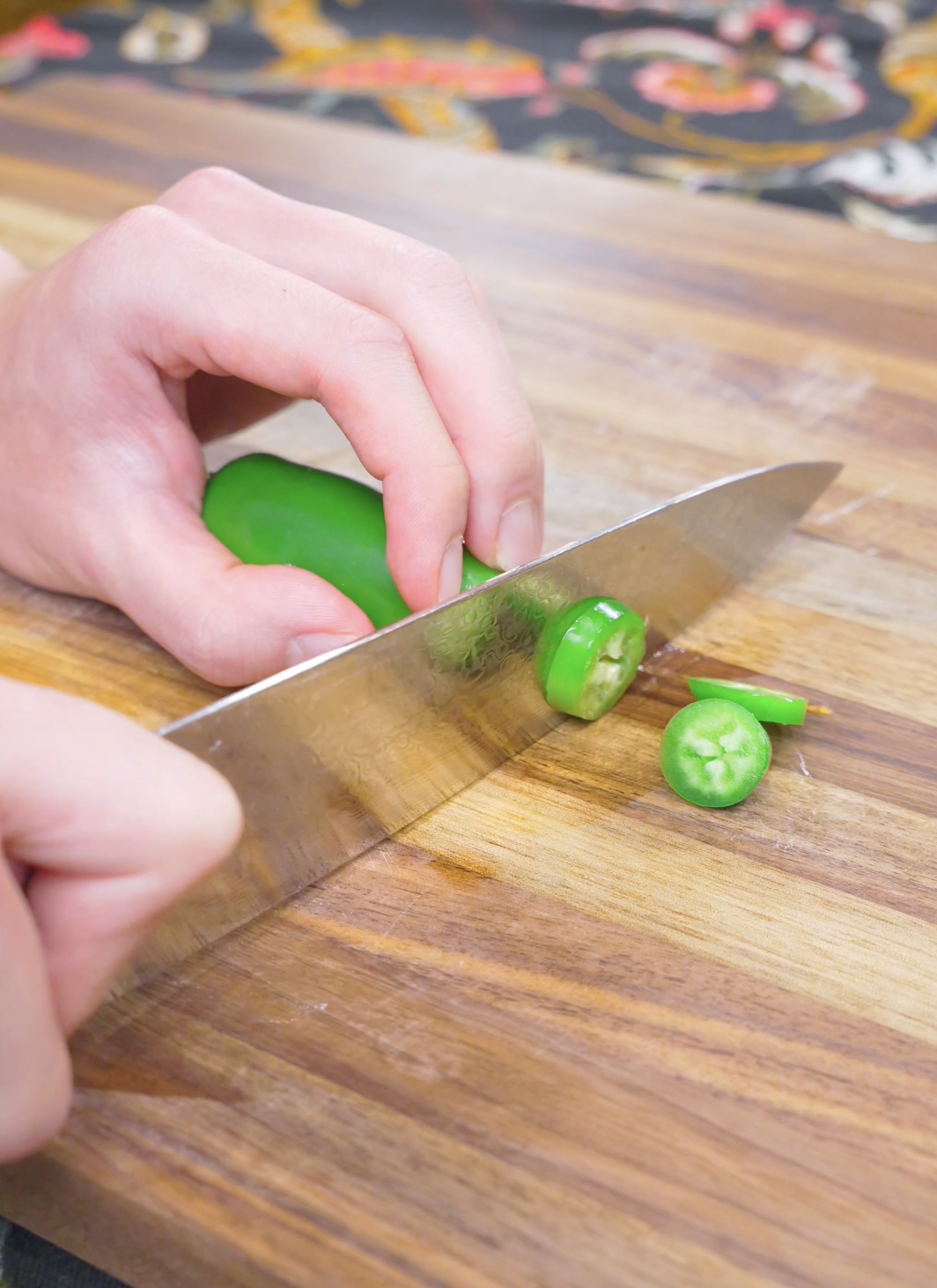
Cut the red bell pepper into chunks and slice the optional jalapeño, then set them to the side.
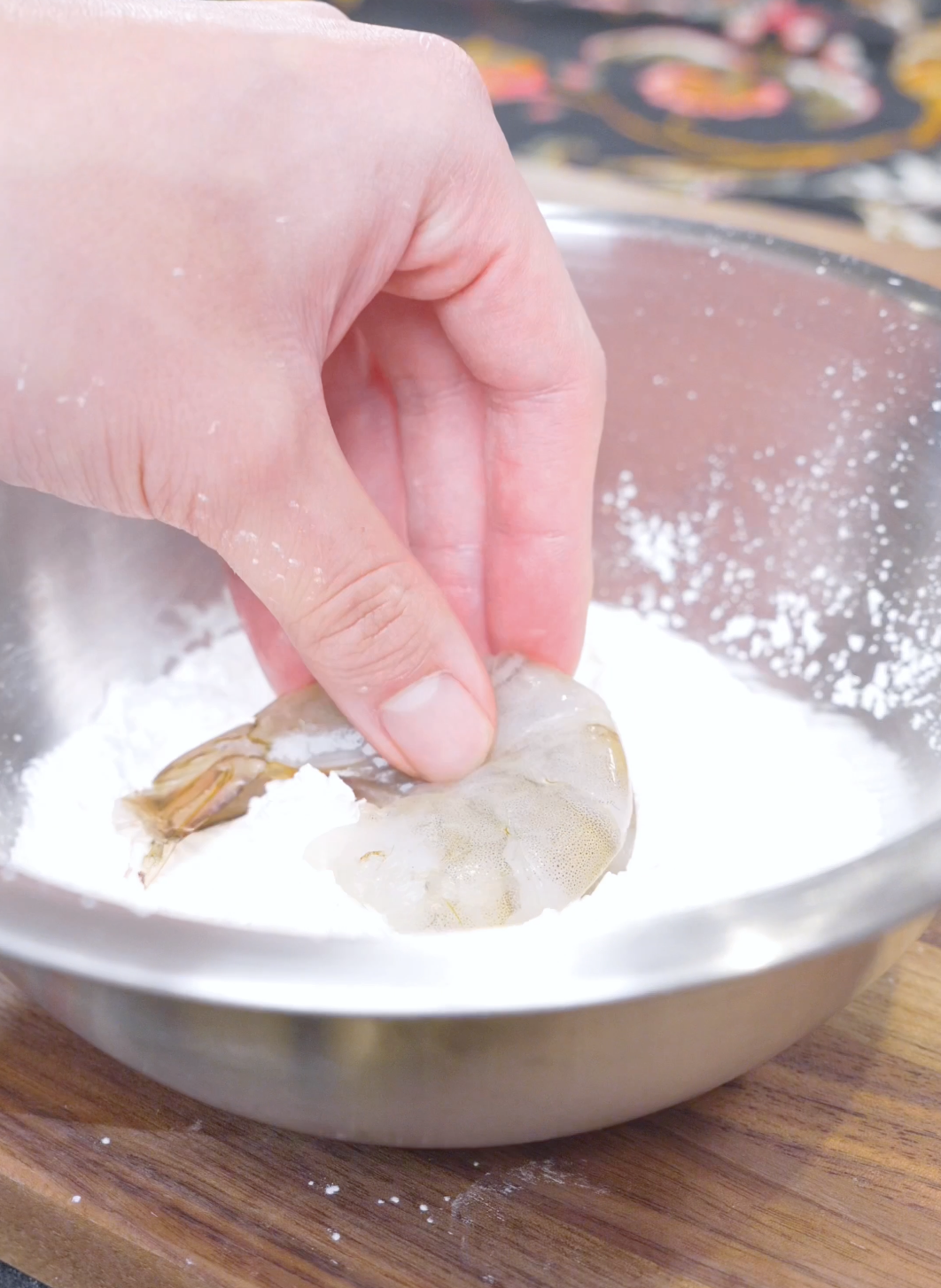
Add the cornstarch to another bowl, then take the shell-on shrimp and coat them in the cornstarch thoroughly before setting them to the side.
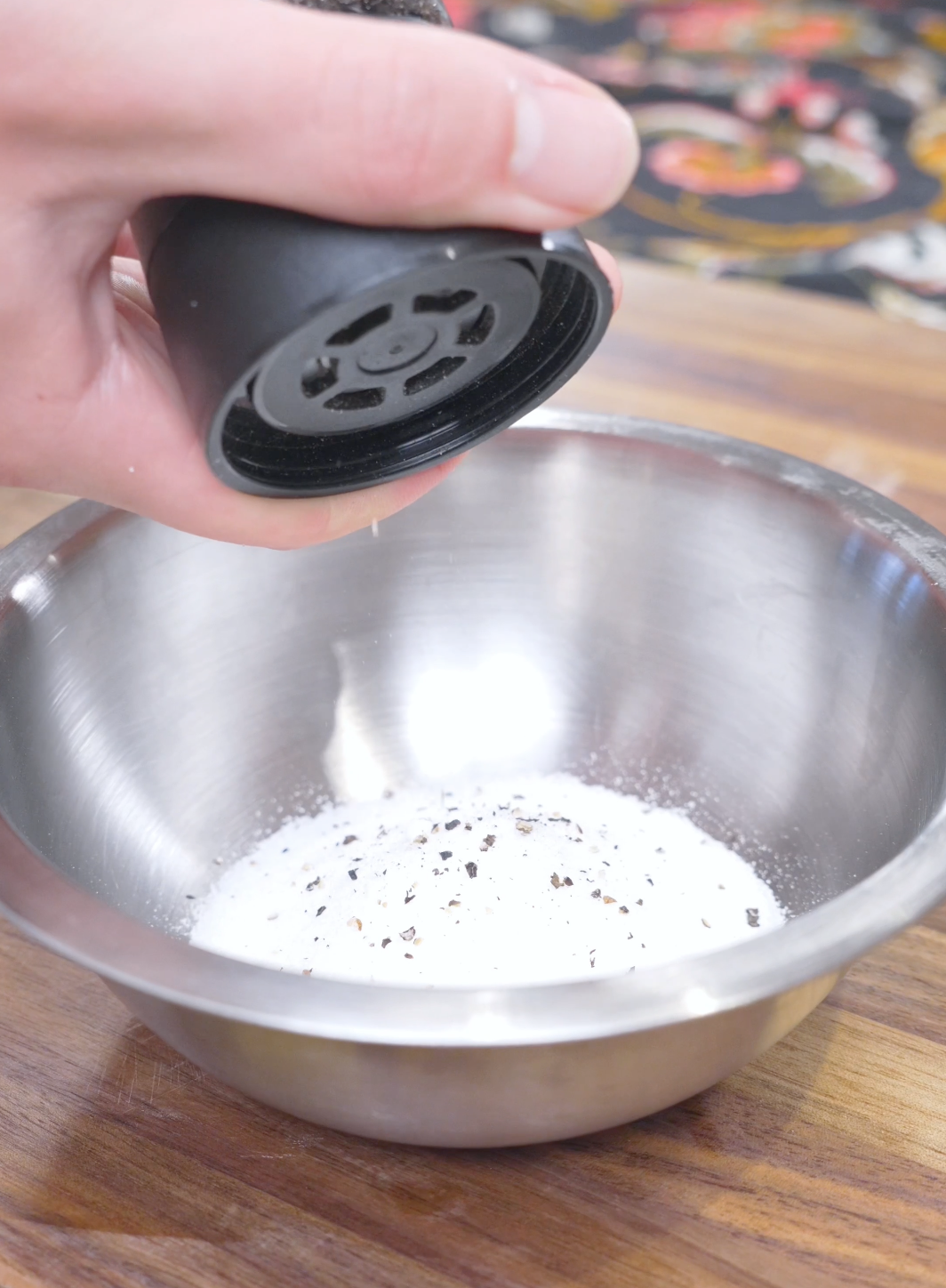
For the seasoning, combine the salt, sugar, and lots of black pepper, and mix until well combined.
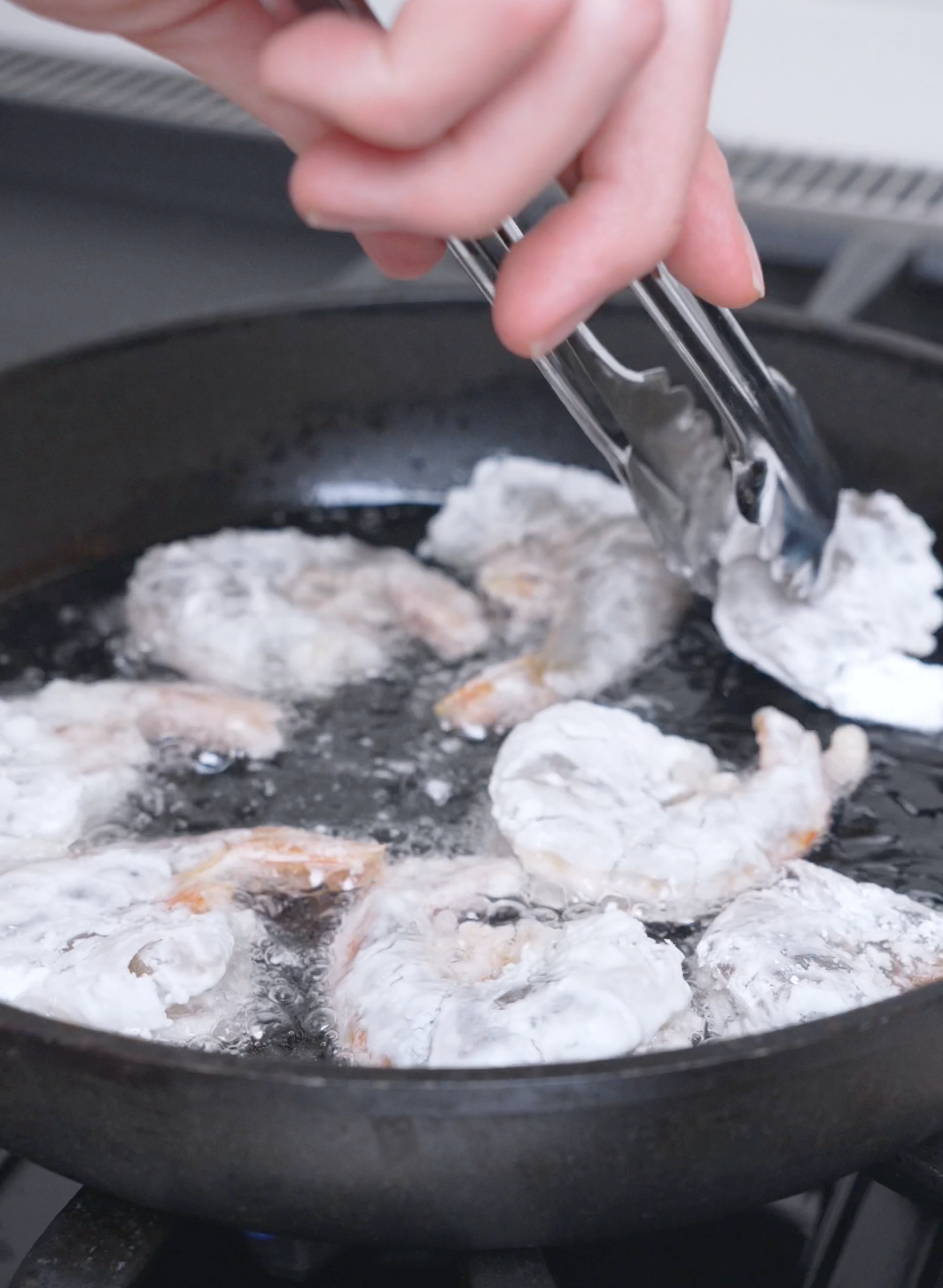
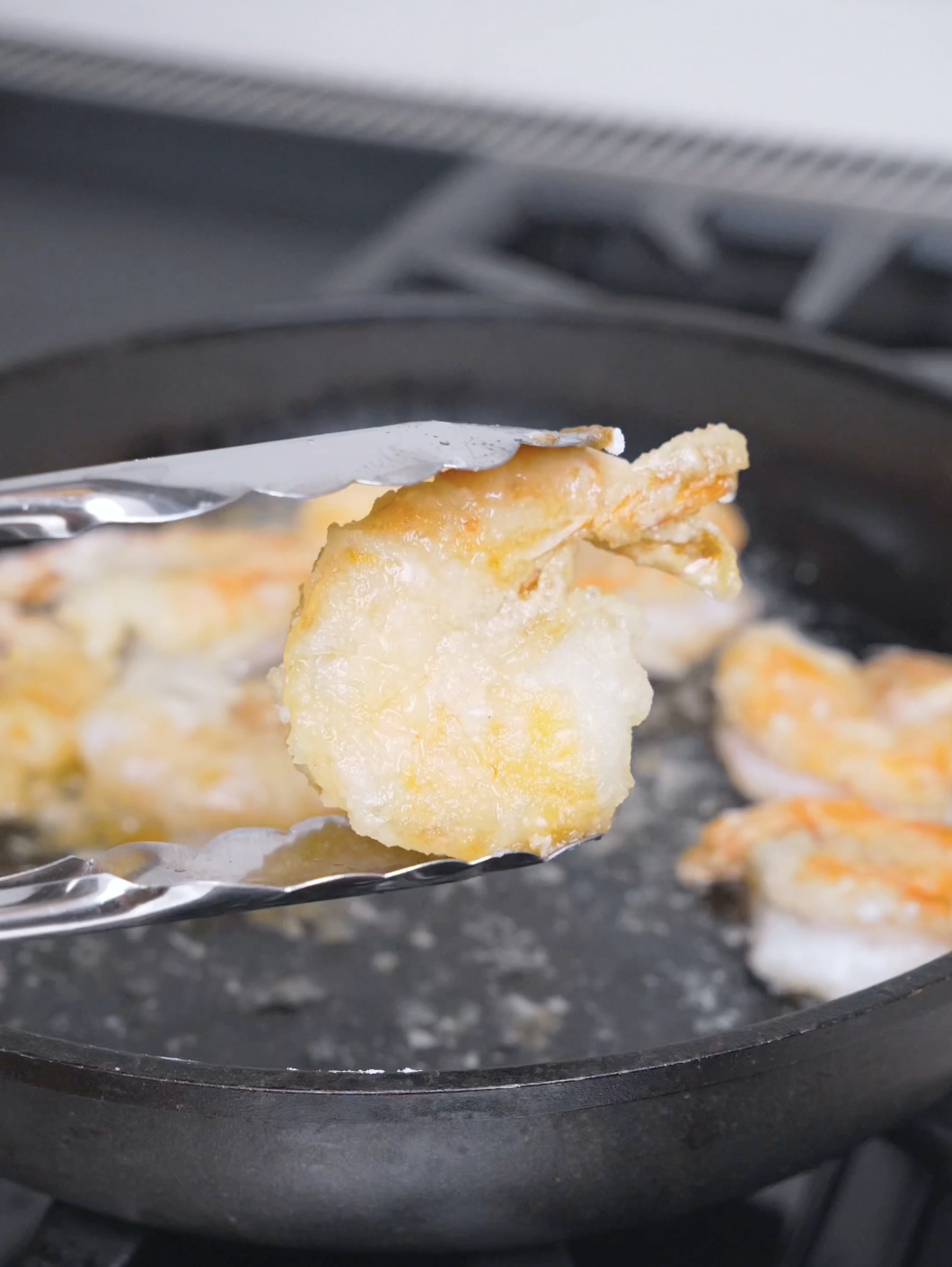
Add enough oil to a pan to shallow fry and heat over medium-high. Fry the shrimp for about 3 minutes per side, removing them once crispy and golden.
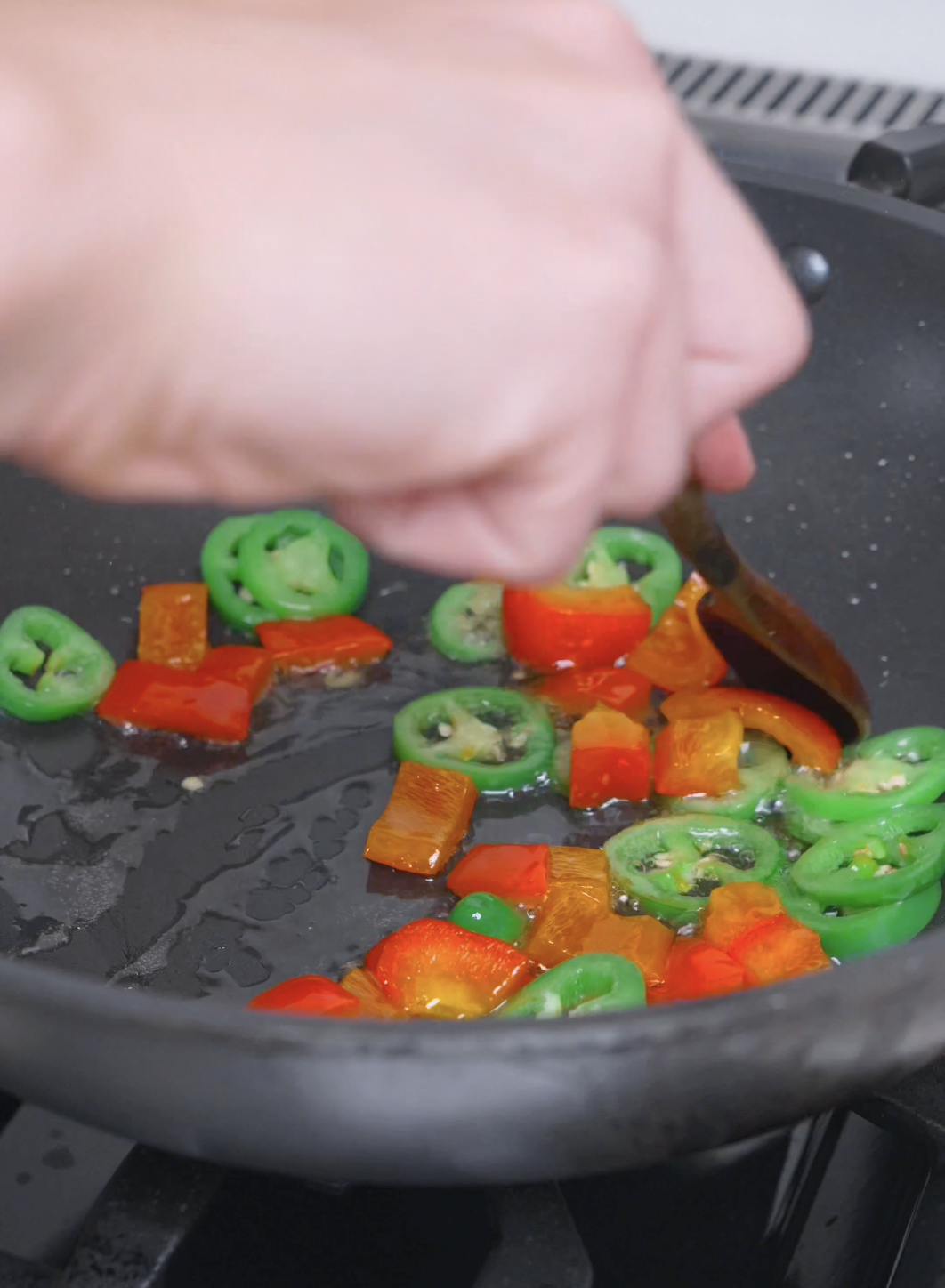
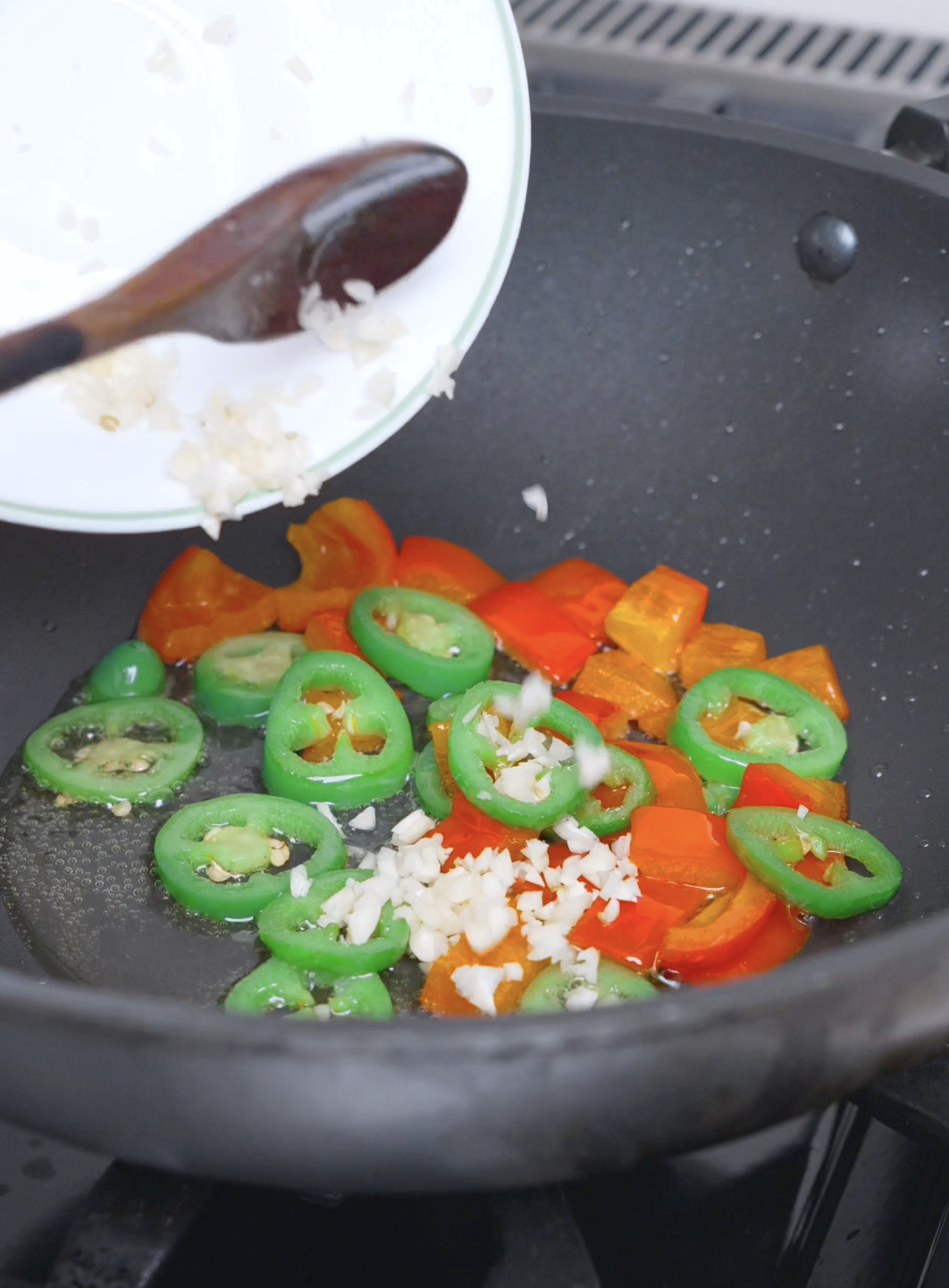
Add a bit of oil to a separate pan and add the peppers, cooking until slightly softened. Add the minced garlic and cook until fragrant.
Add the crispy shrimp back in, sprinkle over the seasoning mixture, and toss until everything is well coated.
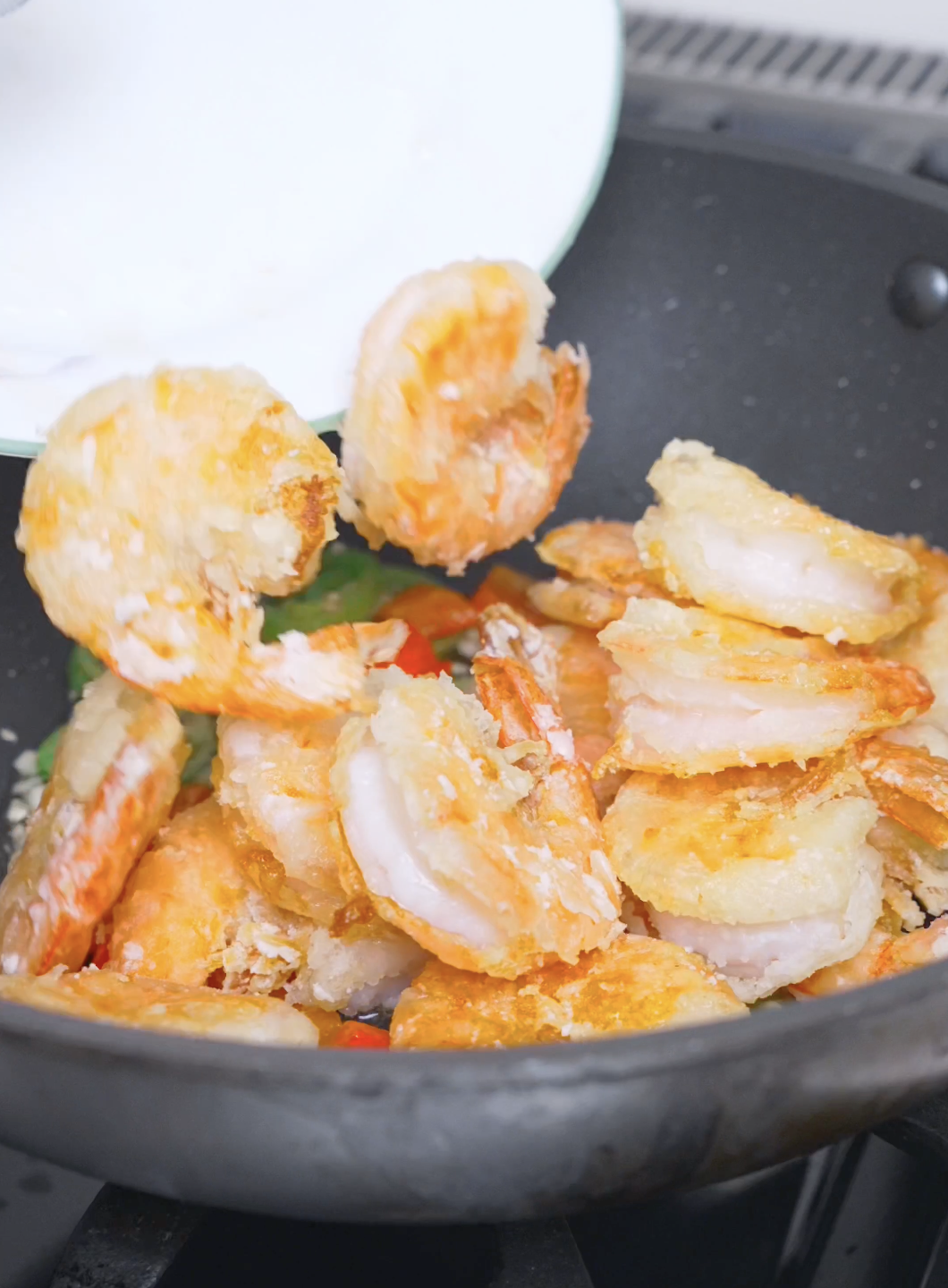
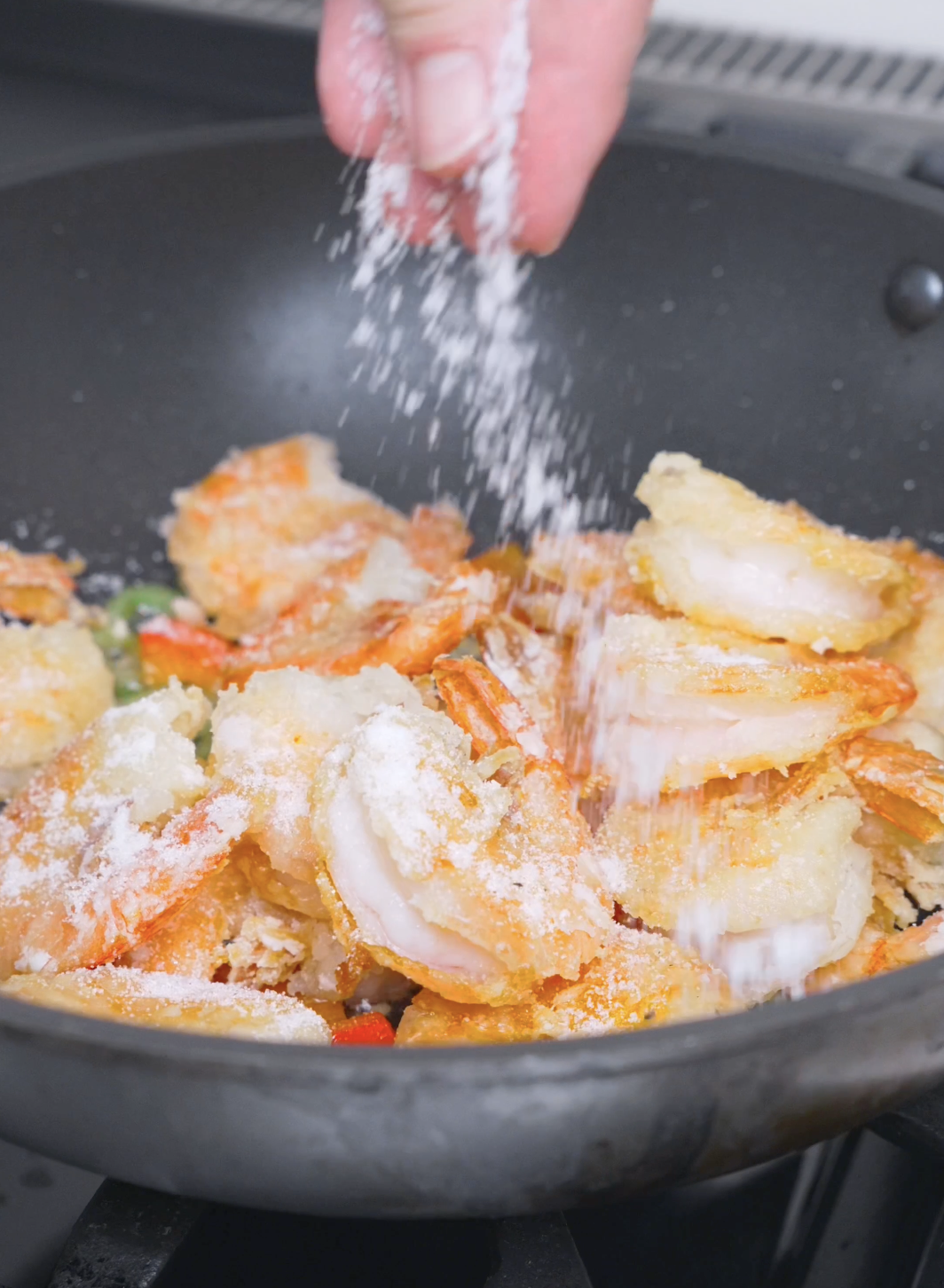
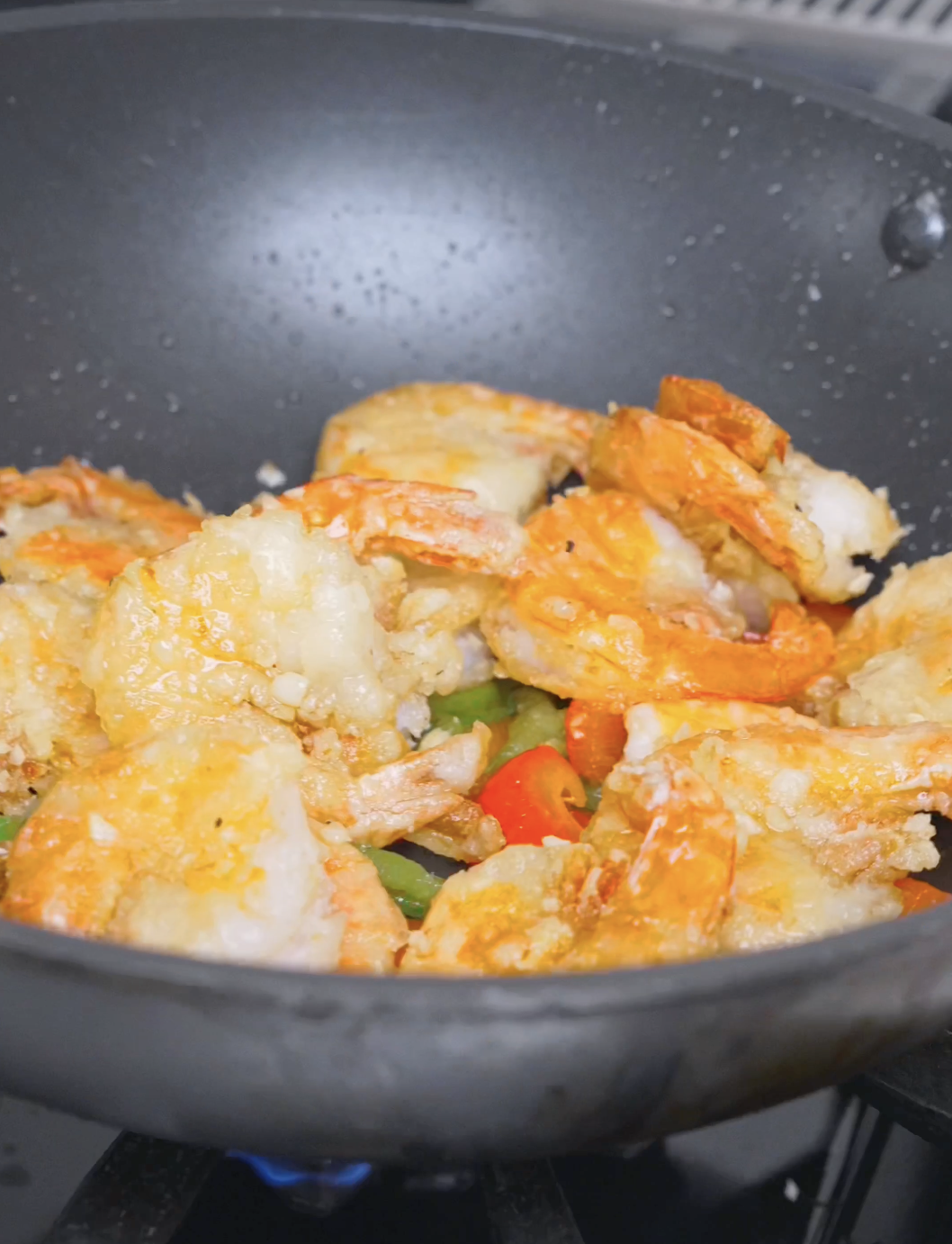
Serve over a fresh bowl of rice. Optionally garnish with a little more of the seasoning. But it’s your food, you eat it how you like.
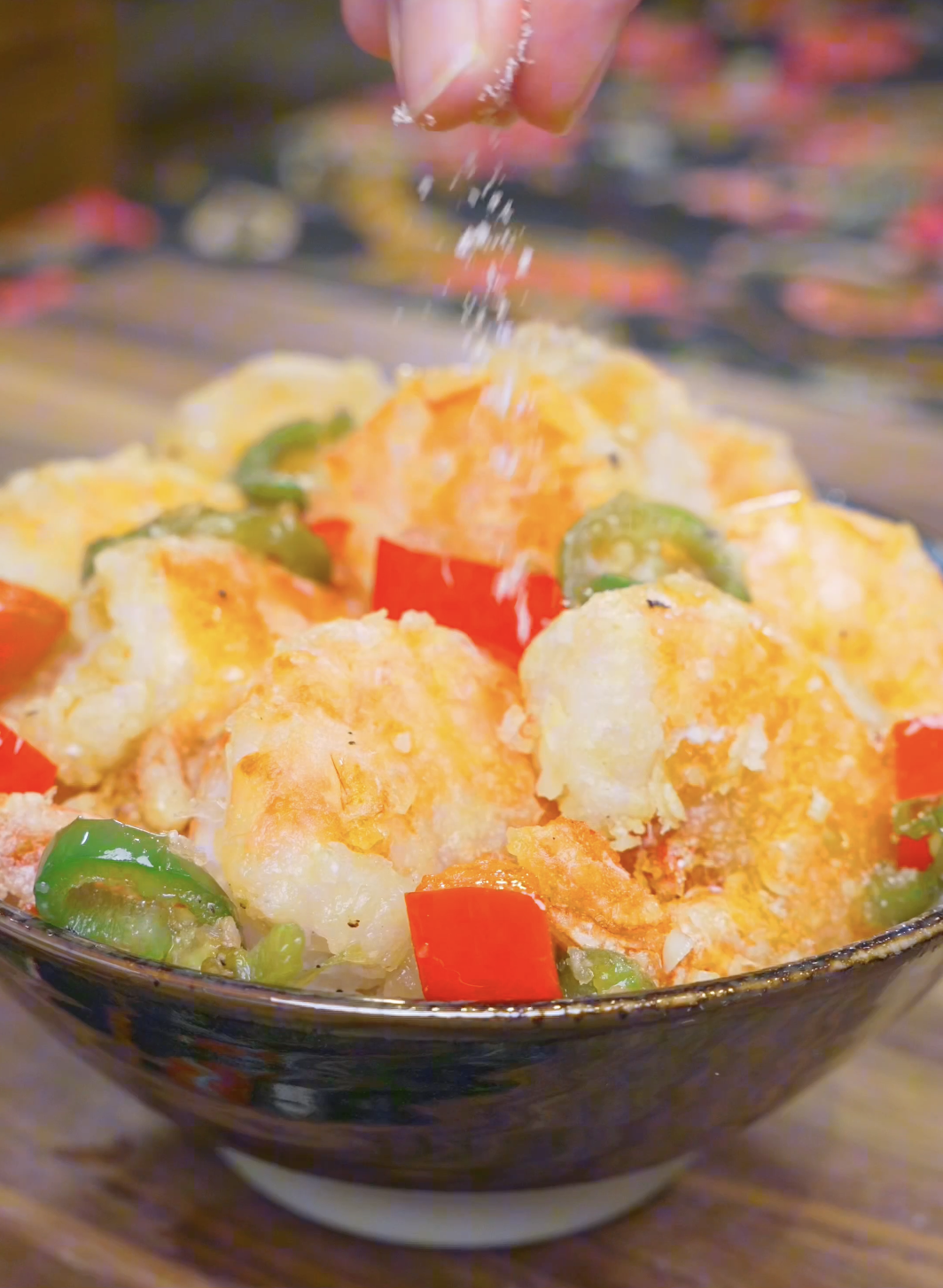
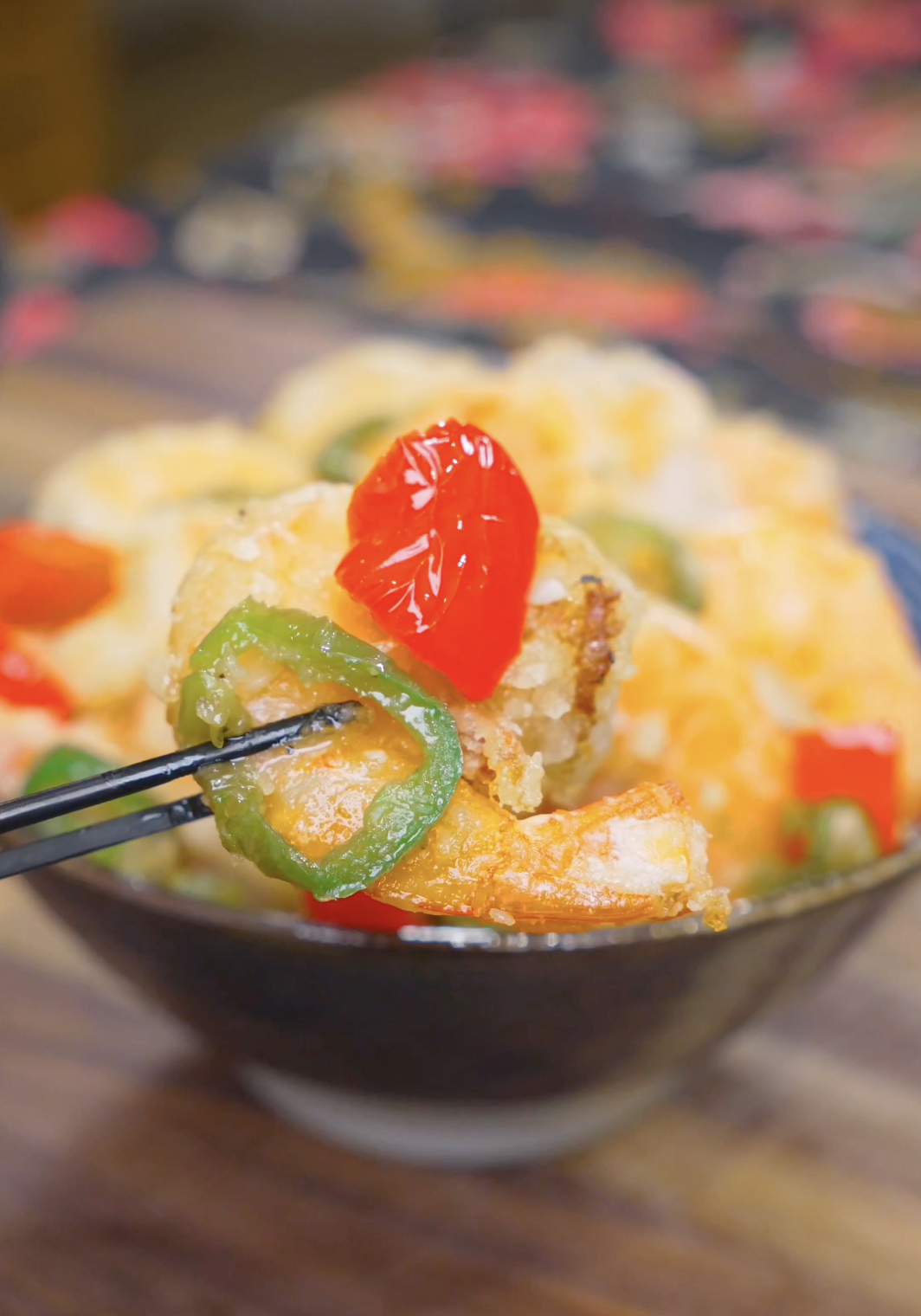
More of a visual learner? Check out my video recipe below. 👇
Optional Variations & Dietary Adaptations
- Spicier – If you’re a heat-seeker, don’t stop at jalapeño. Try adding sliced Thai chilies or a pinch of red pepper flakes to the seasoning mixture for an extra kick.
- Milder – Simply skip the jalapeño altogether and stick with just bell pepper for a dish that’s still full of flavor without the heat.
- Corn-Free – Can’t eat corn? No worries. Potato starch is a perfect 1:1 swap for cornstarch!
- Low-Carb/Keto-Friendly – Swap the steamed rice for cauliflower rice to keep things lower in carbs while still soaking up all that delicious seasoning.
- Shellfish-Free – If shrimp isn’t an option for you, this same technique works beautifully with bite-sized pieces of chicken or firm tofu. Just adjust the frying time accordingly since chicken and tofu will need a bit longer to cook through than shrimp.
- Extra Veggies – Feel free to bulk up the veggie content by adding sliced onions, snap peas, or even broccoli florets alongside the bell pepper for a more veggie-forward version of the dish.
- Air Fryer Option – For a lighter take, you can air fry the cornstarch-coated shrimp at 400°F for about 8-10 minutes, flipping halfway through, instead of shallow frying. You won’t get quite the same deep crispiness, but it’s a great lower-fat alternative.
Expert Tips & Tricks
- Pat your shrimp completely dry. Any excess moisture will prevent the cornstarch from adhering properly and can cause oil to splatter during frying, so take an extra minute here with paper towels.
- Don’t overcrowd the pan. Fry your shrimp in batches if needed. Overcrowding causes the shrimp to steam instead of fry, which means you’ll end up with soggy shrimp instead of that crispy, golden exterior you’re after.
- Get your oil to the right temperature before frying. If the oil isn’t hot enough, the shrimp will absorb too much oil and turn out greasy rather than crisp. A good test: drop a pinch of cornstarch into the oil—if it sizzles immediately, you’re ready to go.
- Toss the shrimp back into the seasoning while it’s still hot. This is the secret to getting the seasoning to really cling to the shrimp. The residual heat and oil help the salt and pepper mixture stick rather than just sitting on top.
- Cook the peppers and garlic quickly over high heat. You want them to stay slightly crisp and vibrant rather than soft and mushy, so keep the heat up and the cook time short—just enough to soften slightly and release their aroma.
- Taste as you go. Everyone’s salt tolerance and spice preference is different, so don’t be afraid to adjust the seasoning blend to your liking before tossing it with the shrimp.
- Serve immediately. Salt and pepper shrimp is best enjoyed fresh out of the pan while it’s still hot and crispy. The texture will soften the longer it sits, so try to time this dish as the last thing you make before serving.
Serving Suggestions
Salt and pepper shrimp is a fantastic centerpiece for a full spread, and it pairs especially well with a flavorful rice or noodle base to soak up all that crispy, savory goodness. For a match made in heaven, try serving it alongside garlic fried rice or egg fried rice for savory depth that complements the peppery shrimp perfectly. Prefer noodles over rice? Both soy butter noodles and spicy garlic noodles are excellent options that bring a rich, umami-packed component to the table.
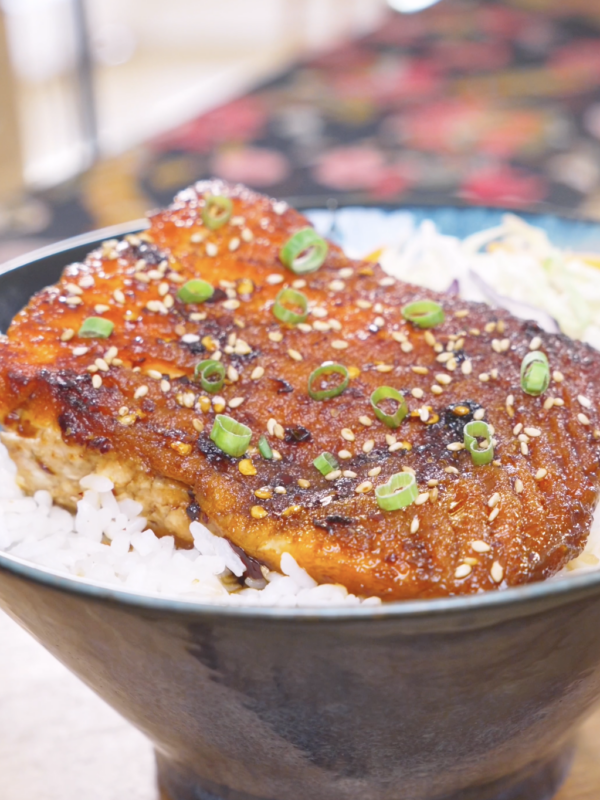
If you’re in the mood for a starter, crispy spicy salmon rice makes for an incredible seafood feast. To round out the meal, consider adding a simple cucumber salad or steamed greens for some freshness. And of course, no meal is complete without something sweet to finish it off! A batch of brown butter chocolate chip cookies or brownie cookies makes the perfect ending to your meal.
Storage & Reheating
- Storage: Salt and pepper shrimp is best enjoyed fresh, but if you have leftovers, let the shrimp cool completely before transferring them to an airtight container. They’ll keep in the refrigerator for up to 2-3 days. Keep in mind that the coating will soften over time as it sits, so don’t expect the same level of crispiness once it’s been refrigerated.
- Reheating: To bring back as much of that crispy texture as possible, skip the microwave—it’ll leave the shrimp soggy and rubbery. Instead, reheat the shrimp in a skillet over medium-high heat for a few minutes, tossing occasionally, or pop them in the air fryer at 375°F for about 3-4 minutes until heated through and re-crisped. The oven works too—spread the shrimp on a baking sheet and reheat at 400°F for about 5-7 minutes.
- Freezing: This dish isn’t a great candidate for freezing, as the delicate crispy coating doesn’t hold up well once thawed and tends to turn mushy. For the best texture and flavor, it’s really best to make salt and pepper shrimp fresh and enjoy it right away, saving leftovers only for a quick reheat within a couple of days.
FAQs
Is salt and pepper shrimp healthy?
It can fit into a balanced diet in moderation. Shrimp itself is a great source of lean protein and low in calories, but here it’s fried and coated in cornstarch, which adds extra calories and fat compared to steamed or grilled shrimp.
Is salt and pepper shrimp spicy? What does salt and pepper shrimp taste like?
It’s typically mild-to-moderately spicy, not fiery. The heat comes from white or black pepper and a bit of chili, so it’s more warming than intensely hot. The overall flavor is savory, peppery, and slightly salty, with a crispy exterior and tender, juicy shrimp inside, plus aromatic notes from garlic and bell pepper.
Is salt and pepper shrimp gluten-free?
Yes, as long as you use cornstarch (not flour) for the coating and check that any additional seasonings or sauces don’t contain hidden gluten.
Do you eat salt and pepper shrimp with the shell on?
Yes! Traditionally, the shell is left on and fried until crispy, and it’s meant to be eaten shell and all for extra crunch and flavor.
Can you make salt and pepper shrimp without the shell?
Yes, you can peel the shrimp before cooking for an easier eating experience, though you’ll miss out on the crispy shell texture and the extra flavor the shell adds during frying.
Is salt and pepper shrimp Chinese?
Yes—salt and pepper shrimp originates from Chinese cuisine, particularly Cantonese cooking.
More Seafood Recipes
Craving more seafood? Try my Honey Garlic Shrimp, Crispy Spicy Salmon Rice, or Creamy Salmon Poke!