Kimchi Beef Stir Fry Recipe
Equipment
Ingredients
- 16 oz thinly sliced beef
- Neutral oil, for cooking
- 1/2 onion, thinly sliced
- 4 scallions, cut into half-inch pieces, whites and greens separated
- 3 cloves garlic, minced
- 1 tbsp grated ginger
- 1 cup kimchi, roughly chopped
For the Sauce:
- 2 tbsp gochujang
- 2 tbsp soy sauce
- 1 tsp sesame oil
- 1 tbsp sugar
- 1 tbsp rice vinegar
- 2 tbsp soju, optional
Optional Garnish:
- Sesame seeds
- Steamed rice
Instructions
- Thinly slice the onion and cut the scallions into half-inch pieces, keeping the whites and greens separate.
- Heat a pan over medium-high heat with a bit of oil. Add the thinly sliced beef and cook until mostly cooked through, then remove it from the pan and set aside.
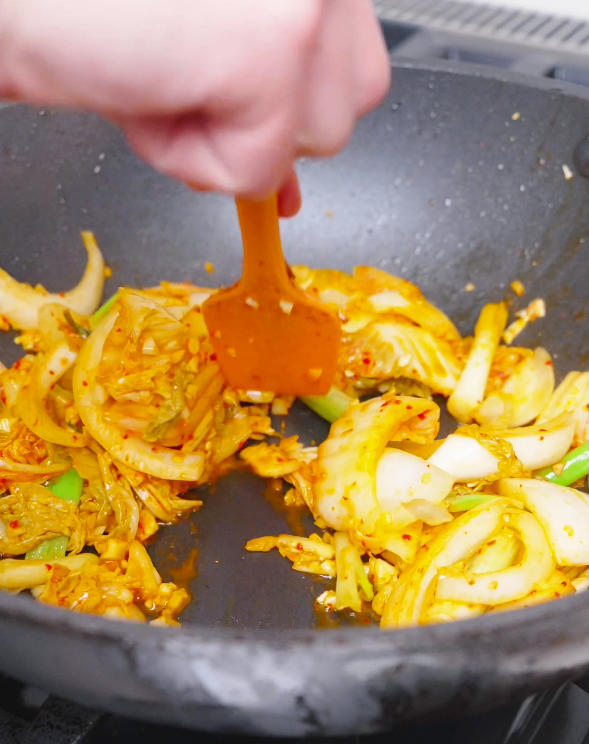
- In the same pan, add the sliced onion, scallion whites, garlic, ginger, and kimchi. Cook until the mixture becomes fragrant and the onion has softened.
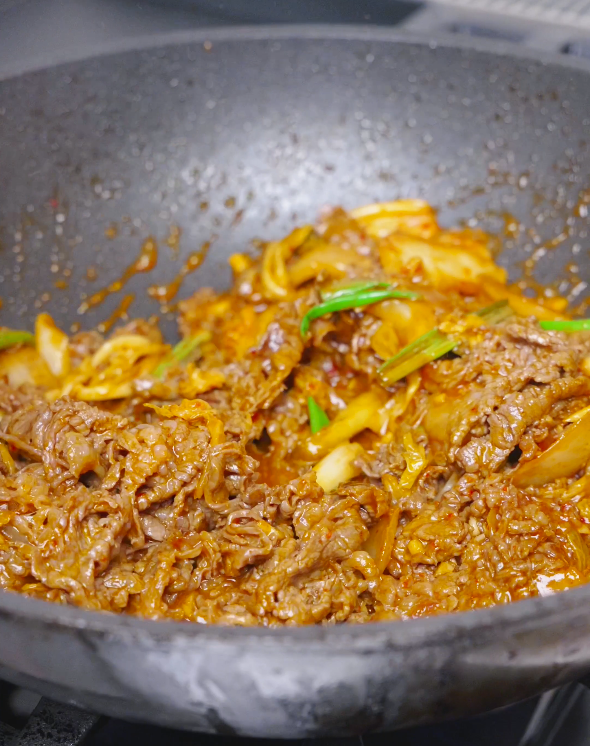
- Return the beef to the pan along with the gochujang, soy sauce, sesame oil, sugar, rice vinegar, and soju if using. Mix until the sauce slightly thickens and coats everything.
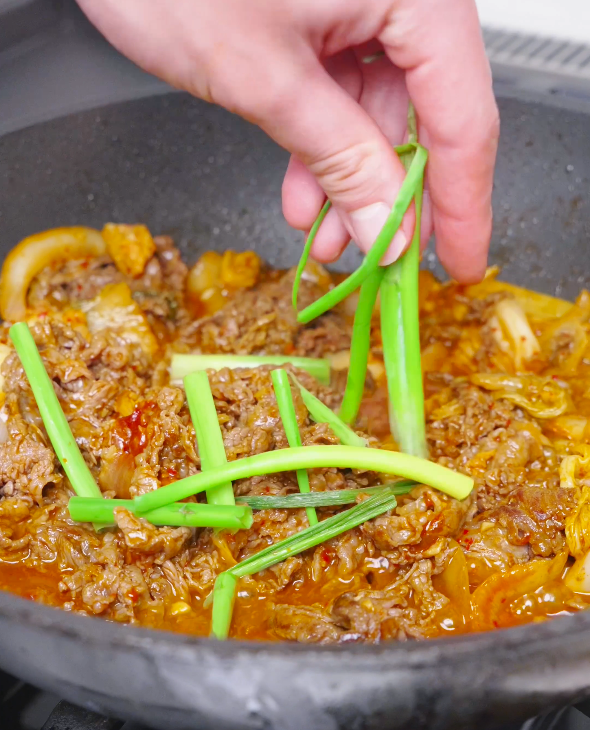
- Add the scallion greens and cook just until wilted.
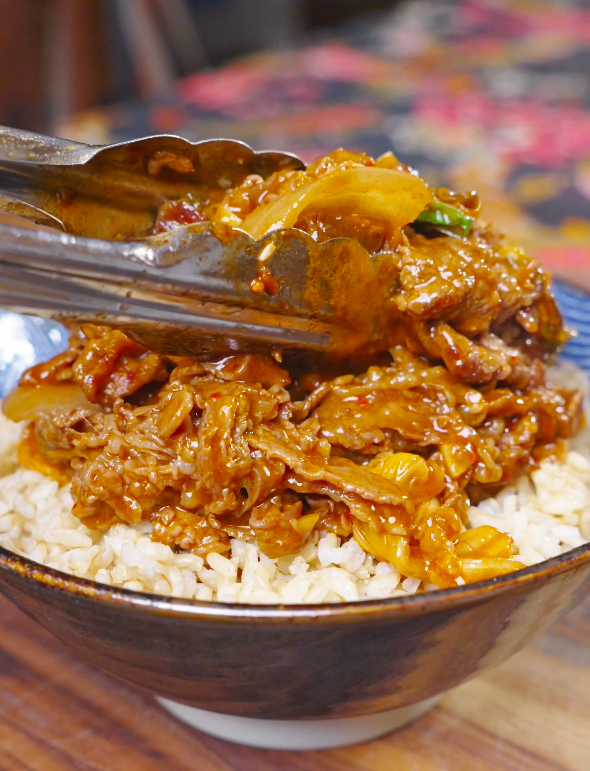
- Serve over a fresh bowl of rice, or eat it as is.
Video
Notes
- Use well-fermented kimchi. Older, tangier kimchi brings way more depth and complexity than fresh kimchi.
- Don’t skip the kimchi juice. A splash of the brine from the jar adds an extra punch of tangy, umami flavor to the sauce.
- Let the kimchi caramelize a bit. Give it a few extra minutes alone in the pan to char the edges and deepen its flavor.
- Mix the sauce ahead of time. Stir-frying moves fast, so having everything pre-mixed means you can pour and toss without scrambling mid-cook.
Nutrition
Nutrition information is automatically calculated, so should only be used as an approximation.
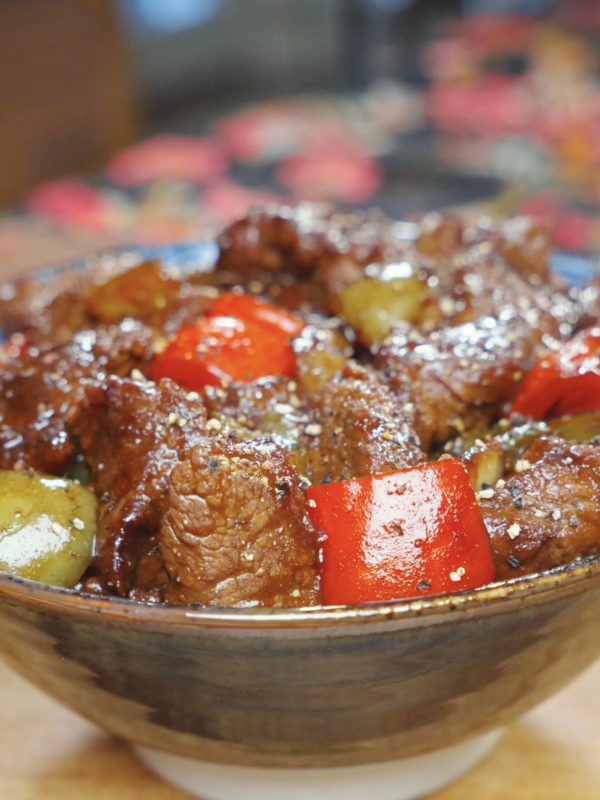
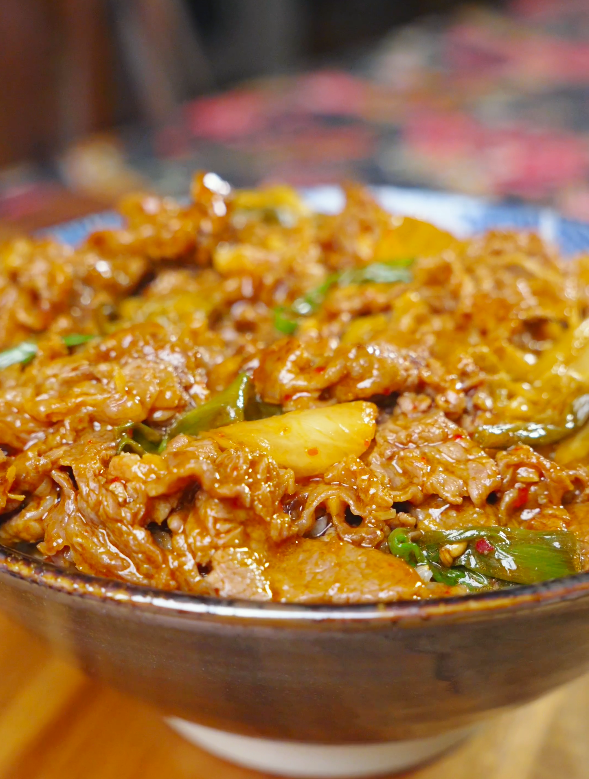
Next time you’re looking for an easy, comforting meal, look no further than my Korean-inspired Kimchi Beef Stir Fry recipe. This dish is everything you want in a weeknight dinner: bold, punchy flavor without the fuss. Thinly sliced beef sears fast in a hot pan until it’s caramelized at the edges, then gets tossed with funky kimchi, sweet onion, and a fragrant hit of garlic and fresh ginger. The spicy-sweet blend of gochujang, soy sauce, toasted sesame oil, sugar, rice vinegar and a splash of soju creates a magical sauce that clings to every piece of beef and coaxes out even more depth from the kimchi as it all sizzles together. It’s spicy, savory, a little sweet, and packed with an irresistible umami richness. Best of all, this whole meal comes together in one pan in under 30 minutes, making it the kind of recipe you’ll want to keep in heavy rotation.
Why You’ll Crave This Korean Stir Fry Recipe
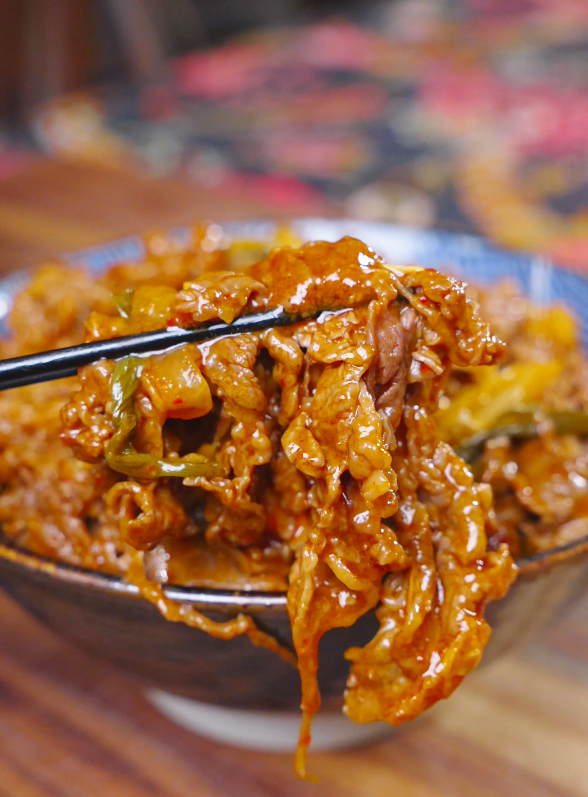
There’s something about the combination of sizzling beef, tangy fermented cabbage, and a spicy-sweet gochujang sauce that makes this kimchi stir fry nearly impossible to stop thinking about once you’ve had it. Every bite delivers the savoriness of soy sauce and toasted sesame oil, the spicy kick of gochujang, a touch of sweetness from sugar, and the tang from rice vinegar and kimchi, all working together in perfect balance. The kimchi doesn’t just add heat and acidity; as it cooks down in the pan, it softens and mellows while still keeping its punch, infusing the entire dish with a craveworthy Korean flavor. Meanwhile, the thinly sliced beef stays tender and juicy, soaking up the sauce so that every forkful is coated in a glossy, spicy glaze. It’s the kind of meal that hits every craving at once: comforting yet exciting, spicy yet balanced, simple yet deeply flavorful. And because it comes together quickly with mostly pantry staples, this spicy beef stir fry is the perfect dish to satisfy a sudden craving.
Ingredients & Substitutions
- Thinly Sliced Beef — Ribeye, sirloin, or flank steak all work well here. You can also look for pre-sliced “hot pot” or “bulgogi” style beef at Korean or Asian grocery stores if you want to skip slicing altogether. If slicing at home, pop the beef in the freezer for 15-20 minutes to firm it up, then slice thinly against the grain for the most tender results.
- Neutral Oil — Avocado, vegetable, canola, or grapeseed oil all work fine. You just want something with a high smoke point that won’t compete with the other flavors. Avoid olive oil here, as it can burn at the high heat needed to sear the beef properly.
- Onion — Yellow or white onion adds sweetness and body to the stir fry. Sweet onion (like Vidalia) works too if you want a milder, sweeter bite, or you can substitute shallots in a pinch.
- Scallions — Also called green onions, these add a mild oniony freshness and are typically used both in the stir fry and as a garnish. If you’re out, thinly sliced chives or a bit more yellow onion can stand in, though you’ll lose some of the fresh, grassy bite.
- Garlic — Fresh minced garlic gives the best flavor, but jarred minced garlic works in a pinch (use about ½ teaspoon per clove). Garlic powder (¼ teaspoon per clove) can work as a last resort, though it won’t have the same aromatic punch.
- Grated Fresh Ginger — Fresh ginger adds brightness and warmth that balances the richness of the sauce. A microplane makes grating easy. If you don’t have fresh ginger, swap in jarred ginger paste or use ¼ – ½ teaspoon of dried ground ginger per tablespoon of fresh.
- Kimchi — Use well-fermented, tangy kimchi for the best depth of flavor. The more sour and funky it is, the more flavorful your stir fry will be. Napa cabbage kimchi is traditional, but radish (kkakdugi) kimchi can also work if that’s what you have. Don’t toss the kimchi juice—a spoonful or two adds extra flavor to the sauce.
For the Sauce
- Gochujang — This fermented Korean chili paste is the backbone of the sauce, offering heat, sweetness, and umami all at once. If you can’t find it, a mix of miso paste and a bit of chili garlic sauce or sriracha work well in a pinch, though the taste will be noticeably different.
- Soy Sauce — Regular or low-sodium soy sauce both work well; use low-sodium if you want more control over the saltiness. Tamari or Bragg’s liquid aminos are great gluten-free substitutes. Coconut aminos work too, though the flavor will be slightly sweeter and less salty.
- Toasted Sesame Oil — This adds a nutty, aromatic finish and should be used for flavor, not high-heat cooking. Look for “toasted” or “dark” sesame oil rather than the light, untoasted variety.
- Granulated Sugar — Balances the heat and saltiness of the sauce. Brown sugar, honey, or maple syrup can all be swapped in for a slightly different but still yummy sweetness.
- Unseasoned Rice Vinegar — Adds brightness and acidity to cut through the richness of the sauce. Apple cider vinegar or white wine vinegar can work as substitutes.
- Soju (Optional) — This Korean distilled spirit adds subtle depth and helps tenderize the beef slightly. If you don’t have soju or prefer to skip the alcohol, you can leave it out entirely or substitute a splash of mirin or dry sherry.
- Sesame Seeds & Steamed Rice — Toasted sesame seeds add a nutty crunch and nice visual finish, while steamed white or brown rice makes the perfect base to soak up the sauce. Cauliflower rice or noodles can be used instead of rice for a different spin on serving.
This is just a short review of the ingredients; for the complete recipe, including quantities, scroll down to the recipe card 👇
All About Kimchi
Kimchi is a traditional Korean side dish made from vegetables that have been salted and fermented with a mix of seasonings like chili flakes (gochugaru), garlic, ginger, and fish sauce or salted shrimp. The fermentation process is what gives kimchi its signature tangy, funky, slightly effervescent flavor, along with a good dose of gut-friendly probiotics. It’s a staple in Korean cooking, used both as a side dish and as an ingredient in countless recipes, like this beef stir fry.
While napa cabbage kimchi (baechu kimchi) is the most well-known variety, there are dozens of other types worth trying. Radish kimchi (kkakdugi) is made with cubed Korean radish and has a satisfying crunch, while cucumber kimchi (oi sobagi) is lighter and often less spicy. Green onion kimchi (pa kimchi) and water kimchi (dongchimi), a mild, brothy variety, are great if you want something less intense.
You can find kimchi at most well-stocked grocery stores these days, usually in the refrigerated section near other fermented foods or in the international aisle. For the widest selection, though, an Asian or Korean grocery store is your best bet—you’ll typically find it sold in jars or tubs, ranging from mild to very spicy.
When shopping, keep in mind that kimchi’s flavor changes as it ages. Freshly made kimchi is milder and crisper, while well-fermented, “ripe” kimchi is tangier, softer, and more sour, which is exactly what you want for cooking into dishes like stir fries, stews, and kimchi beef fried rice.
How to Make Beef Kimchi Stir Fry
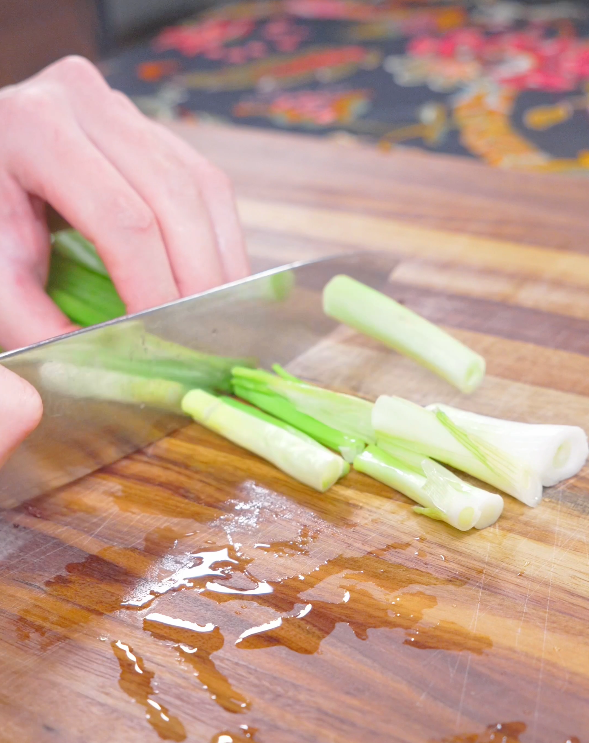
Thinly slice the onion and cut the scallions into half-inch pieces, keeping the whites and greens separate.
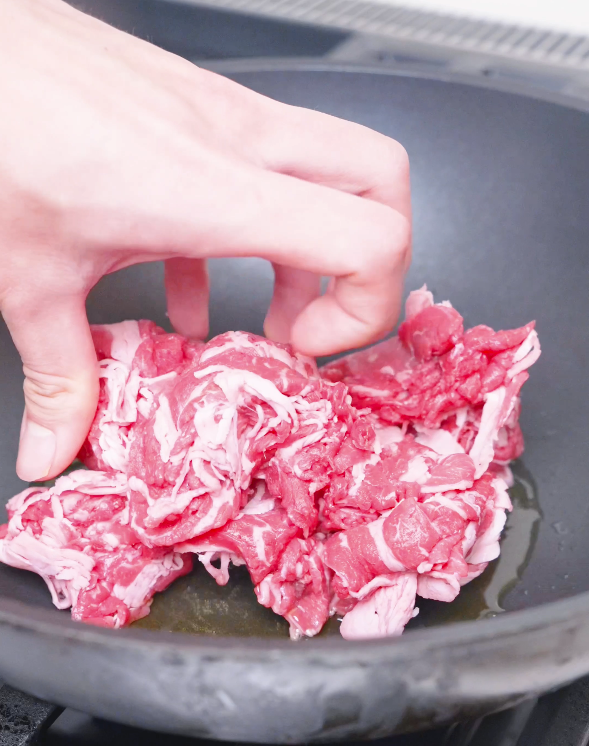
Heat a pan over medium-high heat with a bit of oil. Add the thinly sliced beef and cook until mostly cooked through, then remove it from the pan and set aside.
In the same pan, add the sliced onion, scallion whites, garlic, ginger, and kimchi. Cook until the mixture becomes fragrant and the onion has softened.
Return the beef to the pan along with the gochujang, soy sauce, sesame oil, sugar, rice vinegar, and soju if using. Mix until the sauce slightly thickens and coats everything.
Add the scallion greens and cook just until wilted.
Serve over a fresh bowl of rice, or eat it as is.
More of a visual learner? Check out my video recipe below. 👇
Optional Variations & Dietary Adaptations
This Korean beef stir-fry recipe is easy to customize depending on your preferences or dietary needs. Here are a few ideas to get you started:
- Gluten-Free — Swap the soy sauce for tamari, Bragg’s liquid aminos or coconut aminos, and double-check that your gochujang and kimchi are labeled gluten-free, as some brands add wheat during fermentation.
- Soy-Free — Coconut aminos are a great soy-free substitute for soy sauce, although they’re a bit sweeter. Make sure to adjust the added sugar as needed.
- Vegetarian/Vegan — Swap the beef for extra-firm tofu, mushrooms (shiitake or king oyster work beautifully), or a plant-based meat substitute, and use a vegan-friendly kimchi, since traditional kimchi is often made with fish sauce or salted shrimp.
- Less Spicy — Use a milder kimchi and reduce the amount of gochujang in the sauce, balancing it out with a bit more sugar.
- Extra Spicy — Add a spoonful of gochugaru (Korean chili flakes) or a drizzle of chili oil at the end.
- Bulk it Up — Feeling like adding more veggies? Bell peppers, zucchini, carrots, mushrooms, or bean sprouts all stir-fry beautifully alongside the beef and kimchi.
- Low-Carb — Skip the rice and serve the stir fry over cauliflower rice or alongside lettuce cups for wrapping.
- Switch Proteins — Thinly sliced pork, chicken thigh, or even shrimp can easily stand in for the beef with just a slight adjustment to cooking time.
Expert Tips & Tricks
- Use well-fermented kimchi. Older, tangier kimchi that’s been sitting in the fridge for a few weeks brings way more depth and complexity to the stir fry than fresh kimchi.
- Don’t skip the kimchi juice. The brine at the bottom of the jar is liquid gold! Stir a splash into the sauce or pour it into the pan while cooking for an extra punch of tangy, umami flavor.
- Get your pan screaming hot before adding the beef. A properly hot pan or wok sears the meat quickly, locking in juices and creating that slightly charred flavor instead of steaming the beef into a gray, chewy texture.
- Cook the beef in batches if needed. Overcrowding the pan drops the temperature and causes the meat to steam rather than sear. Work in smaller batches for the best texture.
- Let the kimchi caramelize a bit. Give the kimchi a few extra minutes alone in the pan before adding the sauce; this slightly chars the edges and deepens its flavor, adding a nice contrast to the tangy freshness.
- Mix the sauce ahead of time. Stir-frying moves fast, so having your gochujang, soy sauce, sugar, vinegar, and sesame oil pre-mixed in a bowl means you can pour and toss without scrambling mid-cook.
- Taste and adjust at the end. Kimchi brands vary a lot in saltiness and spice level, so taste the dish before serving and adjust with a little extra sugar, vinegar, or soy sauce as needed to balance the flavors.
- Finish with sesame oil off the heat. Toasted sesame oil loses its aroma when overheated, so drizzle it in right at the end for maximum fragrance.
Serving Suggestions
This beef and kimchi stir fry is hearty enough to be a complete meal on its own, but it truly shines served over a bowl of warm, steamed white or brown rice to soak up all that spicy, savory sauce. For a lighter or lower-carb option, try spooning it over cauliflower rice, into crisp lettuce cups for a wrap-style meal, or alongside a simple cucumber salad to help balance the heat.
If you’re in the mood for noodles, toss the stir fry with chilled bibim-naengmyeon or garlic sesame noodles for a fun textural twist. A sprinkle of toasted sesame seeds and freshly sliced scallions right before serving adds a nice finishing touch.
To round out the meal, consider pairing it with a few classic Korean side dishes, or banchan, like pickled radish, seasoned spinach (sigeumchi namul), or a simple fried egg on top for extra richness. Leftovers also reheat beautifully and make a great filling for rice bowls, making kimchi beef fried rice, or even tucked into a quesadilla for a fun fusion twist the next day.
Storage & Reheating
- Refrigerator: Store Korean beef stir-fry leftovers in an airtight container in the refrigerator for up to 3-4 days. The flavors often deepen and taste even better the next day.
- Freezer: For longer storage, freeze for up to 2-3 months, keeping in mind the kimchi’s texture may soften slightly upon thawing (flavor stays great). Cool the stir fry completely before freezing, and portion it into individual servings for easy, grab-and-go reheating. Thaw in the refrigerator overnight before reheating, which helps it heat evenly and keeps the beef from turning tough or overcooked.
- Reheating on Stovetop (Best for Texture): Warm in a skillet over medium heat with a splash of water or extra kimchi juice to loosen the sauce; stir occasionally for 3–5 minutes until heated through.
- Reheating in Microwave (Quick Option): Heat in 30-second intervals, stirring in between, until evenly warmed.
FAQs
How to cook stir-fry beef to make it tender?
To keep stir-fry beef tender, slice it thinly against the grain, which shortens the muscle fibers and makes each bite easier to chew. Partially freezing the beef for about 15-20 minutes beforehand makes this thin slicing much easier to control. When it’s time to cook, use a very hot pan or wok and sear the beef quickly in a single layer. Avoid overcrowding, since too much beef at once will steam rather than sear and cause it to toughen. Finally, avoid overcooking—a total cook time of just 1-2 minutes per batch is usually enough. Beef continues to firm up the longer it’s exposed to heat, so pulling it off the pan as soon as it’s browned but still slightly pink in the center (it will finish cooking when combined with the sauce) helps preserve tenderness.
What’s the secret to a flavorful beef stir fry?
The secret is layering flavor at multiple stages rather than relying on one seasoning at the end. Start with a well-seasoned beef so the meat itself carries flavor, not just the sauce. Cook over very high heat to get a proper sear and even some charring—this “wok hei” effect adds a smoky depth that’s hard to replicate at lower temperatures. Build the aromatics (e.g. garlic, ginger, scallions, chilies) in stages, adding them at the right moments so they don’t burn but still perfume the oil. Balance the sauce across sweet, salty, sour, and savory/umami notes (soy sauce, a little sugar, vinegar or citrus, and something like oyster sauce or fish sauce), since contrast is what makes the dish pop rather than taste flat. Finally, add finishing touches—sesame oil, fresh herbs, toasted nuts, or a squeeze of citrus—right at the end, since these bright, aromatic elements lose their impact if cooked too long.
What to put in a stir-fry with beef?
A good beef stir-fry typically includes a mix of the following: protein (thinly sliced beef, often marinated); aromatics (garlic, ginger, scallions, sometimes chili); vegetables for texture and color (kimchi, bell peppers, broccoli, carrots, snap peas, onions, mushrooms, bok choy, or bean sprouts are all common choices); a sauce to tie everything together (usually soy sauce-based, with additions like oyster sauce, sesame oil, rice vinegar, sugar, and sometimes a cornstarch slurry to thicken); and finishing touches like sesame seeds, fresh herbs, or a drizzle of chili oil. The exact combination is flexible—the key is balancing crunchy and tender vegetables, keeping the beef the star.
More Asian Beef Stir Fry Recipes
Craving more beef? Try my Korean BBQ Beef, Beef and Broccoli, or Garlic Steak Stir Fry!