Creamy Curry Noodles Recipe
Equipment
Ingredients
- 8 oz noodles of your choice
- 1/4 cup reserved noodle water
- Neutral oil, for cooking
- 2 cloves garlic, minced
For the Sauce
- 3/4 cup heavy cream
- 1 tbsp light soy sauce
- 1 1/2 tsp sugar
- 1 cube Japanese curry roux
Optional Garnish
- Sesame seeds
- Scallions
- Red chili flakes
Instructions
- Bring a pot of water to a boil and cook the noodles until one minute short of al dente. Reserve about ¼ cup of the noodle water, then rinse and drain the noodles.
- Heat a pan over medium heat with a bit of oil. Add the minced garlic and cook until fragrant, about 30 seconds.
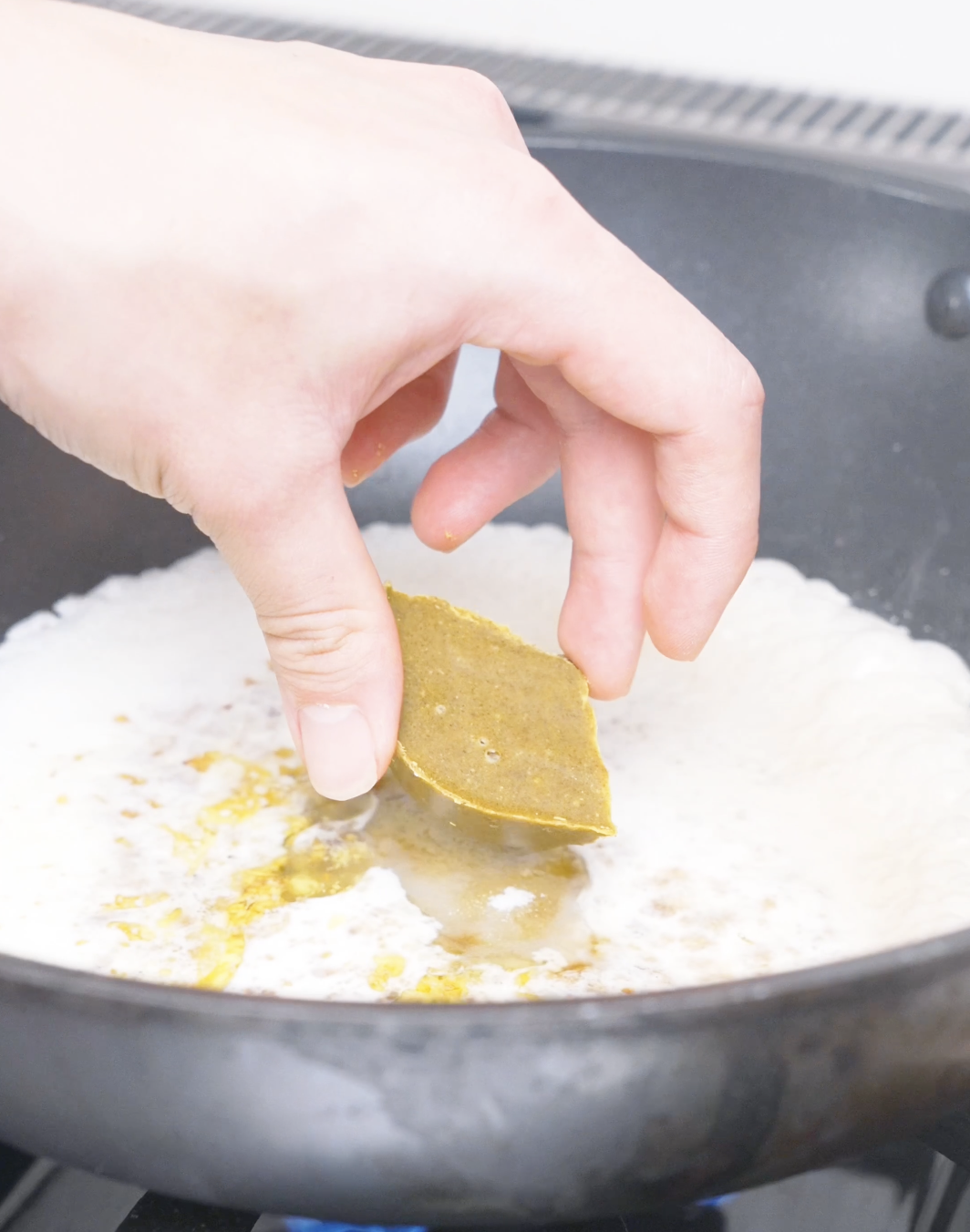
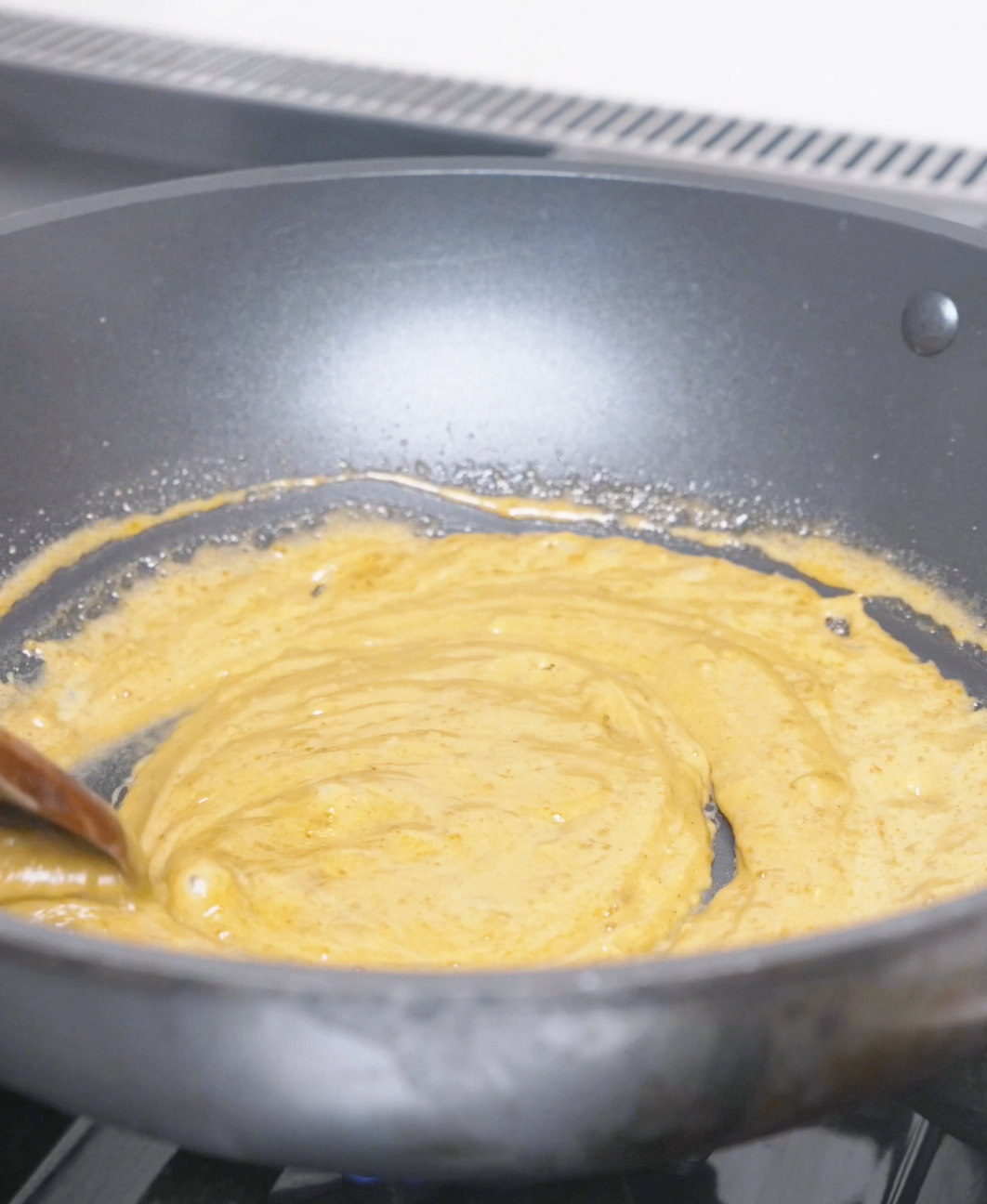
- Add the heavy cream, light soy sauce, sugar, and curry roux cube. Mix until the roux fully dissolves and the sauce is smooth and well incorporated.
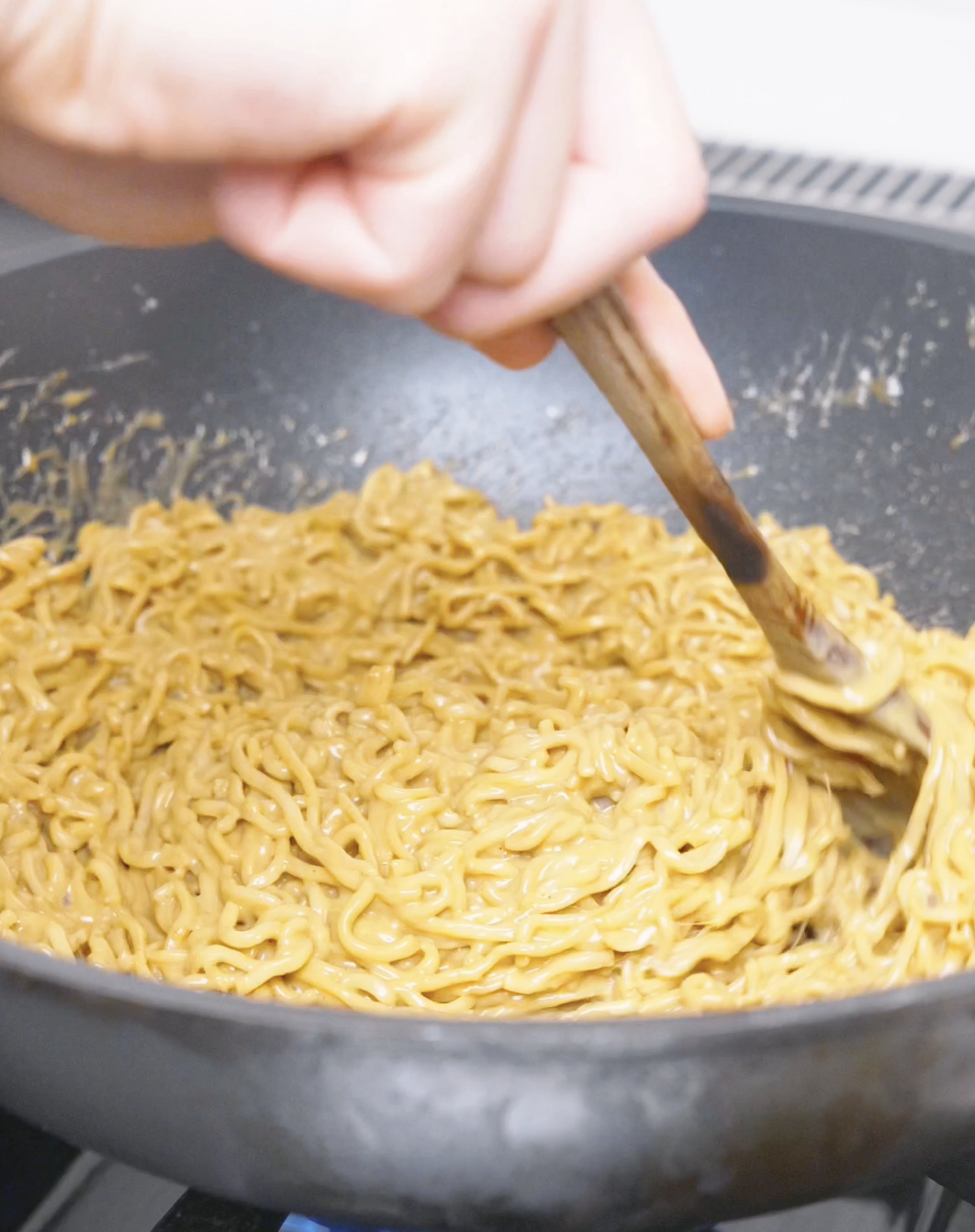
- Add the noodles and the reserved noodle water, then toss until the sauce clings to the noodles.
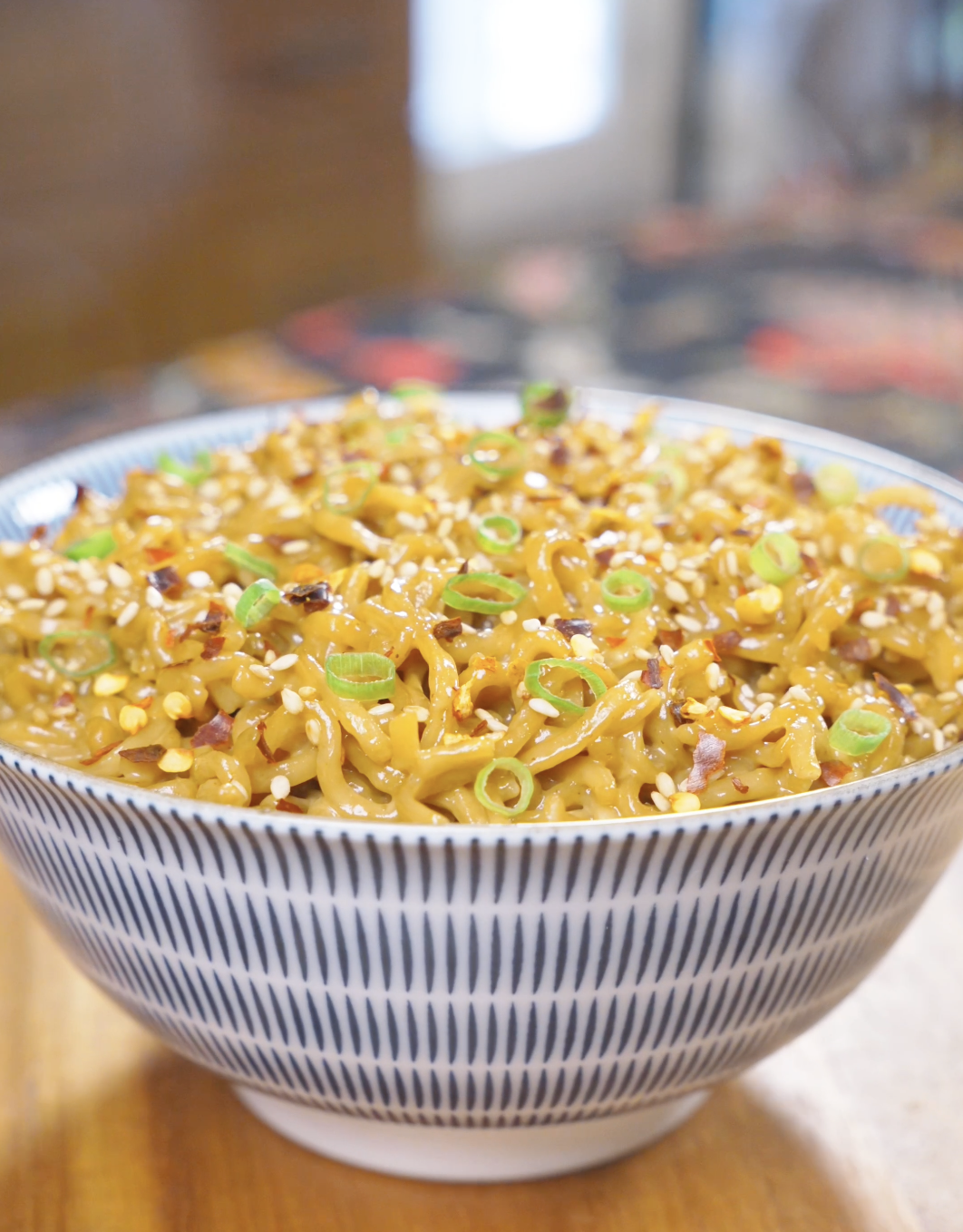
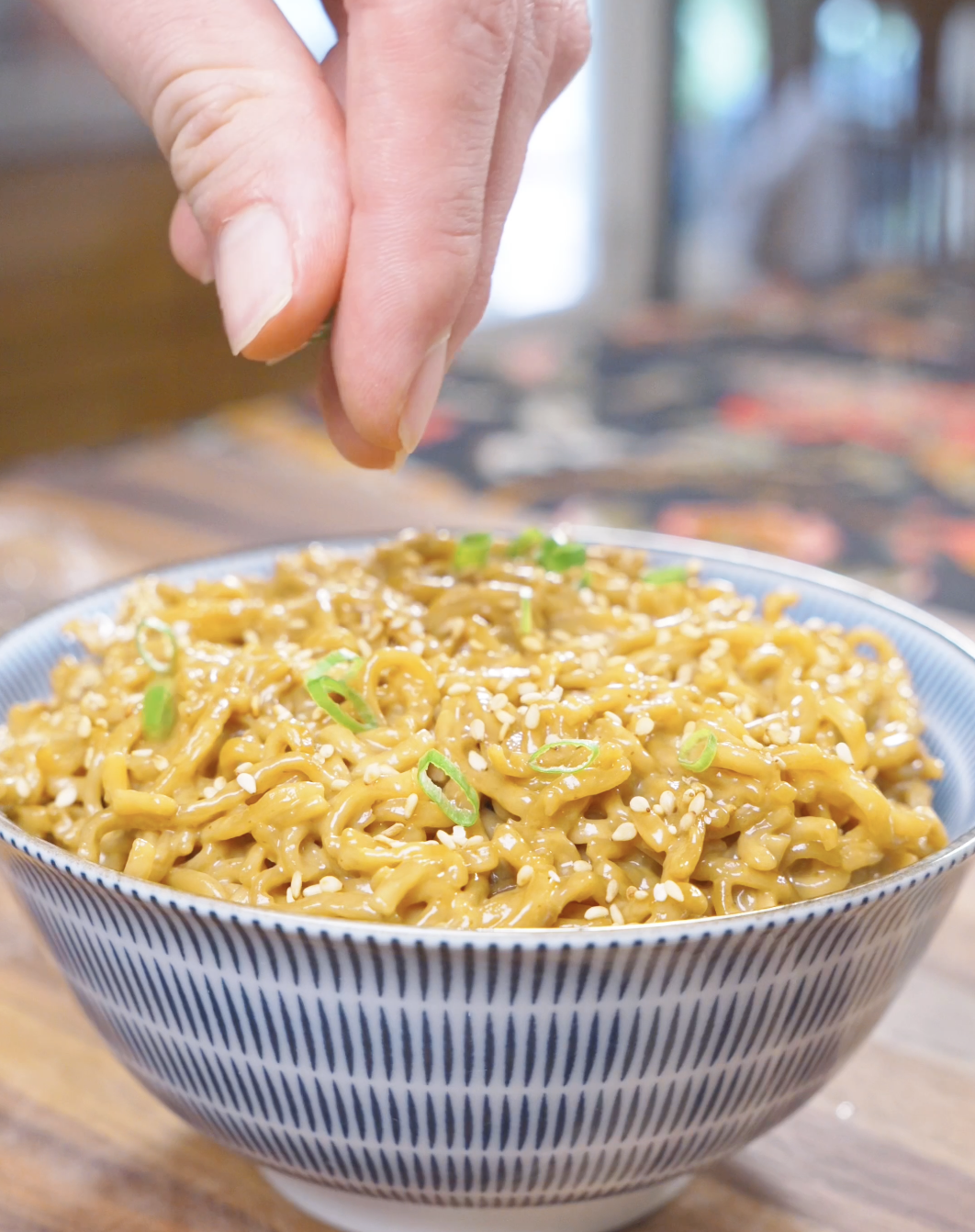
- Transfer to a bowl and optionally garnish with sesame seeds, scallions, and red chili flakes.
Video
Notes
- Don’t skip the reserved noodle water. That starchy liquid helps the sauce cling to the noodles for a silky consistency without watering down the flavor.
- Break up the curry roux before adding it so it melts evenly instead of leaving stubborn clumps.
- Keep the heat low once the cream goes in. High heat can cause dairy sauces to separate or curdle.
- Cook noodles just shy of al dente since they keep softening as they mingle with the hot sauce.
Nutrition
Nutrition information is automatically calculated, so should only be used as an approximation.
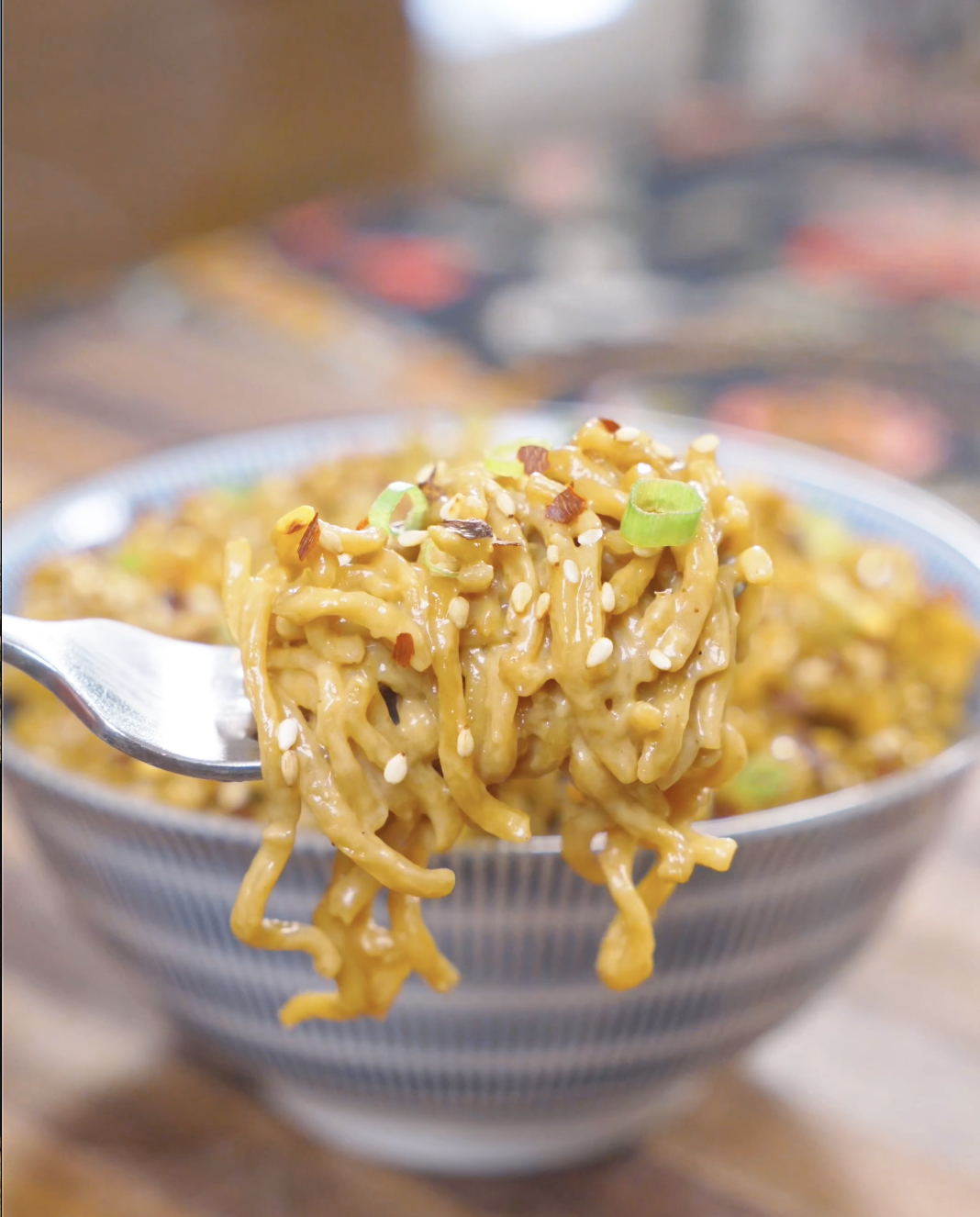
Next time you’re craving something indulgent, my creamy Curry Noodles recipe needs to be on your radar. Bouncy noodles get bathed in a rich, dreamy Japanese curry sauce, then finished with a sprinkle of fiery red chili flakes, fresh green onions, and nutty sesame seeds for a bowl that’s equal parts cozy and craveable. Best of all, this comes together with just 10 simple ingredients in about the same time it takes to boil your noodles. Consider it my go-to late-night post-bar dinner—because nothing hits quite like a big bowl of carb-y, salty, creamy comfort after a night out!
Looking for more of a saucy, gravy-style curry? I gotchu. Check out my Thai red curry, Japanese beef curry, or chicken katsu curry udon instead!
Table of Contents
Why You’ll Crave Japanese Curry Noodles
There’s something almost magnetic about the draw of a good curry sauce, and this creamy-dreamy one is no exception. Unlike the brothy curries you might be used to, Japanese curry has a thick, velvety consistency that clings to every strand of noodle, delivering a hit of warm spice in every single bite. It’s savory with just a whisper of sweetness, rounded out by a deep umami base that makes it taste like it’s been simmering all day—even though it comes together in a fraction of that time. The texture is really what seals the deal here: silky sauce meets chewy, springy noodles for a bite that feels indulgent without being heavy. And because the flavor profile is comforting yet a little unexpected, it scratches an itch that regular pasta or ramen just can’t reach. I’m telling you, friends: these creamy curry noodles are the perfect thing to warm you up on a chilly night or whenever you want a bowl of food that feels like a hug. They’re like a creamier, beef-less version of my beef curry udon recipe!
Ingredients & Substitutions
- Noodles of Choice — Fresh ramen or udon noodles work beautifully here thanks to their chewy, bouncy texture, but any noodle you love (even spaghetti in a pinch!) will soak up the curry sauce like a dream.
- Reserved Noodle Water — Don’t dump this down the drain! The starchy water helps loosen and emulsify the sauce, giving it a perfect silky consistency. (It also helps with reheating leftovers.)
- Neutral Oil — Think vegetable, canola, or grapeseed oil—anything without a strong flavor that won’t compete with the curry.
- Garlic — Fresh is best for a punchy, aromatic base, but jarred minced garlic works in a pinch if you’re short on time.
For the Sauce
- Heavy Cream — This is what makes the sauce so luxuriously creamy. Half-and-half will work if that’s what you have, though the sauce will be slightly less rich.
- Light Soy Sauce — Adds umami depth and saltiness.
- Granulated Sugar — Just a touch to balance out the salty and savory notes. Brown sugar can sub in for a slightly deeper flavor.
- Japanese Curry Roux — The star of the show! These little blocks (found in most grocery stores’ international aisle) pack a ton of spiced, umami flavor. Different brands vary in spice level, so pick whatever’s the mild-to-spicy sweet spot that works for you.
Optional Garnish
- Sesame Seeds — A nutty, toasty finishing touch. Toasted sesame seeds add even more flavor if you have them on hand.
- Scallions — Adds a pop of color and fresh, mild oniony bite. Chives work as a nice substitute too.
- Red Chili Flakes — For a little heat and visual flair. Swap in your favorite chili crisp or a dash of hot sauce if you want extra kick.
This is just a short review of the ingredients; for the complete recipe, including quantities, scroll down to the recipe card 👇
Add-On Ideas for Bulking Up Creamy Curry Noodles
Want to turn this slurp-tastic bowl of noodles into a heartier, more filling meal? Here are some easy ways to build it out:
Protein
- Crispy chicken katsu — A classic pairing with Japanese curry, sliced thin and laid right on top for extra crunch.
- Soft-boiled egg — Because is it really a noodle dish without a jammy egg on top? Let the runny yolk mingle into the sauce for even more richness.
- Shrimp or tofu — Quickly sautéed or pan-fried, either option adds protein without weighing things down. Honey garlic shrimp would also be a nice little upgrade!
- Ground beef or pork — Garlic ground beef is excellent tossed right into the sauce for a heartier, almost bolognese-like bowl. You can also add crispy Vietnamese pork belly strips for a fancy-feeling upgrade.
Veggies
- Sautéed mushrooms — They soak up the curry flavor and add a nice meaty bite while keeping it vegetarian.
- Baby spinach or bok choy — Wilted right into the hot noodles for a pop of green and some extra nutrients.
- Roasted or steamed broccoli — Adds texture and a little more substance to each bite.
- Caramelized onions — A little sweetness to play off the savory curry base.
Extra Flavor Boosters
- A drizzle of chili oil — For those who want more heat than the chili flakes alone provide.
- A squeeze of lime — Brightens up the richness of the cream and curry.
- Crushed peanuts or crispy fried onions — Sprinkle on top for some crunch to contrast the silky noodles.
Mix and match based on what you’re craving or what’s in your fridge—curry noodles are forgiving and endlessly customizable!
How to Make Curry Noodles
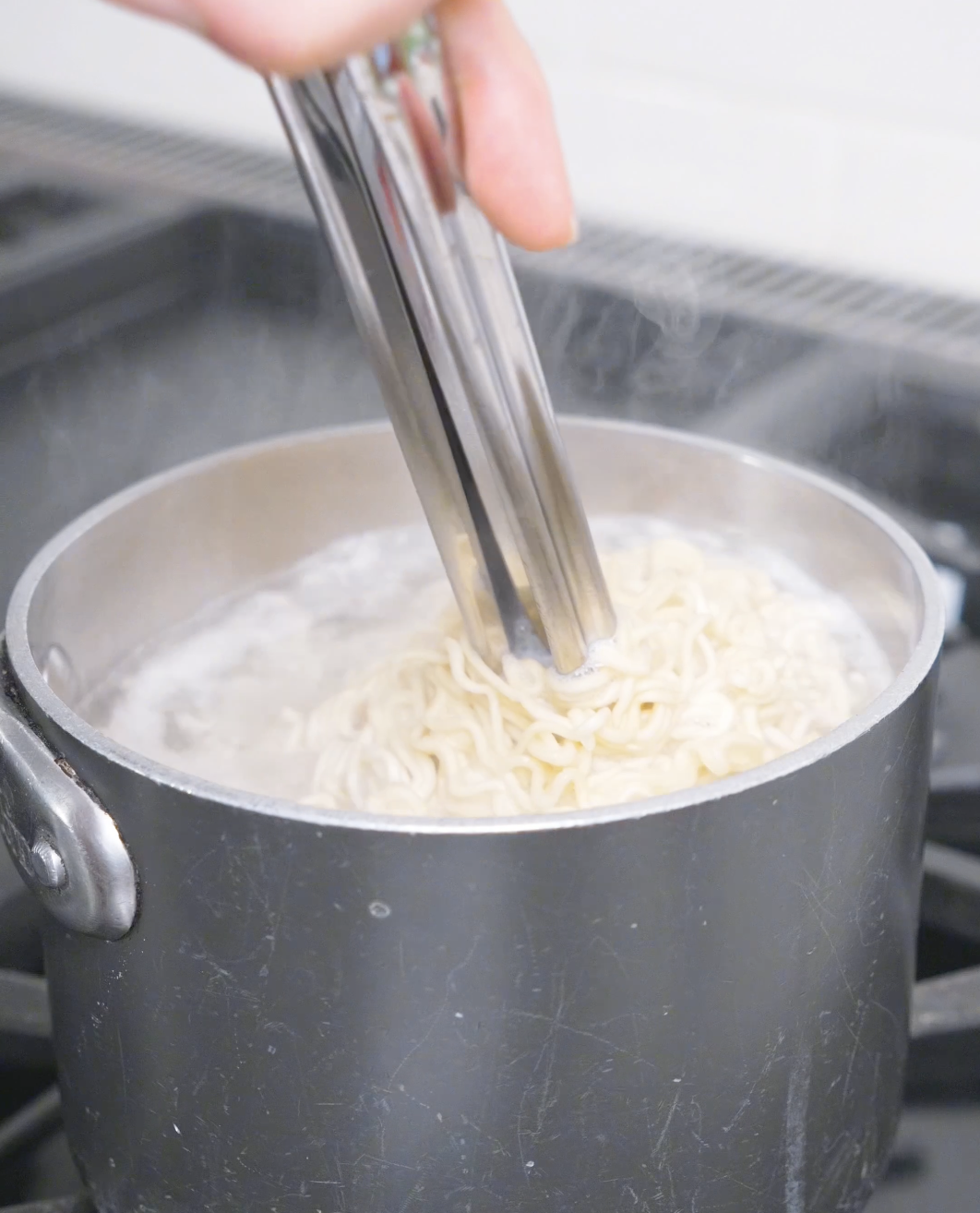
Bring a pot of water to a boil and cook the noodles until one minute short of al dente. Reserve about ¼ cup of the noodle water, then rinse and drain the noodles.
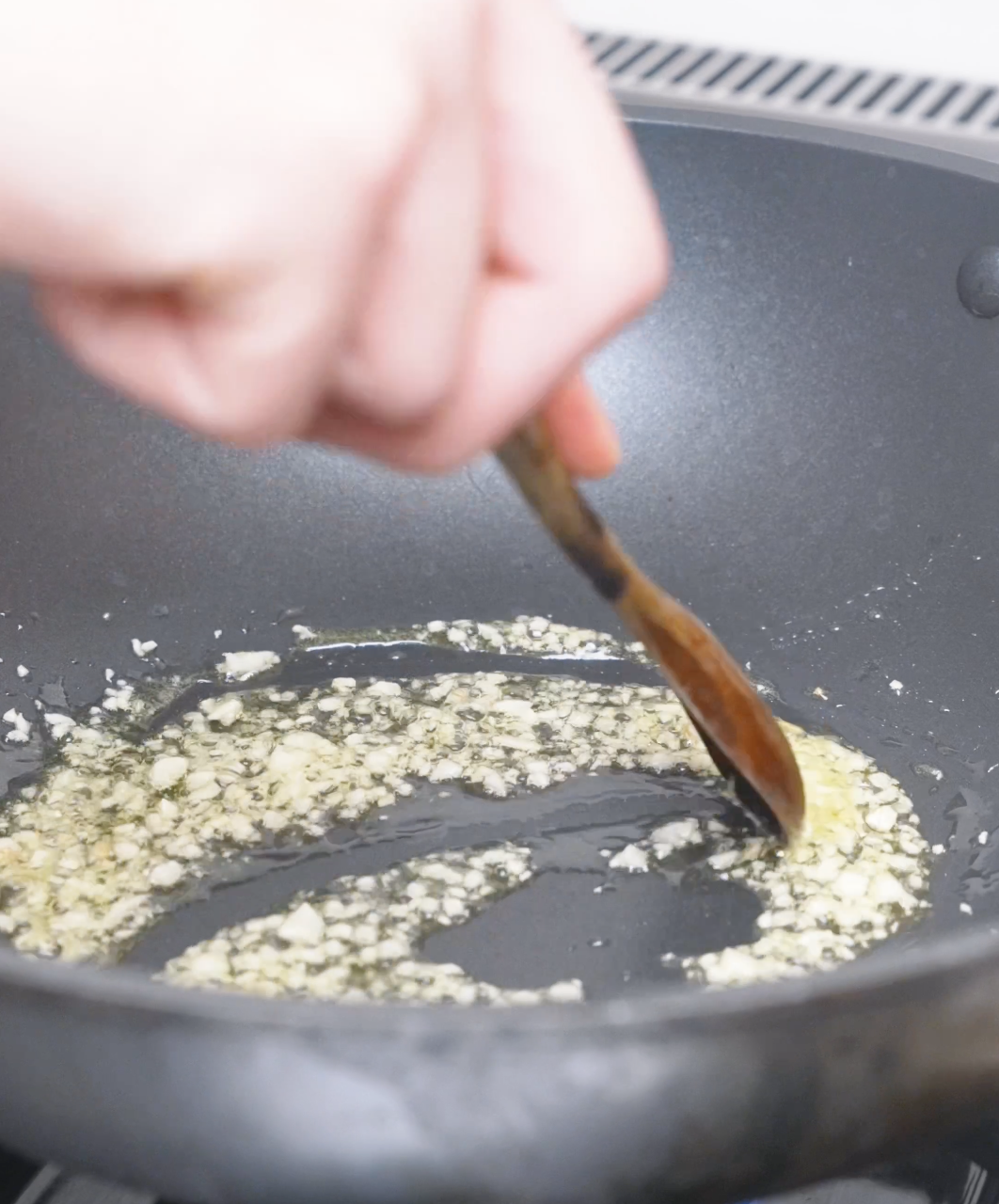
Heat a pan over medium heat with a bit of oil. Add the minced garlic and cook until fragrant, about 30 seconds.
Add the heavy cream, light soy sauce, sugar, and curry roux cube. Mix until the roux fully dissolves and the sauce is smooth and well incorporated.
Add the noodles and the reserved noodle water, then toss until the sauce clings to the noodles.
Transfer to a bowl and optionally garnish with sesame seeds, scallions, and red chili flakes.
More of a visual learner? Check out my video recipe below. 👇
Optional Variations & Dietary Adaptations
One of my favorite things about these creamy curry noodles is you can tweak them as much as you need to suit your taste, your diet, or whatever you have on hand. Here are just a few ways to make this recipe your own:
- Dairy-Free — Swap the heavy cream for full-fat canned coconut milk. It adds its own subtle sweetness and keeps the same luscious, creamy texture.
- Gluten-Free — Make curry rice noodles or swap in gluten-free ramen. Tamari is a great gluten-free swap for soy sauce. Double-check your curry roux, since it can sometimes contain wheat.
- Vegan — For a vegan version, use full-fat canned coconut milk in place of the cream and confirm your curry roux doesn’t contain any hidden animal-derived ingredients (some brands sneak in beef or chicken fat).
- Spicier Version — Reach for a hot curry roux instead of mild, and don’t be shy with the red chili flakes. You can also add a drizzle of chili oil for an extra kick.
- Lighter Version — Use half-and-half instead of heavy cream for a lighter sauce, use lower-calorie noodles and bulk up with extra veggies to fill you up without weighing you down.
- Low-Carb — Sub in shirataki noodles, heart of palm noodles, or spiralized zucchini noodles for a lower-carb take.
- One-Pot Meal — Toss in a handful of frozen mixed vegetables (peas, carrots, corn) directly into the sauce for a quick, no-fuss way to round out the meal without extra dishes.
Expert Tips & Tricks
- Don’t skip the reserved noodle water. That starchy liquid is liquid gold—it helps the sauce cling to the noodles and gives you a perfect silky consistency without watering down the flavor.
- Break up the curry roux before adding it. Chopping or breaking the roux block into smaller pieces helps it melt into the sauce more evenly and quickly, so you won’t end up with stubborn clumps.
- Keep the heat low once the cream goes in. High heat can cause dairy-based sauces to separate or curdle, so a gentle simmer is your friend here.
- Taste as you go. Curry roux brands vary a lot in saltiness and spice level, so add your soy sauce and sugar gradually and adjust to your liking rather than dumping it all in at once.
- Cook noodles just shy of al dente. They’ll continue to soften slightly as they mingle with the hot sauce, so pulling them a touch early keeps them from turning mushy.
- Toast your garlic gently. Golden and fragrant is the goal. Burnt garlic turns bitter fast and can throw off the whole dish.
- Serve immediately. This dish is best enjoyed fresh, since the noodles will keep absorbing the sauce the longer they sit, which can make leftovers thicker and stickier (still tasty, just different). If you think there will be leftovers, save even more of the noodle water for thinning out the sauce when you reheat it.
Serving Suggestions
This creamy curry noodle dish shines as a comforting standalone meal, but it’s also easy to add to a fuller spread. Serve it alongside a simple cucumber salad or quick-pickled vegetables to add a refreshing, tangy contrast to the rich sauce. A light miso soup or clear broth on the side also works beautifully, echoing the Japanese flavors without competing with the main dish.
If you’re feeding a crowd, consider setting out small bowls of extra toppings—sesame seeds, scallions, chili flakes, chili oil, or crispy fried onions—so everyone can customize their bowl to taste. For a more casual, weeknight-friendly presentation, ladle the noodles straight into deep bowls and top with a soft-boiled egg and a sprinkle of scallions for a cozy, ramen-shop feel.
If you’re hosting or want something a little more special, plate it family-style in a large shallow dish, garnished generously and served with chopsticks and spoons so guests can help themselves. Either way, pair it with a cold glass of iced tea, a Japanese lager, a dry white wine, or even sparkling water with lime to balance out the richness of the curry cream sauce.
Storage & Reheating
- Refrigeration: Store leftovers in an airtight container in the fridge for up to 3 days, keeping in mind the noodles will continue to soak up the sauce as they sit. If possible, save some reserved noodle water in a separate container for reheating.
- Freezing: Freezing isn’t recommended, since the cream-based sauce tends to separate and turn grainy once thawed.
- Reheating: Warm gently on the stovetop over low heat with a splash of reserved noodle water or milk to loosen the sauce back up, stirring frequently until heated through.
FAQs
Where do curry noodles come from?
Curry noodles trace back to the broader tradition of Japanese curry, which itself has roots in British curry dishes introduced to Japan in the late 1800s during the Meiji era, later adapted with local ingredients and roux-based thickening. Curry rice dishes like Japanese ground beef curry became a staple first, and curry udon followed as a natural offshoot. This creamy version draws on that same Japanese curry roux base, fused with a more Western, cream-sauce approach to noodles.
What kind of noodles are in curry?
Traditional Japanese curry noodle dishes typically use udon—thick, chewy wheat noodles that hold up well to the rich, starchy curry sauce. That said, this recipe is flexible: ramen noodles, egg noodles, or even rice noodles all work nicely if that’s what you have on hand.
Are curry noodles healthy?
It depends on how they’re made, but they’re not typically considered a “health food” in the strictest sense. This creamy recipe leans indulgent since heavy cream adds richness and calories, so it’s best enjoyed as a comfort-food treat rather than an everyday staple. That said, you can lighten it up—swap in lower-fat cream or coconut milk, load up on vegetables, and add lean protein like chicken or tofu to make it more balanced.
What to add to curry noodles?
You have so many options! From protein to veggies to little flavor boosters, there’s a wide world of curry noodle add-ons. Hop back up to the section “Add-On Ideas” for lots of inspiration.
More Noodle Stir Fry Recipes
Craving more noodles? Try my Garlic Sesame Noodles, Beef Curry Udon, or Teriyaki Stir Fried Udon!