Korean BBQ Short Rib Recipe
Ingredients
- 1 lb thinly sliced short ribs, LA-style / flanken cut
- Neutral oil, for cooking
For the Marinade
- 3 tbsp light soy sauce
- 1 tbsp dark soy sauce
- 1 tsp sesame oil
- ¼ cup water
- 2 tbsp brown sugar
- ¼ onion
- 4 cloves garlic
- 1 inch piece ginger
- ½ Korean apple pear
Optional Garnish
- Sesame seeds
- Scallions
Instructions
- In a blender, add the light soy sauce, dark soy sauce, sesame oil, water, brown sugar, onion, garlic cloves, ginger, and Korean apple pear. Blend until smooth.
- Place the thinly sliced short ribs in a bowl and cover with the marinade. Marinate for at least 4 hours, but preferably overnight.
- Heat a grill or frying pan over medium-high heat with a bit of oil. Lay the short ribs down and cook for about 3 minutes per side, removing from the heat once the edges start to char.
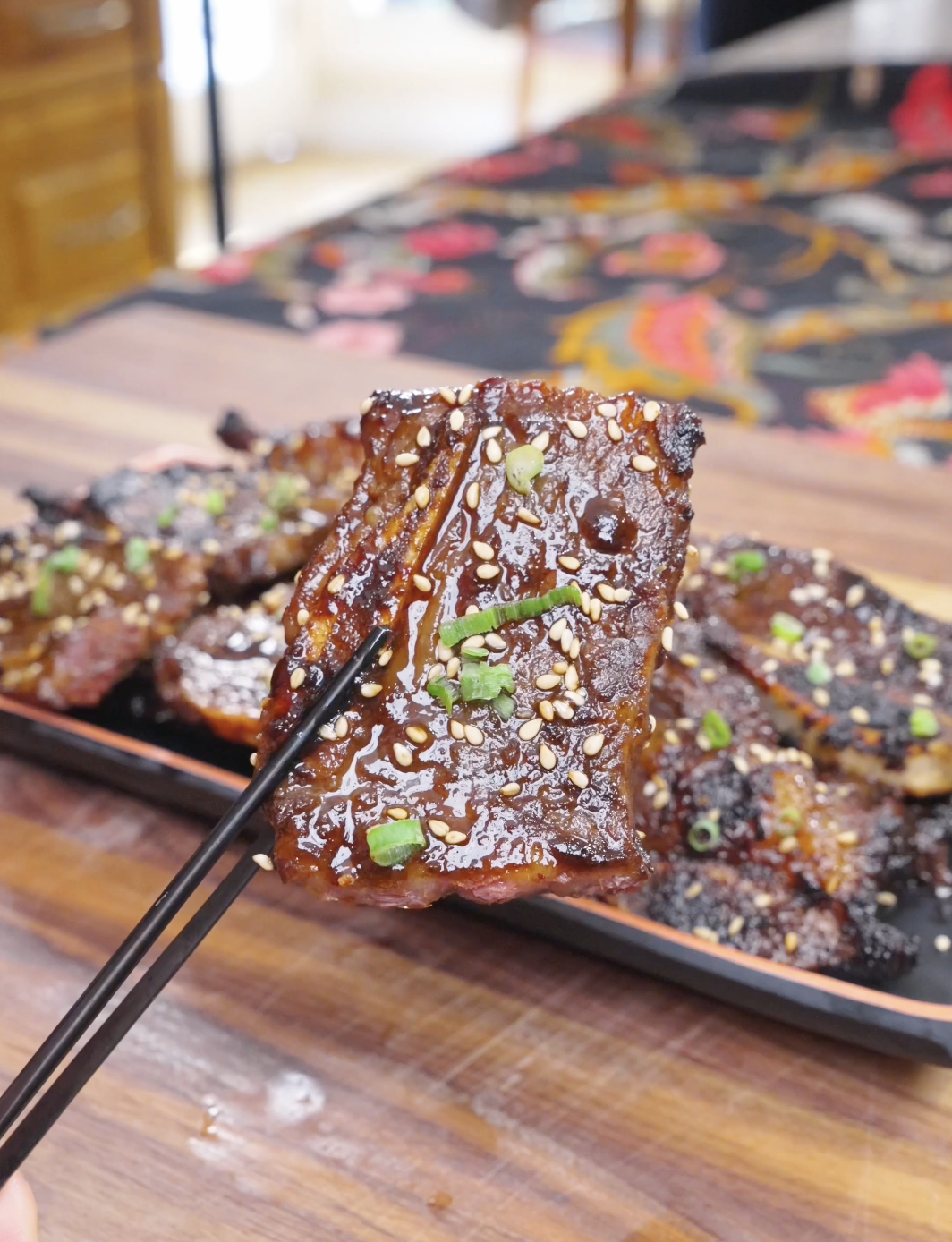
- Place the short ribs on a plate. Optionally garnish with sesame seeds and scallions. But it’s your food, you eat it how you like.
Video
Notes
- Marinate at least 4 hours, ideally overnight, so the pear’s enzymes can tenderize the meat.
- Blend the marinade rather than whisking it — it coats every piece evenly.
- Pat the ribs dry before they hit the heat so they sear instead of steaming.
- Cook hot and fast. Thin slices only need a couple of minutes per side.
- Prep time does not include marinating.
My deliciously simple Korean BBQ Short Ribs recipe is about to turn your dinner table into a gee dang celebration! These juicy, crisp-edged short ribs are marinated in a rich, savory-sweet blend of soy sauce, garlic, ginger, sesame oil, and just a touch of brown sugar and Asian pear to help tenderize the meat and deepen the flavor. The magic happens as the ribs soak up every bit of marinade which then cooks to a glossy, caramelized glaze that clings to every bite. Whether you’re grilling them up for a backyard cookout or using a grill pan indoors for a cozy family dinner, this recipe brings that unmistakable balance of smoky char, deep umami, and just the right hint of sweetness that Korean barbecue is famous for. It’s the kind of dish that turns any regular weeknight into something worth savoring!
Table of Contents
- Korean BBQ Short Rib Recipe
- Why You’ll Crave This BBQ Korean Beef Short Ribs Recipe
- Ingredients & Substitutions
- Understanding Short Ribs: What to Look For
- How to Make Korean BBQ Short Ribs
- Optional Variations & Dietary Adaptations
- Expert Tips & Tricks
- Serving Suggestions
- Storage & Reheating
- FAQs
- More Korean Recipes
Why You’ll Crave This BBQ Korean Beef Short Ribs Recipe
What makes this BBQ beef short ribs recipe so easy to fall in love with is just how uncomplicated it is. You only need 10 ingredients, most of which are probably already sitting in your pantry or fridge right now. There’s no complicated technique: just thinly sliced LA-style short ribs soaking up a blender-made marinade of light and dark soy sauce, toasted sesame oil, brown sugar, onion, garlic, fresh ginger, and Korean apple pear. The blended marinade is the secret weapon of this whole dish, since the apple pear naturally tenderizes the meat while the combination of soy sauces and sesame oil builds layers of deep, savory flavor with zero fuss. And because the short ribs are sliced thin, they cook up fast—just a few minutes per side on a hot grill or pan is all it takes to get those irresistibly charred edges everyone fights over. It’s the kind of recipe you’ll find yourself making on repeat because the ratio of effort to flavor payoff is unbeatable.
Ingredients & Substitutions
- Thinly Sliced Short Ribs (LA-style / flanken cut) – This cut is key for classic BBQ Korean short ribs texture—it’s sliced across the bone so you get those pretty little rib cross-sections in every piece, and it cooks up fast on the grill. Ask your butcher for “LA galbi” or “flanken cut” if you don’t see it labeled that way. No short ribs on hand? Thinly sliced ribeye or boneless beef short rib will still give you great flavor, just without the fun bone bits.
- Neutral Oil – Just here to help things sear nicely without burning or adding extra flavor. Vegetable, canola, or avocado oil all work great. Really any oil with a high smoke point will do the trick.
For the Marinade
- Light Soy Sauce – This is your main salty, savory backbone.
- Dark Soy Sauce – Adds richness, a deeper color, and a slightly more molasses-like sweetness. If you don’t have any, you can swap in regular soy sauce and add a touch more brown sugar to compensate, though the marinade won’t be quite as dark and glossy.
- Toasted Sesame Oil – This little bottle brings so much of that signature nutty, aromatic flavor you associate with Korean BBQ. Make sure it’s toasted (not plain) sesame oil, as it’s a totally different flavor profile.
- Water – Simply helps loosen up the marinade so it blends smoothly and coats the meat evenly. If possible, start with filtered water for the cleanest taste.
- Brown Sugar – Balances out all that salty soy sauce with a little sweetness and helps create that beautiful caramelized char when it hits the heat. White sugar or even honey can step in if that’s what you’ve got.
- Onion – Adds natural sweetness and helps tenderize the meat as it marinates. Yellow, red or white onions all work fine.
- Garlic – Because what’s a good marinade without garlic? Fresh cloves are best for flavor, but jarred minced garlic works in a pinch.
- Fresh Ginger – Brings a little warmth and brightness that cuts through the richness of the beef. Ground ginger can work as a backup, though fresh really is worth it here if you can manage it. If you opt for ground, use about ⅓ as much as it’s more potent.
- Korean Apple Pear – This is the not-so-secret secret ingredient for making the best Korean BBQ sauce. Its natural enzymes help tenderize the meat while adding a subtle sweetness. If you can’t find Korean pear, a regular pear or even a sweet apple like Fuji or Gala can step in as a substitute.
Optional Garnish
- Sesame Seeds – Just a little crunch and visual flair on top. Toasted adds depth of flavor, but raw works too.
- Scallions – Adds a pop of color and fresh, mild onion bite right at the end.
This is just a short review of the ingredients; for the complete recipe, including quantities, scroll down to the recipe card 👇
Understanding Short Ribs: What to Look For
Not all short ribs are created equal, so knowing what to look for at the butcher counter can really make or break this dish. For Korean BBQ, you specifically want the LA-style cut (sometimes labeled “flanken” or “kalbi”), which is sliced thinly across the bone rather than between the bones like traditional English-cut short ribs. This cross-cut method gives you those signature little rounds of bone running through each strip of meat, and it’s what allows the ribs to cook quickly and evenly over high heat instead of needing hours of slow braising.
When you’re picking out your short ribs, look for pieces with good, even marbling throughout. Those thin white streaks of fat running through the meat are what melt down during cooking and keep the beef juicy and flavorful rather than tough or dry. The meat should be a deep, rich red color, and the fat should be creamy white rather than yellowish, which can be a sign of age. Try to find slices that are fairly uniform in thickness, ideally about a quarter-inch thick, since this helps them cook evenly and pick up that nice char on the grill without overcooking in the middle.
If your grocery store doesn’t carry LA-style short ribs pre-cut, don’t be afraid to ask the butcher to slice them for you! Most are happy to do it, and it’s a much easier ask than you’d think. Asian markets are also a great resource if you have one nearby, since this cut is a staple there and usually easy to find already sliced and ready to marinate.
How to Make Korean BBQ Short Ribs
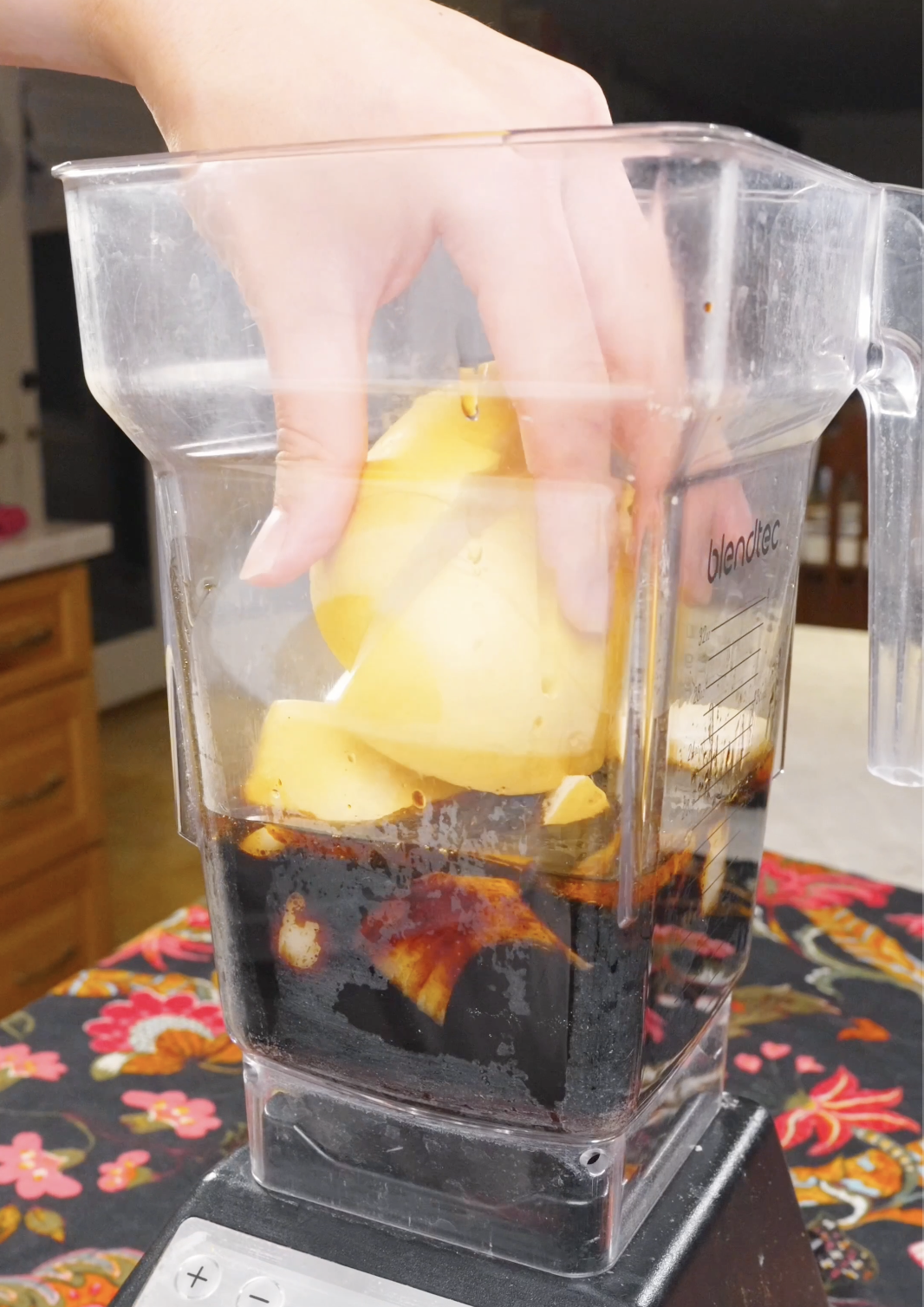
In a blender, add the light soy sauce, dark soy sauce, sesame oil, water, brown sugar, onion, garlic cloves, ginger, and Korean apple pear. Blend until smooth.
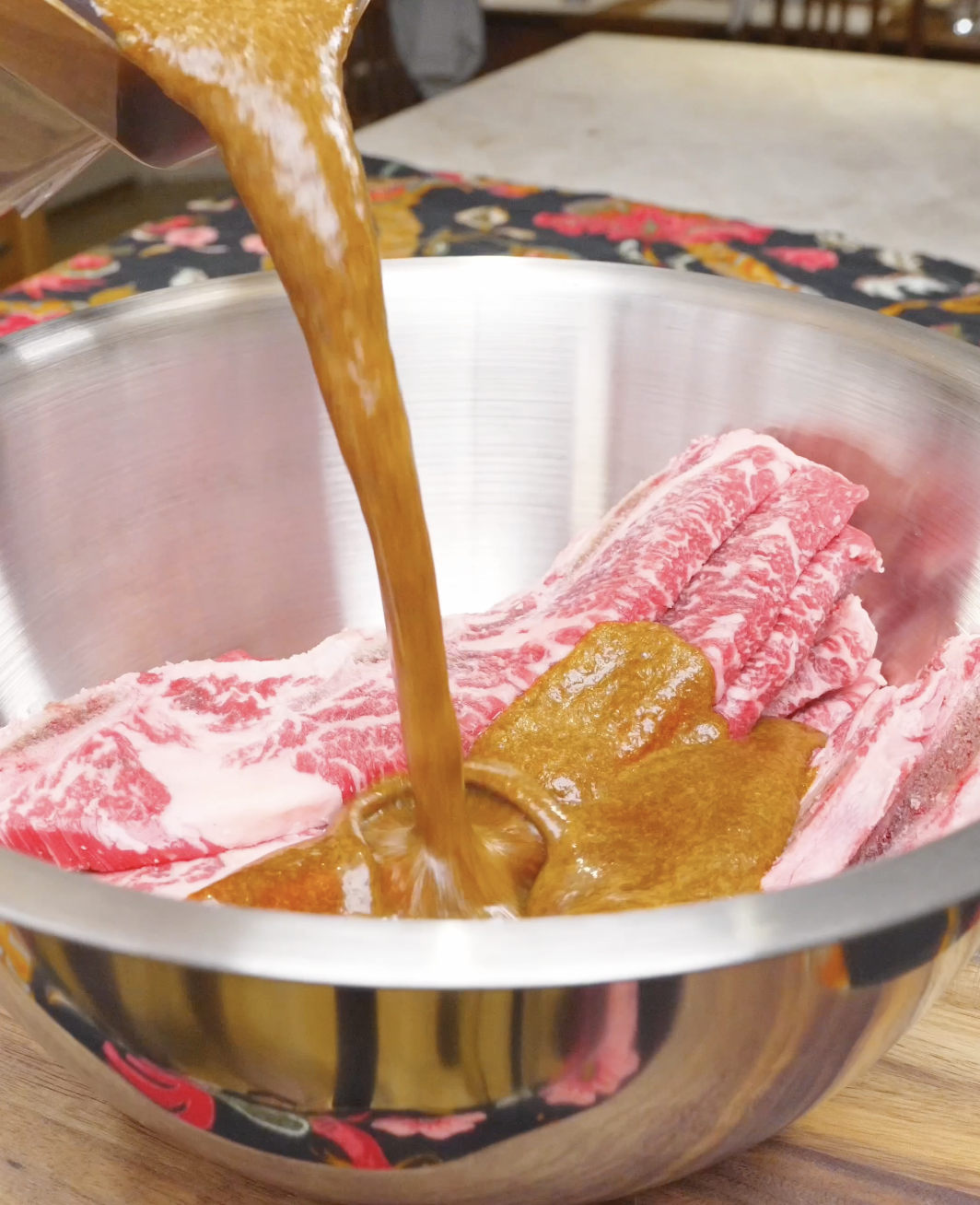
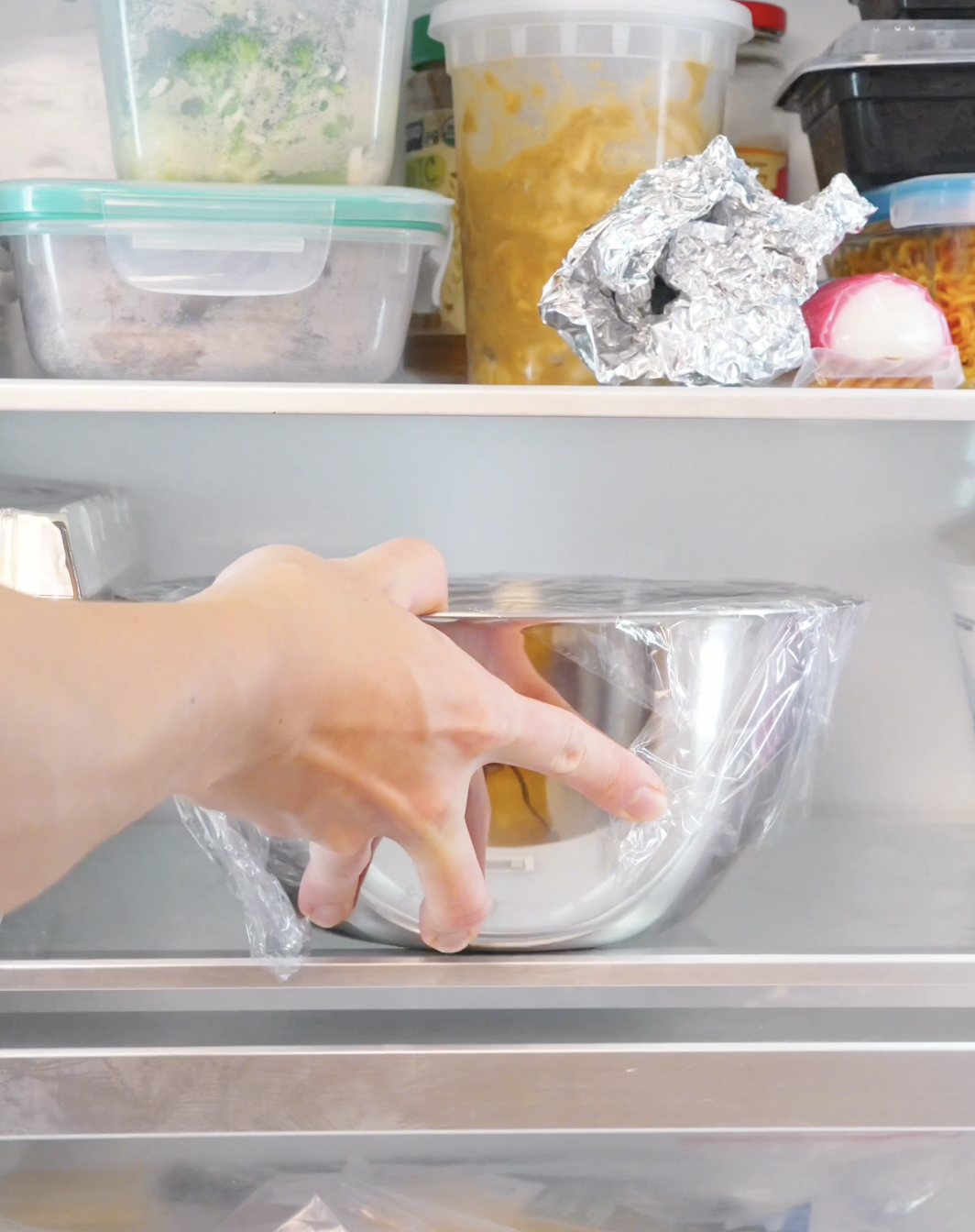
Place the thinly sliced short ribs in a bowl and cover with the marinade. Marinate for at least 4 hours, but preferably overnight.
Heat a grill or frying pan over medium-high heat with a bit of oil. Lay the short ribs down and cook for about 3 minutes per side, removing from the heat once the edges start to char.
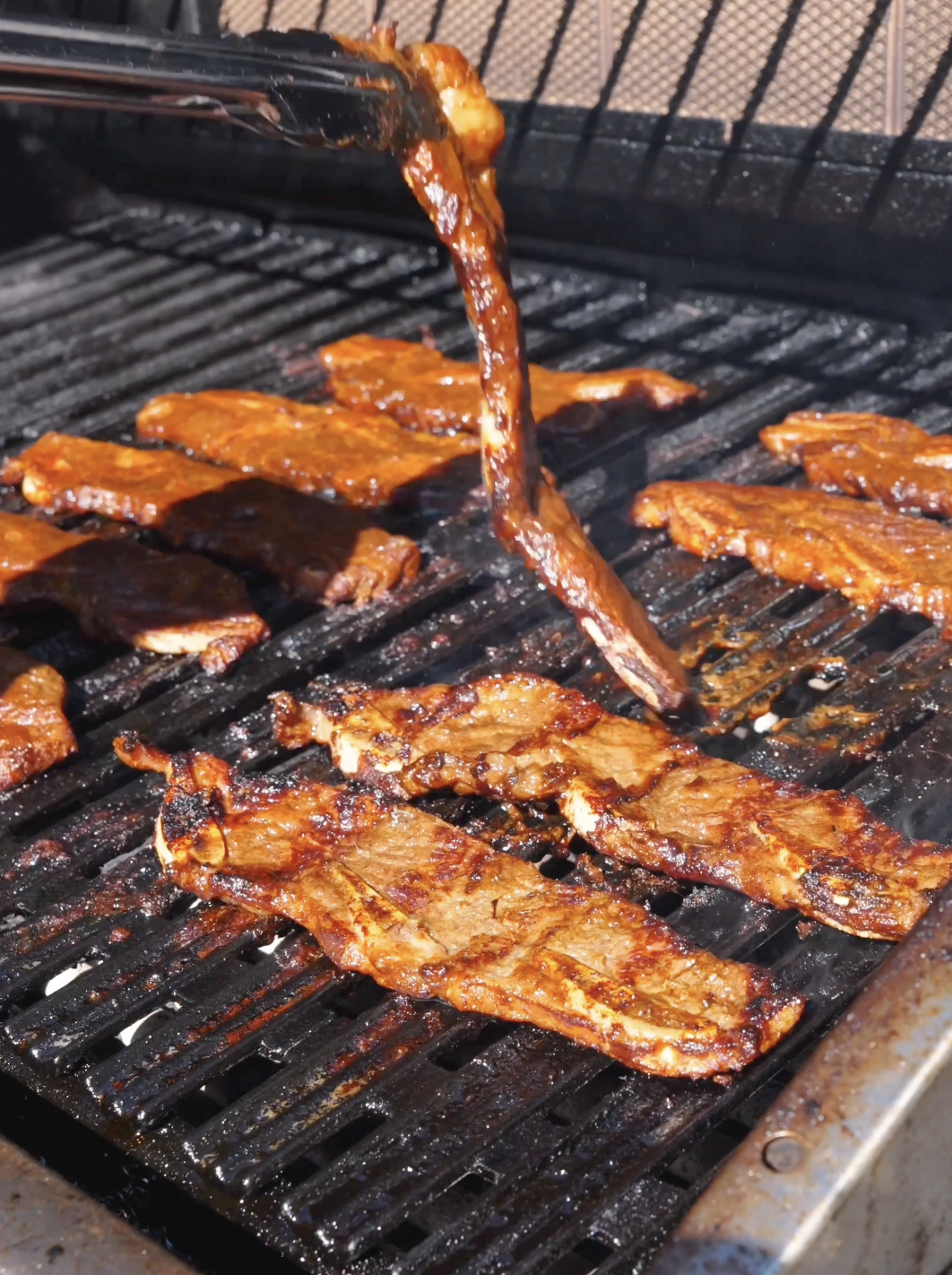
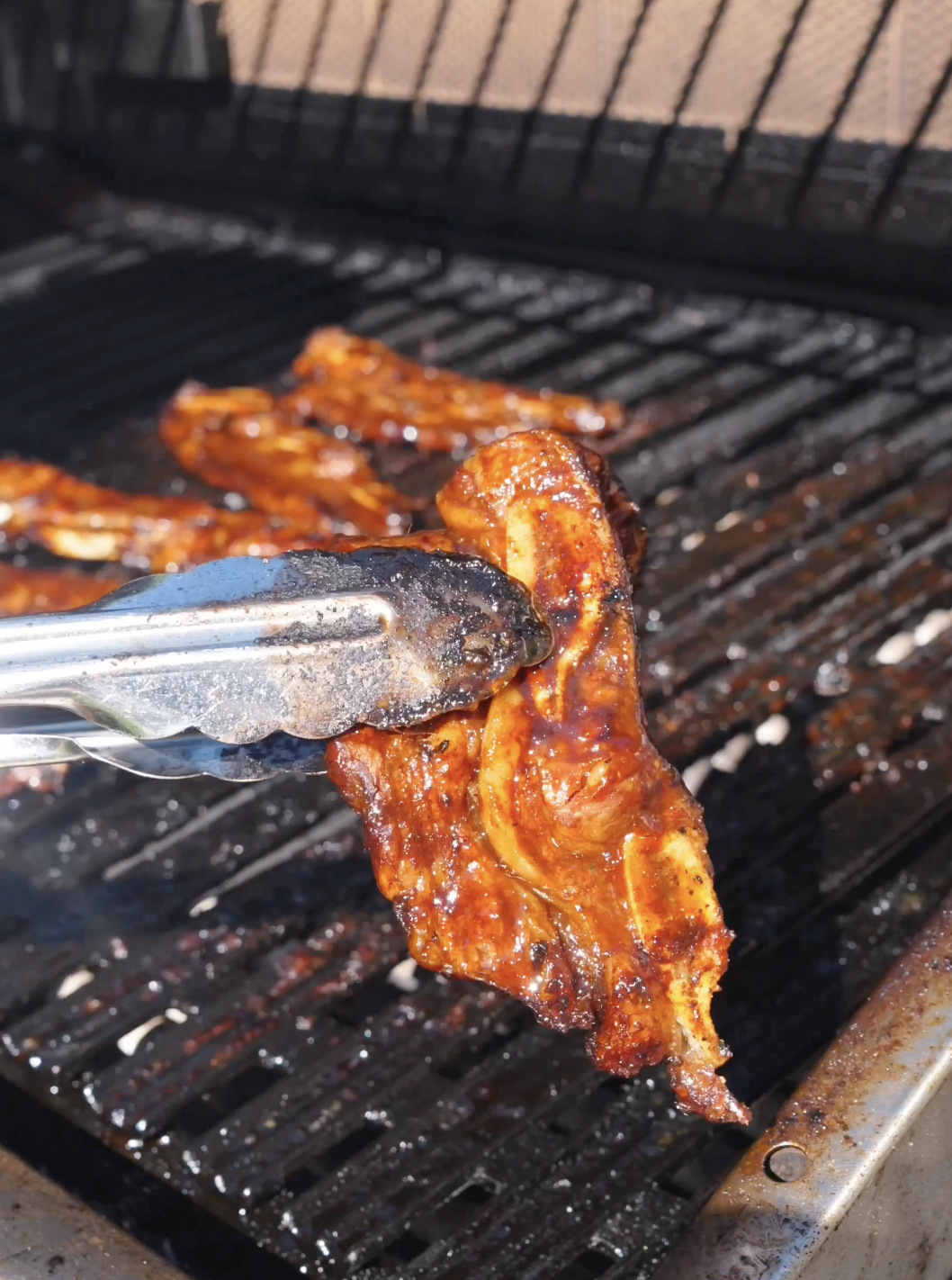
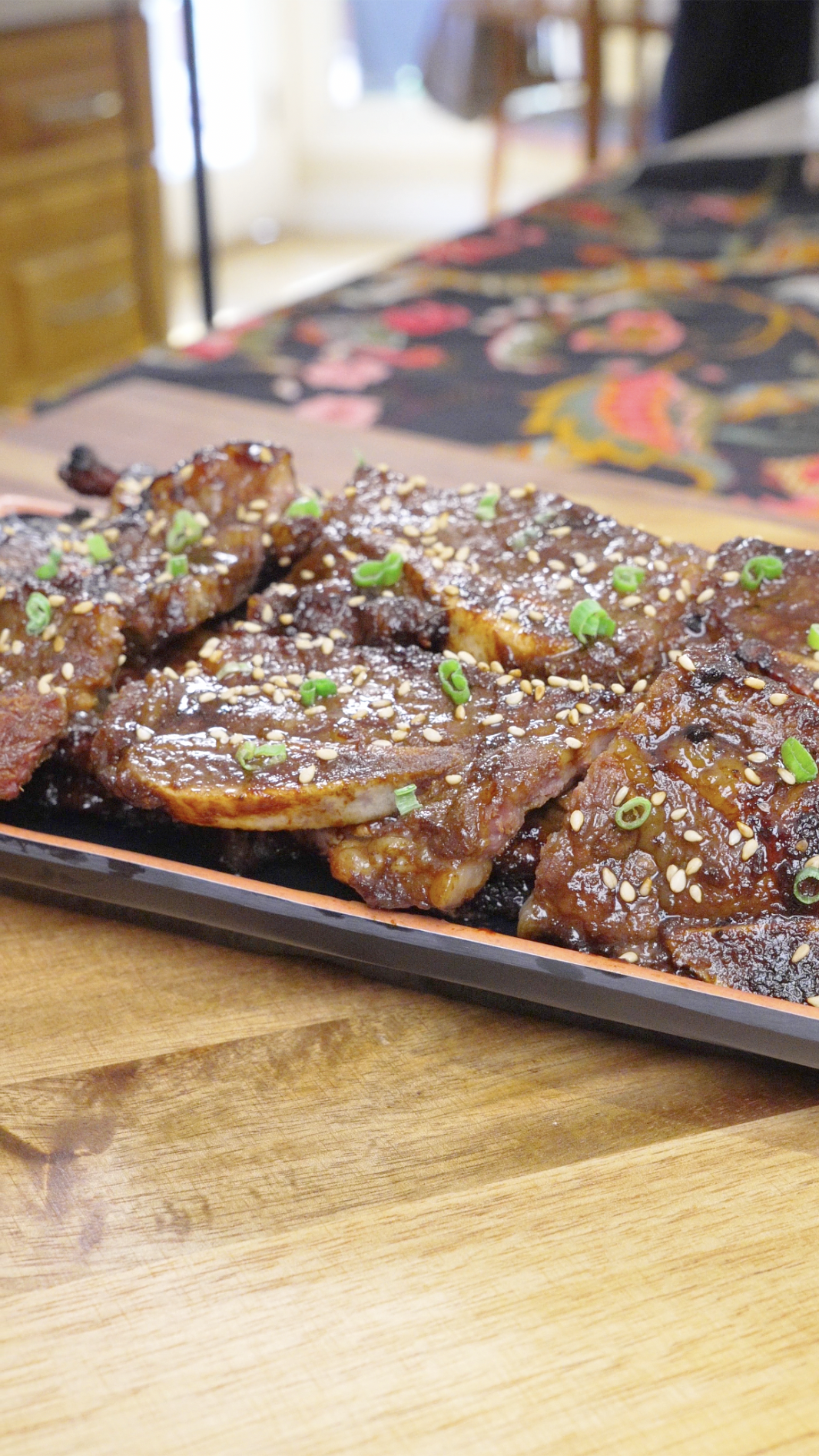
Place the short ribs on a plate. Optionally garnish with sesame seeds and scallions. But it’s your food, you eat it how you like.
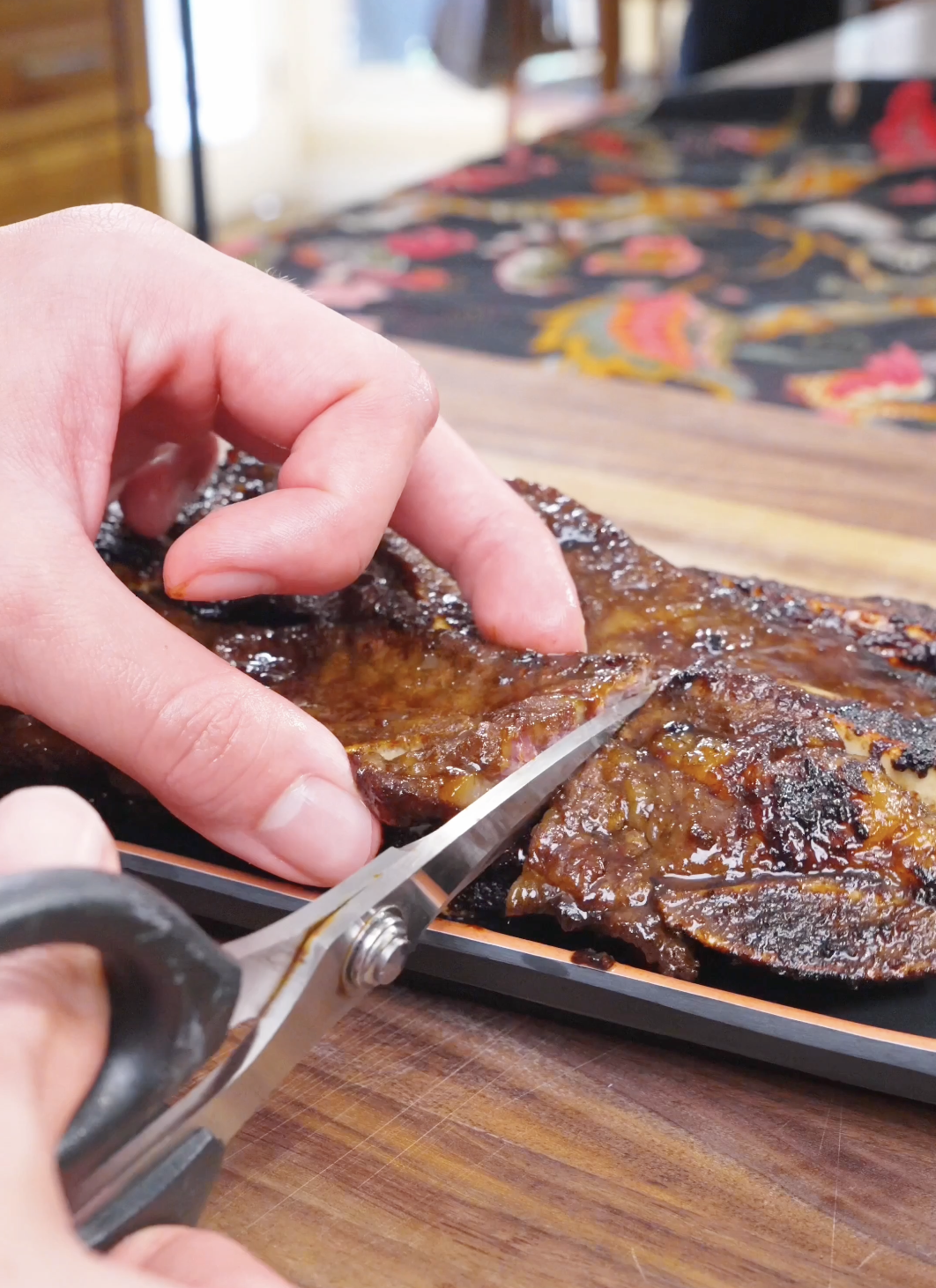
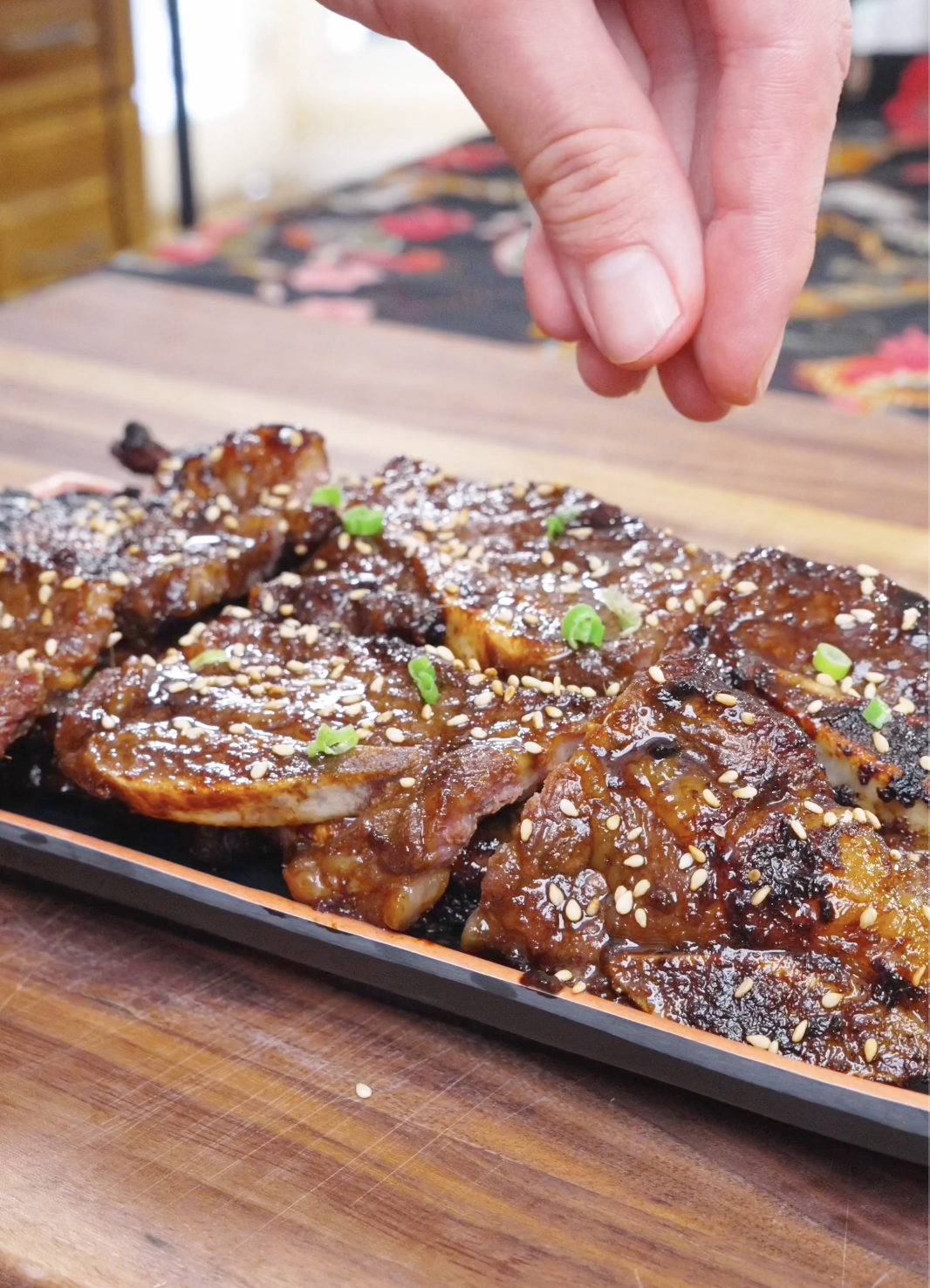
More of a visual learner? Check out my video recipe below. 👇
Optional Variations & Dietary Adaptations
This BBQ Korean beef short ribs recipe is pretty flexible, so don’t be afraid to make it your own depending on what you’re craving or what you’ve got in the kitchen.
- Spicy – If you like a little heat, try mixing a spoonful of gochujang or a sprinkle of gochugaru into the marinade. It’ll give the ribs a spicy, slightly funky kick that pairs beautifully with the sweetness from the pear and brown sugar.
- Citrusy & Bright – A splash of orange juice or a little grated lime zest in the marinade can lighten things up and add a fun twist on the classic flavor.
- Lower-Sodium – Swap in a low-sodium soy sauce (or coconut aminos) for both the light and dark soy sauce, and cut back slightly on the added sugar to balance things out. If you’re avoiding gluten, coconut aminos or a certified gluten-free tamari make an easy one-to-one swap for the soy sauces without sacrificing that deep umami flavor.
- Protein Swap – Not a beef eater? This marinade works wonderfully with other proteins too. Thinly sliced pork shoulder or pork belly soaks up the flavors just as well, and even boneless, skinless chicken thighs sliced thin can be marinated and grilled the same way for a lighter take.
- Vegetarian/Vegan – Try marinating thick slices of king oyster mushrooms or firm tofu—they won’t have quite the same char, but they’ll soak up all the sweet, savory marinade beautifully.
Expert Tips & Tricks
- Marinate longer than you think you need to. While even 30 minutes will give you great flavor, letting the short ribs sit in the marinade for at least 4 hours—or ideally overnight—really allows the apple pear’s natural enzymes to work their magic, tenderizing the meat and letting all the savory, sweet flavors soak in deep rather than just coating the surface.
- Don’t skip blending the marinade. Rather than just whisking the ingredients together, blending the onion, garlic, ginger, and pear into a smooth mixture helps distribute their flavors and tenderizing enzymes far more evenly across every piece of meat, so you’re not left with random bites that taste more marinated than others.
- Pat the meat dry before grilling. After marinating, give the short ribs a quick pat with a paper towel before they hit the heat. Too much excess marinade dripping onto a hot grill or pan can cause flare-ups or steam the meat instead of searing it, which means you’ll miss out on those crispy, caramelized edges.
- Cook over high heat, and cook fast. Because the ribs are sliced so thin, they really only need a couple of minutes per side. High heat is your friend here—it locks in that beautiful char before the meat has a chance to overcook and turn tough or chewy.
- Let the meat rest for a few minutes after cooking. Just like a good steak, letting the short ribs rest briefly before serving helps redistribute the juices, so every bite stays tender and flavorful instead of drying out the moment you slice into it.
- Save any extra marinade for basting. If you have marinade left over that hasn’t touched raw meat, brush a little onto the ribs while they’re grilling for an extra boost of flavor and shine. Just make sure it’s a portion you set aside before marinating, not the used marinade itself, to keep things food-safe.
Serving Suggestions
These BBQ beef short ribs really shine as the centerpiece of a full Korean BBQ-style spread, so don’t be shy about surrounding it with plenty of sides and little bites to round out the meal. A big platter of lettuce leaves for wrapping is always a good call. Just pile on a slice of grilled short rib, a dab of ssamjang, and maybe some steamed rice, then wrap it all up for that classic ssam experience.
Steamed white rice is practically non-negotiable here too, since it soaks up all that sweet, savory sauce beautifully. For something a little more indulgent on the side, this Korean corn cheese is sweet, cheesy, and endlessly scoopable. A plate of Korean garlic cheese bread also makes a fun, unexpected addition if you want something a little more shareable and snacky at the table.
If you’re feeding a crowd or just want to turn this into more of a full spread, pairing your Korean BBQ short ribs with contrasting textures and temperatures works really well. A cold, spicy noodle dish is the perfect counterbalance to the rich, charred beef — try these Korean spicy cold noodles or this spicy bibim-naengmyeon recipe for a refreshing, tangy bite in between mouthfuls of short rib.
And if you’re planning a bigger get-together or just want to stretch your meat, take a note from this Korean fried chicken sandwich and pile all the saucy beef onto a soft roll with crunchy coleslaw and a smear of spicy wasabi mayo.
Storage & Reheating
- Refrigeration: Once the short ribs have cooled to room temperature, transfer them to an airtight container and store them in the fridge for up to 3-4 days.
- Freezing: If you want to keep them longer, Korean BBQ shortribs freeze really well. Just place the cooled meat in a freezer-safe bag or container, pressing out as much air as possible, and they’ll keep well in the freezer for up to 2-3 months. When you’re ready to eat, just let them thaw overnight in the fridge before reheating.
- Reheating: The goal is to warm the meat through gently without drying it out or making it tough, since these thin slices can overcook quickly the second time around too. The microwave works in a pinch—just cover the ribs loosely and heat in short 20-30 second bursts, checking often, so you don’t end up with rubbery edges. For best results, though, a quick reheat in a skillet over medium-low heat is the way to go; add a splash of water or extra marinade to the pan to help steam the meat and keep it moist, and just warm it through for a few minutes on each side.
FAQs
Is beef short rib good for Korean barbecue?
Absolutely! Beef short ribs are actually one of the most popular cuts for Korean barbecue, precisely because of their rich marbling and flavor. When sliced thin and marinated, that fat renders beautifully over high heat, giving you tender, juicy meat with crispy, caramelized edges that are hard to beat.
How long to barbecue Korean beef short ribs?
Since Korean short ribs are typically sliced very thin, they cook fast—usually just 2-3 minutes per side over high heat. You’re mainly looking for a nice char on the outside while the inside stays tender, so keep an eye on them and avoid overcooking, since thin cuts can dry out quickly.
What’s the difference between short ribs and Korean short ribs?
Traditional short ribs are usually cut thick, bone-in, and cooked low and slow to break down their toughness. Korean BBQ short ribs, on the other hand, are cut flanken-style—thin strips sliced across the bone—which allows them to cook quickly over high heat instead, making them perfect for grilling rather than braising.
What cut of meat are Korean short ribs?
Korean short ribs come from the beef short rib section, typically cut flanken-style across the bones so each slice contains several small cross-sections of bone. This thin, flanken cut is what makes them so ideal for quick marinating and fast grilling, which is the hallmark of Korean barbecue.
More Korean Recipes
Craving more Korean food? Try my Korean Braised Chicken, Korean Corn Cheese, or Korean Spicy Cold Noodles!