Sweet Asian Sticky Ribs Recipe
Ingredients
- 1 slab pork ribs, about 2 lb.
For the Dry Rub
- 1 tbsp salt
- 1 tsp black pepper
- 1 tbsp garlic powder
- 1 tbsp paprika
- 2 tbsp sugar
For the Glaze
- 1 tbsp dark soy sauce
- 2 tbsp light soy sauce
- 3 cloves garlic, minced
- 2 tbsp oyster sauce
- 2 tbsp hoisin sauce
- 3 tbsp brown sugar
Optional Garnish
- Sesame seeds
- Scallions
Instructions
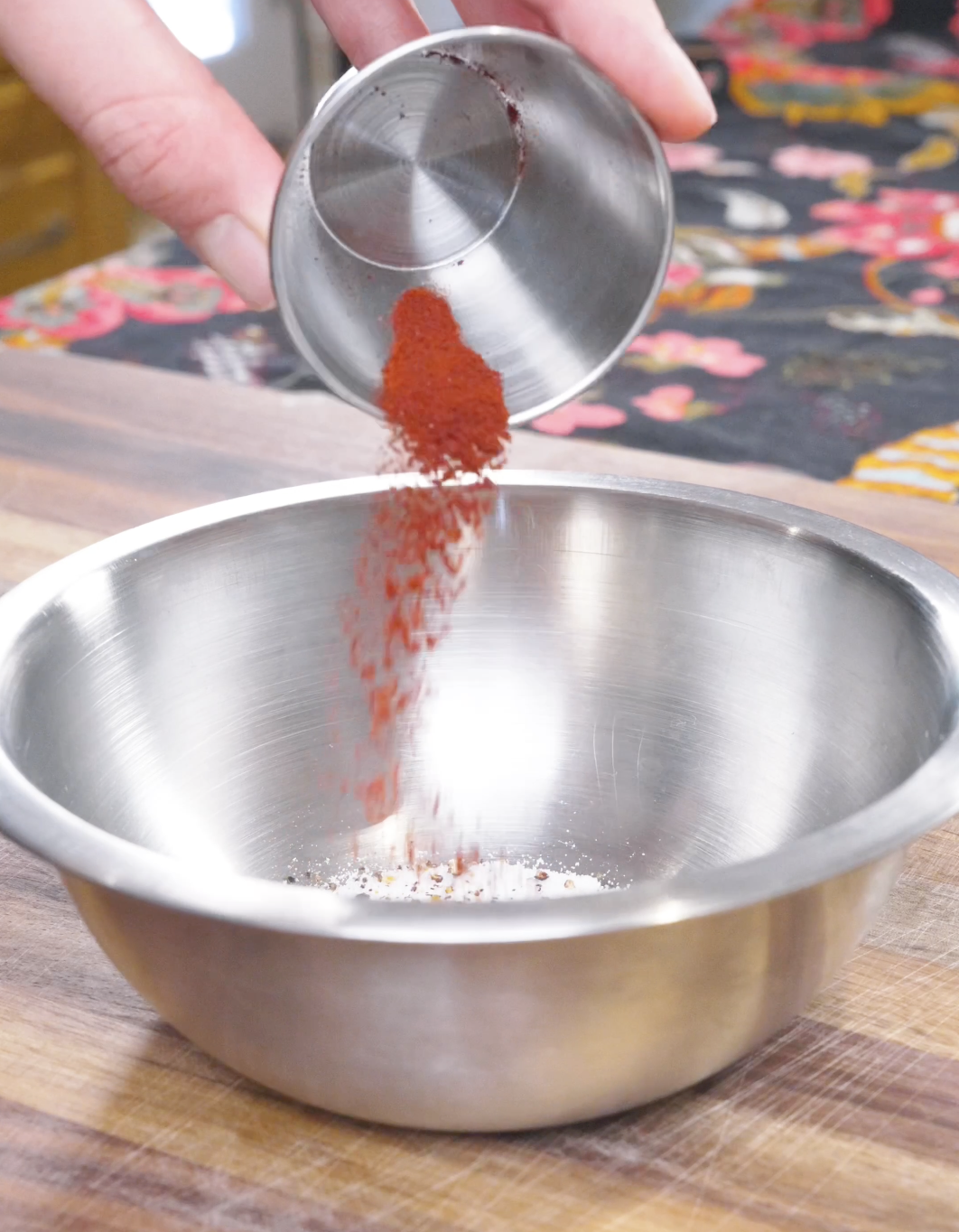
- Combine the salt, pepper, garlic powder, paprika, and sugar and mix thoroughly.
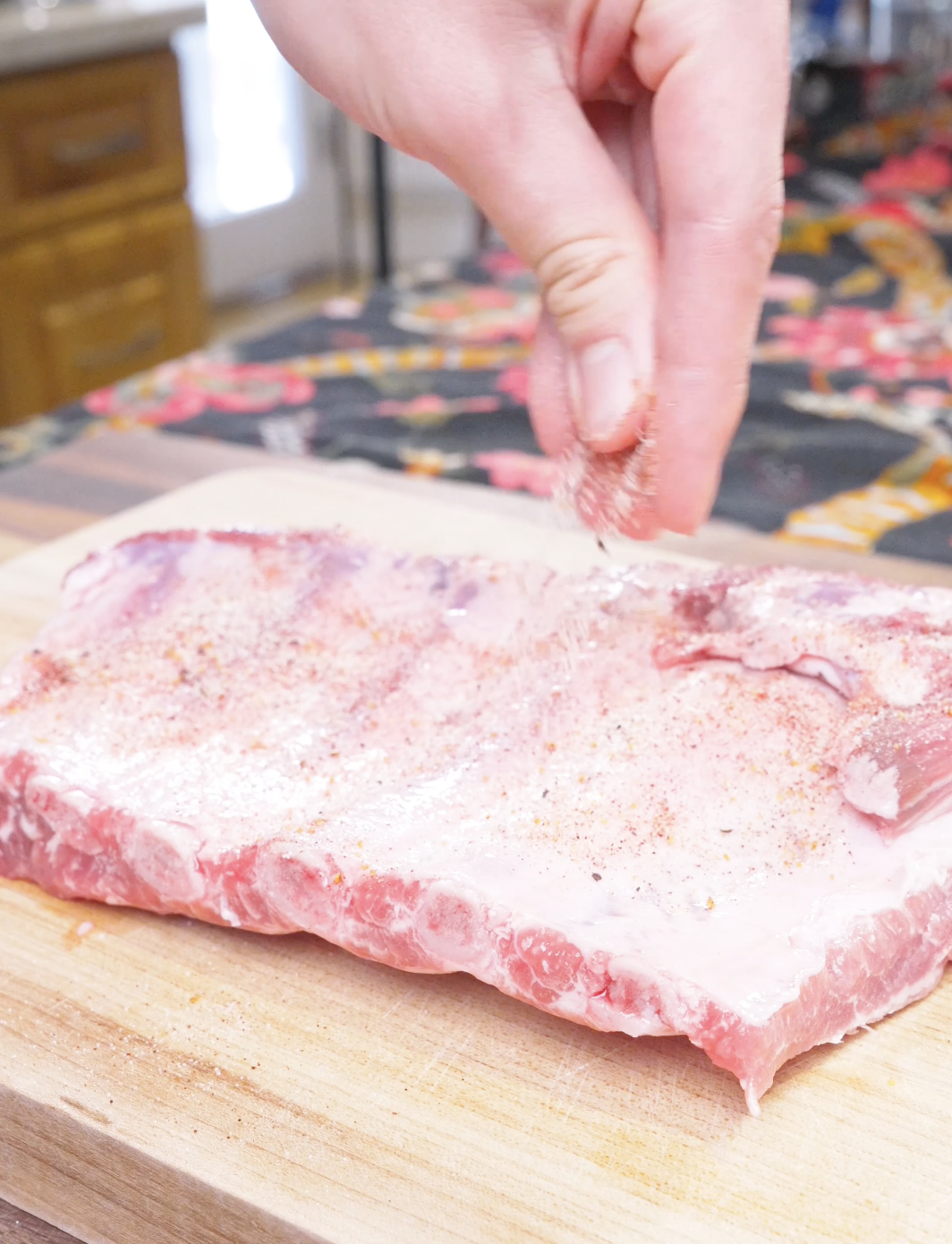
- Take the slab of ribs and rub the seasoning mix in on both sides, making sure every surface is covered.
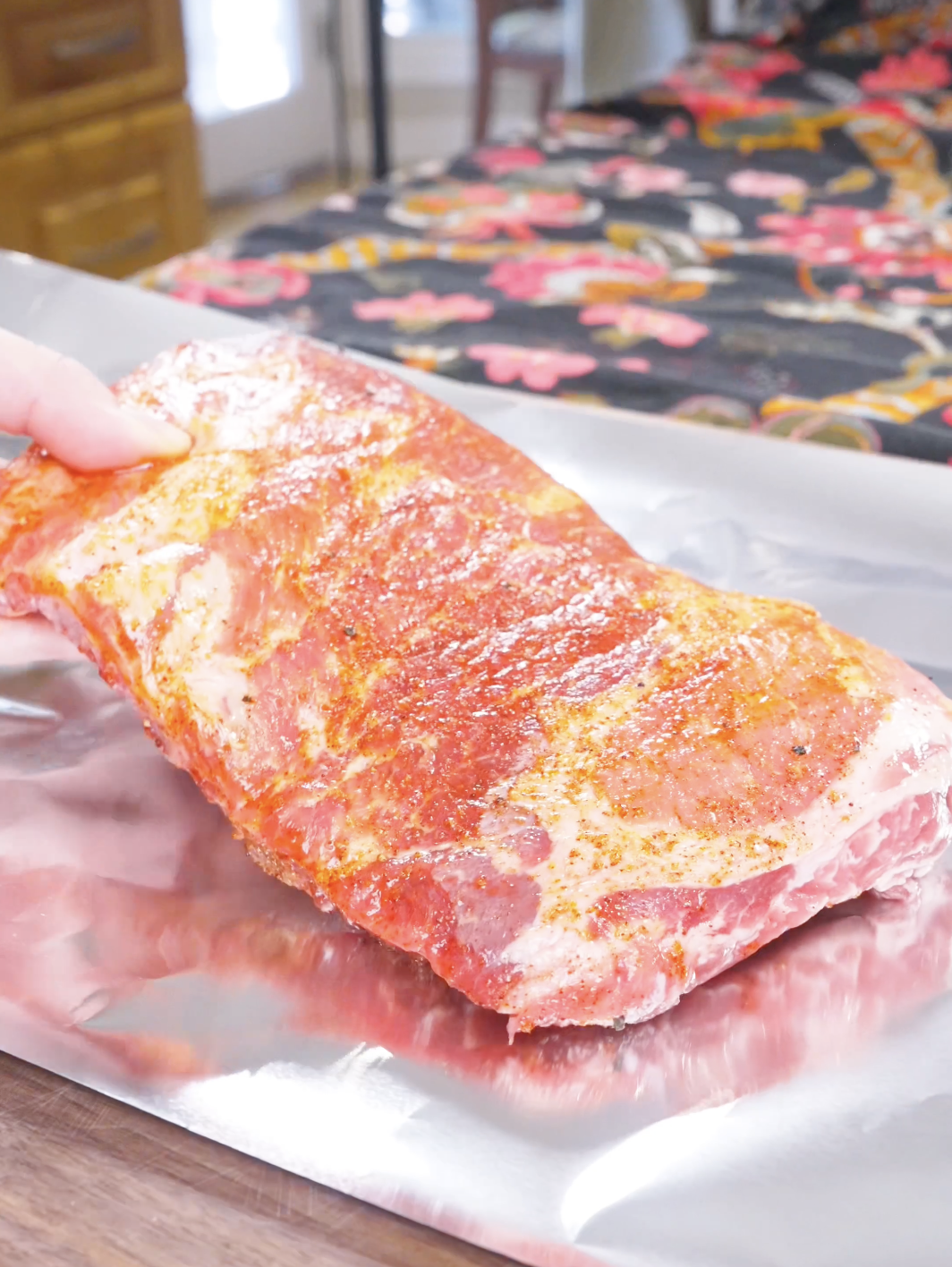
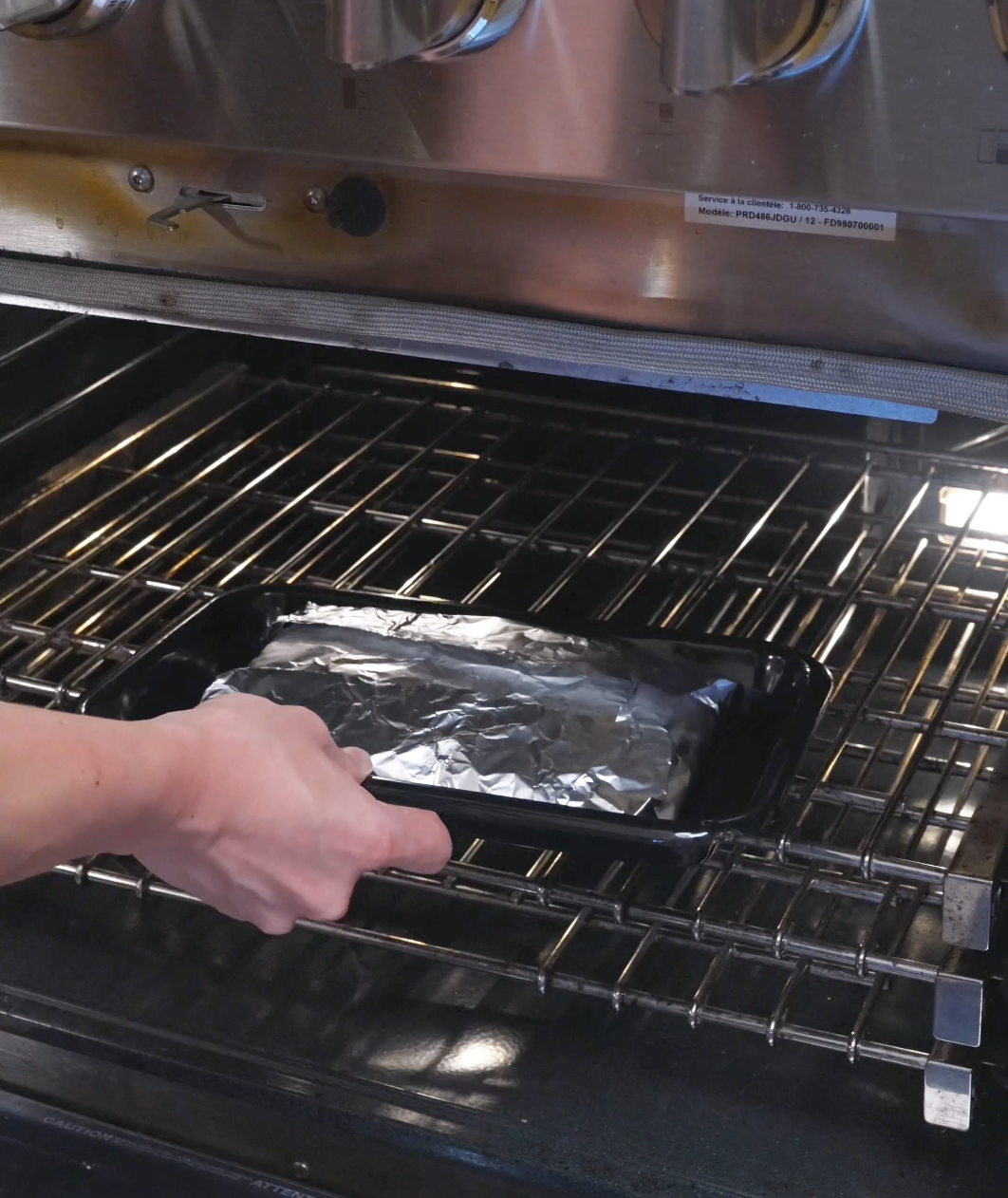
- Wrap the ribs tightly in foil like a package, place on a baking sheet, and bake at 250°F for 3 hours.
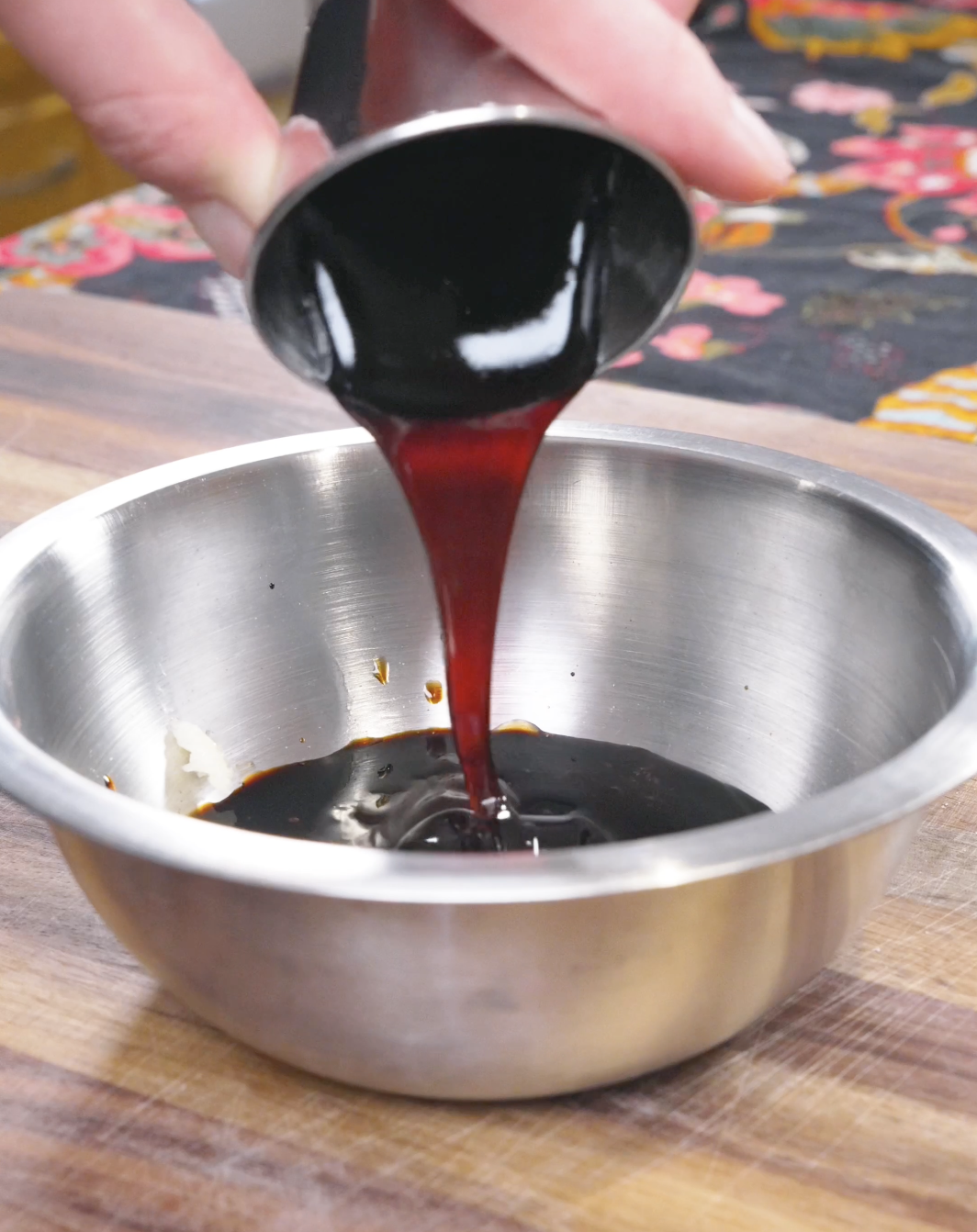
- While the ribs cook, combine the dark soy sauce, light soy sauce, garlic, oyster sauce, hoisin sauce, and brown sugar, and mix thoroughly.
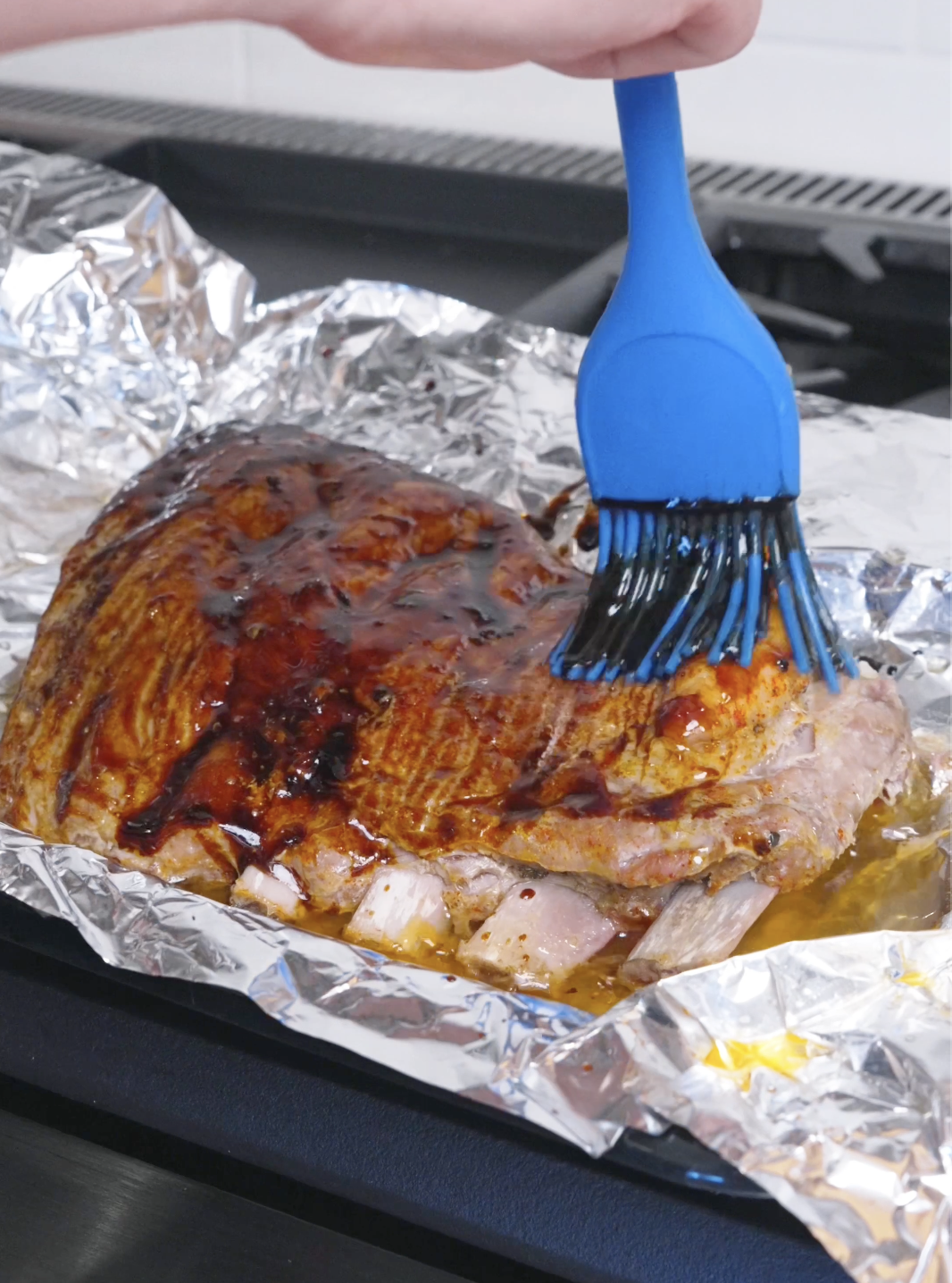
- Remove the ribs from the oven and open the foil. Brush the glaze on both sides, then return to the oven at 400°F for about 8 minutes, or until the glaze is caramelized.
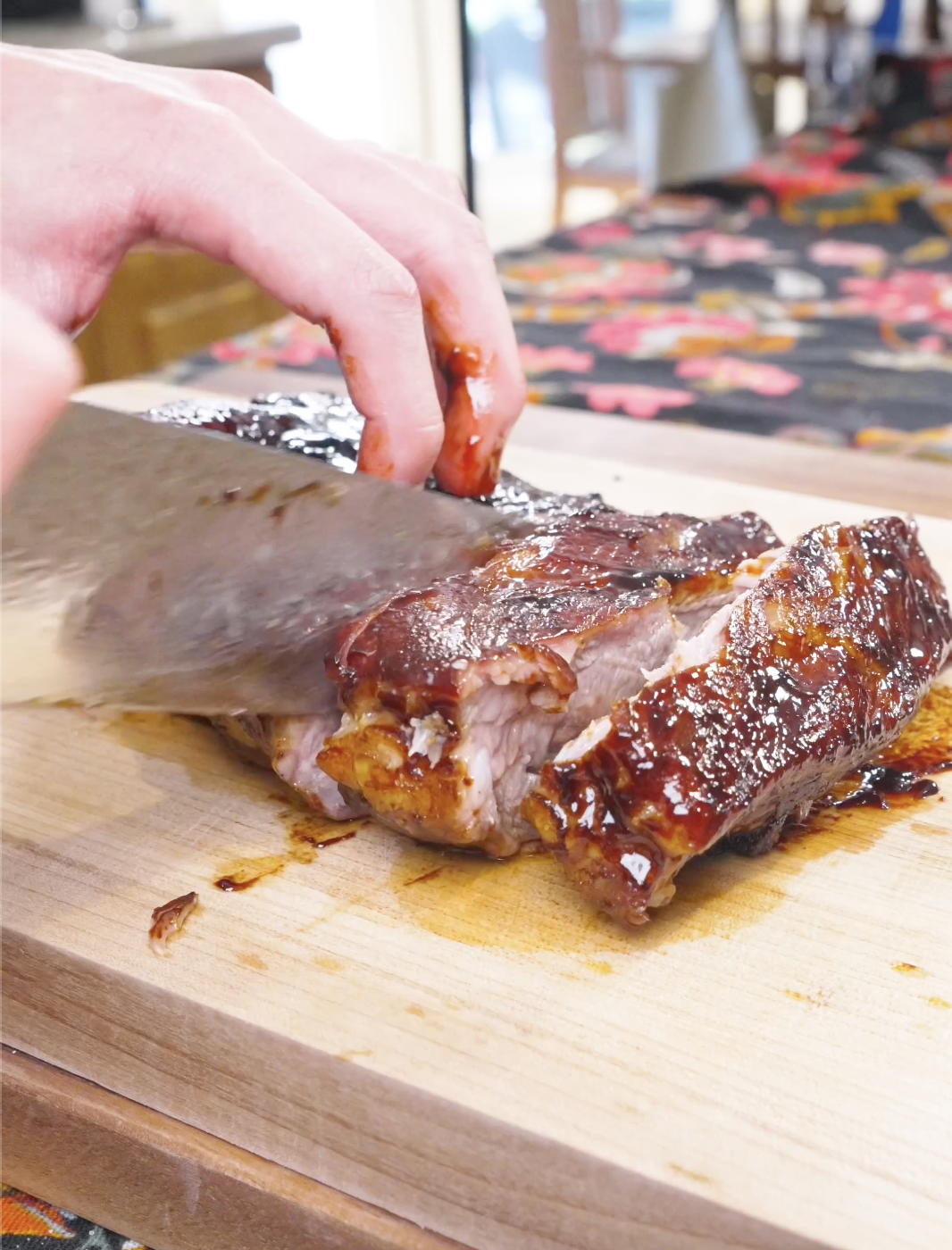
- Slice the ribs and place on a plate. Optionally garnish with sesame seeds and scallions. But it’s your food, you eat it how you like.
Video
Notes
- Remove the membrane from the back of the ribs before rubbing — it blocks the seasoning and makes the ribs tough.
- Let the dry rub sit at least 30 minutes, or overnight in the fridge, before baking.
- Save the glaze for the last stretch of the bake. Brushed on too early, the sugars burn.
- A quick broil at the very end gives you that glossy finish — watch it closely, it goes from caramelized to burnt in seconds.
- Rest the ribs about 5 minutes before slicing.
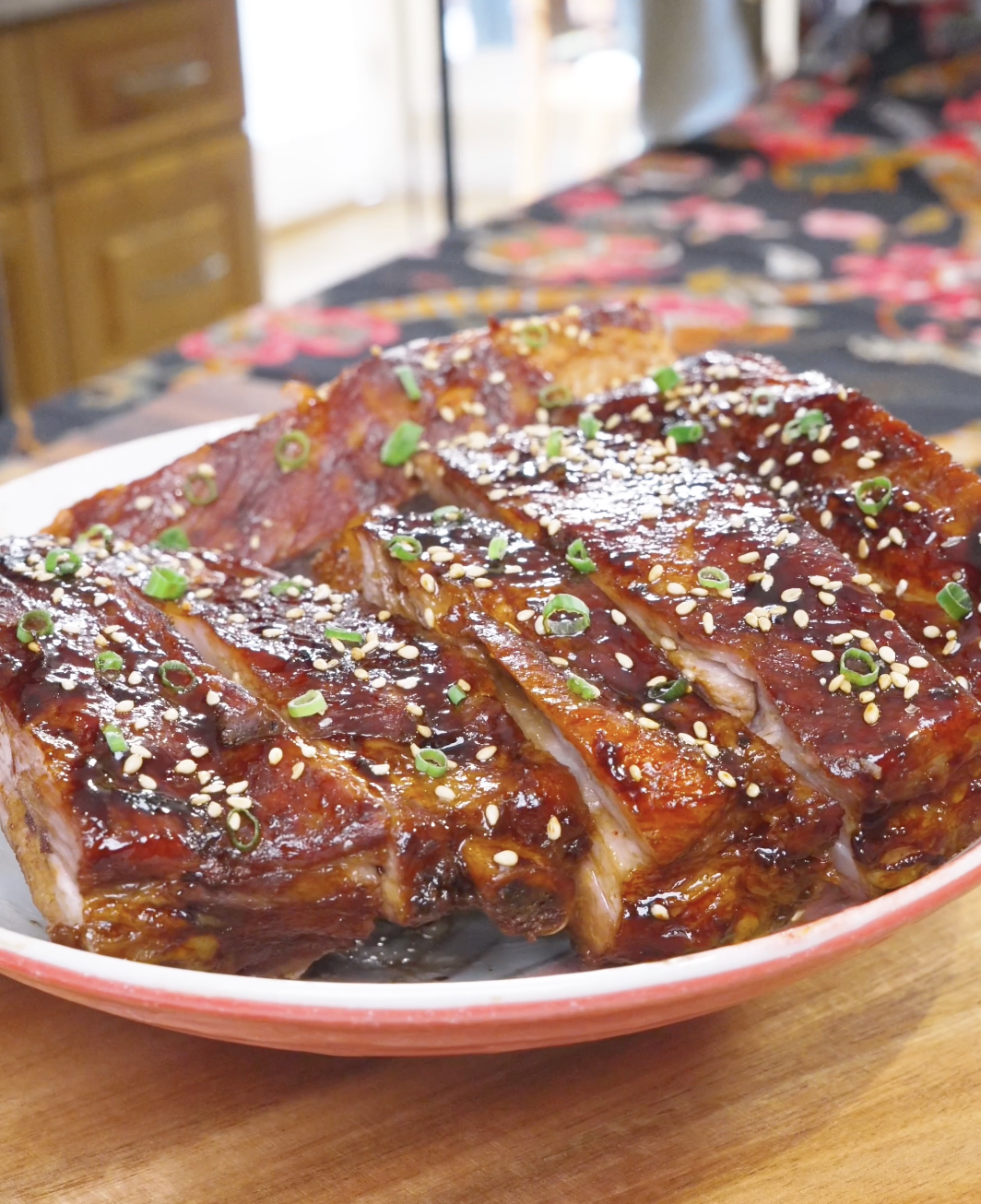
Next time you’re hosting a get-together, my Sweet Asian Sticky Ribs recipe should be on the menu! These ribs are everything you want in a crowd-pleasing dish: fall-off-the-bone tender, coated in a glossy, caramelized glaze, and packed with that perfect balance of sweet, savory, and garlicky flavor. The slow bake keeps the meat juicy and melt-in-your-mouth, while a quick blast of high heat at the end transforms the glaze into a sticky, slightly charred coating that’s the very definition of “finger-lickin’ good.” Best of all, this recipe doesn’t require any fancy equipment or hard-to-find ingredients—just a handful of pantry staples and a little patience while the oven does most of the work. Whether you’re serving them up at a backyard barbecue, a game-day spread, or just a cozy weeknight dinner, these pork sticky ribs are guaranteed to disappear fast.
Craving more sweet n’ savory grub? Check out my sticky sweet pork belly, sweet honey fried chicken and sweet and sour chicken recipes next!
Table of Contents
Why You’ll Crave Sweet Asian Sticky Pork Ribs
There’s something irresistible about the combination of textures and flavors in these sweet ribs. The dry rub forms a savory, slightly smoky crust as it bakes, locking in moisture so every bite of pork stays tender and succulent. Then there’s the glaze—a rich mix of soy sauce, hoisin, oyster sauce, and brown sugar that caramelizes into a sticky, umami-packed layer with just the right touch of sweetness. It’s the kind of finger-licking dish that makes a mess worth making, where you end up gnawing the bone clean because every last bit of that glaze is too good to leave behind. The flavors hit all the right notes too: deep savory undertones from the garlic and oyster sauce, a subtle sweetness from the brown sugar, and a hint of char from that final high-heat bake that gives the ribs a slightly caramelized, almost smoky edge. Add in the fact that they’re surprisingly low-effort—most of the cooking time is hands-off—and you’ve got a restaurant-quality recipe that’ll earn you high praise without any fuss.
Ingredients & Substitutions
- Pork Ribs – Baby back ribs or spare ribs both work beautifully here, just keep in mind that spare ribs are a bit meatier and may need a touch more time in the oven. If you can only find a smaller or larger slab, just adjust your rub quantities proportionally and go from there.
For the Dry Rub
- Salt – Fine sea salt is great, but if you’re using kosher salt, you may want to use a bit more since it’s less dense. Avoid iodized table salt, which can taste sort of bitter.
- Black Pepper – Freshly cracked gives the best flavor, but pre-ground works in a pinch if that’s what you have on hand.
- Garlic Powder – No garlic powder? Onion powder makes a decent swap, though you’ll lose a bit of that garlicky punch. If you can’t do alliums at all, try swapping in a few pinches of asafoetida (hing).
- Paprika – Regular paprika adds color and mild flavor, but feel free to swap in smoked paprika if you want a deeper, smokier taste.
- Granulated Sugar – This helps balance the saltiness and aids in browning. Light brown sugar can work as a substitute if that’s what’s in your pantry.
For the Glaze
- Dark Soy Sauce – This gives the glaze its deep color and slightly molasses-like richness. If you don’t have it, just use extra light soy sauce with a bit of molasses or brown sugar mixed in.
- Light Soy Sauce – This is your everyday soy sauce for saltiness and umami. Low-sodium soy sauce works great if you’re watching your salt intake.
- Garlic – Freshly minced is best for that punchy flavor, but jarred minced garlic or even ¼ – ½ teaspoon of garlic powder per clove can work in a pinch.
- Oyster Sauce – Adds a savory depth that’s hard to replace, but vegetarian mushroom-based stir-fry sauce is a great substitute.
- Hoisin Sauce – This brings sweetness and complexity to the glaze. If you’re out, a mix of soy sauce, peanut butter, and a touch of honey can mimic the flavor in a pinch. You can also swap in plum sauce or duck sauce, or even your favorite BBQ sauce with a bit of miso paste for umami.
- Brown Sugar – Light or dark brown sugar both work well here; dark will give you a slightly richer, more molasses-forward flavor.
Optional Garnish
- Sesame Seeds – Toasted sesame seeds add a lovely nutty crunch, but regular raw sesame seeds work just fine too. You can also skip them altogether if you don’t have any.
- Scallions – Thinly sliced scallions add a fresh, mild bite to balance the richness. No scallions? Chopped chives or even a sprinkle of fresh cilantro can add that pop of color and freshness instead.
This is just a short review of the ingredients; for the complete recipe, including quantities, scroll down to the recipe card 👇
A Primer On Ribs
Not all ribs are created equal, and knowing the difference can help you pick the right cut for this recipe, or any rib dish, really. With pork ribs, you have 3 options:
- Baby back ribs come from the top of the rib cage near the spine, and they’re shorter, leaner, and more tender, with a slight curve to them.
- Spare ribs, on the other hand, come from the belly side of the rib cage, making them larger, meatier, and a bit fattier, with more connective tissue that breaks down beautifully during a long, slow bake like the one in this recipe.
- There’s also St. Louis-style ribs, which are spare ribs trimmed into a neater, more rectangular shape. They’re great if you want that meatier flavor with a bit more uniformity for presentation.
Beef ribs are a different animal entirely, both literally and texturally. They’re larger, denser, and come with a much heartier beefy flavor, which means they typically need even longer cooking times to become tender. There’s also a couple of options to choose from:
- Beef short ribs, cut from the lower portion of the rib cage, are especially rich and marbled, making them a popular choice for braising. They come in both bone-in and boneless varieties. (Check out my Korean BBQ short ribs recipe if you want to give them a try!)
- Back ribs, cut from higher up near the spine, tend to have less meat but still pack plenty of flavor, especially when slow-cooked or smoked.
For this particular recipe, pork ribs are the way to go—their natural sweetness pairs perfectly with the savory-sweet glaze, and their fat content keeps them tender through that long, slow bake. But if you’re a beef lover at heart, feel free to experiment; just know you’ll likely need to extend the cooking time to get that same fall-off-the-bone texture.
How to Make Sweet Asian Sticky Ribs in the Oven
Combine the salt, pepper, garlic powder, paprika, and sugar and mix thoroughly.
Take the slab of ribs and rub the seasoning mix in on both sides, making sure every surface is covered.
Wrap the ribs tightly in foil like a package, place on a baking sheet, and bake at 250°F for 3 hours.
While the ribs cook, combine the dark soy sauce, light soy sauce, garlic, oyster sauce, hoisin sauce, and brown sugar, and mix thoroughly.
Remove the ribs from the oven and open the foil. Brush the glaze on both sides, then return to the oven at 400°F for about 8 minutes, or until the glaze is caramelized.
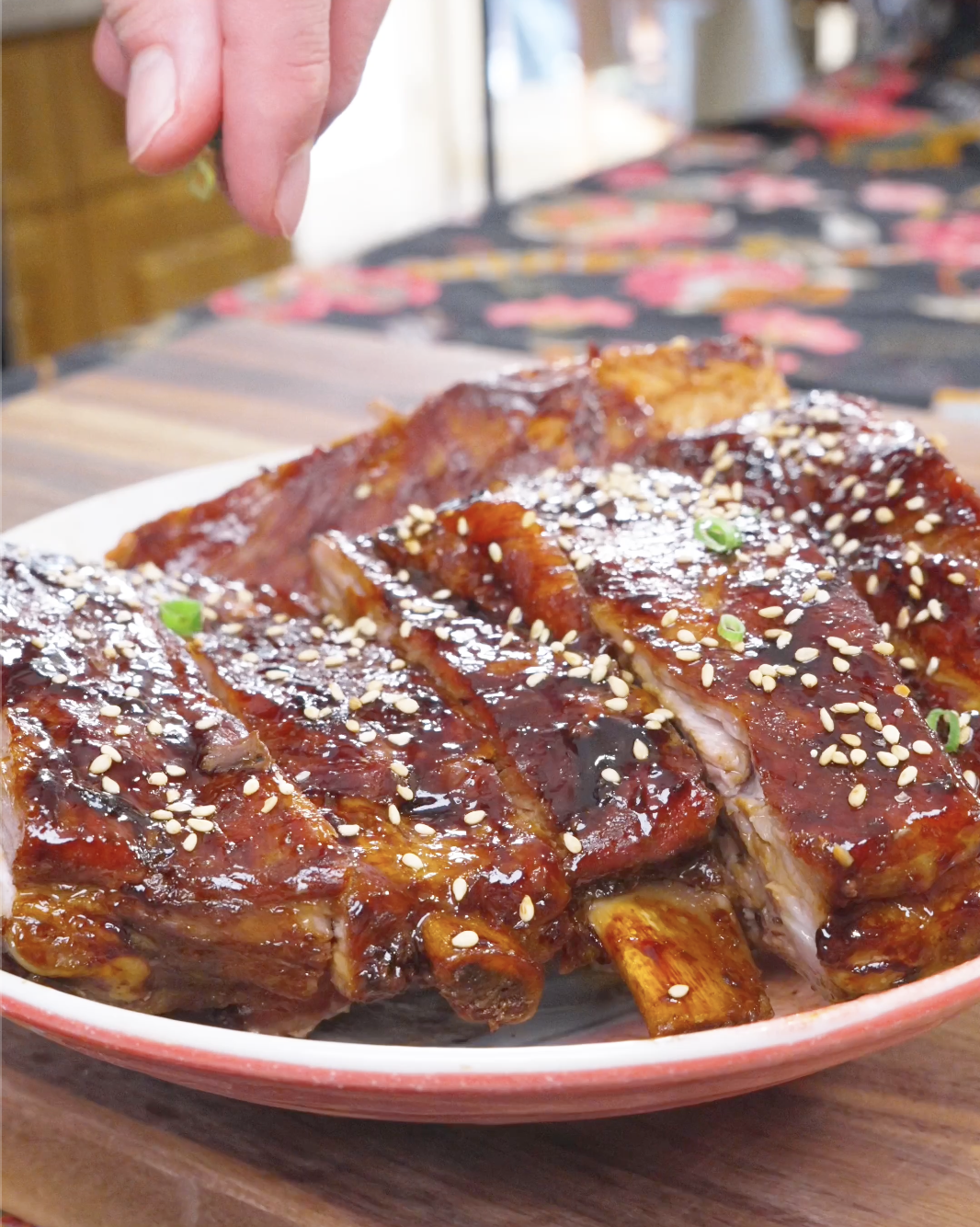
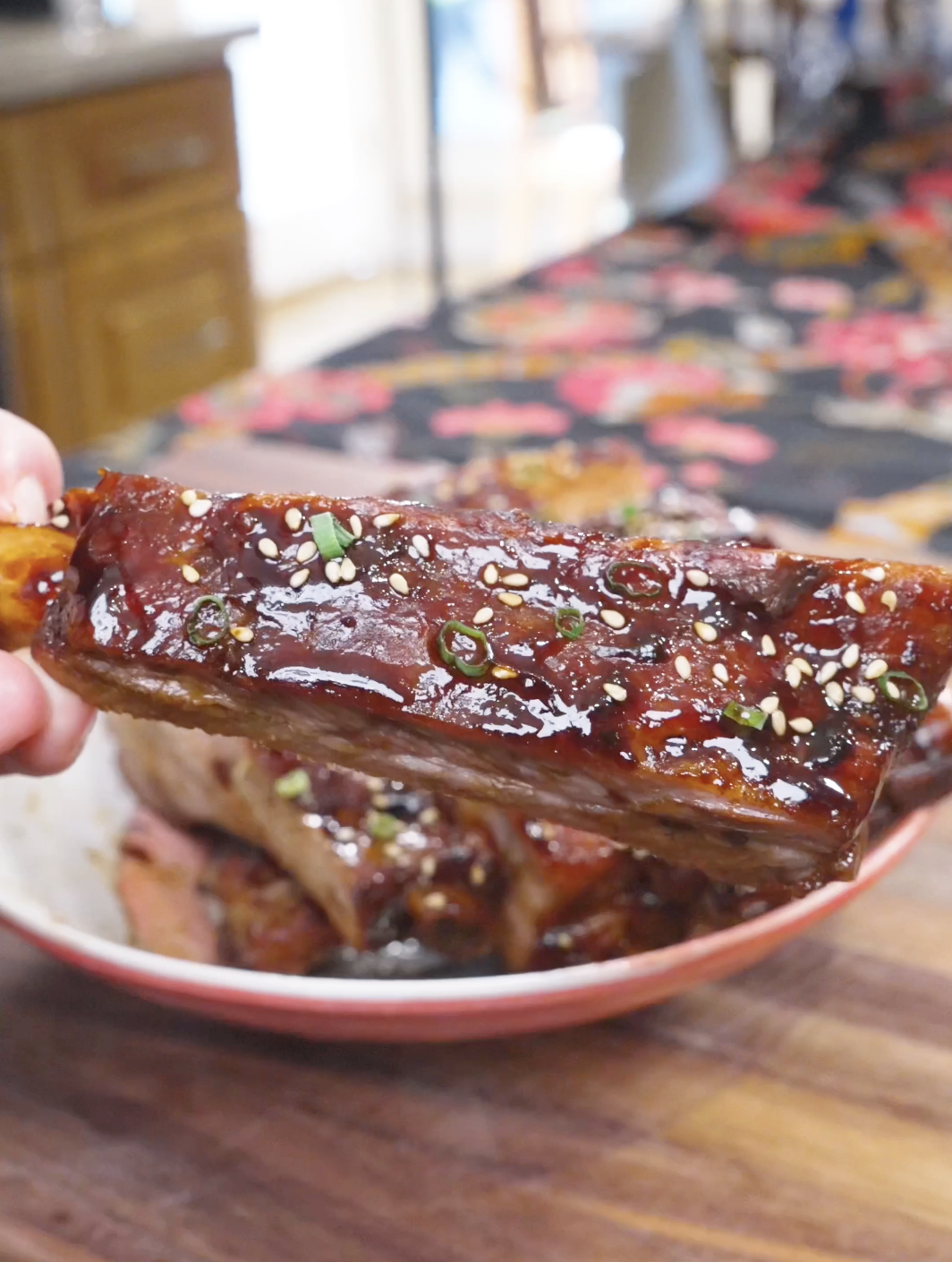
Slice the ribs and place on a plate. Optionally garnish with sesame seeds and scallions. But it’s your food, you eat it how you like.
More of a visual learner? Check out my video recipe below. 👇
Optional Variations & Dietary Adaptations
Sweet Asian Sticky Ribs are pretty forgiving, so don’t be afraid to make them your own. Here are a few ideas to get you started:
- Gluten-Free: If you’re cooking for someone with gluten sensitivities, swap in tamari or a certified gluten-free soy sauce in place of both the dark and light soy sauce, and double-check that your hoisin and oyster sauce are labeled gluten-free as well, since many brands include wheat as a thickener.
- Reduced Sodium: Reach for low-sodium soy sauce and cut back slightly on the salt in the dry rub. The glaze will still pack plenty of flavor without overdoing it on the salt.
- Spicy: Want to turn up the heat? Add a spoonful of sriracha, chili garlic sauce, or a sprinkle of crushed red pepper flakes to the glaze for a spicy-sweet kick.
- Mild: If you prefer things on the milder side, you can simply reduce or omit the black pepper and paprika in the rub.
- Refined Sugar-Free: Swap the granulated sugar and brown sugar for coconut sugar or a monk fruit sweetener blend—the texture of the glaze may be slightly less sticky, but the flavor will still shine through.
- Low-Carb: If you’re keeping things low-carb or keto-friendly, you can use a sugar-free brown sugar substitute and double-check your hoisin sauce, since it often contains added sugars.
Expert Tips & Tricks
- Don’t skip removing the membrane from the back of the ribs before applying your dry rub. This thin, silvery layer can make the ribs tough and prevent the rub and glaze from fully penetrating the meat. A butter knife and a paper towel for grip make quick work of it.
- Patience is a flavor virtue. Letting the dry rub sit on the ribs for at least 30 minutes before baking—or even overnight in the fridge—gives the flavors time to really soak in rather than just sitting on the surface. If you’re short on time, even 15 minutes makes a noticeable difference.
- Low and slow is the name of the game. Baking the ribs at a lower temperature for a longer stretch of time is what breaks down the connective tissue and renders the fat, giving you that tender, almost fall-off-the-bone texture. Resist the urge to crank up the heat to speed things along—it’ll only toughen the meat.
- Wait for the glaze. When it comes to the glaze, timing matters just as much as flavor. Brushing it on too early can cause the sugars to burn before the ribs are fully cooked, so save the glaze for the last portion of the bake, and apply it in a couple of thin layers rather than one thick coat for the best caramelization.
- Broil, don’t burn. For that glossy, sticky finish you see in photos, a quick broil at the very end works wonders—just keep a close eye on the ribs, since the sugar content in the glaze means they can go from perfectly caramelized to burnt in a matter of seconds.
- Let the ribs rest for about 5 minutes after coming out of the oven. This allows the juices to redistribute, so every bite stays tender and flavorful rather than drying out the moment you slice in.
Serving Suggestions
These sticky, glazed ribs are hearty enough to be the star of the table, but they really shine when paired with the right sides to round out the meal. For a classic comfort-food spread, serve them alongside crispy potato balls, Hawaiian mac salad and the slaw from my Korean fried chicken sandwich—the cool, tangy crunch of a good slaw is the perfect contrast to the rich, sweet glaze.
If you’re going for an Asian-inspired menu, try pairing the ribs with egg fried rice or garlic sesame noodles, which soak up any extra glaze beautifully. These ribs also pair wonderfully with grilled vegetables or a bright, citrusy salad like sunomono or somen salad—the freshness helps cut through the stickiness of the glaze without competing with its flavor.
And if you’re hosting a bigger gathering or game-day spread, consider serving the ribs alongside other finger foods like spicy Korean fried chicken, sheet pan nachos or animal style loaded fries for a full-on feast that keeps everyone coming back for more. However you serve them, don’t forget a stack of napkins—these sticky sweet ribs are meant to get a little messy.
Storage & Reheating
Got leftovers? Lucky you.
- Refrigeration: Let the sticky ribs cool to room temperature before storing, then transfer them to an airtight container and refrigerate for up to 3–4 days.
- Freezing: If you want to keep them longer, ribs freeze beautifully. Wrap them tightly in foil or plastic wrap, then place them in a freezer-safe bag or container, where they’ll keep well for up to 3 months. Just be sure to label them with the date, since it’s easy to lose track of what’s lurking in the back of the freezer.
- Reheating (Oven): When you’re ready to reheat, the oven is your best friend for keeping the glaze sticky and the meat tender rather than dried out. Preheat your oven to around 300°F (150°C), place the ribs in a baking dish with a splash of water or extra glaze to keep things moist, cover tightly with foil, and warm for about 15–20 minutes, or until heated through.
- Reheating (Microwave): If you’re in a hurry, the microwave works in a pinch. Just cover the ribs with a damp paper towel and reheat in short bursts to avoid drying them out or making the glaze rubbery.
- Reheating From Frozen: For frozen ribs, it’s best to thaw them in the refrigerator overnight before reheating, though you can also reheat them straight from frozen in a covered baking dish at a slightly lower temperature for a longer stretch of time, just keep an eye on them so the glaze doesn’t scorch.
- Quick Tip: However you warm them up, a quick broil at the end—just a minute or two—will help refresh that glossy, caramelized finish and make the ribs taste freshly made.
FAQs
What is a good marinade for Asian pork ribs?
In this recipe, I use a dry rub as my “marinade,” but feel free to take things a step further. A classic Asian marinade combo is soy sauce, garlic, ginger, a touch of sesame oil, something sweet like honey or brown sugar, and rice vinegar or a splash of Shaoxing wine for depth. Let the ribs marinate at least a few hours, or overnight for maximum flavor.
How to make a sticky sauce for ribs?
I use a mix of light and dark soy sauce, brown sugar, hoisin sauce, oyster sauce, and garlic. The sugar is what creates that sticky texture as it caramelizes. Brushing it on in the last stretch of cooking (and finishing with a quick broil) locks in the glossy, sticky finish.
How to make good sticky ribs?
Season well, cook low and slow until the meat is tender, then apply a savory-sweet glaze during the final part of cooking so it caramelizes without burning. A brief broil at the end crisps up the glaze, and resting the ribs for a few minutes afterward keeps them juicy.
More Party Ready Recipes
Need more crowd-pleasers? Try my Korean Popcorn Chicken, Deep Fried Pork Belly, or Crispy Fried Enoki Mushrooms!