Creamy Miso Mushroom Noodles Recipe
Ingredients
- 8 oz mushrooms, maitake and shimeji preferred, any mushroom works, roughly chopped
- 14 oz frozen udon noodles
- Neutral oil, for cooking
- Salt, to taste
- 3 cloves garlic, minced
For the Sauce
- 1 tbsp white miso paste
- ¾ cup heavy cream or half and half
- 1 tbsp light soy sauce
- 1 tsp sugar
Optional Garnish
- Toasted breadcrumbs
- Chives
- Black pepper
Instructions
- Roughly chop the mushrooms. Maitake and shimeji are the preference here, but any mushroom works.
- Boil the frozen udon noodles just until they’re all loosened, then rinse and drain.
- Heat a pan over medium-high heat with a bit of oil. Add the mushrooms, season with salt, and cook until they’re softened and caramelized, then remove from the heat and set aside.
- Add a bit more oil to the same pan, then add the minced garlic and cook until fragrant.
- Add the miso paste, cream, light soy sauce, and sugar, stirring until the miso dissolves and the sauce slightly thickens.
- Add the noodles and the cooked mushrooms and toss until well combined.
- Transfer to a bowl and optionally garnish with toasted breadcrumbs, chives, and black pepper. But it’s your food, you eat it how you like.
Video
Notes
- Don’t skip the dry sear on the mushrooms — give them space and let them sit undisturbed for that deep golden caramelization.
- Whisk the miso into a little liquid first so it melts smoothly instead of clumping.
- Save a cup of starchy noodle water to loosen the sauce if it gets too thick.
- Keep the heat gentle once the cream goes in — a rolling boil can break the sauce.
- Toast the breadcrumbs separately, right before serving, so they stay crisp.
Next time you’re in the market for a delicious, yet super easy meal that’s sure to impress, look no further than my Asian-inspired Creamy Miso Mushroom Pasta recipe! This is the kind of dish that feels indulgent enough for a cozy night in, yet comes together in just 30 minutes with barely any cleanup to show for it. Thick, chewy udon noodles get coated in a silky, umami-packed miso cream sauce, while golden, caramelized mushrooms add bursts of deep savory flavor and a satisfying bite in every forkful. The miso does the heavy lifting here, bringing a rich, almost cheesy depth that makes this pasta taste far more complex than its short ingredient list would suggest. Whether you’re easing into plant-based eating or just craving something warm and comforting after a long day, this one-pan wonder is about to become your new go-to.
If creamy comfort food is your love language, be sure to check out my creamy curry noodles, creamy miso butter noodles and creamy peanut noodles next!
Table of Contents
- Creamy Miso Mushroom Noodles Recipe
- Why You’ll Crave Creamy Miso Udon Noodles With Mushrooms
- Ingredients & Substitutions
- The Wide World of Miso
- How to Make Creamy Miso Mushroom Pasta with Udon
- Optional Variations & Dietary Adaptations
- Expert Tips & Tricks
- Serving Suggestions
- Storage & Reheating
- FAQs
- More Noodle Recipes
Why You’ll Crave Creamy Miso Udon Noodles With Mushrooms
There’s something irresistible about the way miso transforms a simple cream sauce into something deeply savory and almost impossible to stop eating. The fermented, salty-sweet funk of white miso melds with the richness of cream to create a creamy mushroom pasta sauce that delivers an umami punch in every bite. Then there’s the texture: thick, springy udon noodles and tender, caramelized mushrooms create a contrast that keeps things interesting from the first bite to the last—especially if you’re using a mix of maitake and shimeji for delicate, frilly edges that crisp up beautifully in the pan. Best of all, it’s quick enough for a random weeknight dinner but special enough to serve when you want to impress someone. And because this miso mushroom pasta is so easy to customize—swap in your favorite mushrooms, adjust the creaminess, pile on extra garnishes—it’s a dish you’ll find yourself returning to again and again!
Ingredients & Substitutions
- Mushrooms – Maitake and shimeji are my top picks here because they caramelize beautifully and have such a lovely texture, but don’t stress if you can’t find them. Cremini, button, oyster, or even a mix of whatever looks good at the store will work great. The goal is just to get those edges nice and golden.
- Frozen Udon Noodles – Frozen udon is the way to go for the chewiest, springiest texture, and most grocery stores with an international aisle will carry it. If you can’t track it down, fresh udon or shelf-stable udon works too. In a pinch, you can even swap in fettucini or bucatini noodles, though the texture will be a bit different.
- Neutral Oil – Anything flavorless like vegetable, canola, or avocado oil is perfect for getting those mushrooms nice and caramelized without competing with the other flavors.
- Salt – Just a pinch to help draw out moisture from the mushrooms and season them as they cook. Easy to adjust to taste.
- Garlic – Fresh is best for a fragrant, aromatic base, but if you’re in a pinch, jarred minced garlic will do the trick.
For the Sauce
- White Miso Paste – This is the star of the show, bringing umami depth. White (shiro) miso is milder and slightly sweet, which works perfectly here, but if all you have is yellow miso, that’ll work too—just start with a little less since it can be a bit stronger.
- Heavy Cream or Half and Half – Heavy cream will give you the richest, silkiest sauce, while half and half lightens things up just a touch. Either works well, so use whichever you have on hand.
- Light Soy Sauce – This adds a little extra salty depth without overpowering the miso.
- Granulated Sugar – Just a touch to balance out the saltiness and round out the sauce. Feel free to adjust up or down based on your taste.
Optional Garnish
- Toasted Breadcrumbs – These add a lovely crunchy contrast to the creamy noodles. Panko works wonderfully here, toasted in a dry pan until golden.
- Chives – A sprinkle of fresh chives adds a pop of color and a mild oniony bite, but green onions make a great substitute.
- Black Pepper – Freshly cracked is always best for a little extra warmth and bite.
This is just a short review of the ingredients; for the complete recipe, including quantities, scroll down to the recipe card 👇
The Wide World of Miso
If you’ve only ever worked with one type of miso, you’re in for a treat. This stuff comes in a surprisingly wide range of flavors and intensities! Here’s a quick explainer:
- White miso (sometimes labeled shiro miso) is the mildest and sweetest of the bunch, fermented for a shorter period of time, which is exactly why it’s the go-to choice for this creamy mushroom pasta recipe. It adds a gentle umami depth without overwhelming the creaminess of the sauce.
- Yellow miso (shinshu miso or tanshoku miso) offers a slightly stronger, more rounded flavor. It’s still approachable, but carries a bit more of a funky punch.
- Red miso (called aka miso) is fermented much longer and packs a seriously bold, salty, almost meaty intensity. It’s fantastic in heartier dishes like my miso glazed chicken, but a little much for something as delicate as this pasta.
- There are also specialty varieties like barley miso or mixed miso blends, each bringing their own subtle quirks depending on the grains and fermentation time involved. It’s fun trying them all out to find your favorite for each kitchen application!
The beauty of miso is that a little truly goes a long way, so once you have a tub in your fridge, you’ll find yourself reaching for it in everything from soups and glazes to dressings and creamy noodle dishes like this one.
How to Make Creamy Miso Mushroom Pasta with Udon
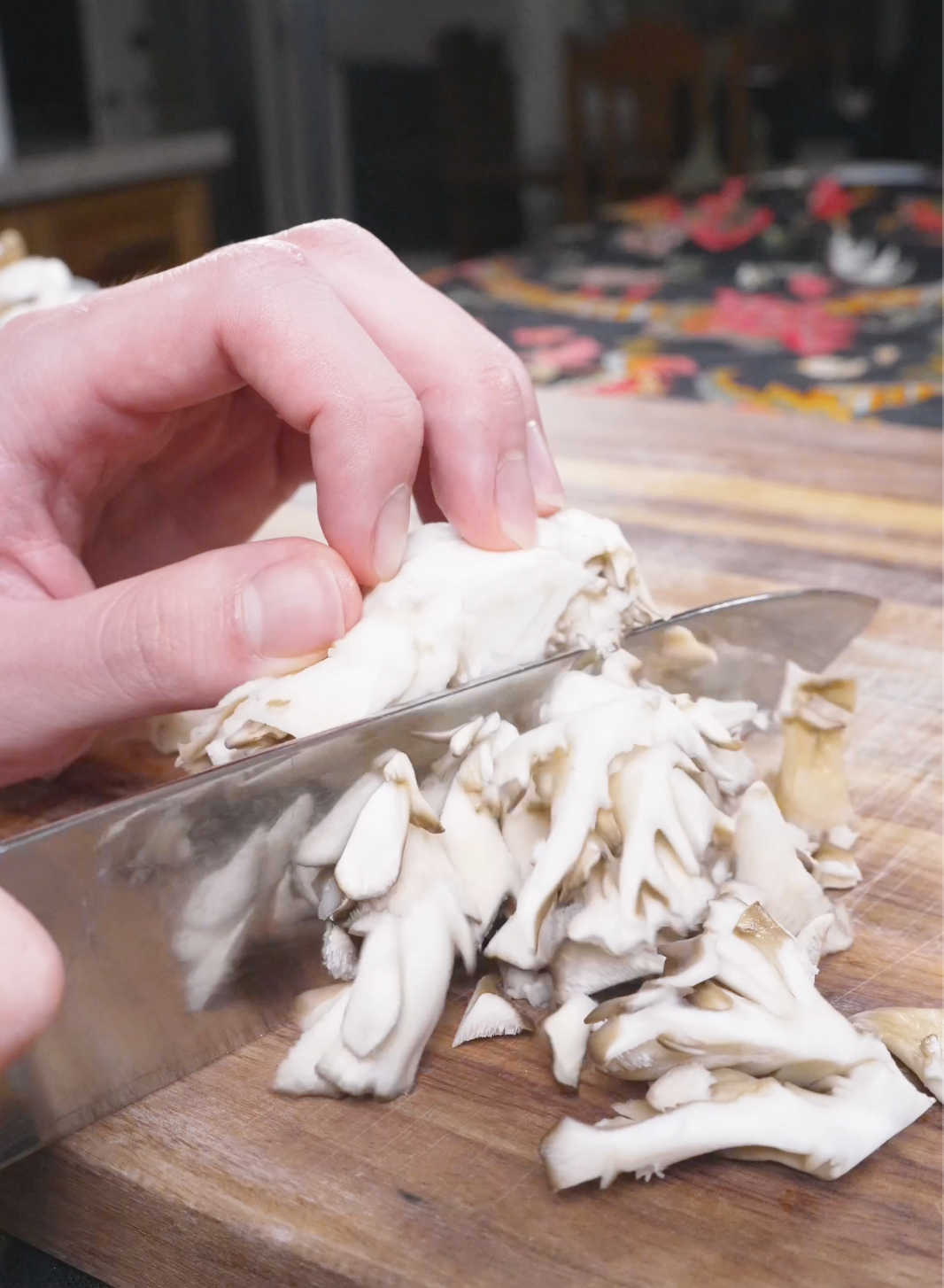
Roughly chop the mushrooms. Maitake and shimeji are the preference here, but any mushroom works.
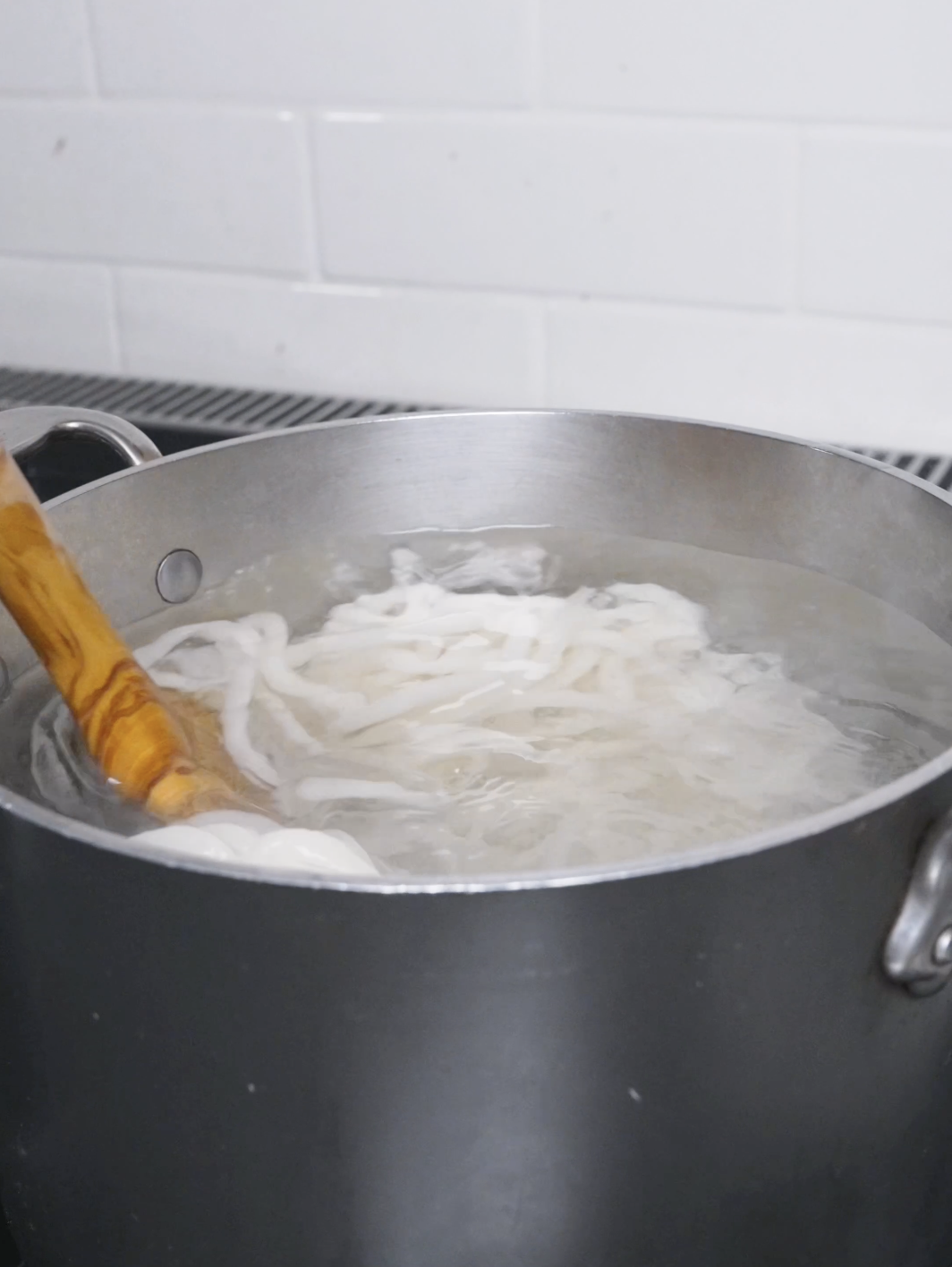
Boil the frozen udon noodles just until they’re all loosened, then rinse and drain.
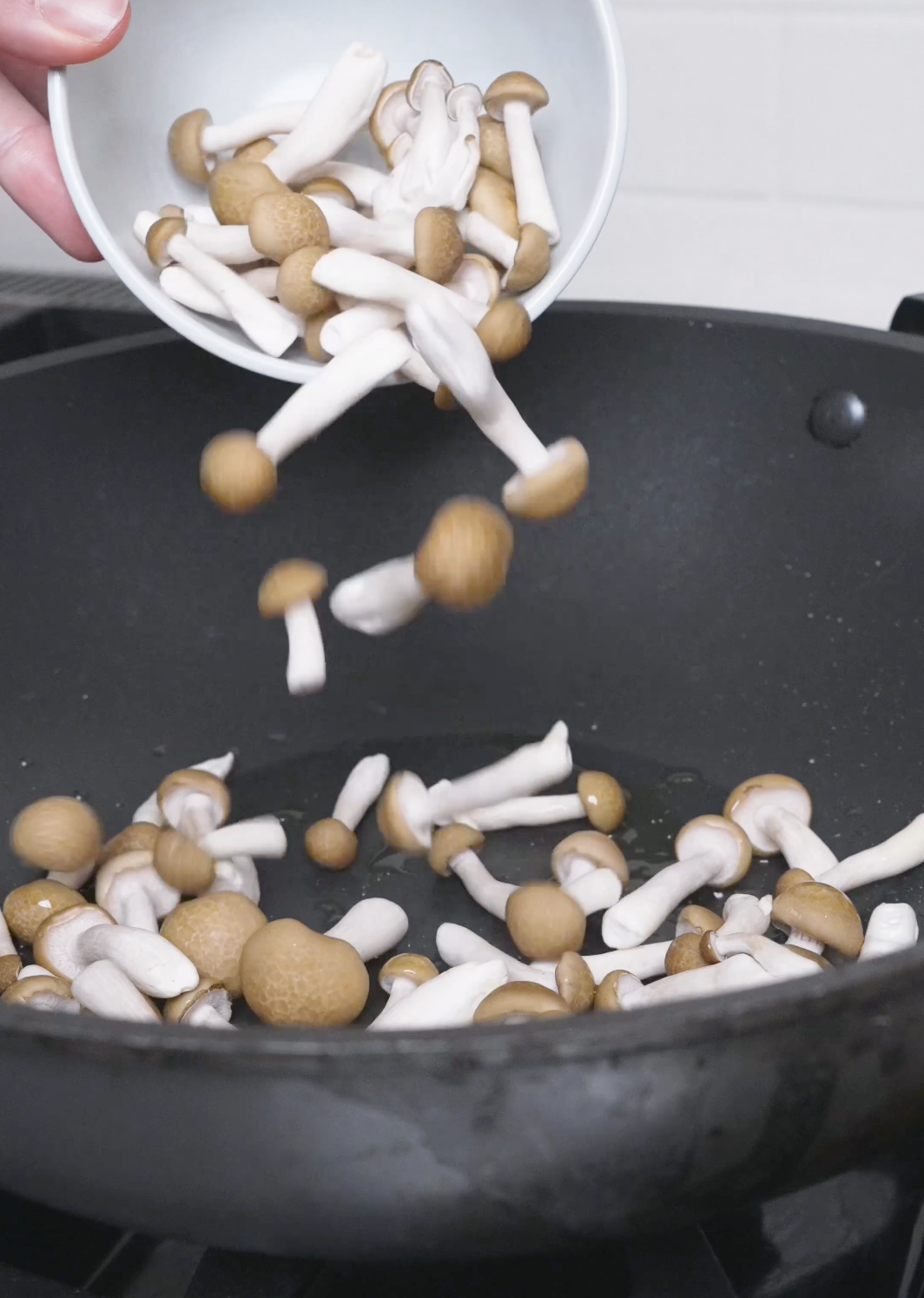
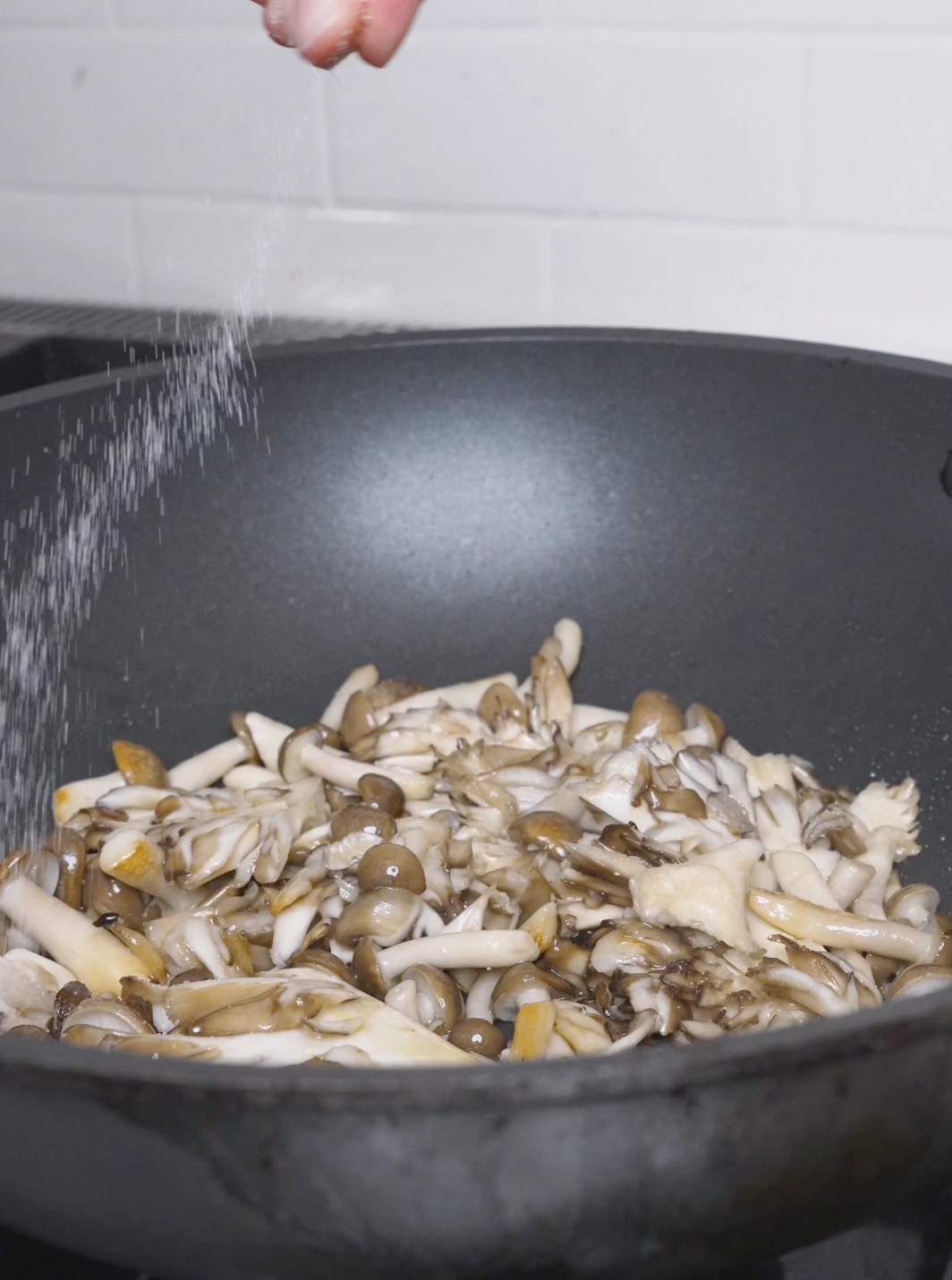
Heat a pan over medium-high heat with a bit of oil. Add the mushrooms, season with salt, and cook until they’re softened and caramelized, then remove from the heat and set aside.
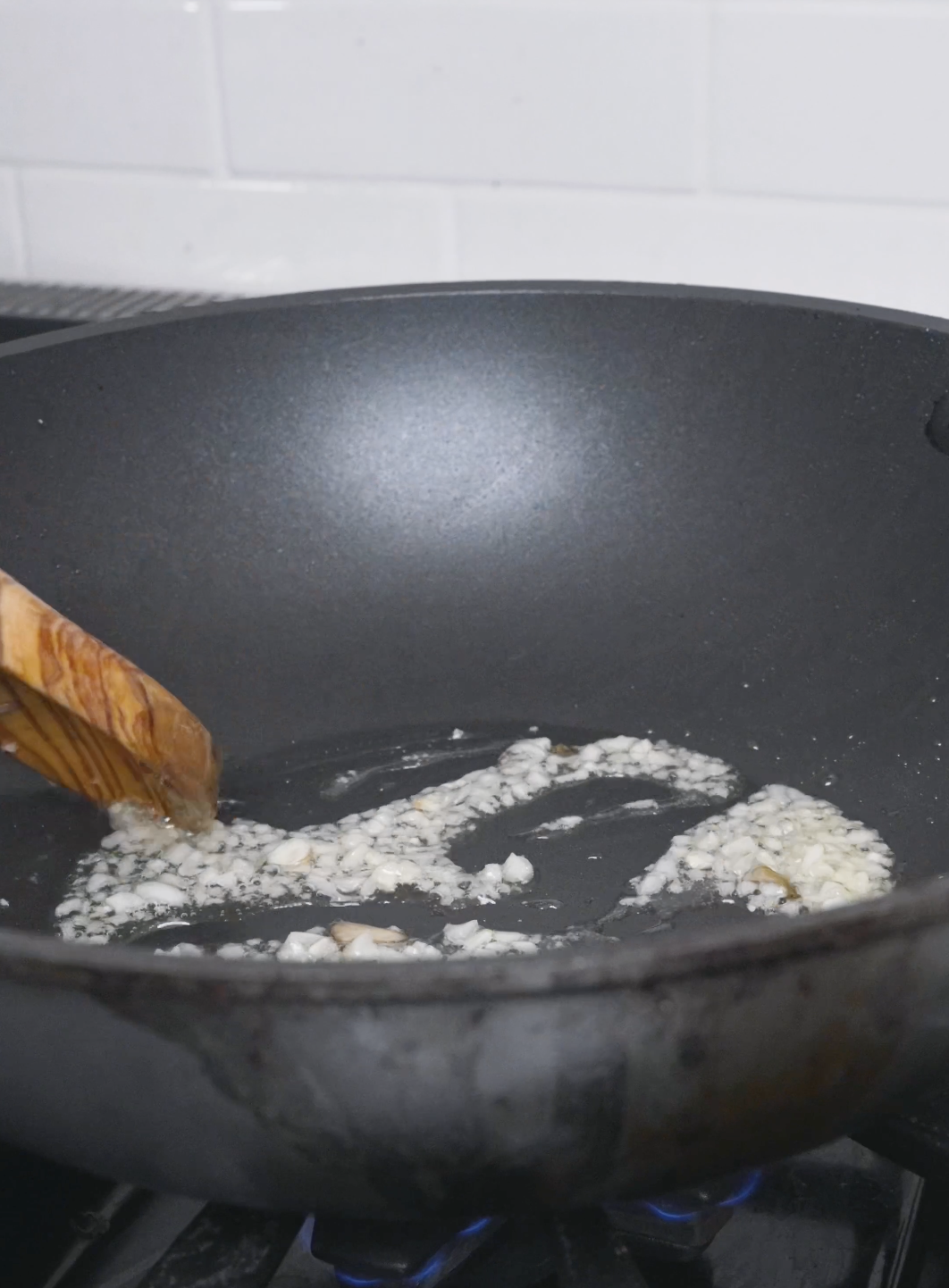
Add a bit more oil to the same pan, then add the minced garlic and cook until fragrant.
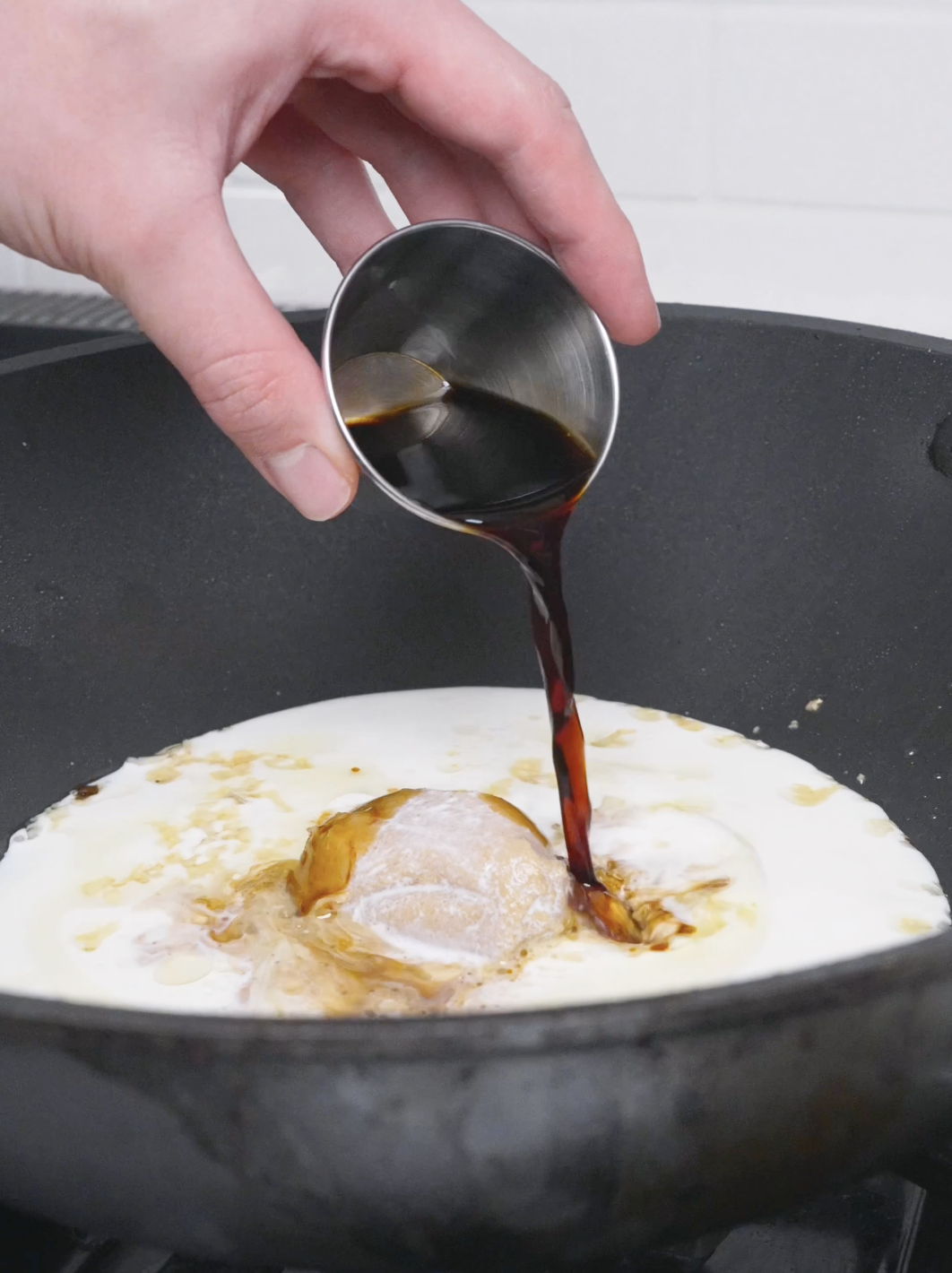
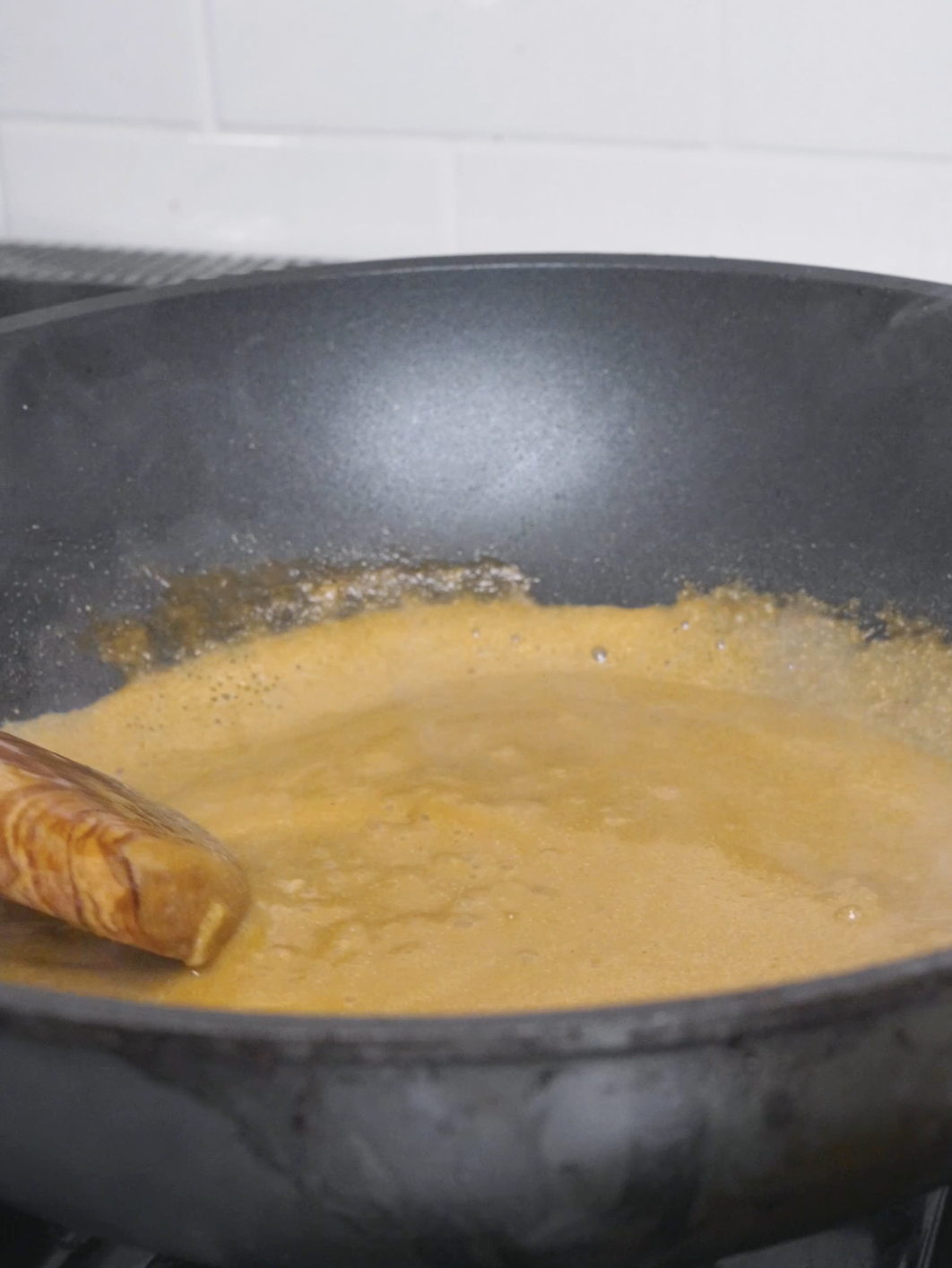
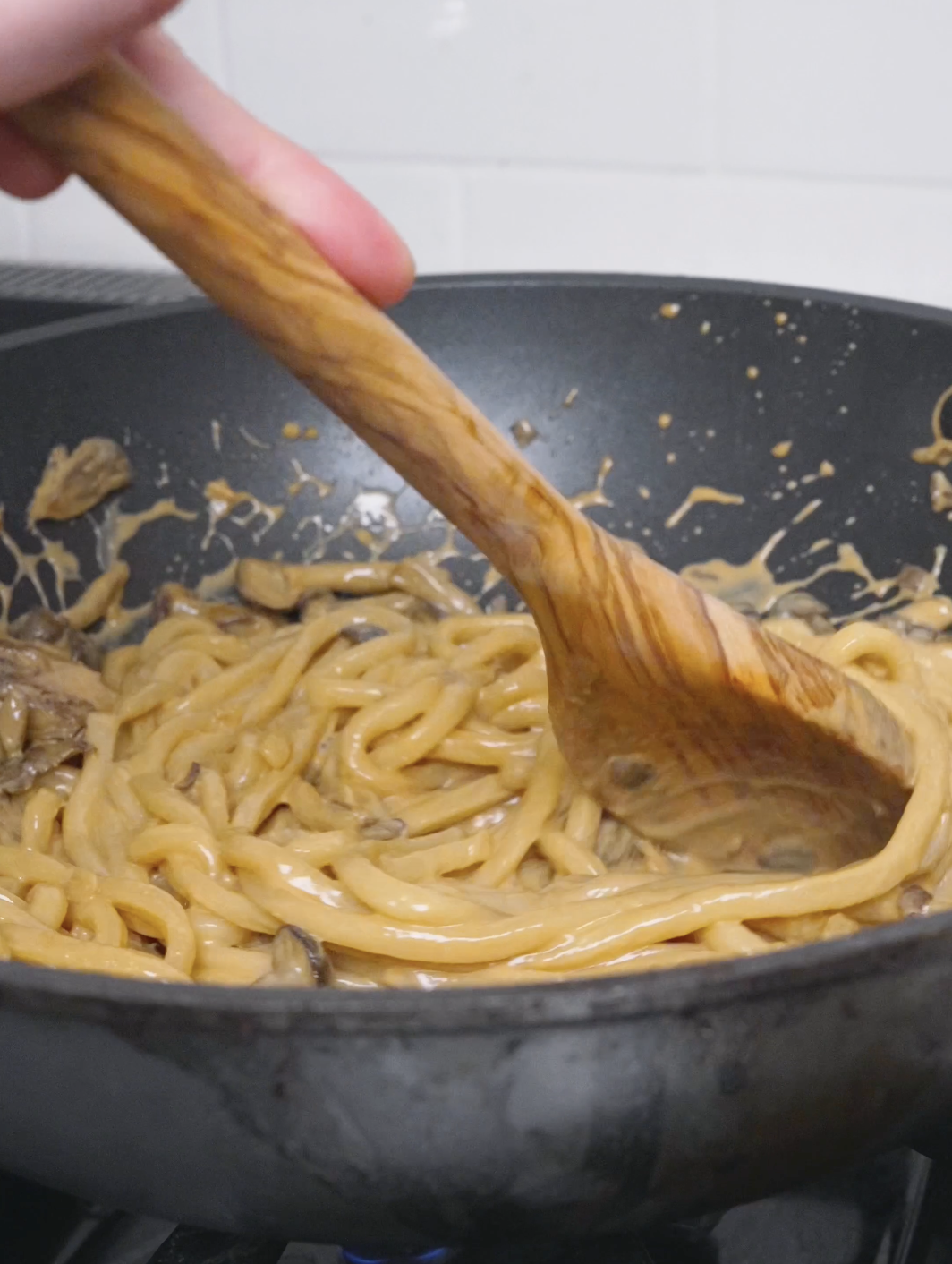
Add the miso paste, cream, light soy sauce, and sugar, stirring until the miso dissolves and the sauce slightly thickens.
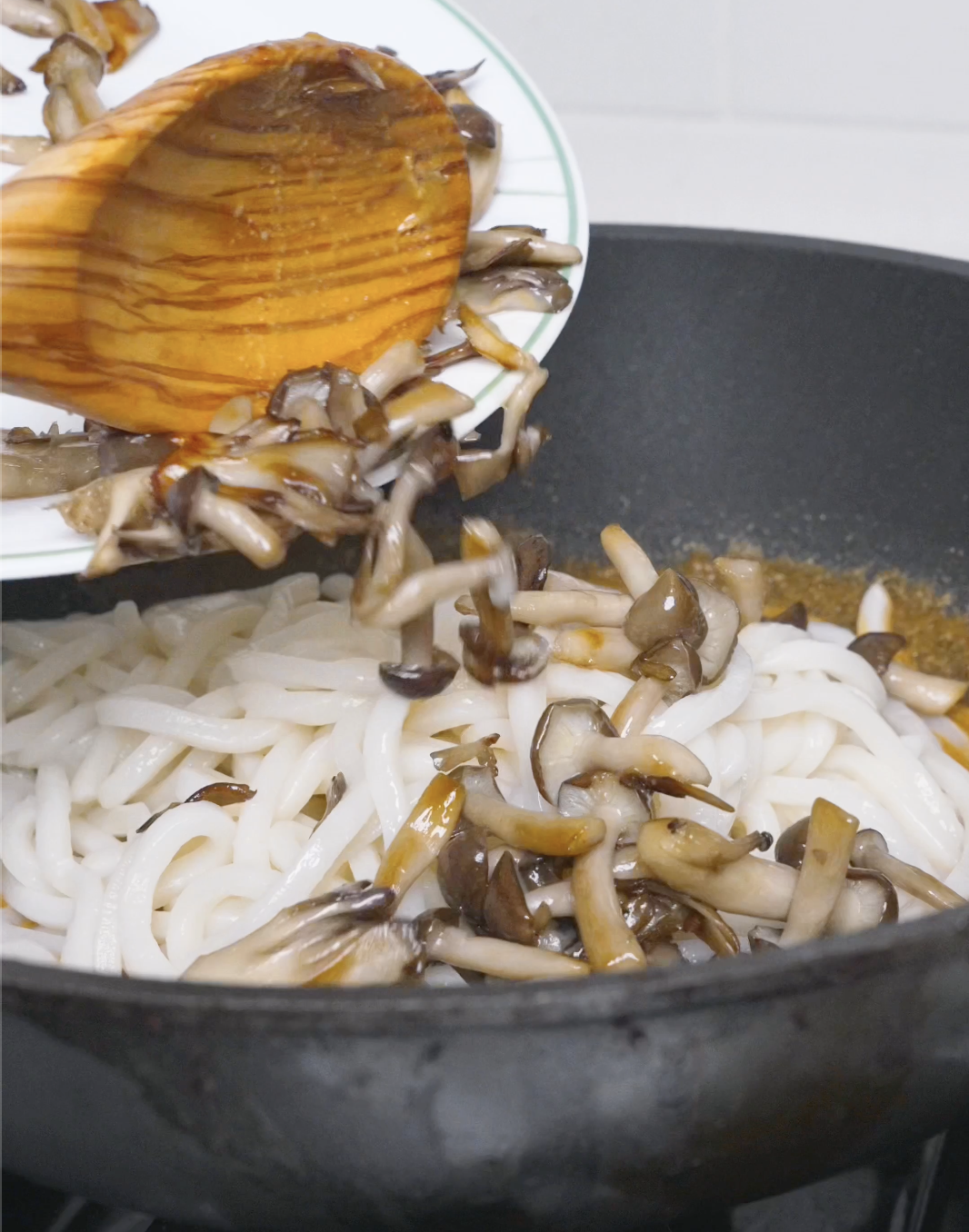
Add the noodles and the cooked mushrooms and toss until well combined.
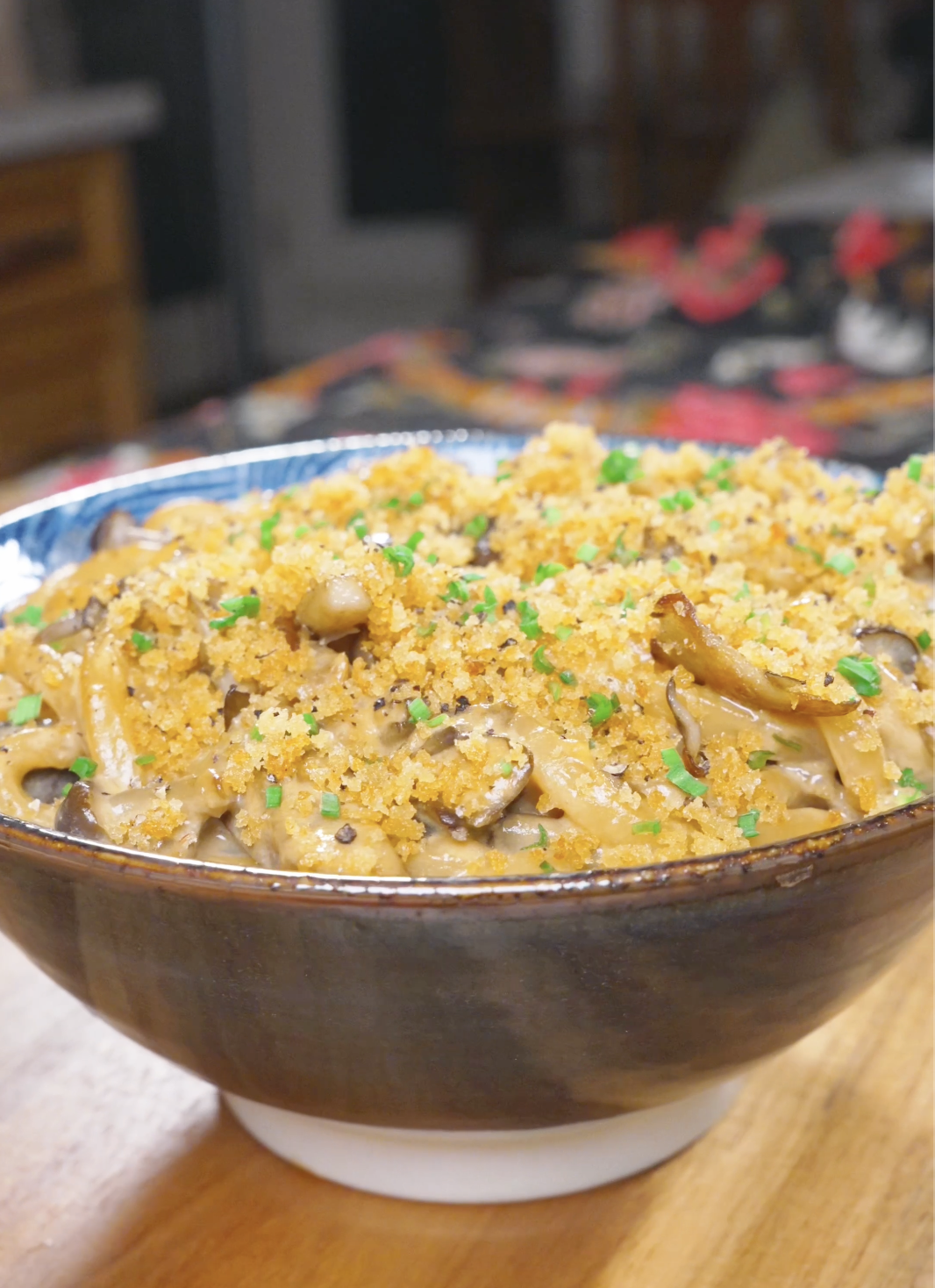
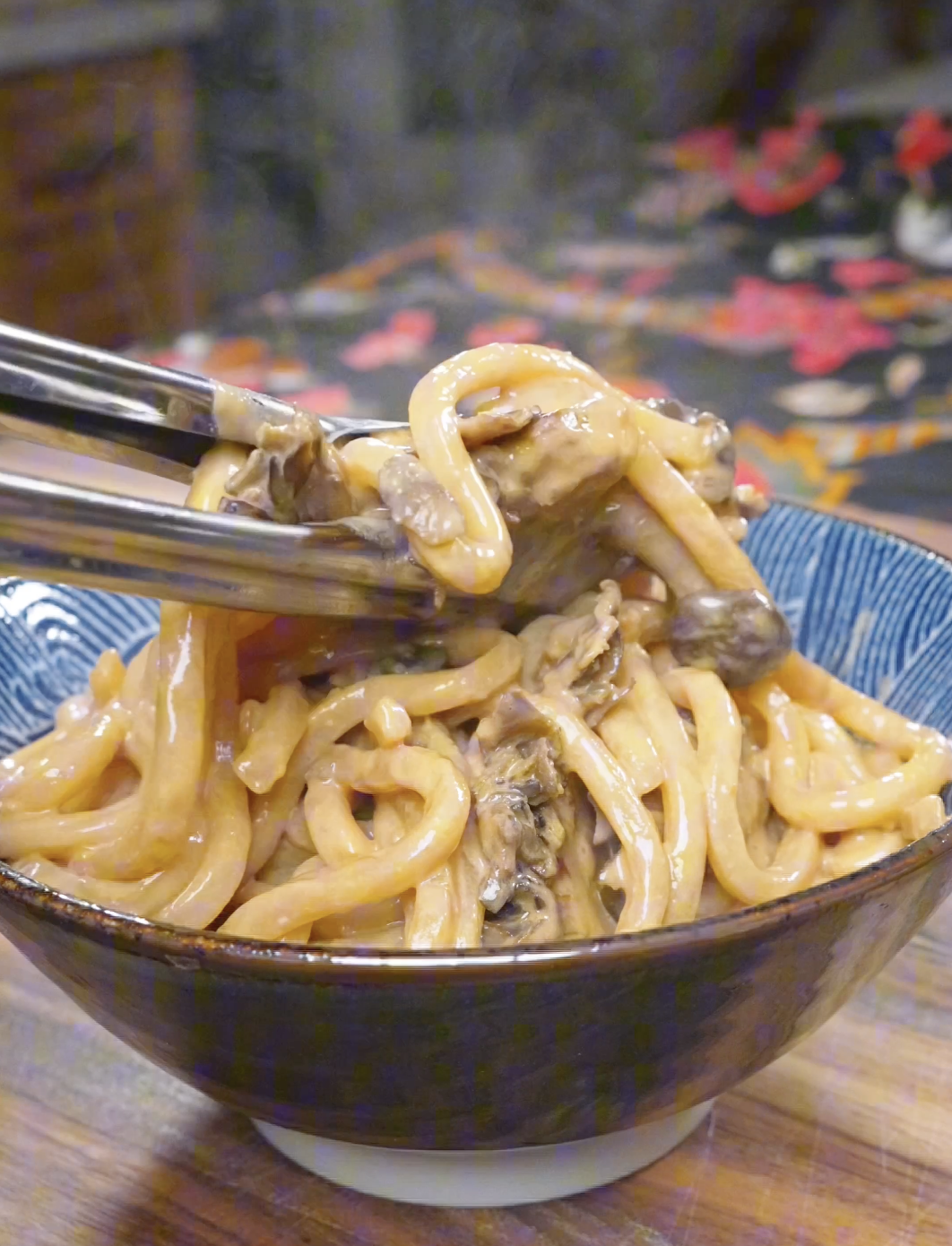
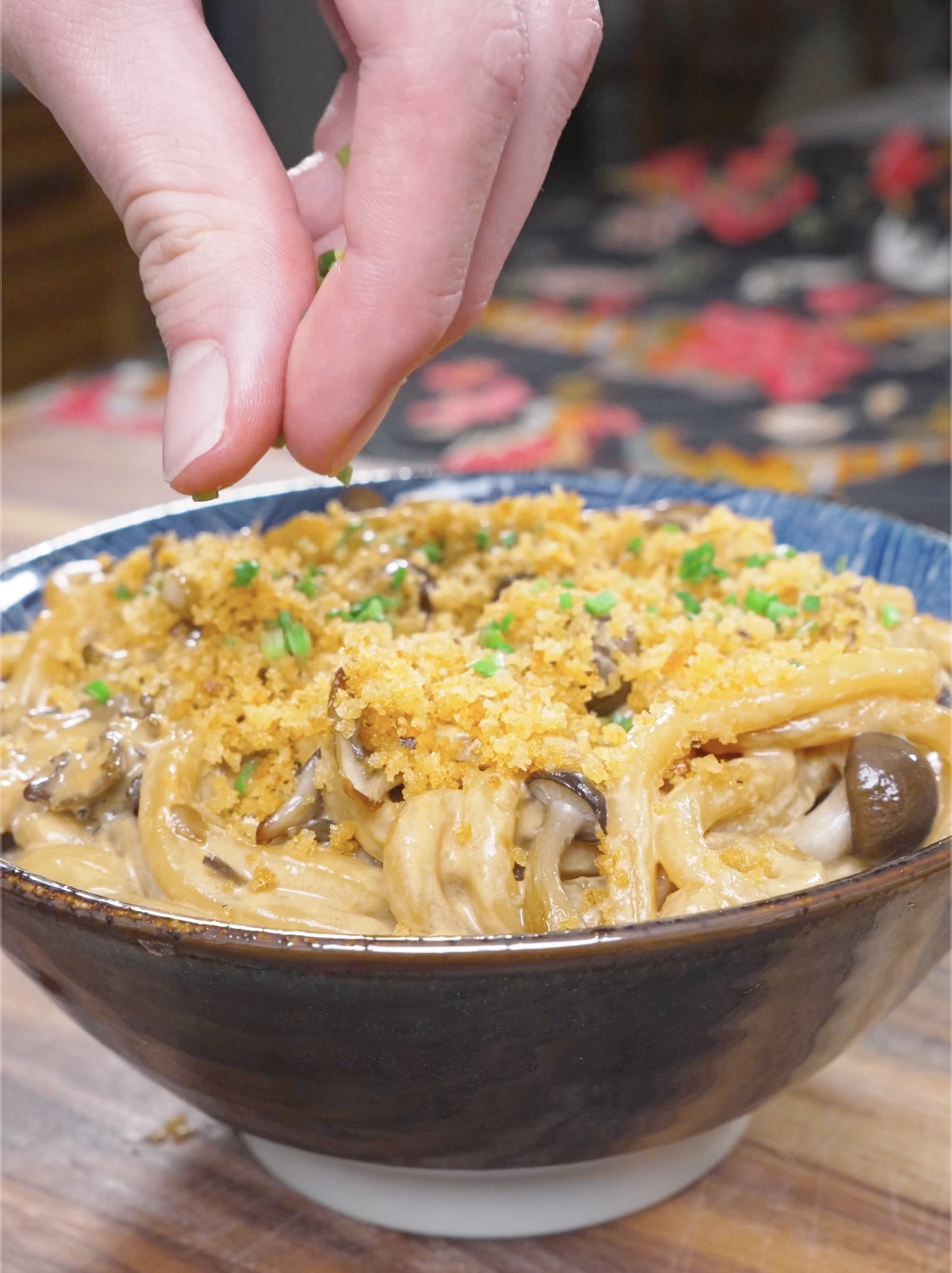
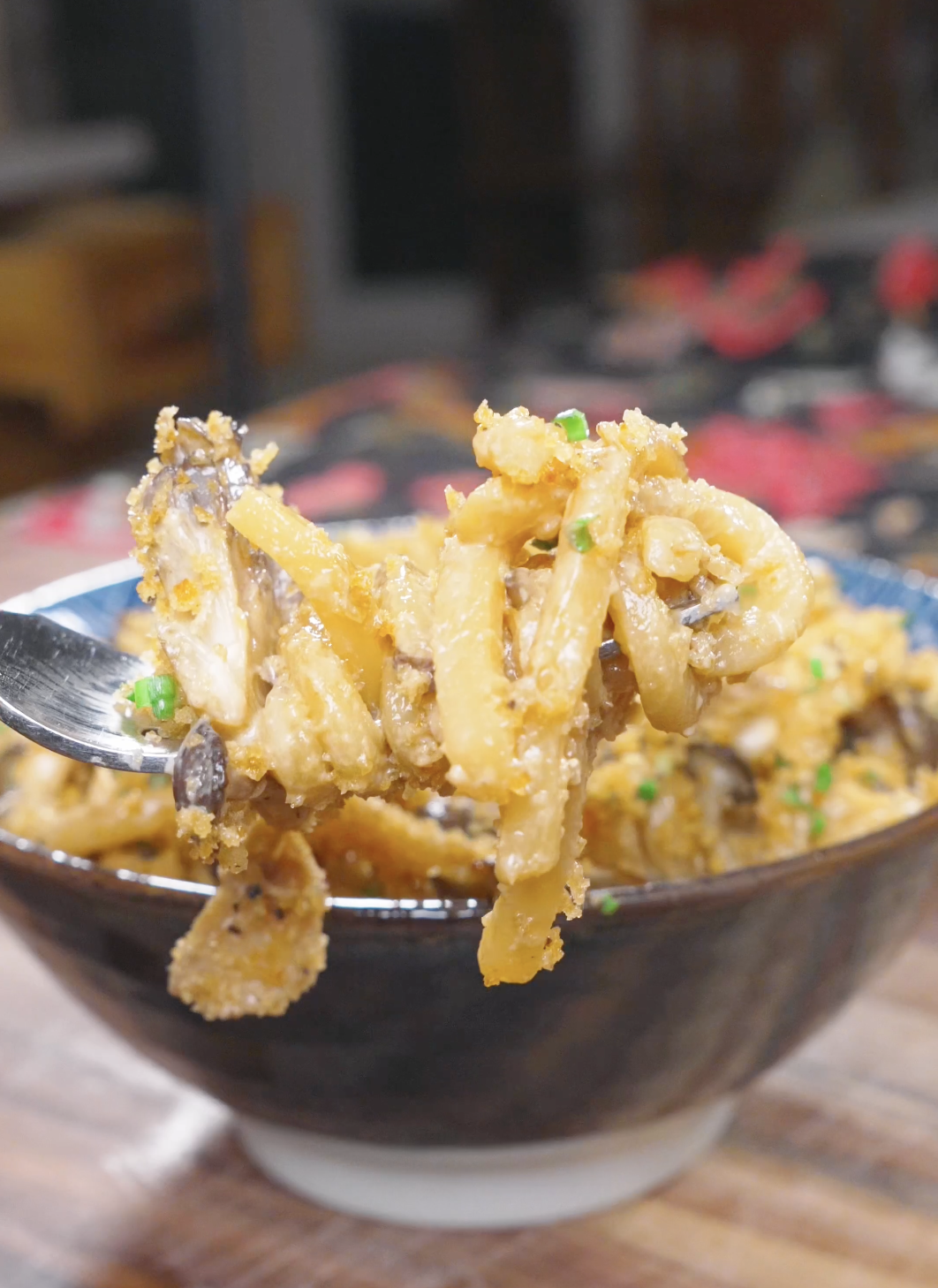
Transfer to a bowl and optionally garnish with toasted breadcrumbs, chives, and black pepper. But it’s your food, you eat it how you like.
More of a visual learner? Check out my video recipe below. 👇
Optional Variations & Dietary Adaptations
These miso mushroom noodles are wonderfully adaptable, so don’t be afraid to make the recipe your own based on what you’re craving or what you’ve got in the kitchen. A few ideas:
- Add Protein – Pan-seared tofu, shredded rotisserie chicken, or even crispy bacon bits make fantastic additions. Just stir them in toward the end so everything stays warm and cohesive.
- Vegan – Swap the heavy cream for full-fat canned coconut milk or your favorite plant-based cream alternative. Double-check that your miso paste is vegan-friendly (most are, but some varieties contain bonito flakes).
- Reduced Fat – Want to lighten things up? Half and half or even evaporated milk can replace the heavy cream for a less indulgent but still creamy result.
- Gluten-Free – Look for gluten-free udon or swap in rice noodles, and use tamari instead of soy sauce. If you want the crunchy breadcrumb topping, make sure to reach for gluten-free breadcrumbs or use crushed pork rinds.
- Spicy – If you love a little heat, a drizzle of chili oil or a sprinkle of shichimi togarashi at the end adds a nice spicy kick without disrupting the balance of the sauce.
- Add Veggies – Baby spinach, bok choy, or snap peas stirred in during the last minute of cooking add color, nutrients, and a nice textural contrast to all that creamy richness.
Expert Tips & Tricks
- Don’t skip the dry sear on the mushrooms. Give them space in the pan and resist the urge to stir too often. Letting them sit undisturbed for a minute or two at a time is what gets you that deep golden caramelization instead of steamed, soggy mushrooms.
- Whisk the miso into a little liquid before adding it to the pan. Miso paste can be stubborn and clumpy, so loosen it up with a splash of the cream or even some reserved pasta water first to ensure it melts smoothly into the sauce.
- Save a cup of starchy noodle water before draining. That cloudy water is liquid gold for loosening up the sauce if it gets too thick, and the starch helps everything cling beautifully to the noodles.
- Taste before you season. Miso and soy sauce both vary quite a bit in saltiness depending on the brand, so taste your sauce before adding extra salt. You may not need any at all!
- Keep the heat gentle once the cream goes in. A rolling boil can cause dairy-based sauces to break or separate, so once you add the cream, keep things at a gentle simmer to maintain that silky texture.
- Toast your breadcrumbs separately, right before serving. Adding them too early or cooking them in the same pan as the mushrooms can make them soggy. A quick toast in a dry skillet right before plating keeps them perfectly crisp.
- Add garnishes right before eating, not before storing leftovers. Chives, pepper, and breadcrumbs are best added fresh to each bowl, especially if you’re planning on saving some for later.
Serving Suggestions
This creamy miso mushroom udon is hearty enough to stand on its own as a comforting weeknight dinner, but it also plays well with a few simple sides. A crisp, lightly dressed salad is a great way to balance out the richness of the sauce. Something with a bit of acidity, like a sunomono salad, helps cut through the creaminess nicely.
If you’re in the mood for something a little more indulgent, these crispy fried enoki mushrooms make an excellent textural contrast, adding a satisfying crunch alongside all that silky noodle goodness. If you’re hosting a bigger spread, serve it alongside other umami-forward favorites, like teriyaki chicken or soy-braised pork belly.
For a more complete Japanese-inspired meal, consider pairing this dish with miso soup for a cozy starter, or serve alongside tsukemono to add a little brightness and crunch between bites. And if you’ve got friends or family with varying spice preferences, setting out some chili oil or shichimi togarashi on the table lets everyone customize their own bowl!
Storage & Reheating
- Refrigeration: Leftover miso mushroom pasta will keep well in an airtight container in the fridge for up to 3 days. The noodles will continue to soak up the sauce as they sit, so don’t be surprised if things look a little thicker the next day.
- Pro Tip: Save the garnishes for right before serving rather than storing them on top, so they stay crisp and vibrant rather than soggy.
- Freezing: I don’t recommend it! Cream-based sauces tend to separate and become grainy once thawed, and the noodles can turn mushy from the extra moisture. If you know you’ll have leftovers you won’t get to within a few days, it’s best to simply plan for smaller batches or enjoy this one fresh.
- Reheating: Skip the microwave if you can, since it tends to heat things unevenly and can cause the cream sauce to separate. Instead, warm individual portions in a skillet over low to medium-low heat, stirring gently and frequently. If the sauce has thickened up too much in the fridge (which it almost certainly will), splash in a bit of reserved noodle water, milk, or even a touch of broth to loosen things back up to that silky consistency. Heat just until warmed through—you want to avoid a hard boil, which can cause the dairy to break and turn the sauce grainy or oily instead of smooth.
FAQs
Is udon considered pasta?
Technically, no—udon is a Japanese wheat noodle, while “pasta” traditionally refers to Italian wheat noodles. That said, both are made from wheat flour and water (and sometimes egg, for Italian pasta), so they’re close cousins in terms of ingredients and texture.
Can I use regular pasta instead of udon?
Yes, regular pasta works fine as a substitute. You’ll lose a bit of that chewy, slurpy texture udon gives, but the creamy miso sauce clings well to most shapes, especially something with a bit of surface area like fettuccine or linguine. Just adjust the cooking time according to the pasta you choose.
Which mushrooms work best for this?
Maitake and shimeji are the preferred choices here, bringing great texture and an earthy depth that pairs beautifully with the miso. That said, any mushroom works well in this dish, so feel free to use whatever you have on hand. Earthy, meaty varieties like cremini, shiitake, or oyster mushrooms are good substitutes, since their deeper flavor stands up well to the savory richness of miso. A mix of a couple types adds nice textural variety, but even simple button mushrooms will do in a pinch if that’s what you have on hand.
More Noodle Recipes
Craving more noodles? Try my Creamy Miso Butter Noodles, Creamy Curry Noodles, or Japanese Carbonara Udon!