Kimchi Mac and Cheese
Ingredients
- 8 oz. macaroni or pasta shells
- 1 cup kimchi, cut into small bite-sized pieces
- 3 tbsp unsalted butter
- 3 cloves garlic, minced
- 1 tbsp gochujang
- 3 tbsp all-purpose flour
- 1 1/2 cups milk
- 1/2 cup heavy cream
- salt, to taste
Cheese
- 1 cup shredded cheddar
- 1/2 cup shredded mozzarella
- 1/4 cup grated Parmesan
Garnish (Optional)
- breadcrumbs
- chives
Instructions
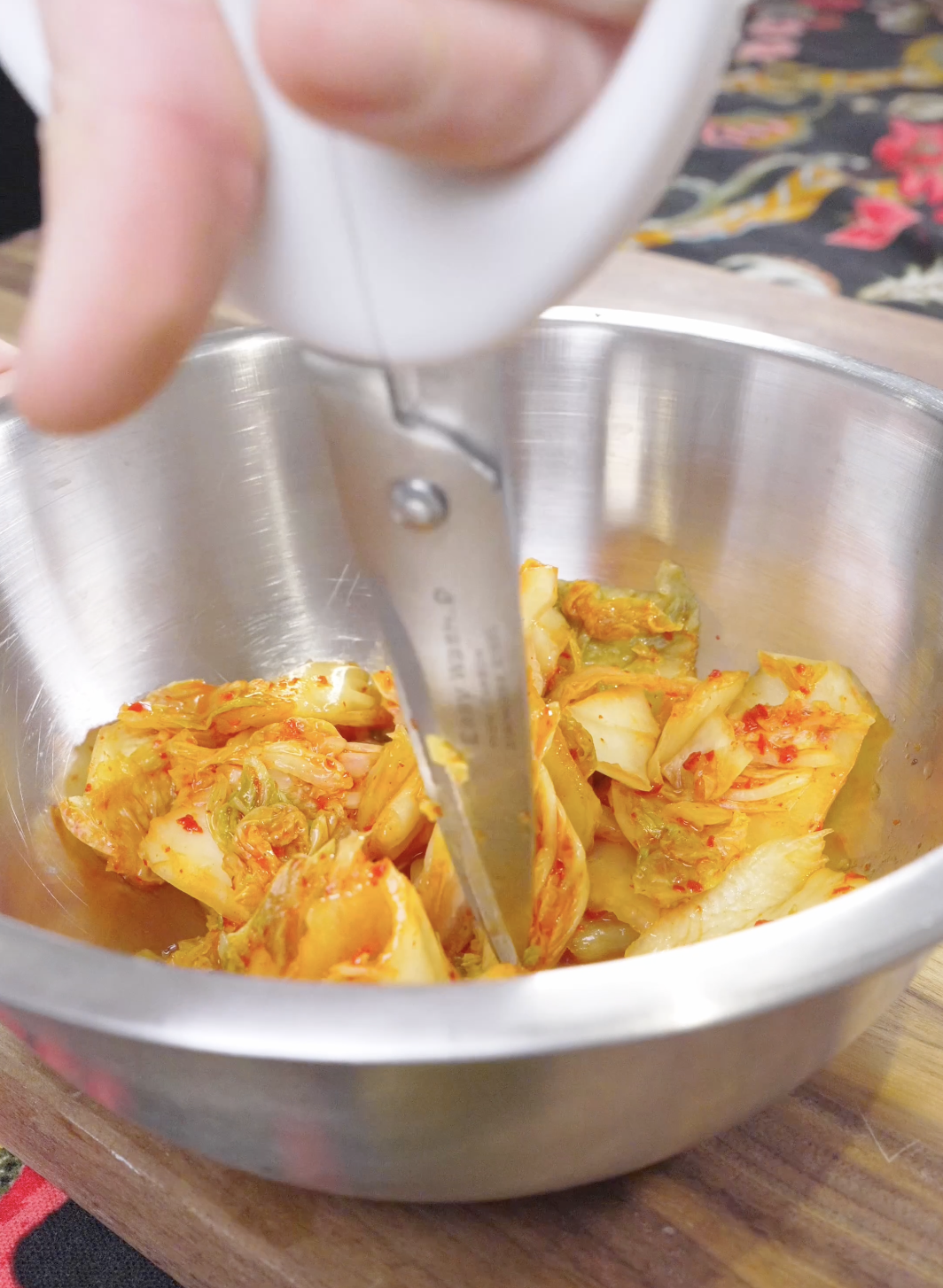
- Cut the kimchi into small bite-sized pieces and set to the side.
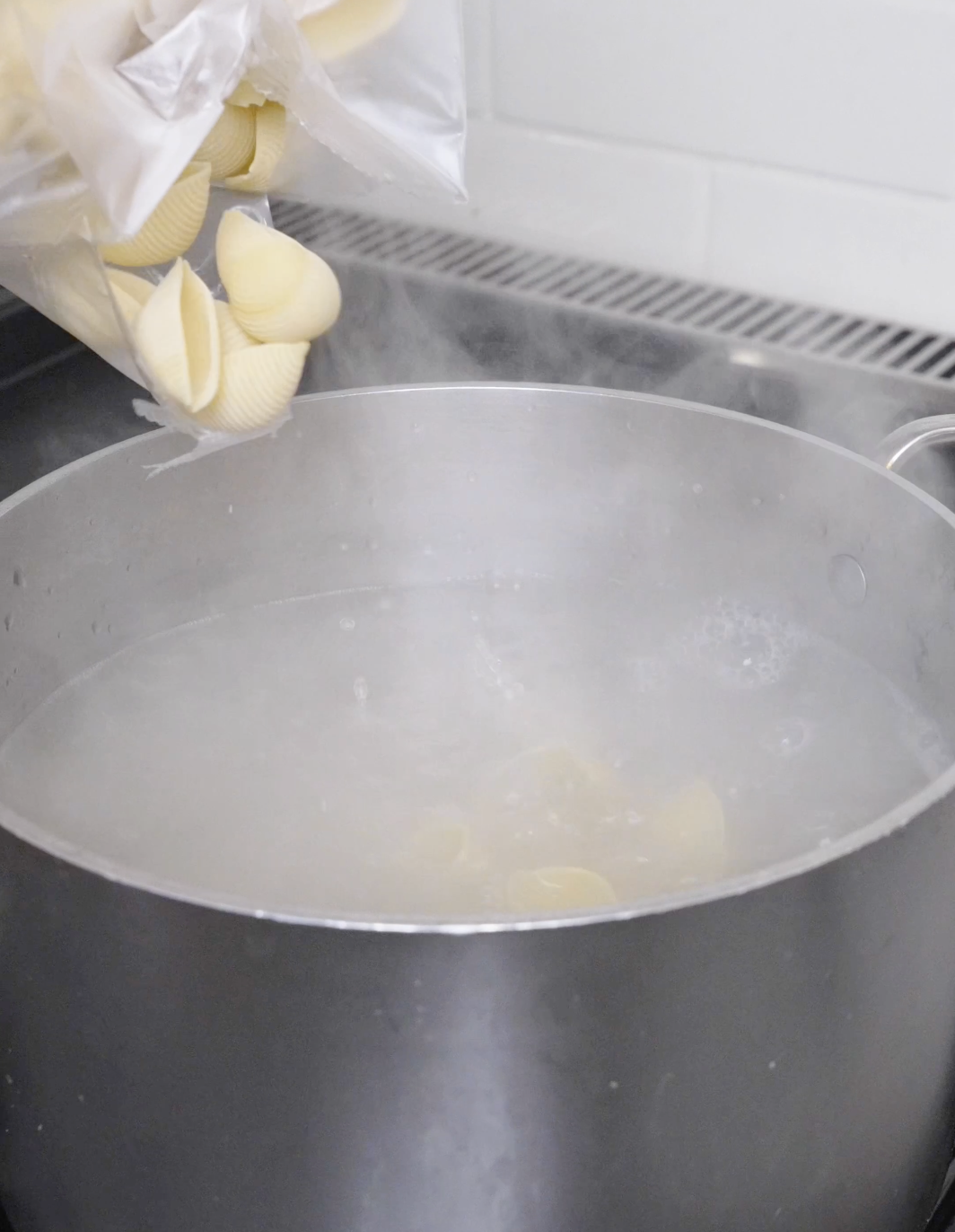
- Boil the macaroni 2 minutes short of al dente, then drain and set aside.
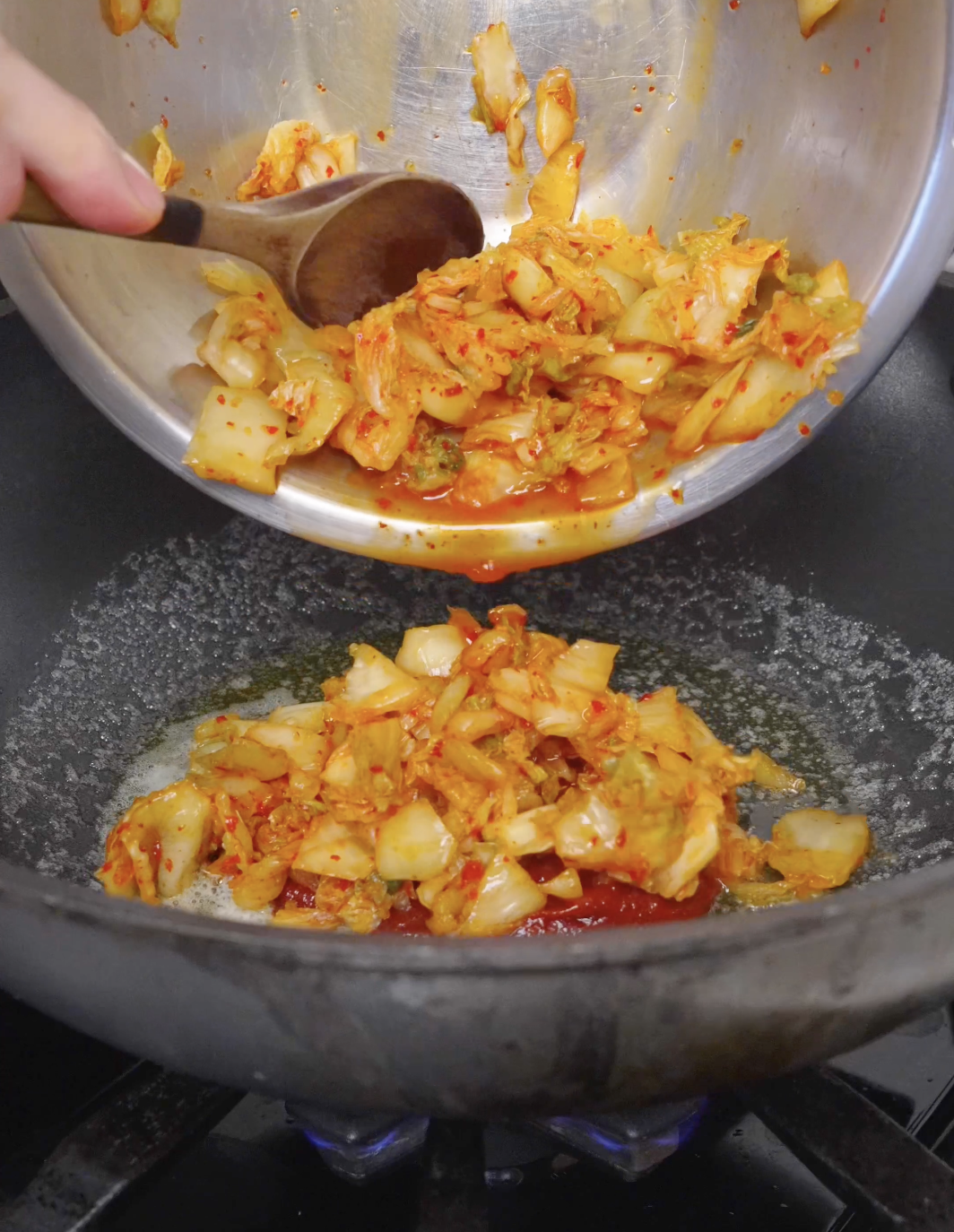
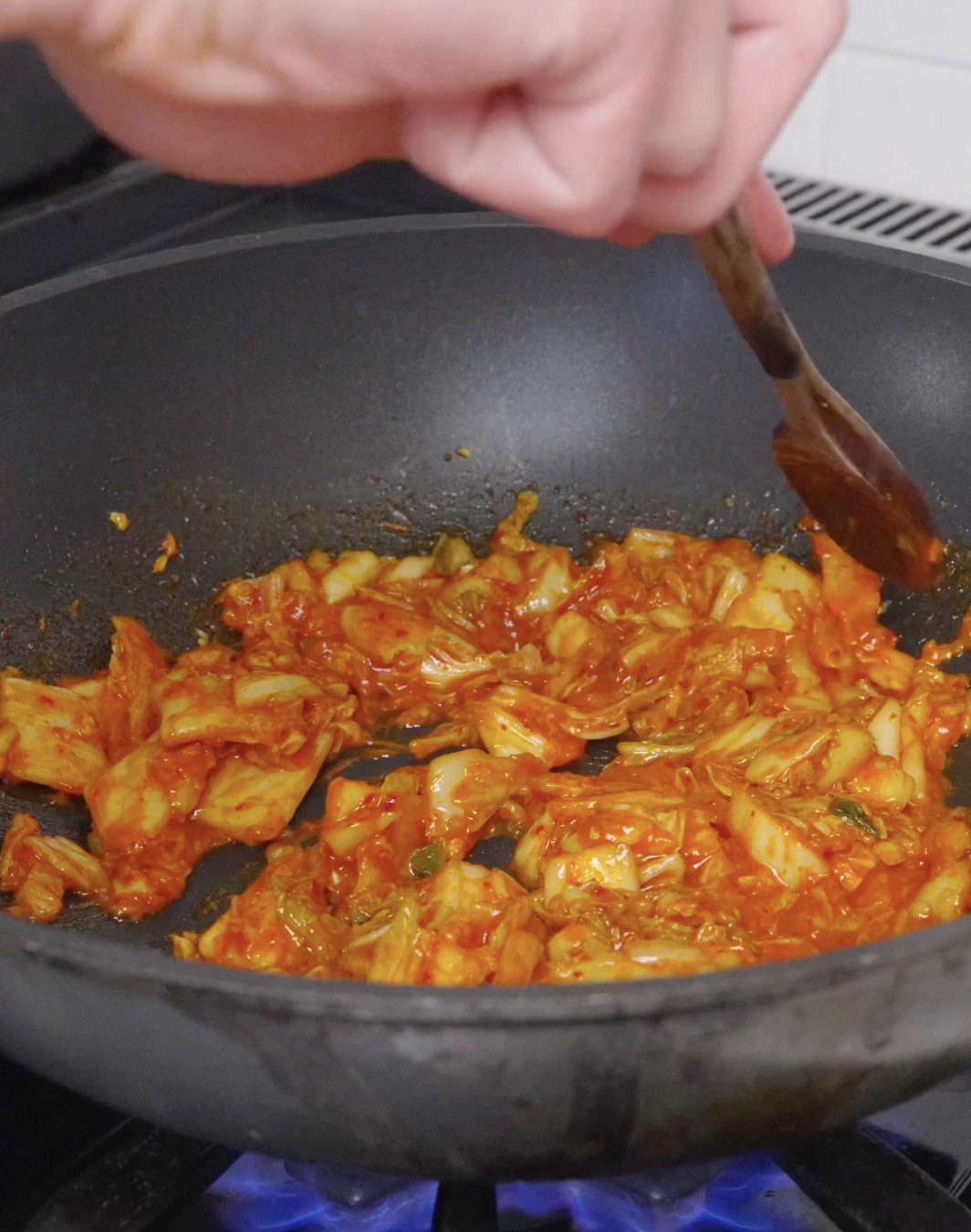
- Melt the butter in a pan and add the minced garlic, gochujang, and chopped kimchi, cooking for a few minutes.
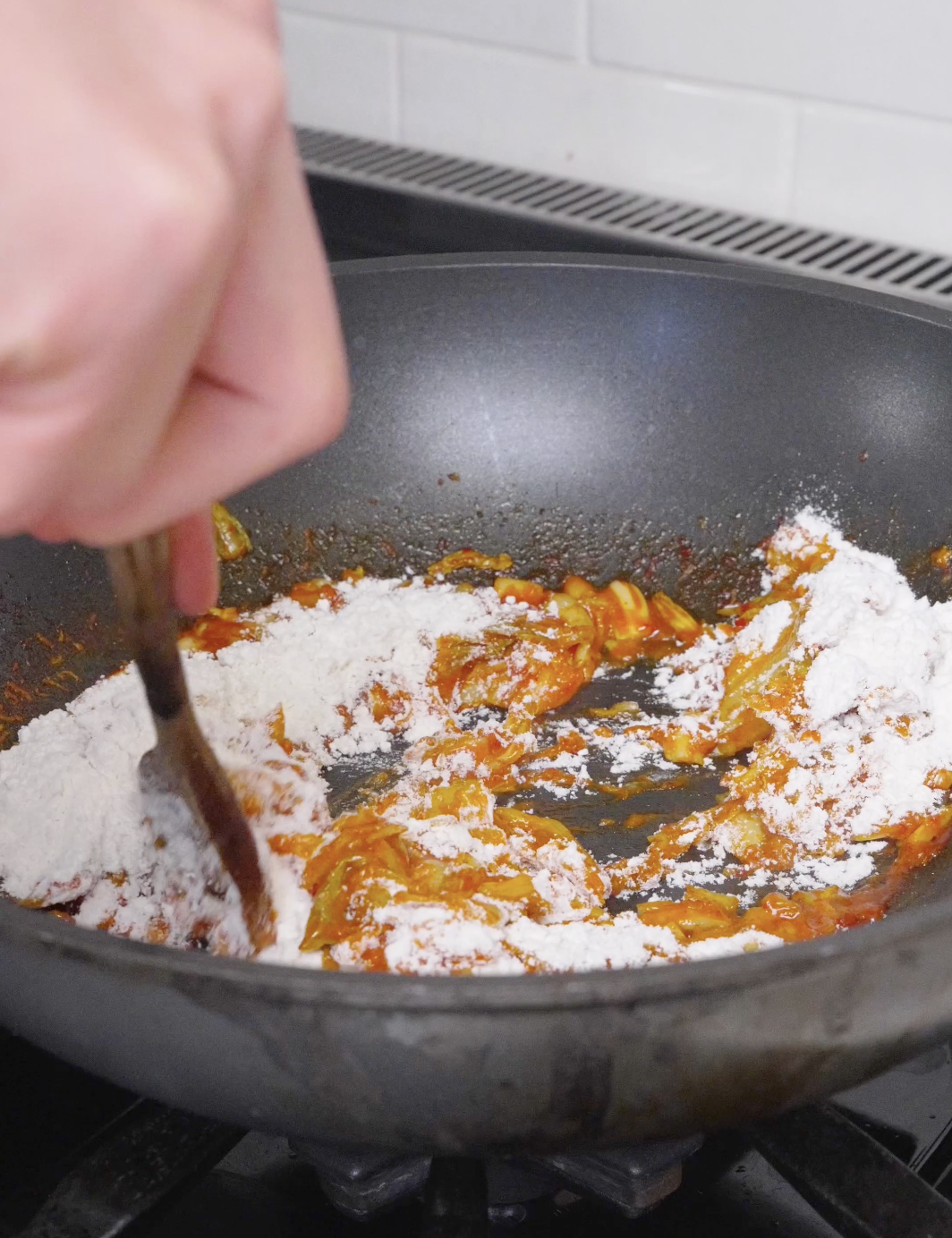
- Add the flour and stir for 30 seconds.
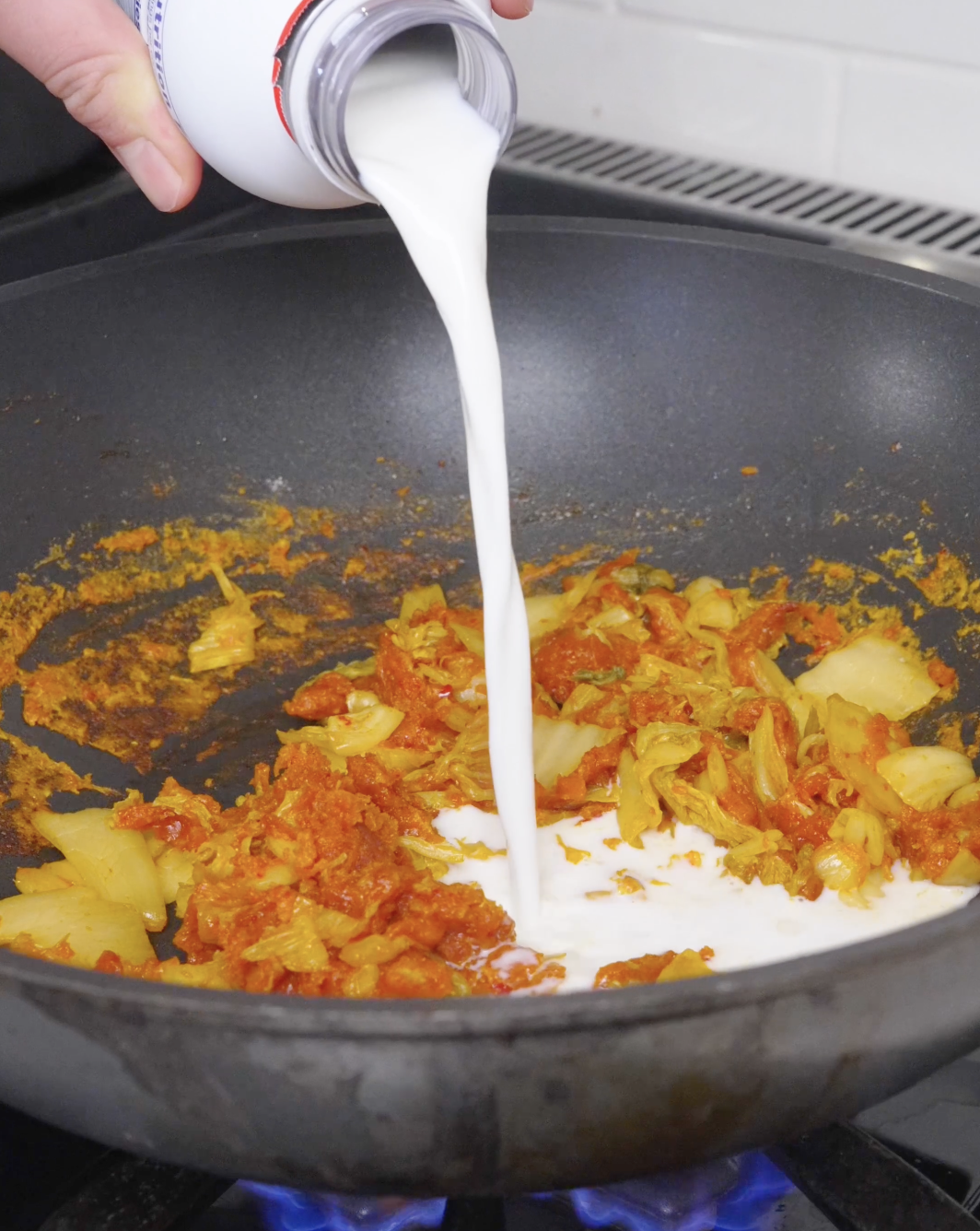
- Add the milk in increments, fully combining with the flour before adding the next increment.
- Add the heavy cream and bring everything to a simmer, then season to taste with salt.
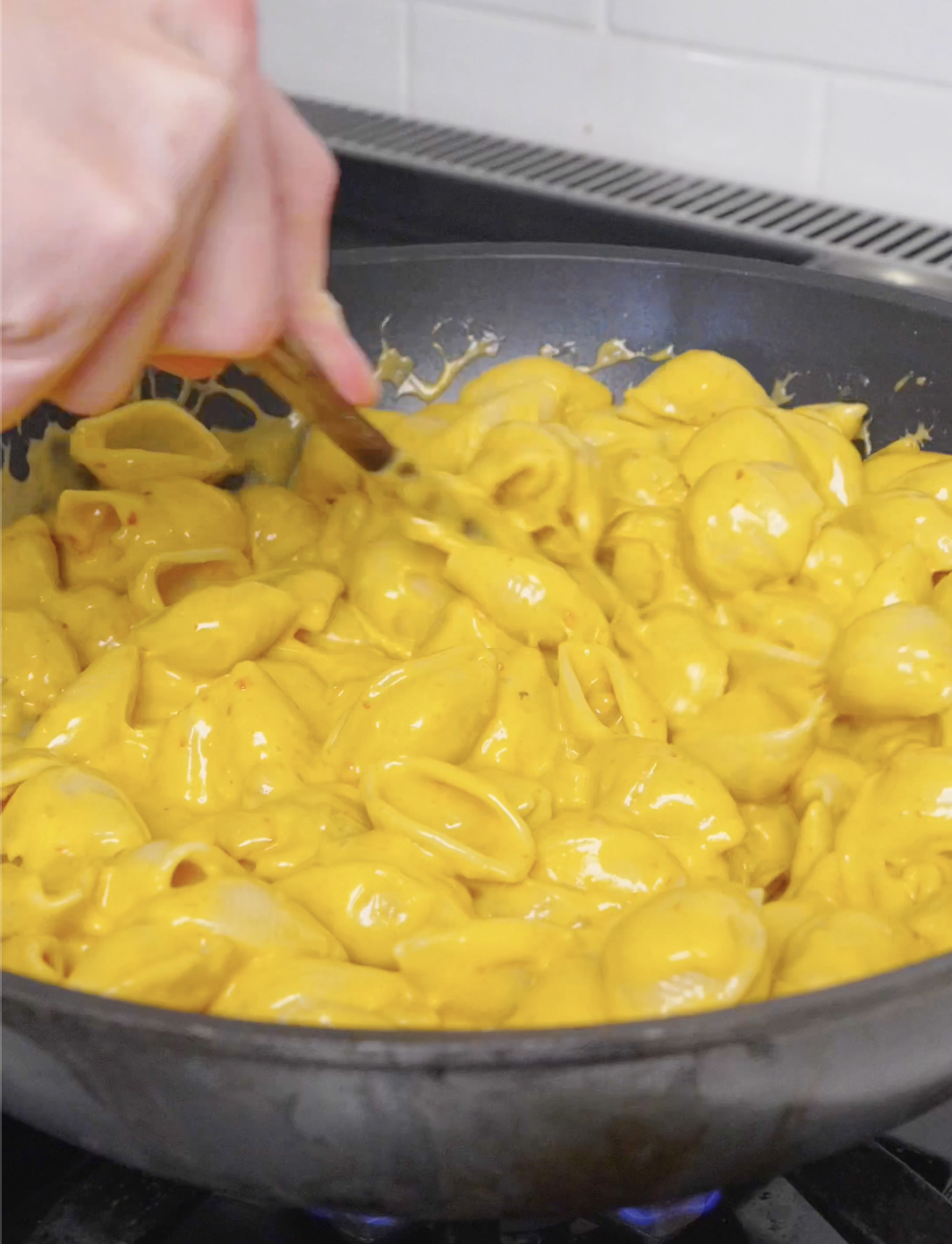
- Once seasoned, add the cheddar, mozzarella, and Parmesan and mix until the cheese is melted and has that stretchy consistency.
- Add the pasta and cook for about 2 more minutes, until the cheese sauce is well incorporated with the pasta.
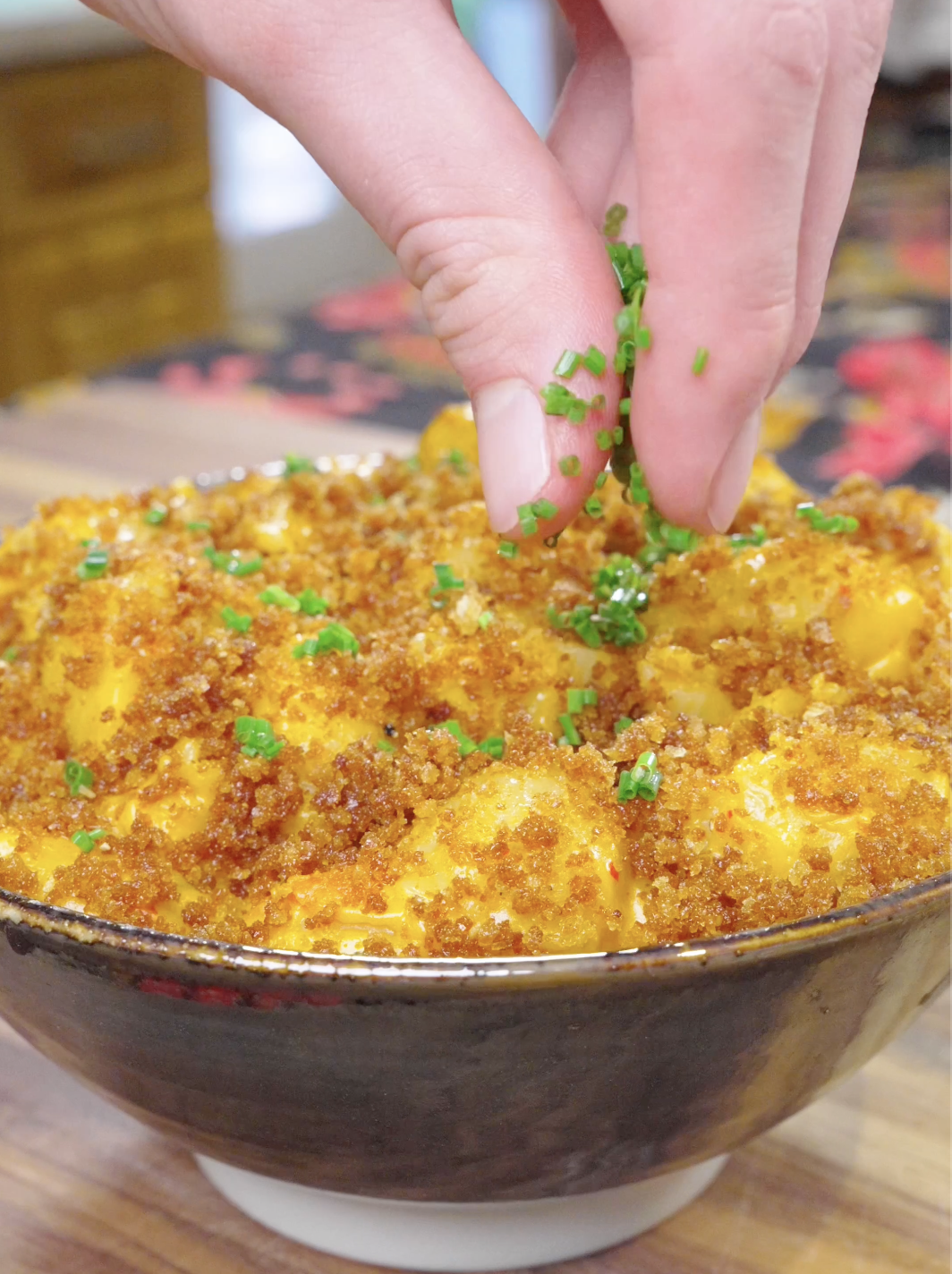
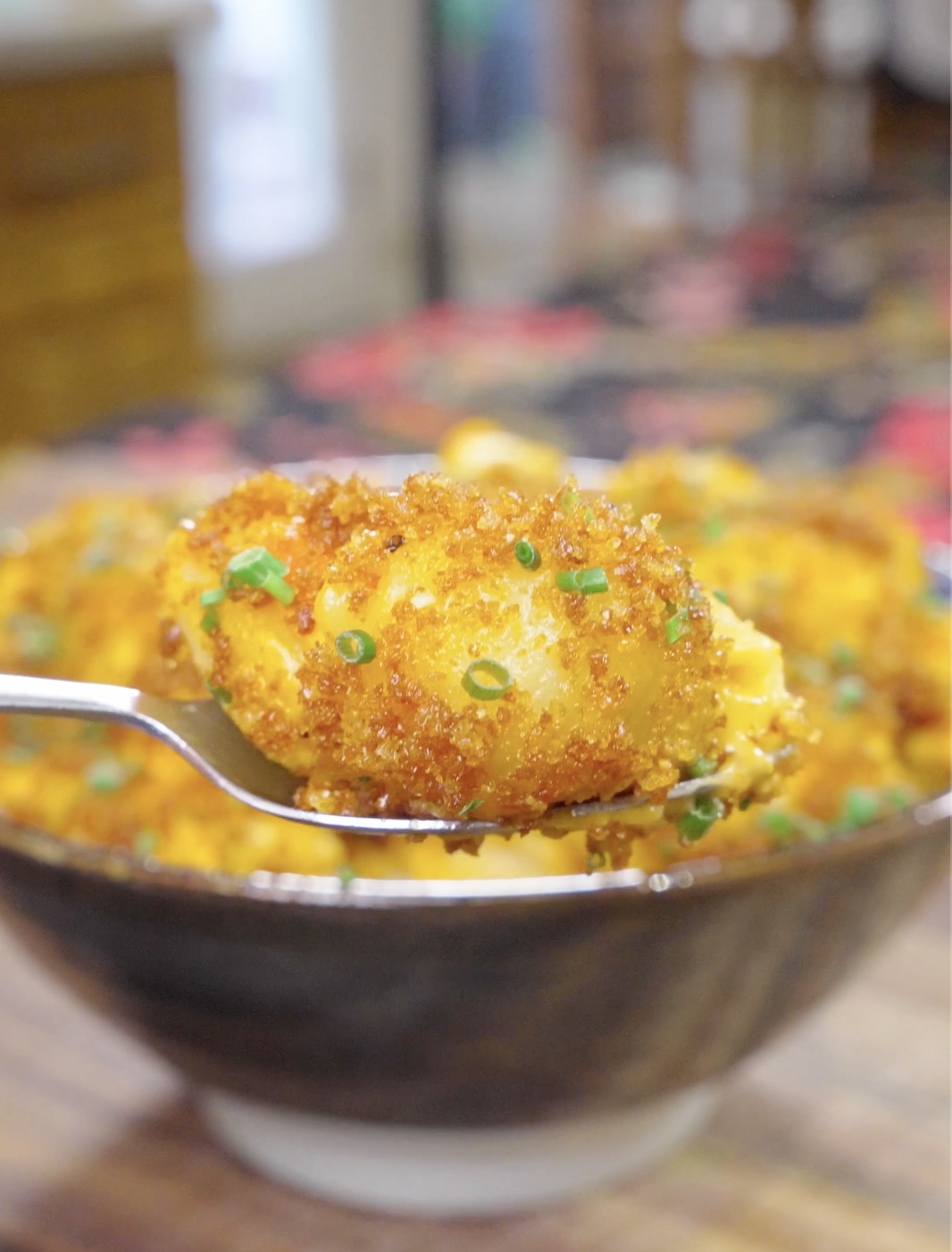
- Transfer to a bowl and optionally garnish with breadcrumbs and chives. But it’s your food, you eat it how you like.
Video
Notes
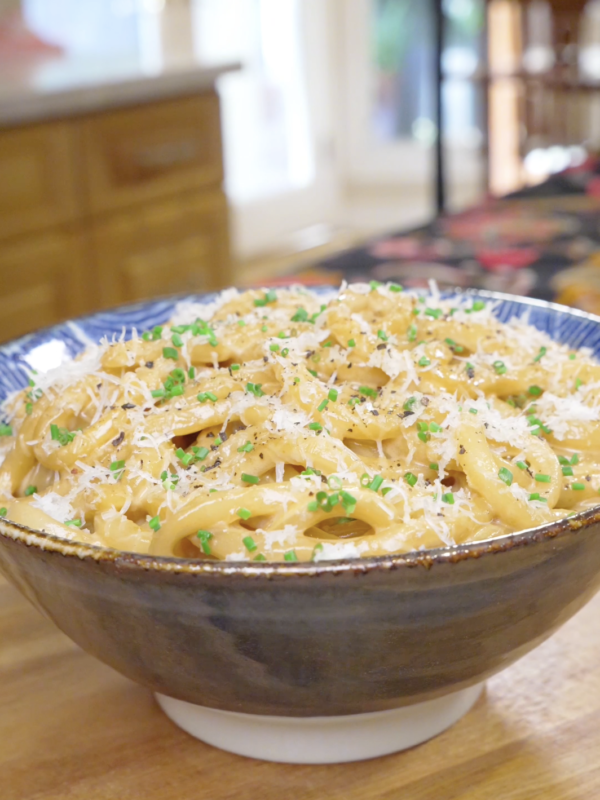
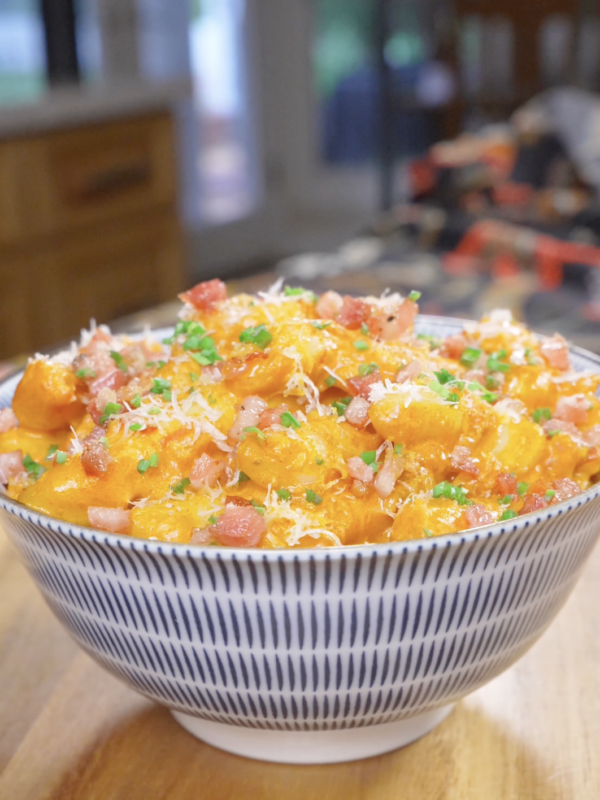
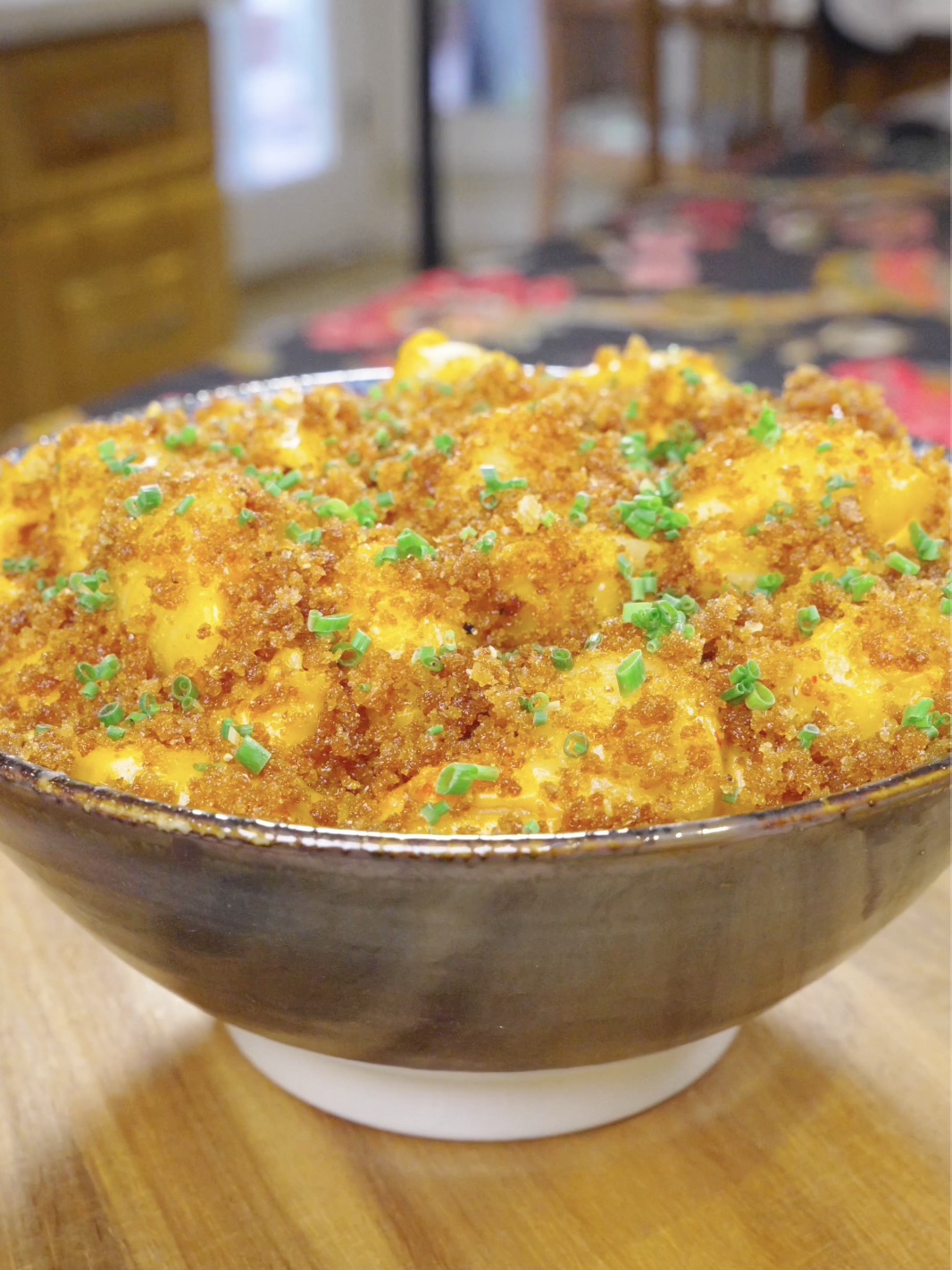
If you think mac and cheese can’t get any better, my Kimchi Mac and Cheese recipe is about to prove you wrong! This is a proper, from-scratch stovetop mac and cheese, built on a real roux and a trio of melty cheeses, with a generous handful of chopped kimchi and a spoonful of gochujang stirred right into the sauce. The result is everything you love about the classic, creamy, stretchy, and deeply comforting, with a tangy, gently spicy funk running through every bite that keeps you coming back for one more spoonful. The kimchi softens and caramelizes slightly as it cooks in the butter, mellowing its sharpness into something sweet and savory, while the gochujang tints the sauce a gorgeous blush pink and adds a slow, warming heat. It comes together in one pot in about 35 minutes, and I promise it’ll ruin boxed mac and cheese for you forever!
Craving more cheesy, spicy comfort food? Be sure to check out my gochujang mac and cheese, gochujang alfredo and creamy gochujang pasta next!
Table of Contents
- Kimchi Mac and Cheese Recipe
- Why You’ll Crave This Korean Mac and Cheese
- Ingredients & Substitutions
- Choosing the Right Kimchi (and Why Older Is Better)
- How to Make Kimchi Mac and Cheese
- Optional Variations & Dietary Adaptations
- Expert Tips & Tricks
- Serving Suggestions
- Storage & Reheating
- FAQs
- More Korean Recipes
Why You’ll Crave This Korean Mac and Cheese
Kimchi and cheese might sound like an unlikely pairing, but it’s actually one of the most beloved combinations in modern Korean cooking, and for good reason. Cheese is rich, salty, and fatty, and kimchi brings exactly what it’s missing: acidity, crunch, and that fermented, garlicky depth that cuts through the heaviness and keeps every bite tasting bright. Add gochujang to the mix and you get a gentle, rounded heat and a touch of sweetness that ties the whole thing together. What makes this version so good is that nothing is an afterthought. The kimchi isn’t just tossed on top; it’s sautéed in butter with garlic and gochujang so its flavor infuses the entire sauce from the ground up. Then a classic roux and a blend of cheddar, mozzarella, and Parmesan give you that silky, pull-apart texture that makes mac and cheese so irresistible. It’s cozy, a little bit funky, and completely addictive!
Ingredients & Substitutions
- Macaroni or Pasta Shells – Elbow macaroni is classic, but shells, cavatappi, or any short pasta with ridges or pockets to trap the sauce works beautifully. Cook it two minutes short of al dente since it’ll finish in the sauce.
- Kimchi – The star of the show! Well-fermented napa cabbage kimchi is what you want here, cut into small bite-sized pieces so it distributes evenly. The older and more sour your kimchi, the more flavor it’ll bring (more on that below).
- Unsalted Butter – This forms the base of the roux and sautés the kimchi and aromatics. Unsalted lets you control the seasoning, since the kimchi, cheese, and gochujang all bring plenty of salt on their own.
- Garlic – Freshly minced is best for that punchy, aromatic base. Jarred will work in a pinch!
- Gochujang – This fermented Korean chili paste brings heat, sweetness, and a deep umami funk all at once. There’s no perfect substitute, but a mix of sriracha and a small spoonful of miso paste will get you in the neighborhood.
- All-Purpose Flour – Whisked into the butter to make the roux, which is what thickens the sauce into something luxuriously creamy rather than thin and soupy.
- Milk – Whole milk gives the richest result, but 2% works fine too. Just add it gradually so the roux absorbs it smoothly without clumping.
- Heavy Cream – A splash at the end adds extra body and silkiness. You can swap in more milk if you want to lighten things up, though the sauce will be a touch thinner.
- Salt – Add to taste at the end. Between the kimchi, gochujang, and three cheeses, you may need less than you think.
For the Cheese
- Shredded Cheddar – Brings that classic sharp, tangy mac and cheese flavor. Sharp or extra-sharp cheddar gives you the most punch.
- Shredded Mozzarella – This is all about the cheese pull. Low-moisture mozzarella melts into stretchy, gooey strands that make every forkful fun.
- Grated Parmesan – Adds a nutty, salty depth that rounds out the milder cheeses. Pecorino Romano works too if you want something sharper.
Optional Garnish
- Breadcrumbs – Panko toasted in a dry pan until golden adds a crunchy contrast to all that creaminess. You can also broil the whole dish with breadcrumbs on top for a baked-style crust.
- Chives – A sprinkle adds color and a fresh, mild onion note. Thinly sliced scallions are a great stand-in.
This is just a short review of the ingredients; for the complete recipe, including quantities, scroll down to the recipe card 👇
Choosing the Right Kimchi (and Why Older Is Better)
Not all kimchi is created equal, and the jar you reach for will make a real difference in how this mac and cheese tastes. Fresh, newly made kimchi is crunchy and mild with a bright, almost salad-like quality, which is lovely on its own but gets a little lost once it’s swimming in cheese sauce. What you want for cooking is older kimchi, the kind that’s been sitting in the fridge for a few weeks (or months!) and has developed a deeper sourness and a softer texture. That extra fermentation is what gives cooked kimchi dishes like kimchi jjigae and kimchi fried rice their signature tangy depth, and it works the same magic here.
When you’re shopping, look for napa cabbage kimchi (baechu kimchi) rather than radish or cucumber varieties, since it breaks down the most evenly in the sauce. Most Asian grocery stores carry it in the refrigerated section, and plenty of regular supermarkets stock it now too. If your kimchi is on the fresher side, don’t stress! Just give it an extra minute or two in the butter to soften and concentrate its flavor before you build the roux. And don’t throw out the kimchi juice at the bottom of the jar. A spoonful stirred into the sauce at the end adds a bright, tangy boost that wakes everything up.
How to Make Kimchi Mac and Cheese
Cut the kimchi into small bite-sized pieces and set to the side.
Boil the macaroni 2 minutes short of al dente, then drain and set aside.
Melt the butter in a pan and add the minced garlic, gochujang, and chopped kimchi, cooking for a few minutes.
Add the flour and stir for 30 seconds.
Add the milk in increments, fully combining with the flour before adding the next increment.
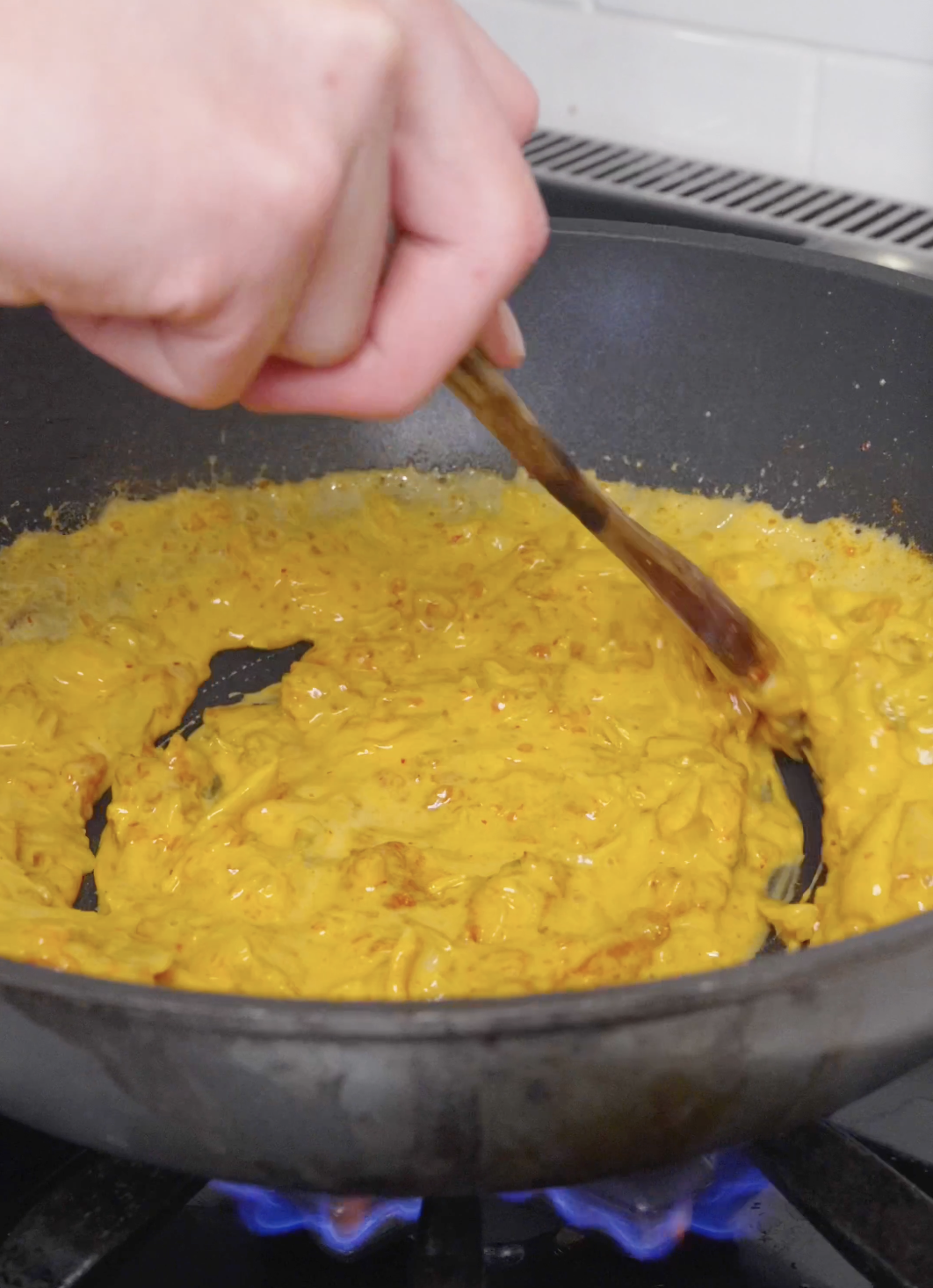
Add the heavy cream and bring everything to a simmer, then season to taste with salt.
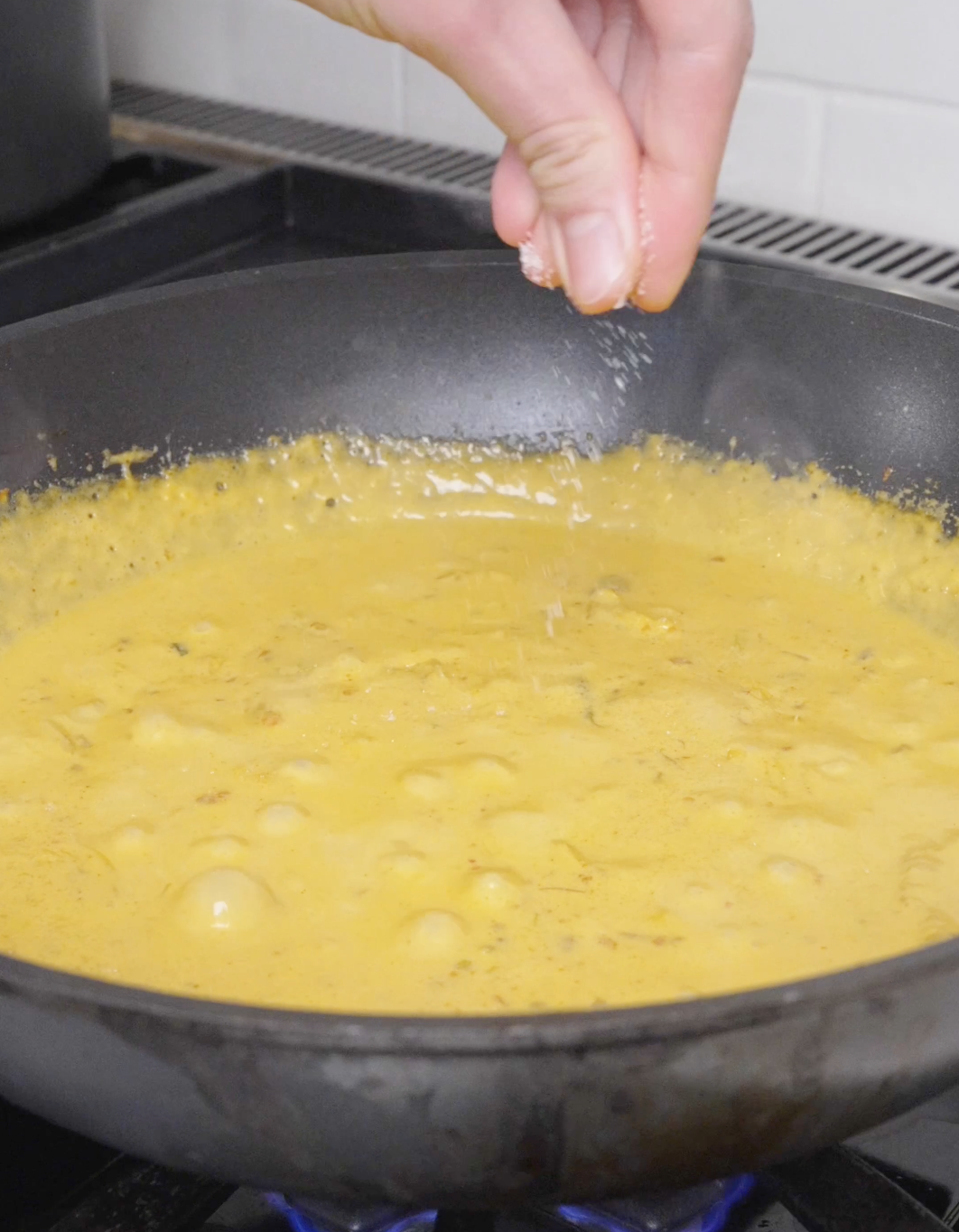
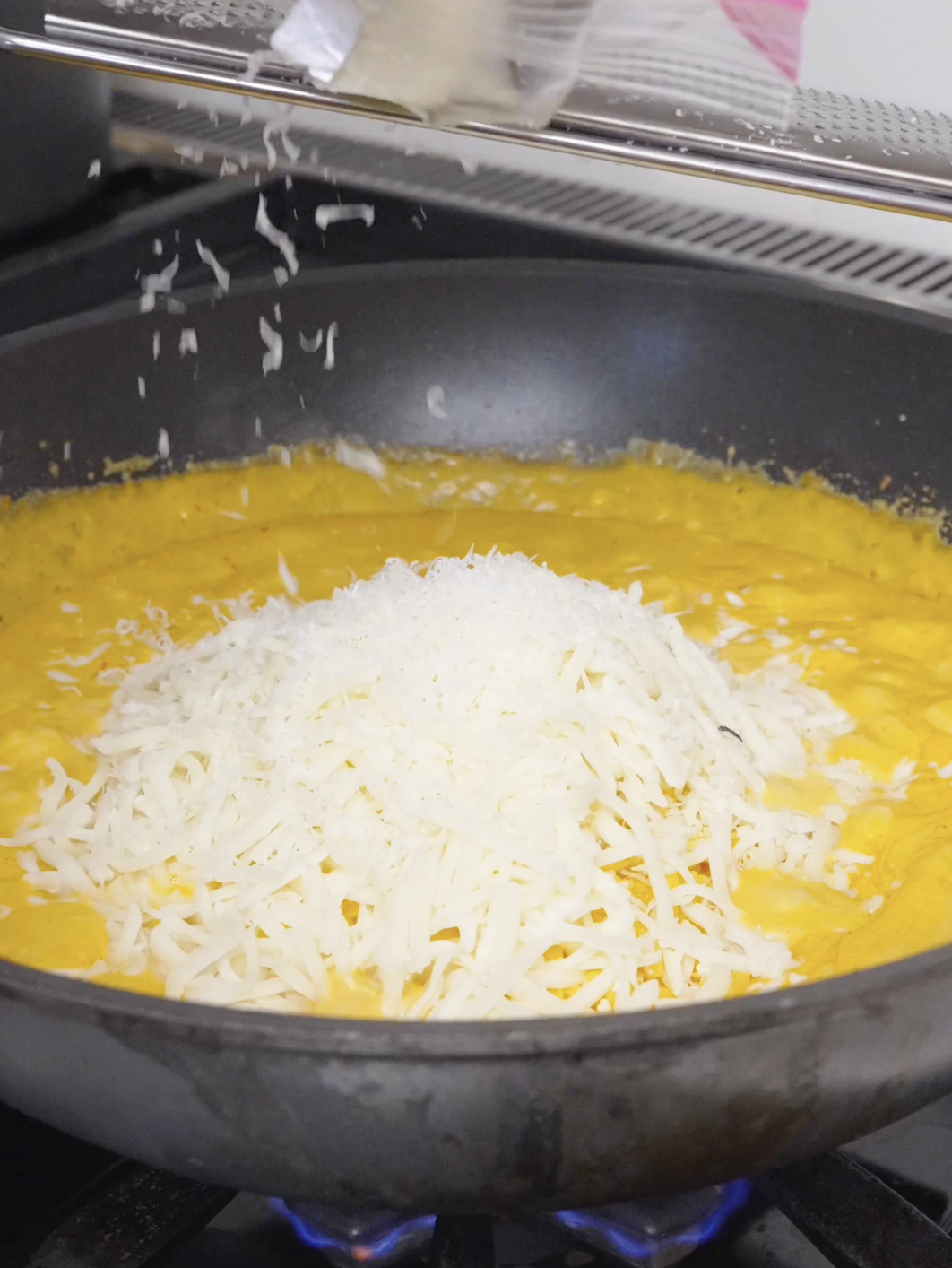
Once seasoned, add the cheddar, mozzarella, and Parmesan and mix until the cheese is melted and has that stretchy consistency.
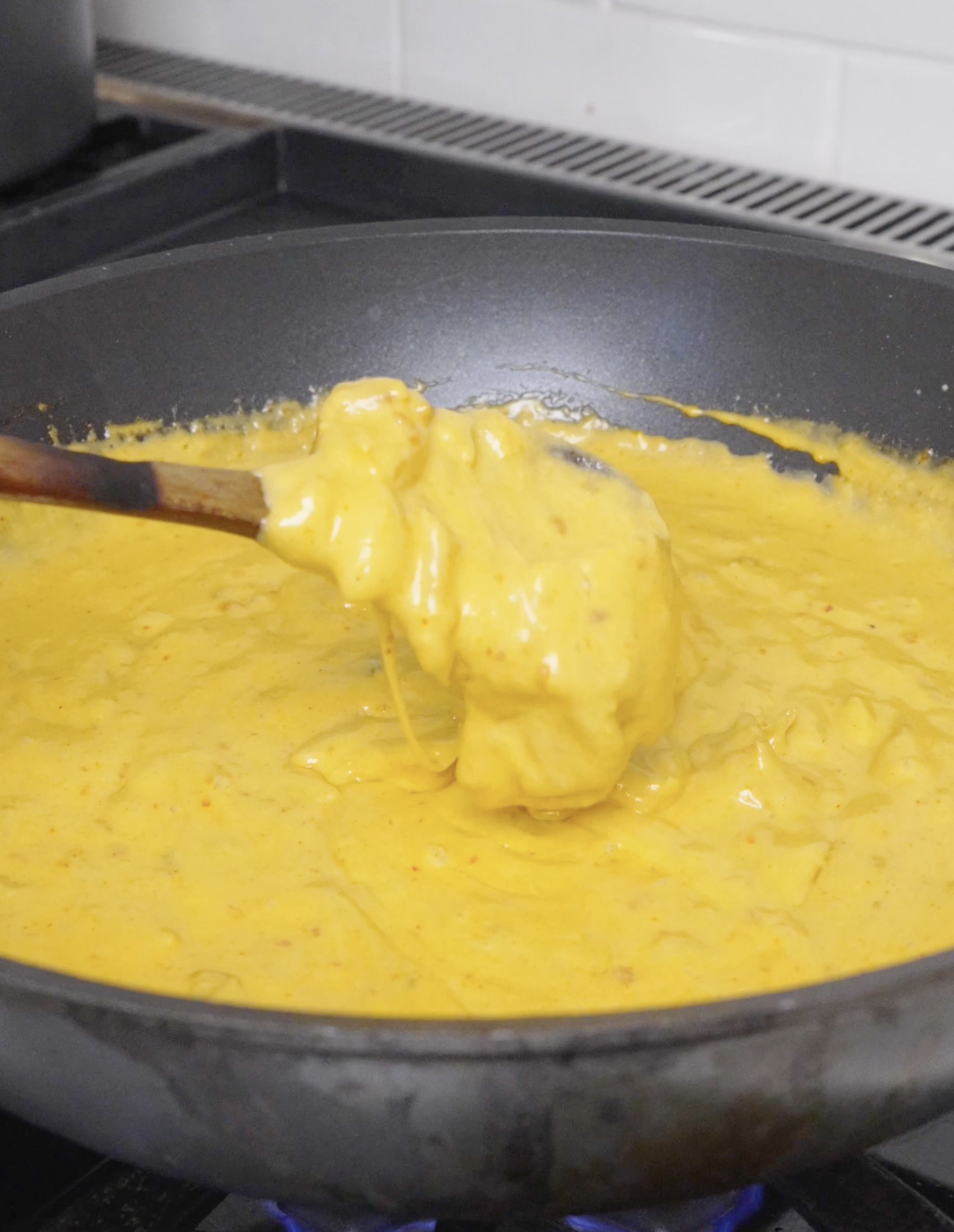
Add the pasta and cook for about 2 more minutes, until the cheese sauce is well incorporated with the pasta.
Transfer to a bowl and optionally garnish with breadcrumbs and chives. But it’s your food, you eat it how you like.
More of a visual learner? Check out my video recipe below. 👇
Optional Variations & Dietary Adaptations
This kimchi mac and cheese is endlessly adaptable, so don’t be afraid to make it your own depending on what you’re craving or what’s in the fridge. A few ideas to get you started:
- Add Protein – Crispy bacon, diced Spam, or leftover bulgogi ground beef stirred in at the end turn this into a seriously hearty dinner. Spam and kimchi is a classic Korean combo for a reason!
- Baked – Transfer the finished mac and cheese to an oven-safe dish, top with extra cheese and panko, and bake at 400°F for 15 minutes until golden and bubbling for a crispy, casserole-style crust.
- Extra Spicy – Double the gochujang, add a pinch of gochugaru (Korean chili flakes), or finish with a drizzle of chili oil if you like things fiery.
- Milder – Cut the gochujang to a teaspoon and rinse the kimchi briefly before chopping it to tone down both the heat and the tang.
- Gluten-Free – Use gluten-free pasta and swap the all-purpose flour for a gluten-free blend or cornstarch. Double-check your gochujang label, as some brands contain wheat.
- Switch Up the Cheese – Gruyère, Monterey Jack, or a smoked gouda all melt beautifully and add their own personality. Just keep at least one good melting cheese in the mix for that stretchy pull.
Expert Tips & Tricks
- Squeeze the kimchi lightly before chopping. A little excess juice is great for flavor, but too much liquid in the butter will keep the kimchi from caramelizing and can thin out your roux. Save the juice and stir it in at the end instead.
- Cook the gochujang in the butter. Giving the paste a minute or two in the fat before adding the flour blooms its flavor and takes the raw edge off, so you get rounded warmth instead of a sharp, pasty taste.
- Add the milk slowly and whisk constantly. Dumping it in all at once is the fastest route to a lumpy sauce. Pour in a splash, whisk until smooth, and repeat. It takes an extra minute but guarantees a silky result.
- Shred your own cheese. Pre-shredded cheese is coated with starch to prevent clumping, which also keeps it from melting smoothly. A block and a box grater make a noticeably creamier sauce.
- Take the pan off the heat before adding the cheese. Cheese that gets too hot can turn grainy or oily. Stir it into the warm sauce off the burner and let residual heat do the work.
- Undercook the pasta. Pulling it two minutes early means it finishes cooking in the sauce, absorbing flavor instead of turning mushy.
- Loosen with pasta water if needed. If the sauce tightens up too much, a splash of starchy pasta water (or more milk) brings it right back to creamy.
Serving Suggestions
This kimchi mac and cheese is hearty enough to be dinner all on its own, but it also makes a fantastic side dish for a Korean-inspired spread. A simple cucumber salad or a few quick-pickled vegetables add a fresh, crunchy contrast to all that creamy richness, and a handful of extra kimchi on the side is never a bad idea.
If you’re building out a bigger meal, this plays beautifully alongside Korean fried chicken or Korean popcorn chicken, where the crispy, sticky chicken and the creamy, tangy pasta balance each other perfectly. For something a little more substantial, serve it next to chicken bulgogi or a platter of Korean BBQ short ribs for a full-on feast.
And if you’re bringing this to a potluck or holiday table, it holds up well in a baking dish with a breadcrumb crust. Just pop it under the broiler right before serving so the top gets golden and crunchy!
Storage & Reheating
- Refrigeration: Let leftovers cool to room temperature, then store in an airtight container in the fridge for up to 3-4 days. The pasta will keep absorbing the sauce as it sits, so expect it to thicken up overnight.
- Freezing: You can freeze this for up to 2 months, though the texture of the cheese sauce may change slightly once thawed. Freeze in individual portions for easy reheating, and thaw overnight in the fridge before warming.
- Reheating: The stovetop is your best bet. Warm the mac and cheese in a saucepan over low heat with a generous splash of milk, stirring gently until it loosens back up and is heated through. The microwave works in a pinch; just add a splash of milk, cover loosely, and heat in 30-second bursts, stirring between each, so the sauce stays creamy rather than oily or clumpy.
FAQs
Does kimchi go well with cheese?
Surprisingly well! Cheese is rich and fatty, and kimchi is sour, spicy, and crunchy, so they balance each other out beautifully. It’s the same reason kimchi and Spam, or kimchi and pork belly, are such beloved combinations in Korean cooking. The acidity cuts through the richness and keeps every bite from feeling heavy.
Is kimchi mac and cheese spicy?
It has a gentle, warming heat rather than a fiery one. Most of the spice comes from the gochujang, which is mellowed considerably by the dairy and cheese. If you’re sensitive to heat, start with half the gochujang and add more to taste. If you love spice, feel free to double it!
Can I use boxed mac and cheese for this?
You can shortcut it by stirring sautéed kimchi, garlic, and gochujang into a prepared box of mac and cheese, and it’ll be tasty. But a from-scratch roux-based sauce with real cheddar, mozzarella, and Parmesan is noticeably creamier and more flavorful, and it only takes about 15 extra minutes.
Why is my cheese sauce grainy?
Grainy cheese sauce usually means the cheese got too hot and the proteins seized up. Always add the cheese off the heat or over very low heat, stir gently until just melted, and avoid letting the sauce boil once the cheese is in. Using freshly shredded cheese instead of pre-shredded also helps a lot.
More Korean Recipes
Hungry for more? Try my Kimchi Stew, Gochujang Mac and Cheese, or Korean Popcorn Chicken!