Beef Udon Recipe
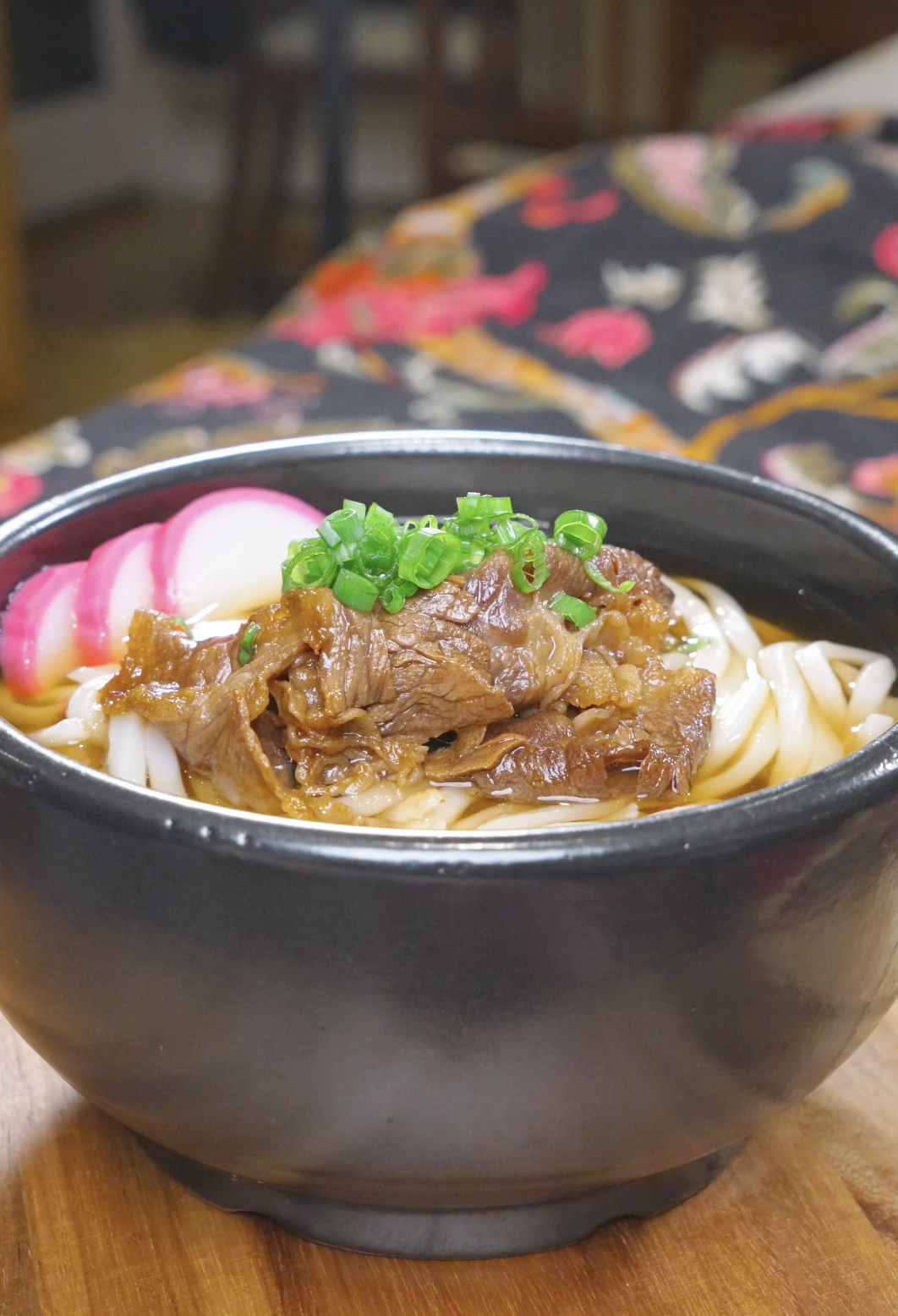
Ingredients
- 14 oz fresh or frozen udon noodles
- 8 oz thinly sliced beef
- Neutral oil, for cooking
- 1 tbsp light soy sauce
- 1 tbsp sugar
For the Broth
- 3 cups water
- 2 tsp dashi powder
- 2 tbsp light soy sauce
- 1 tbsp sugar
- 2 tbsp mirin
Optional Garnish
- Fish cake
- Scallions
Instructions
- Heat a pan over medium-high heat with a bit of oil. Add the thinly sliced beef and brown until about 80% of the way through. Add the light soy sauce and sugar, then remove from the heat once the beef is finished cooking.
- Bring a pot of water to a boil and add the udon. Cook until the noodles are all separated, then rinse and drain.
- For the broth, combine the water, dashi powder, light soy sauce, sugar, and mirin in a pot and bring to a rolling boil, then remove from the heat.
- Place the noodles in a bowl and top with the broth and the beef. Optionally garnish with fish cake and scallions. But it’s your food, you eat it how you like.
Video
Notes
- Slice the beef as thin as you can — freezing it for 20–30 minutes first makes this much easier.
- Cook the noodles in their own pot, not in the broth, so the broth stays clean instead of starchy.
- Taste the broth as you build it. Dashi powder, soy sauce and mirin vary a lot by brand.
- Don’t let the noodles sit in the broth before serving or they’ll go mushy.
Next time you’re facing a bout of hunger-panic, my 20-minute Beef Udon Noodles recipe will be your salvation. This slurp-tastic meal comes together in a flash using just 8 simple ingredients, and is satisfying enough to quell even the grumbliest of tummies. Thick, chewy udon noodles get tangled up with tender, savory strips of beef and a rich, umami-packed sauce that clings to every bite. It’s the kind of dish that feels like a warm hug after a long day, yet it’s simple enough to whip up on even the busiest weeknight—no fancy equipment or hard-to-find ingredients required. Whether you’re cooking for one and craving a cozy solo dinner or feeding a hungry family, this easy noodle recipe delivers restaurant-quality comfort food in the time it takes to boil a pot of water.
Love the chewy bounce of udon noodles as much as I do? Check out my Japanese carbonara udon, chicken yaki udon, and teriyaki stir fried udon recipes next!
Table of Contents
- Beef Udon Recipe
- Why You’ll Crave This Easy Beef Udon Recipe
- Ingredients & Substitutions
- A Quick Guide to Udon Noodles: Fresh vs. Frozen vs. Microwaveable
- How to Make Beef Udon Noodles
- Optional Variations & Dietary Adaptations
- Expert Tips & Tricks
- Serving Suggestions
- Storage & Reheating
- FAQs
- More Beef & Noodle Recipes
Why You’ll Crave This Easy Beef Udon Recipe
There’s something almost meditative about how this simple beef udon comes together—the meat sizzling and caramelizing in its own little pool of soy and sugar, the noodles bouncing in boiling water until they’re perfectly springy, and the broth simmering into a savory, dashi-laced pool that ties everything together. Unlike heavier, sauce-drenched noodle dishes, this one keeps things clean and balanced: the sweetness from the sugar and mirin plays off the deep umami of the dashi and soy sauce, creating a light broth that’s packed with flavor in every spoonful. The beef itself stays tender and juicy, browned just enough to develop those irresistible caramelized edges without ever turning tough or chewy. And then there’s the texture contrast that makes udon so special in the first place—thick, chewy, slightly slippery noodles that soak up just enough broth to carry flavor in every bite while still holding their satisfying bite. Toss in a few slices of fish cake for a subtle sweetness and a pop of color and a sprinkle of scallions for freshness, and you’ve got a bowl that feels like it was ladled straight out of a cozy noodle shop. It’s proof that you don’t need a long ingredient list or hours of simmering to create something deeply comforting.
Ingredients & Substitutions
- Fresh or Frozen Udon Noodles – Fresh udon (usually found in the refrigerated section) gives you the best chewy, springy texture, but frozen works beautifully too and is often easier to keep on hand. In a pinch, you can even use microwaveable udon. Just cook according to the package instructions, since timing can vary a lot between brands.
- Thinly Sliced Beef – Look for beef labeled “shabu-shabu” or “sukiyaki” style at Asian grocery stores, since it’s already sliced paper-thin and cooks in seconds. No luck finding it? Grab a well-marbled cut like ribeye or sirloin, pop it in the freezer for about 30 minutes to firm it up, then slice it as thinly as you can against the grain.
- Neutral Oil – Anything with a mild flavor and high smoke point works here. Vegetable, canola, or avocado oil are all great choices. Just steer clear of strong-flavored oils like olive oil, which can clash with the delicate savory-sweet profile of the dish.
- Light Soy Sauce – For salty, umami pizzazz.
- Granulated Sugar – White sugar is used to balance out the saltiness of the soy sauce. Brown sugar also works in a pinch, but will add a subtle caramel note and slightly darken the broth.
For the Broth
- Water – This is the base of your broth, so start with filtered water if possible. Using warm water can help the dashi powder dissolve a bit faster if you’re in a hurry.
- Dashi Powder – The umami backbone of the broth, made from ingredients like bonito flakes and kelp. If you can’t find it, a homemade kombu-bonito dashi works wonderfully, or in a real pinch, a light vegetable or chicken stock can stand in (though the flavor will be a bit different).
- Mirin – This sweet rice wine adds a gentle sweetness and a bit of shine to the broth. If you don’t have any, a mix of sake (or dry sherry) with a pinch of sugar can work as a stand-in, or you can leave it out and add a touch more sugar to compensate.
Optional Garnish
- Fish Cake – Often labeled “kamaboko” or “narutomaki” in stores, these add a subtle sweetness and fun texture. They’re totally optional, so don’t stress if you can’t track them down. The udon is still delicious without them!
- Scallions – A sprinkle of freshly chopped scallions adds brightness and a pop of color right before serving. If you’re out, chives work just as well.
This is just a short review of the ingredients; for the complete recipe, including quantities, scroll down to the recipe card 👇
A Quick Guide to Udon Noodles: Fresh vs. Frozen vs. Microwaveable
Not all udon noodles are created equal, and knowing the difference can make a real impact on your final bowl.
- Fresh udon, usually found in the refrigerated section of Asian grocery stores, tends to have the best texture of the bunch. It’s thick, chewy, and wonderfully springy, like a good fresh pasta. Because it hasn’t been frozen or dried, it cooks up quickly and holds its bouncy bite beautifully, making it the gold standard if you can find it.
- Frozen udon is a close second and a fantastic everyday option. It’s flash-frozen shortly after being made, which helps lock in that same chewy texture, and it keeps well in the freezer for whenever a noodle craving strikes. The noodles usually just need a quick blanch in boiling water to loosen up and warm through, making them nearly as convenient as fresh with a texture that’s remarkably close.
- Microwaveable udon (the kind that often comes in a soft plastic pouch, ready to heat in seconds) is all about convenience. It’s pre-cooked and just needs to be warmed up, which makes it a lifesaver on those nights when even boiling water feels like too much effort. The trade-off is texture—it tends to be a bit softer and less springy than fresh or frozen, since it’s already fully cooked and just being reheated rather than freshly boiled.
For this beef and udon noodles recipe, fresh or frozen udon are your best bets since boiling them briefly helps separate the noodles and gives you that satisfying chew this dish is all about. But if microwaveable is what you’ve got on hand, don’t let that stop you! You’ll still end up with a cozy, crave-worthy meal.
How to Make Beef Udon Noodles
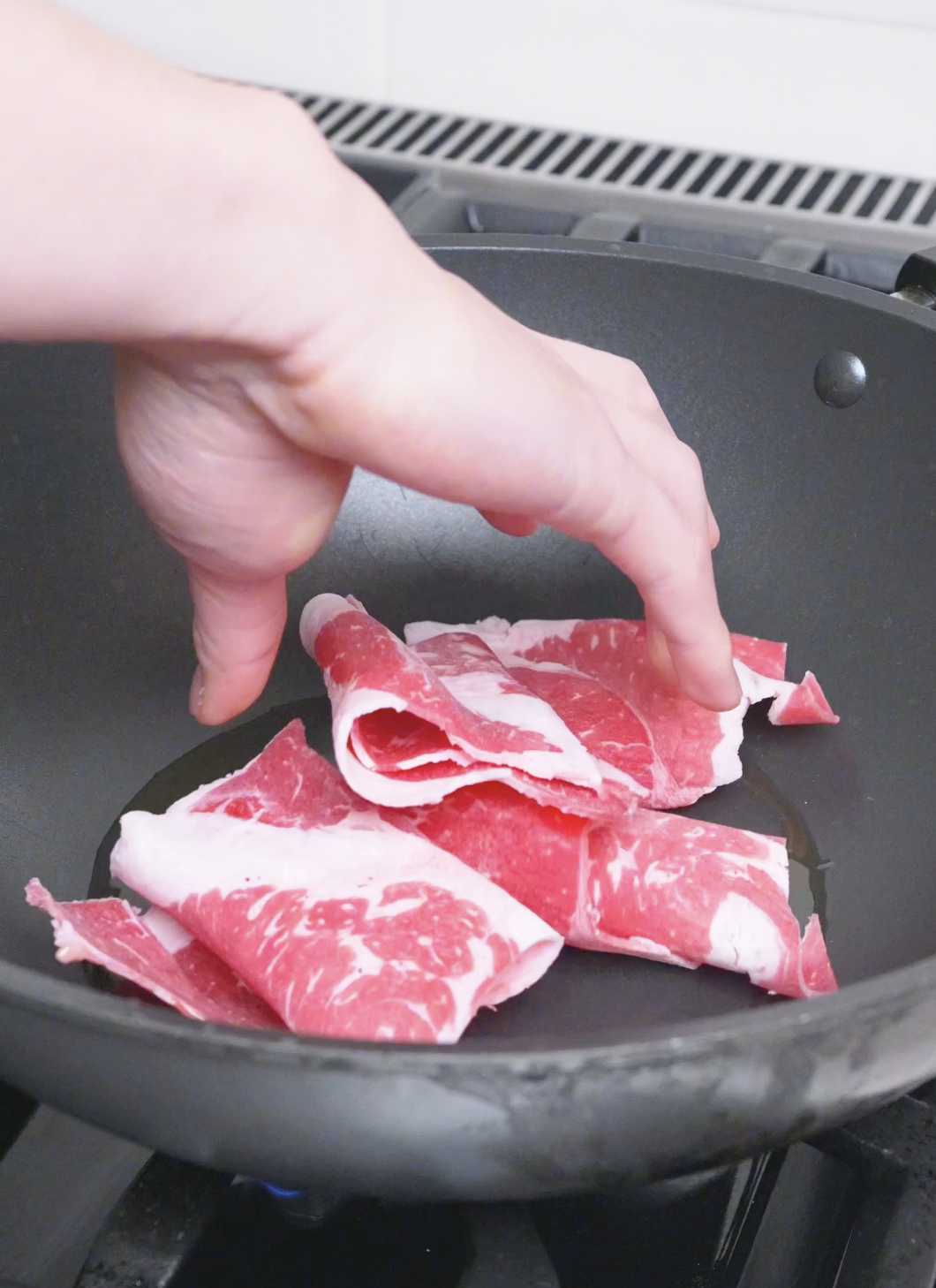
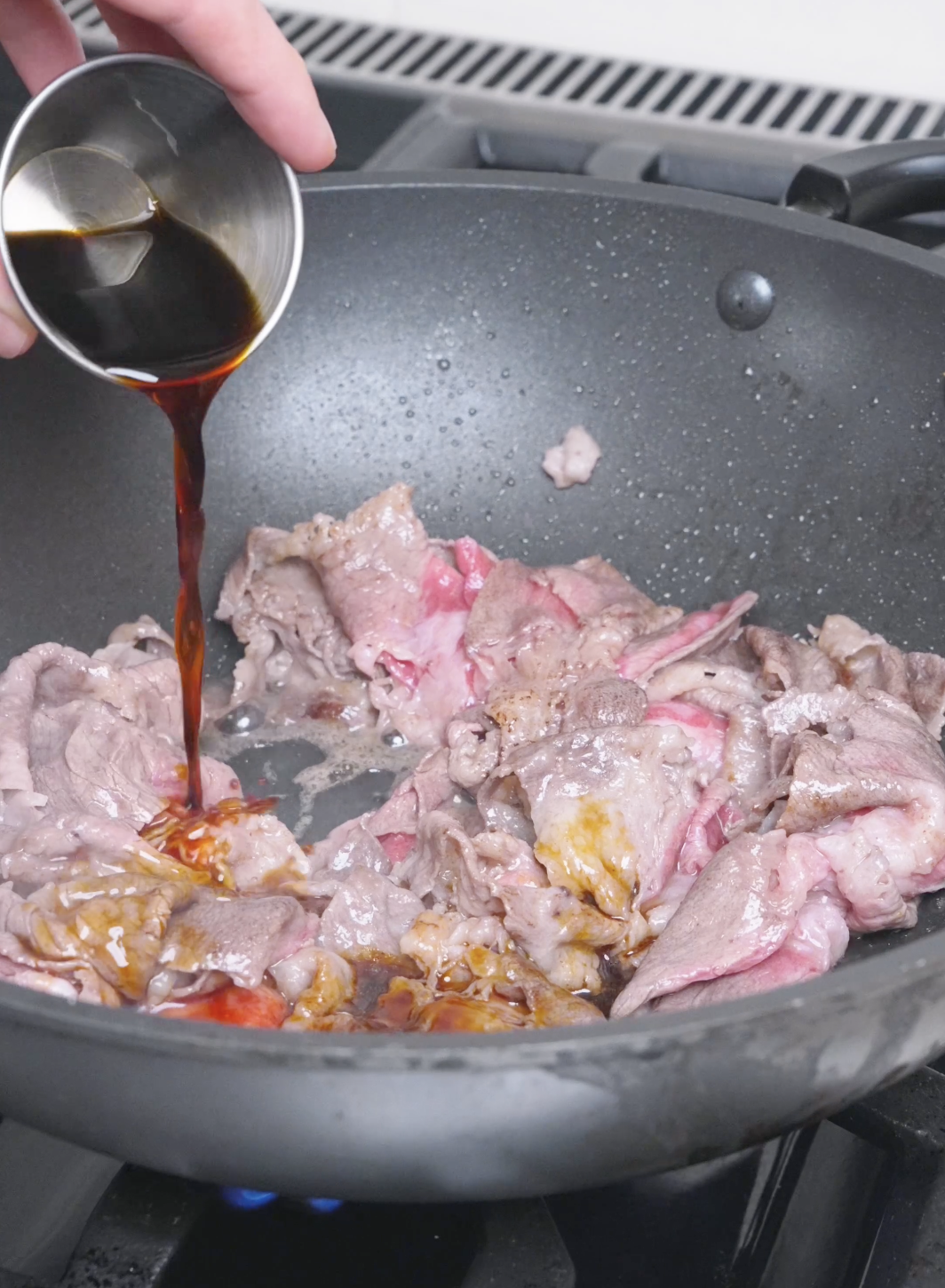
Heat a pan over medium-high heat with a bit of oil. Add the thinly sliced beef and brown until about 80% of the way through. Add the light soy sauce and sugar, then remove from the heat once the beef is finished cooking.
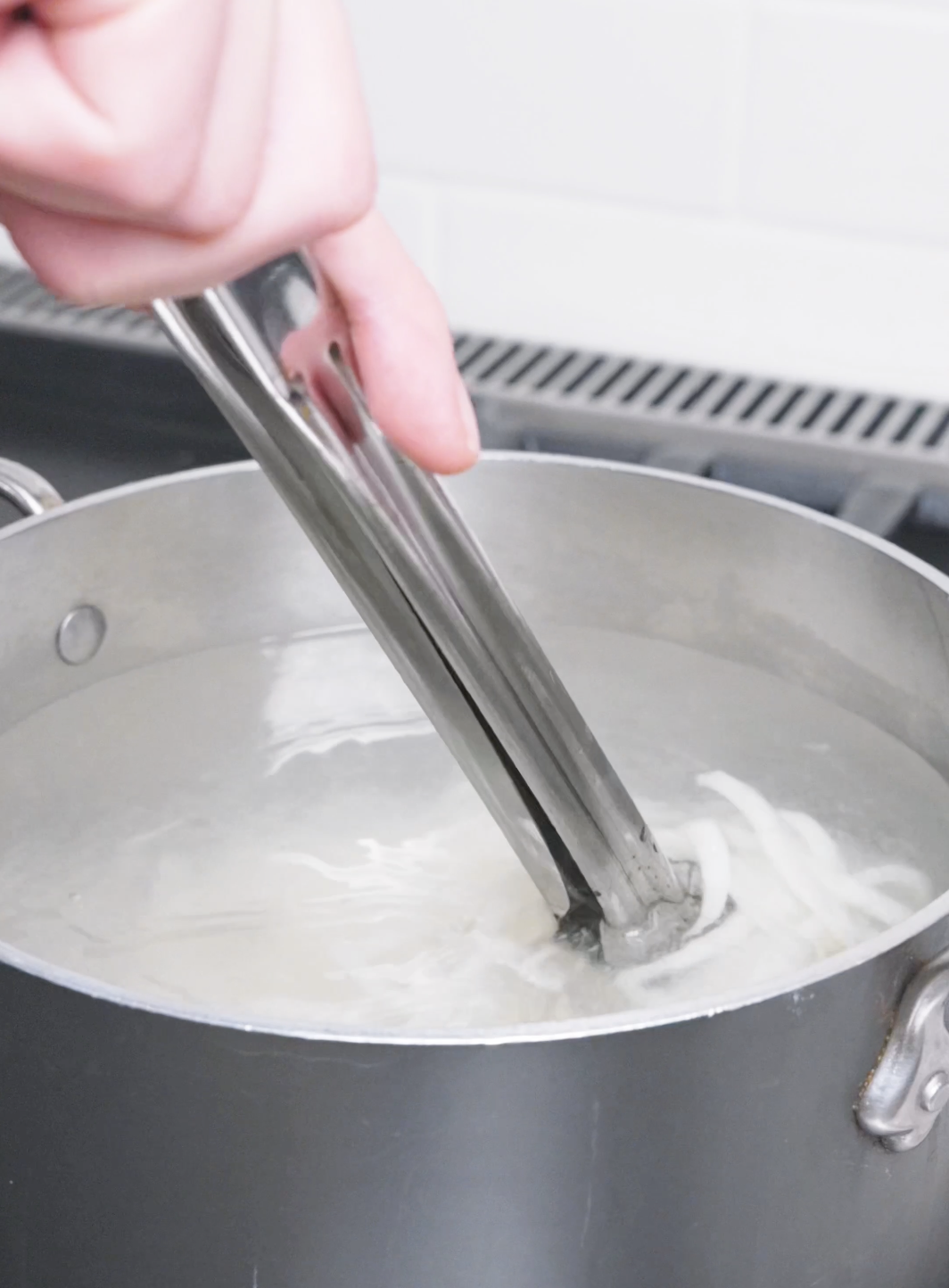
Bring a pot of water to a boil and add the udon. Cook until the noodles are all separated, then rinse and drain.
For the broth, combine the water, dashi powder, light soy sauce, sugar, and mirin in a pot and bring to a rolling boil, then remove from the heat.
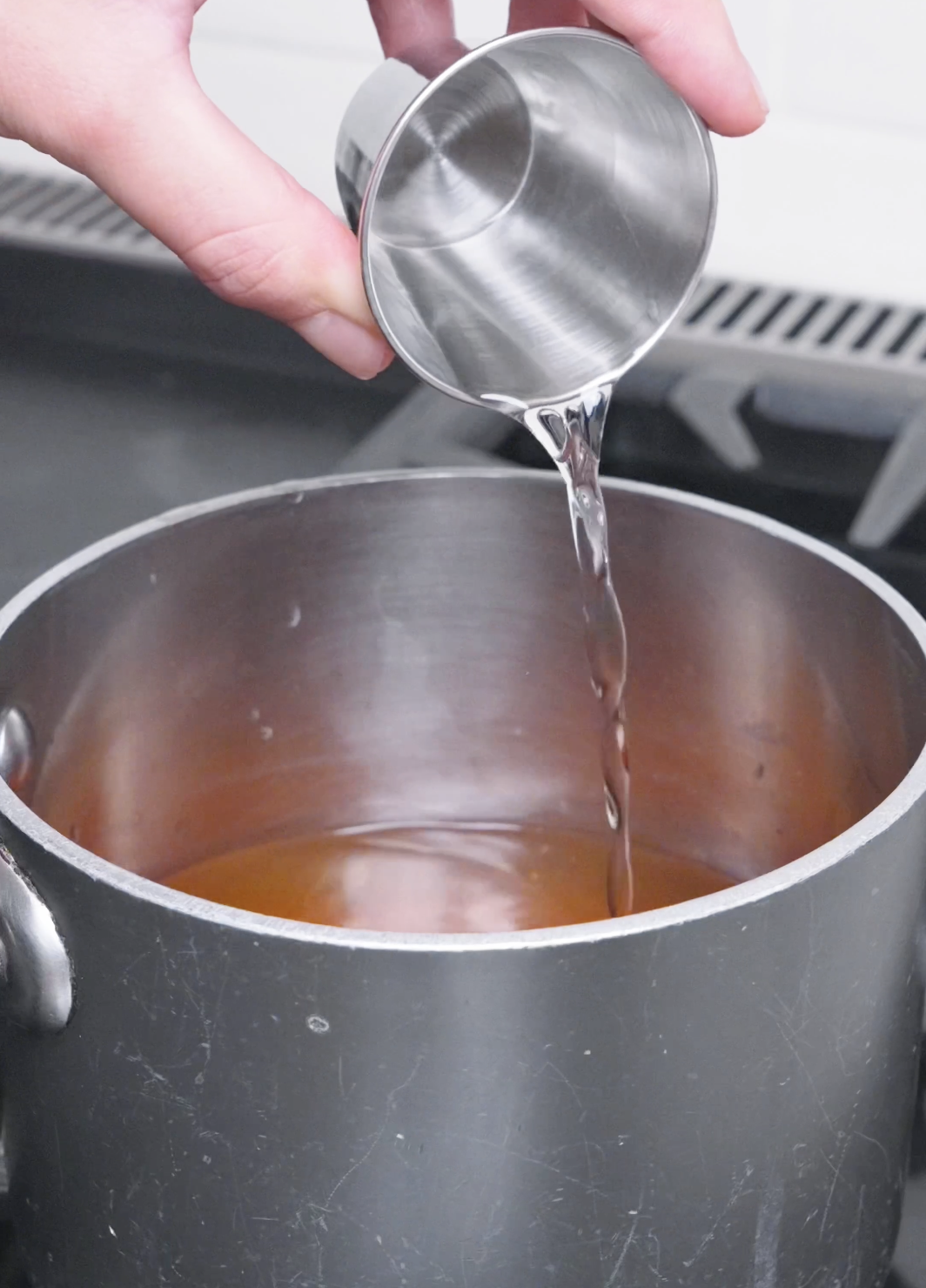
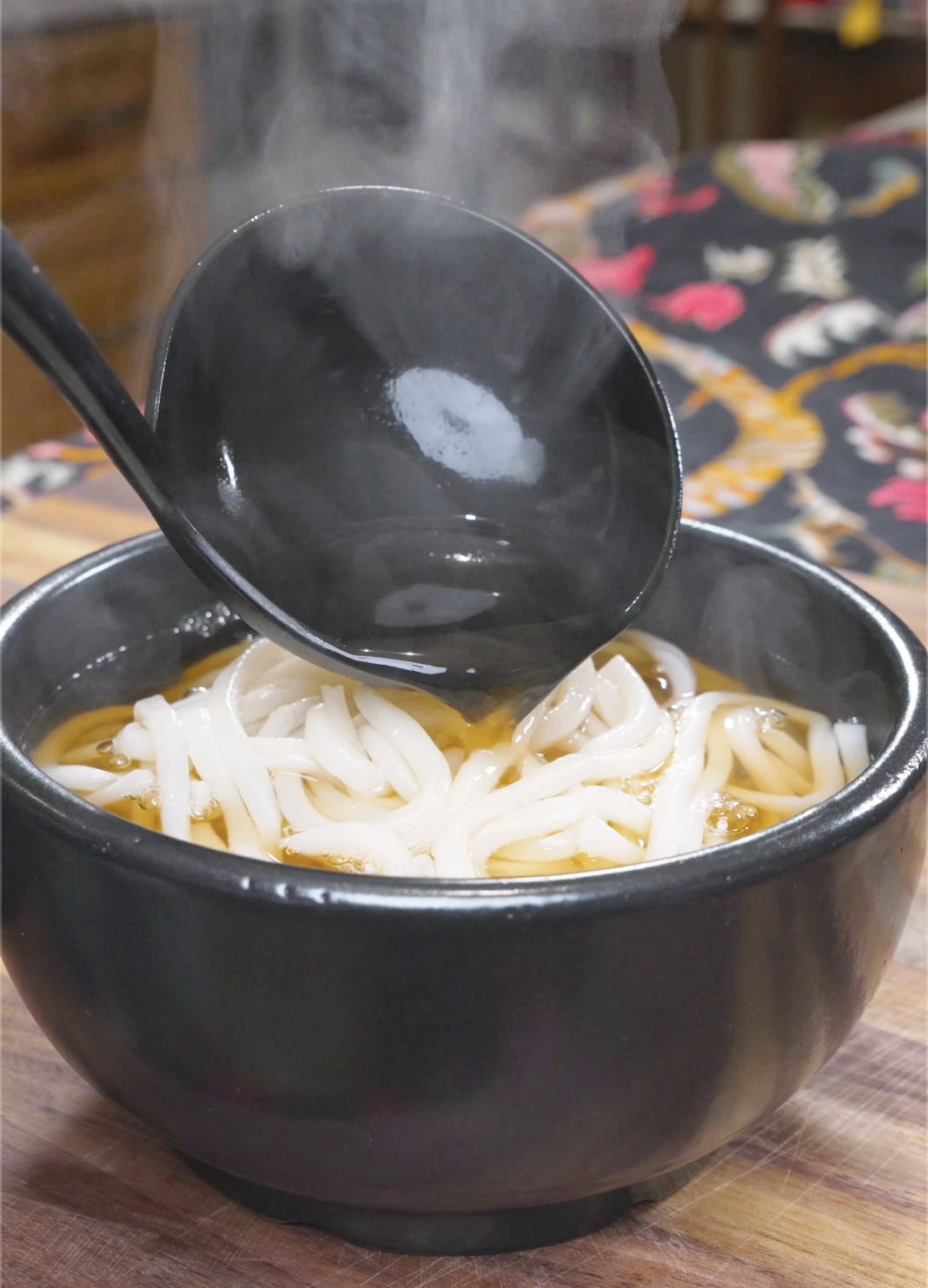
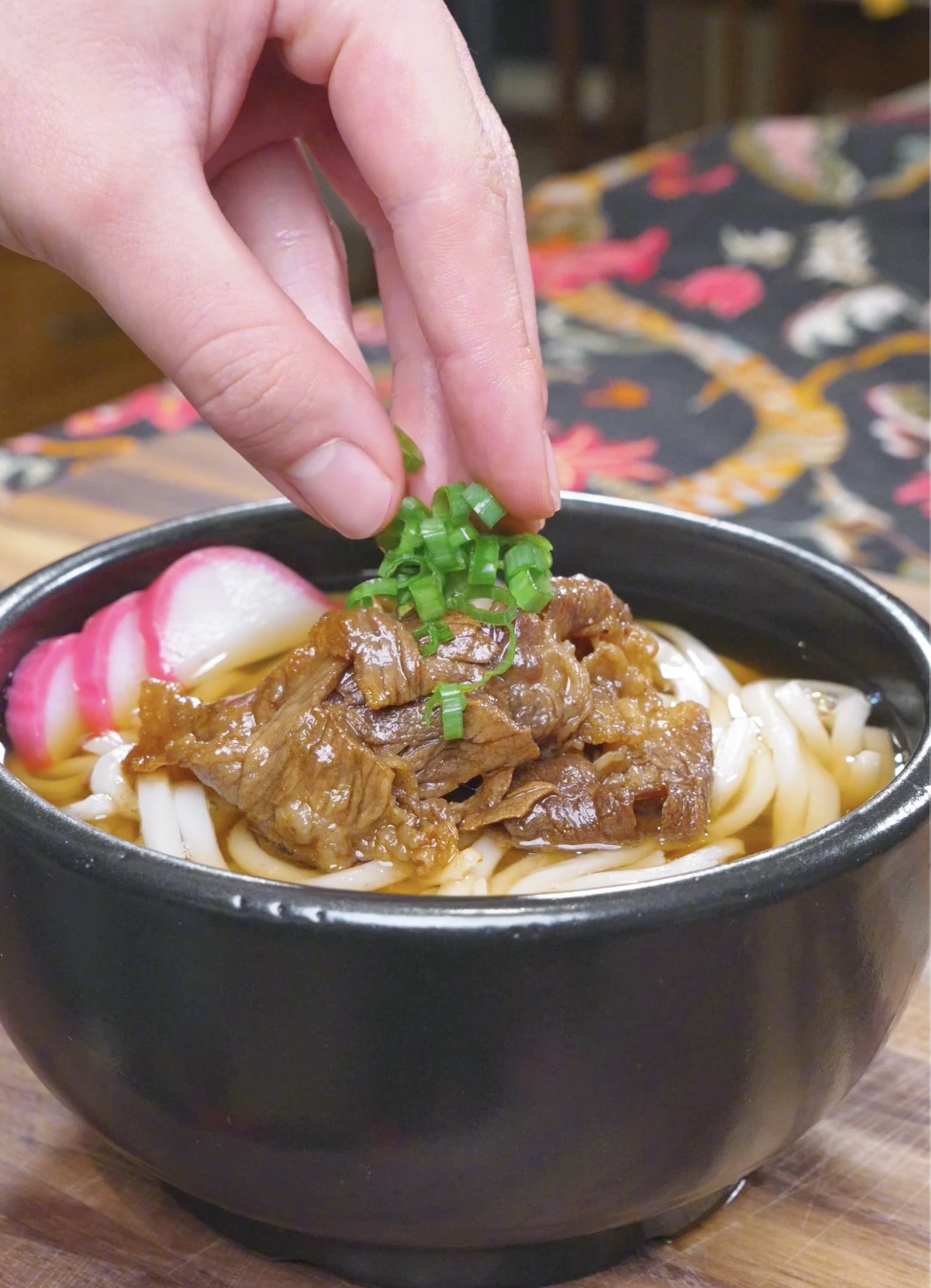
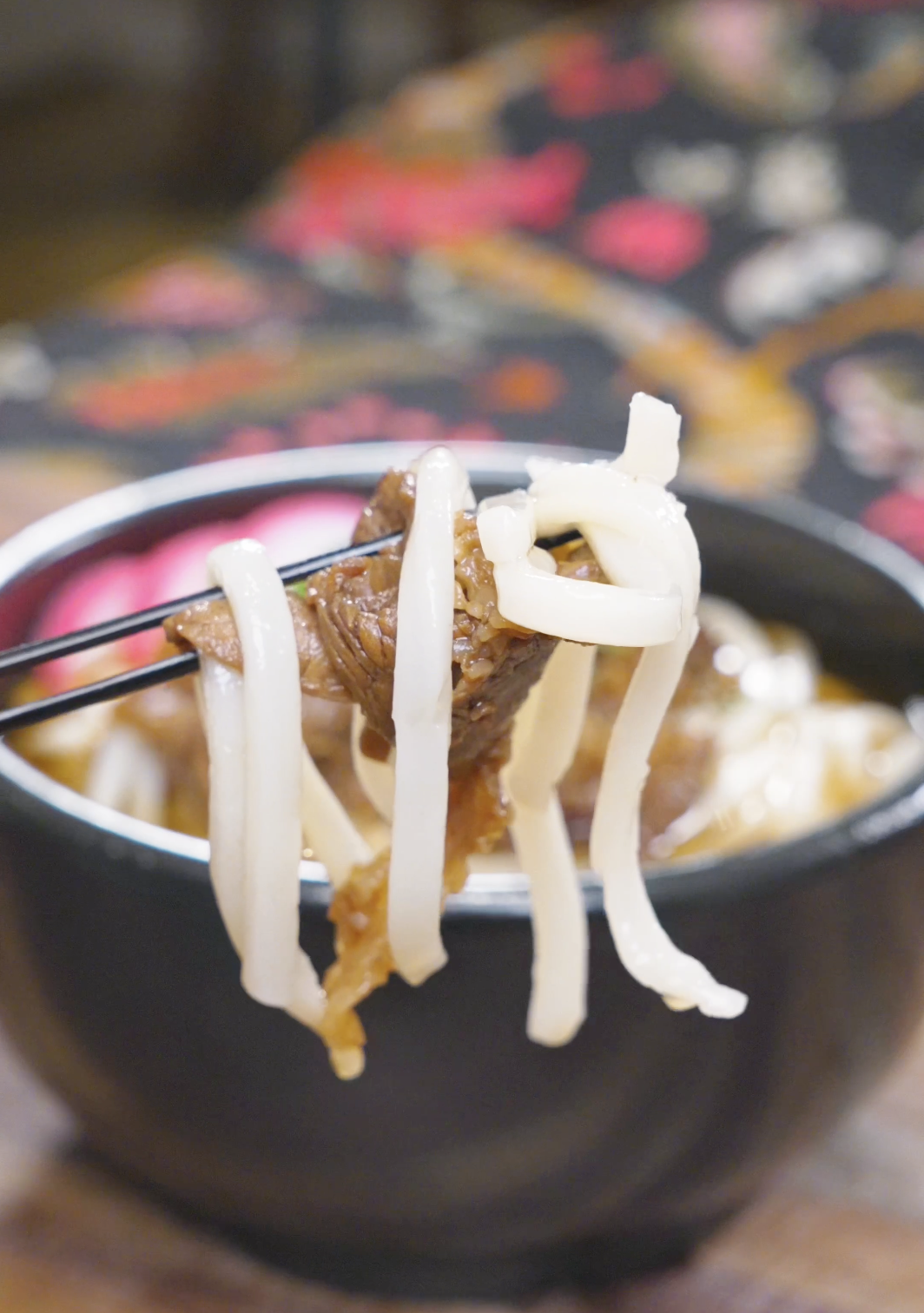
Place the noodles in a bowl and top with the broth and the beef. Optionally garnish with fish cake and scallions. But it’s your food, you eat it how you like.
More of a visual learner? Check out my video recipe below. 👇
Optional Variations & Dietary Adaptations
This beef udon recipe is easy to bend to whatever you’re in the mood for or whatever you’ve got in the fridge, so don’t be afraid to make it your own.
- Protein swaps – Not feeling beef? Caramelized pork belly or thinly sliced pork loin makes a delicious substitute and cooks just as quickly. Chicken thighs are another great option.
- Vegetarian or vegan version – Swap the beef for pan-fried tofu, mushrooms (shiitake and king oyster mushrooms work wonderfully here), or a combination of both for a savory, satisfying bite. For the broth, use a kombu-based dashi or vegetable stock instead of traditional dashi powder, which is often made with bonito flakes.
- Gluten-Free – Traditional udon is made with wheat flour, so look for rice-based or gluten-free udon alternatives. Just be sure to swap in a gluten-free soy sauce like tamari, too.
- Extra Veggies – Feel free to bulk this dish up with vegetables like baby bok choy, cabbage, or matchstick carrots a la my beef yaki udon recipe. Adding them straight into the broth while it simmers is an easy way to sneak in extra nutrients without any extra effort.
- Spicy – If you like a little heat, a drizzle of chili oil or a sprinkle of shichimi togarashi (Japanese seven-spice blend) on top adds a nice kick without overwhelming the delicate broth.
- Egg Lovers – A soft-boiled ajitama (marinated soy egg) or even a simple poached or fried egg on top adds richness and protein.
Expert Tips & Tricks
- Slice the beef really thin. The thinner the beef, the faster and more evenly it cooks, which means tender, melt-in-your-mouth bites instead of tough, chewy ones. If you’re slicing it yourself rather than buying pre-sliced shabu-shabu beef, freezing it for about 20–30 minutes beforehand makes it much easier to get those paper-thin slices.
- Don’t overcrowd the pan. When searing the beef, give it some breathing room in the pan. Overcrowding causes the meat to steam instead of sear, which can leave you with gray, rubbery beef instead of the caramelized edge you’re after.
- Cook the noodles separately from the broth. Boiling or blanching the udon in its own pot of water (rather than directly in the broth) keeps your broth clean and clear instead of starchy or cloudy. Just add the cooked noodles to your bowl and pour the hot broth over them right before serving.
- Taste and adjust the broth as you go. Dashi powder, soy sauce, and mirin can vary quite a bit in saltiness and sweetness depending on the brand, so don’t be afraid to taste as you build the broth and tweak the ratios to suit your palate.
- Don’t let the noodles sit in the broth too long before serving. Udon noodles are best enjoyed right after they’re combined with the hot broth. If they sit too long, they can start to soak up too much liquid and turn a bit mushy, losing their satisfying chewy bite.
- Warm your serving bowls. A quick rinse with hot water before plating helps keep your broth hot for longer once it’s poured in. It’s a small step that makes a noticeable difference, especially if you’re serving a crowd.
- Layer your garnishes last. Add scallions, fish cake, or any other toppings right before serving so they stay fresh and vibrant rather than wilting.
- Make extra broth if you’re feeding a crowd. Udon has a way of soaking up broth as it sits, so having a little extra on hand to top off bowls means nobody’s left with a dry noodle situation.
Serving Suggestions
This beef udon is hearty enough to stand entirely on its own, but if you want to round out the meal, a few simple sides pair beautifully with it. A small plate of gyoza or a few crispy spring rolls on the side add a satisfying crunch that contrasts nicely with the soft, slurpable noodles.
If you’re after something lighter, a simple cucumber sunomono salad or a bowl of edamame sprinkled with sea salt makes for a refreshing, low-effort addition that won’t compete with the rich, savory broth.
For a more traditional touch, serve the udon alongside a few pieces of nigiri or a small side of pickled vegetables (tsukemono), which add a nice pop of acidity to balance out the umami-heavy broth. And if you’re feeling extra hungry, a side of crispy spicy salmon rice or some crispy chili oil chicken turns this into a full, satisfying spread.
When it comes to plating, don’t be shy with the garnishes! A few extra scallions, a soft-boiled egg cut in half, or even a light sprinkle of sesame seeds right before serving makes each bowl feel a little more special. And since udon is best enjoyed piping hot, try to have everyone ready at the table before you ladle the broth over the noodles, so each bowl gets served at its peak.
Storage & Reheating
- Best Served Fresh: Because the noodles tend to soak up broth and lose their chewy texture over time, this dish is really best enjoyed fresh.
- Refrigerator: If you do have leftovers, it’s worth storing the components separately. Keep the beef and broth in one airtight container in the fridge, and the cooked udon noodles in a separate container, tossed with a tiny drizzle of oil to keep them from clumping together. Stored this way, everything should stay good for up to 3 days in the refrigerator.
- Reheating: When you’re ready to reheat, warm the broth and beef together in a pot over medium heat on the stovetop until it’s simmering and heated through, rather than microwaving it if you can help it. This helps the beef stay tender instead of turning tough and rubbery. Add the noodles in during the last minute or two, just long enough to heat them through without letting them overcook or turn mushy. If the broth has thickened up a bit in the fridge, a splash of water or extra dashi stirred in while reheating will bring it right back to its original consistency.
- Freezing: It’s best to avoid freezing this dish, as the noodles in particular don’t hold up well. They tend to break down and get gummy once thawed. If you do want to plan ahead, you can freeze the broth and beef mixture on its own for up to a month, then just cook a fresh batch of udon noodles when you’re ready to serve.
FAQs
What are beef udon noodles?
Beef udon is a Japanese noodle dish made with thick, chewy wheat flour noodles served in a savory dashi-based broth, seasoned with soy sauce and mirin, and topped with thinly sliced, tender beef along with garnishes like scallions or fish cake.
What sauces go well with beef udon?
The classic base is a combination of soy sauce and mirin, often built on a dashi stock, which gives the broth its signature savory-sweet balance. Beyond the broth itself, a drizzle of chili oil, a splash of tamari, or a touch of ponzu sauce on the side can add extra depth or brightness if you want to customize the flavor further.
Are beef udon noodles healthy?
Beef udon is a fairly balanced meal, offering carbohydrates from the noodles and protein from the beef, though the sodium content from soy sauce and broth can add up quickly. Using low-sodium soy sauce, controlling portion sizes of noodles and beef, and loading up on vegetables are easy ways to make it a lighter, more nutrient-dense meal.
Are udon noodles healthier than pasta?
Udon and pasta are nutritionally similar in many ways, since both are primarily made from wheat flour, but udon noodles are generally lower in fat and slightly lower in calories per serving. That said, neither is inherently “healthier” across the board. It really comes down to portion size, what sauce or broth it’s paired with, and the overall balance of the meal.
More Beef & Noodle Recipes
Craving more beef and noodles? Try my Beef Yaki Udon, Beef Curry Udon, or Black Pepper Chicken Udon!