Teriyaki Beef Recipe
Equipment
Ingredients
- 16 oz thinly sliced beef
- Neutral oil, for cooking
- 1/2 onion, thinly sliced
- 4 scallions, cut into half-inch pieces, whites and greens separated
- 3 cloves garlic, minced
- 1 tbsp grated ginger
For the Sauce:
- 1 tbsp dark soy sauce
- 2 tbsp light soy sauce
- 2 tbsp sugar
- 2 tbsp mirin
- 1 tsp sesame oil
Optional Garnish:
- Sesame seeds
- Steamed rice
Instructions
- Thinly slice the onion and cut the scallions into half-inch pieces, keeping the whites and greens separate.
- Heat a pan over medium-high heat with a bit of oil. Add the thinly sliced beef and cook until about 80% of the way done, then remove it from the pan and set aside.
- In the same pan, add the sliced onion, scallion whites, garlic, and ginger. Cook until fragrant and the onion has softened.
- Return the beef to the pan along with the dark soy sauce, light soy sauce, sugar, mirin, and sesame oil. Mix until the sauce slightly thickens and coats the beef.
- Add the scallion greens and cook just until wilted.
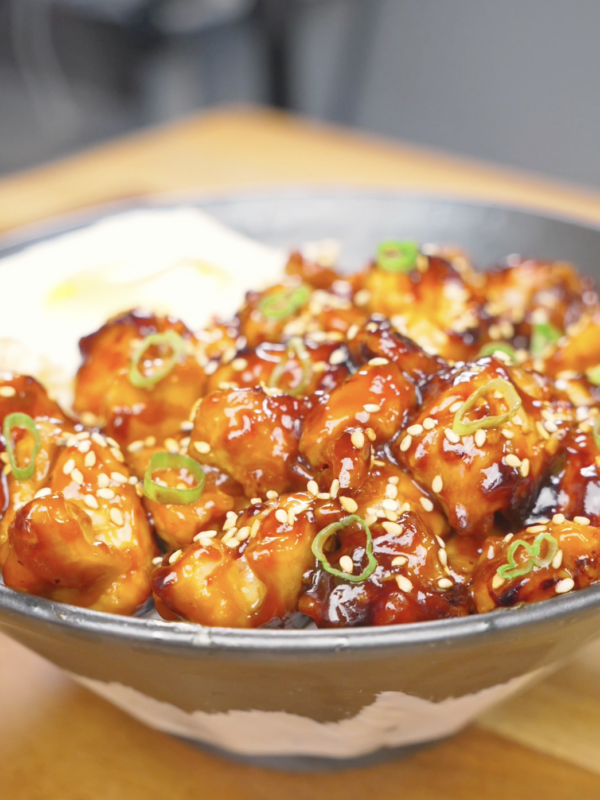
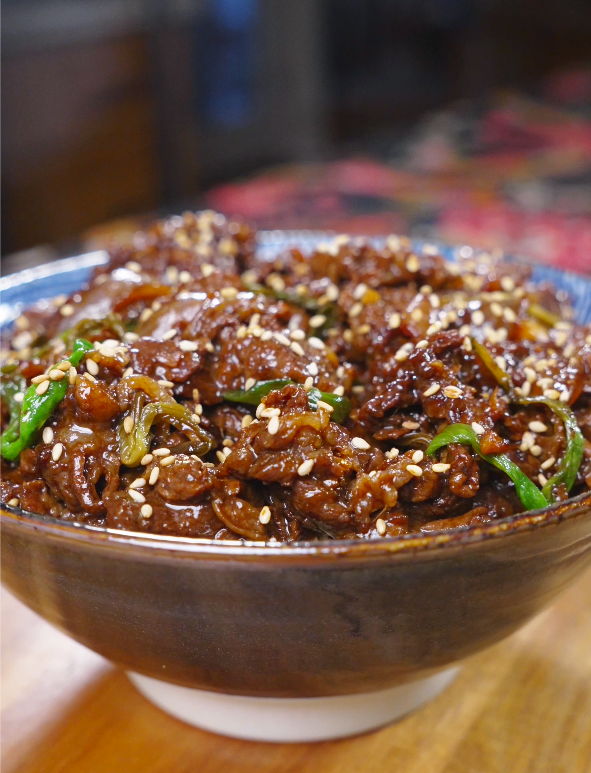
- Serve over a fresh bowl of rice. Optionally garnish with sesame seeds.
Video
Notes
- Freeze the beef for 15-20 minutes before slicing. It firms up just enough to make clean, paper-thin cuts a breeze.
- Always slice against the grain. This shortens the muscle fibers and is the single biggest factor in keeping the beef tender instead of chewy.
- Don’t overcrowd the pan. Sear in batches so each piece makes contact with the hot surface instead of steaming.
- Add the sesame oil at the end, off heat. Toasted sesame oil turns bitter if cooked too long, so stir it in last for maximum aroma.
Nutrition
Nutrition information is automatically calculated, so should only be used as an approximation.
Add some Japanese-inspired excitement to your weeknight table with my easy Teriyaki Beef recipe! This delightfully speedy meal comes together with a handful each of fresh ingredients and pantry staples in just 30 minutes from start to finish. Tender, sear-kissed slices of beef get coated in a glossy, sticky-sweet teriyaki sauce that’s simmered down until it clings to every bite. Pile it over a bowl of steamed rice, add a sprinkle of sesame seeds and sliced scallions, and dinner is served. Not only does it taste better than your favorite restaurant, but it’s also way cheaper than ordering out—plus you don’t have to tip at the end. It’s the perfect dinner to satisfy your umami-sweet cravings on a dime. Homemade Takeout Fakeout FTW!
Table of Contents
Why You’ll Crave These Beef Teriyaki Bowls
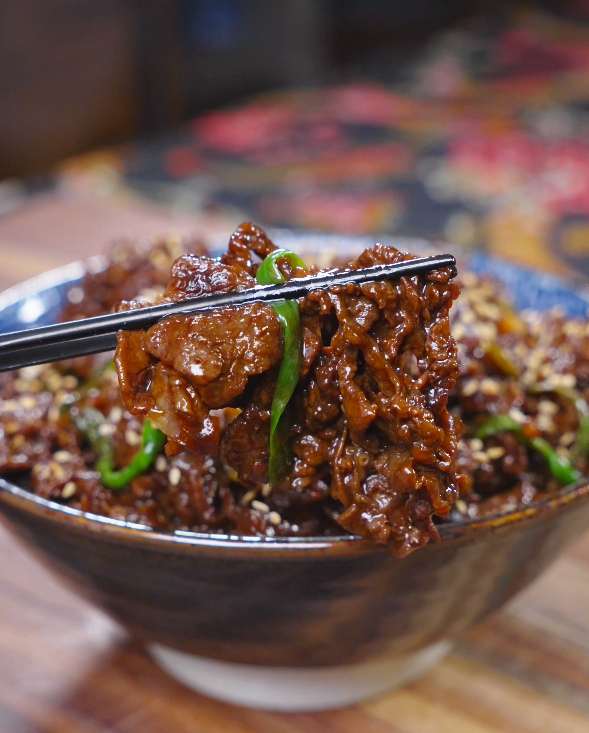
This teriyaki beef stir-fry hits every note you want in a weeknight dinner. The beef gets beautifully caramelized around the edges while staying juicy and tender inside, soaking up all the rich, glossy teriyaki sauce until every piece is glazed to perfection. The sauce is the real star here—a savory-sweet balance of soy, garlic, ginger, and a hint of sugar that reduces down into something so good you’ll want to spoon extra over your rice just to make sure none goes to waste. It’s the kind of meal that comes together faster than your delivery order would even arrive, using ingredients you probably already have sitting in your pantry and fridge. Plus, it’s endlessly adaptable: swap in your favorite veggies, adjust the sweetness or heat to your liking, or serve it over rice, noodles, or greens depending on your mood. Whether you’re feeding a hungry family or meal-prepping lunches for the week, this Japanese teriyaki beef is a keeper.
Ingredients & Substitutions
- Thinly Sliced Beef — Flank steak, sirloin, or ribeye all work great here; just slice against the grain for maximum tenderness. If you’re short on time, look for pre-sliced beef at the grocery store (often labeled for stir-fry or hot pot).
- Neutral Oil — Vegetable, canola, or avocado oil are all good choices for high-heat searing. Avoid olive oil, as it has a lower smoke point and can burn.
- Onion — Yellow or red onion adds sweetness as it cooks down. You can swap in shallots for a milder, slightly sweeter flavor. White onions also work, but will keep more of an al dente “bite.”
- Scallions — For extra allium goodness, plus a pretty garnish at the end.
- Garlic — Fresh minced garlic is best for flavor, but jarred minced garlic works in a pinch (about ½ teaspoon per clove).
- Fresh Grated Ginger — Adds warmth and brightness. Spicier dried ground ginger can substitute in a pinch—use about ¼ – ½ teaspoon for every tablespoon of fresh.
For the Sauce
- Dark Soy Sauce — Adds deep color and a slightly molasses-like richness. If you don’t have it, regular soy sauce with a small splash of molasses can mimic the effect.
- Light Soy Sauce — Also known as “regular” soy sauce, this is your primary salty, savory base. Feel free to swap in low-sodium soy sauce if needed.
- Granulated Sugar — Balances the salty and savory notes. Brown sugar or honey can be swapped in for a slightly deeper caramel flavor.
- Mirin — This sweet rice wine adds subtle acidity and shine to the sauce. If unavailable, substitute with rice vinegar plus a touch of sugar, or dry sherry with a pinch of sugar.
- Toasted Sesame Oil — Used at the end for nutty aroma. Don’t substitute this with regular sesame oil, as toasted has a much more intense flavor. A few drops go a long way.
- Sesame Seeds & Steamed Rice — Optional for serving, but highly recommended! Toasted sesame seeds add crunch and visual appeal, while steamed white or brown rice makes the perfect base to soak up the sauce.
This is just a short review of the ingredients; for the complete recipe, including quantities, scroll down to the recipe card 👇
What is the Best Cut of Beef for Beef Teriyaki?
When it comes to teriyaki beef, you want a cut that’s tender enough to cook quickly over high heat while still holding onto great flavor.
- Flank steak is my top choice—it has a rich, beefy taste and, when sliced thinly against the grain, turns out wonderfully tender rather than chewy.
- Sirloin is another excellent option, offering a slightly milder flavor with a nice balance of tenderness and leanness, making it a great everyday pick.
- Ribeye is the move if you’re after something a little more indulgent, bringing extra marbling into the mix, which melts down during cooking for an even richer, juicier bite.
Whichever cut you choose, the key technique is the same: slice the beef thinly and against the grain. This shortens the muscle fibers, so instead of ending up tough or rubbery, every piece stays tender and practically melts in your mouth once it’s coated in that sticky teriyaki glaze.
PRO TIP: If slicing raw beef thinly feels tricky, a helpful trick is to pop it in the freezer for about 15-20 minutes before cutting—this firms it up just enough to make clean, even slices a breeze.
How to Make Beef Teriyaki Stir-Fry
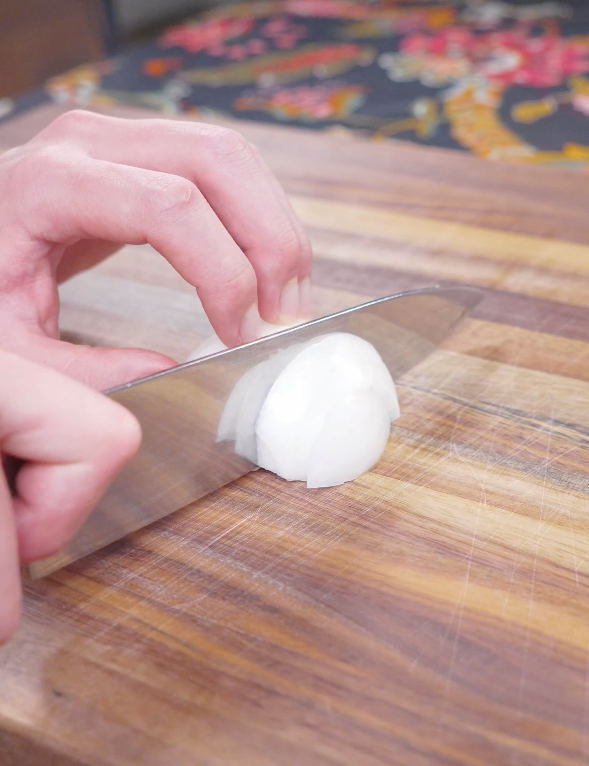
Thinly slice the onion and cut the scallions into half-inch pieces, keeping the whites and greens separate.
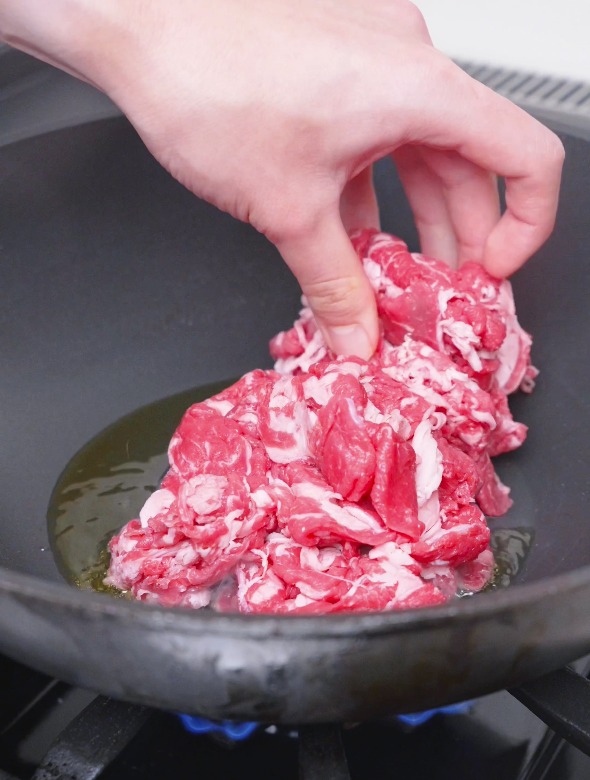
Heat a pan over medium-high heat with a bit of oil. Add the thinly sliced beef and cook until about 80% of the way done, then remove it from the pan and set aside.
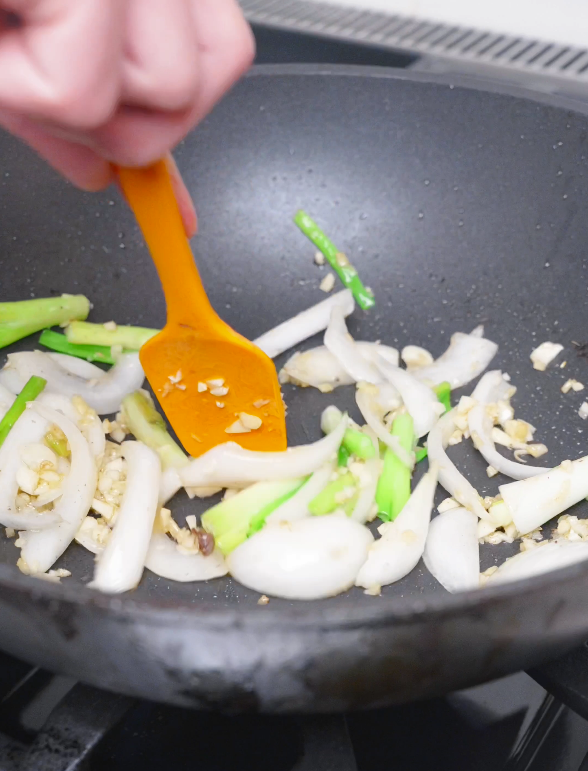
In the same pan, add the sliced onion, scallion whites, garlic, and ginger. Cook until fragrant and the onion has softened.
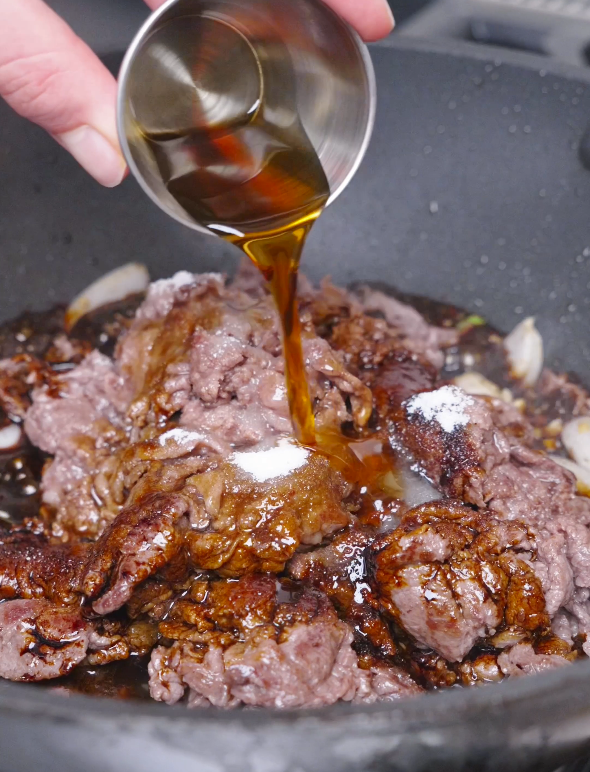
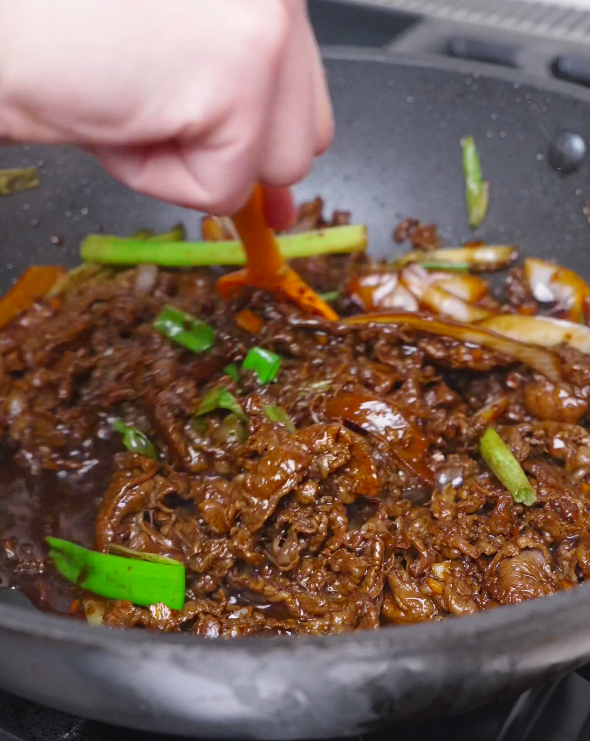
Return the beef to the pan along with the dark soy sauce, light soy sauce, sugar, mirin, and sesame oil. Mix until the sauce slightly thickens and coats the beef.
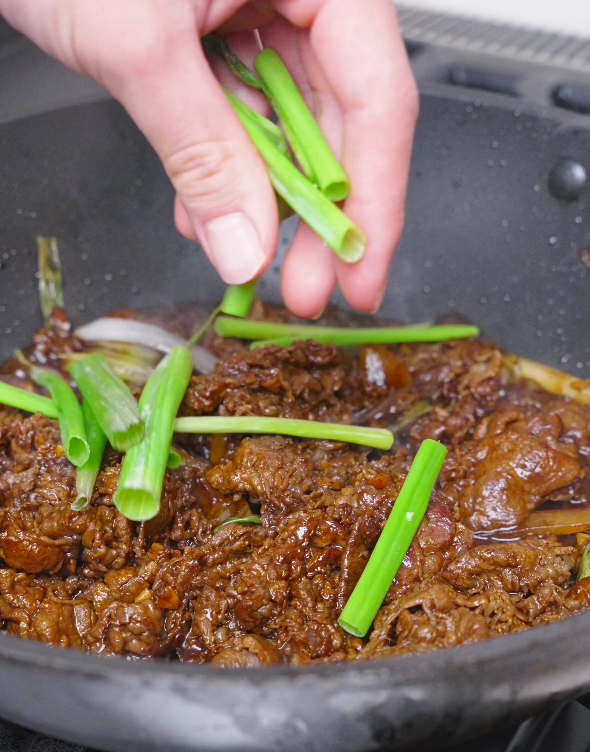
Add the scallion greens and cook just until wilted.
Serve over a fresh bowl of rice. Optionally garnish with sesame seeds.
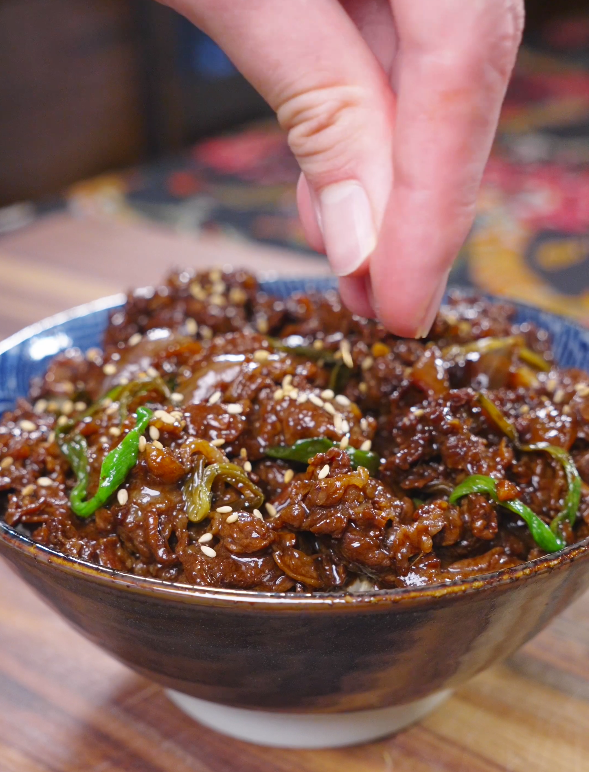
More of a visual learner? Check out my video recipe below. 👇
Optional Variations & Dietary Adaptations
This beef teriyaki bowl recipe is easy to customize based on your preferences or what you have on hand. Here are a few ideas to get you started:
- Protein Switch — Swap the beef for teriyaki chicken, shrimp, or thinly sliced pork for a completely different but equally delicious take.
- Vegan-Friendly — For a vegetarian or vegan version, tofu or tempeh work beautifully—just press the tofu well and sear it until golden for the best texture, and be sure to use pure cane sugar if strict veganism is a concern.
- Gluten-Free — Swap the soy sauce (both dark and light) for tamari or a certified gluten-free soy sauce, and double-check that your mirin is gluten-free as well, since some brands may contain trace wheat.
- Soy-Free — Swap out the light and dark soy sauce for slightly sweeter coconut aminos. Be sure to reduce the amount of added sugar as needed to compensate.
- Bulk it Up with Veggies — Bell peppers, broccoli, snap peas, carrots, or mushrooms all sauté beautifully alongside the beef and soak up the teriyaki sauce nicely—just add them in during the last few minutes of cooking so they stay crisp-tender.
- Low-Carb/Keto-Friendly — Skip the rice and serve the beef teriyaki over cauliflower rice, heart of palm noodles or a bed of sautéed greens, and swap the sugar in the sauce for a keto-friendly sweetener like monk fruit or erythritol.
- Extra Spicy — A drizzle of chili oil or a pinch of red pepper flakes stirred into the sauce adds a nice kick without overpowering the classic teriyaki flavor.
Expert Tips & Tricks
- Don’t skip the freezer trick. Popping your beef in the freezer for 15–20 minutes before slicing firms it up just enough to make paper-thin, even cuts a breeze, which are key for a melt-in-your-mouth texture.
- Always slice against the grain. Look closely at the muscle fibers running through your beef and cut perpendicular to them. This shortens the fibers and is the single biggest factor in keeping your beef tender instead of chewy.
- Prep everything before you start cooking. Because this teriyaki beef stir fry moves fast once it hits the pan, have your garlic, ginger, onions, scallions, and sauce ingredients all measured and ready to go so nothing burns while you’re still chopping.
- Don’t overcrowd the pan. Sear the beef in batches if needed, giving each piece room to make contact with the hot surface. Overcrowding traps steam and leads to gray, boiled-looking beef instead of that beautiful caramelized sear.
- Get your pan screaming hot first. A properly preheated pan or wok is essential for a quick, high-heat sear that locks in juices and builds flavor fast.
- Add the sesame oil at the end, off heat. Toasted sesame oil is delicate and can turn bitter if cooked too long over high heat. Stir it in right at the end for maximum aroma and flavor.
- Let the sauce reduce properly. Give the teriyaki sauce time to simmer down and thicken slightly before tossing the beef back in—this is what gives you a glossy, sticky-sweet coating that clings to every bite instead of a thin, watery sauce.
- Taste and adjust as you go. Every soy sauce brand varies in saltiness, so taste your sauce before adding the beef back in and tweak with a touch more sugar, soy sauce, or mirin until the balance is just right.
Serving Suggestions
Teriyaki beef is right at home over a bed of steamed white or brown rice, which soaks up every drop of the glossy, sticky-sweet sauce. If you want even more flavor, consider swapping in garlic fried rice or egg fried rice. For a lighter option, try it over cauliflower rice or alongside a simple cucumber salad for a refreshing contrast to the rich, savory beef.
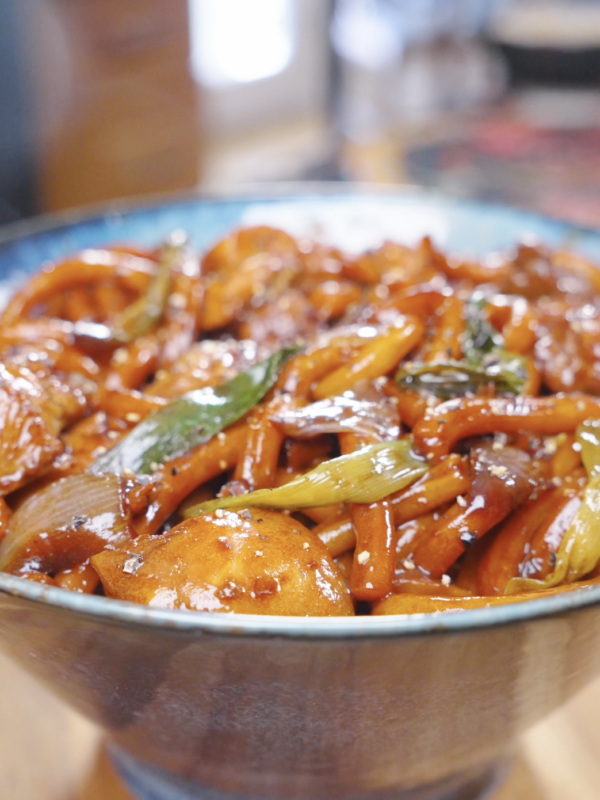
Noodles make a great base too. Toss the beef and sauce with garlic sesame noodles, chow mein, or teriyaki stir fried udon for a heartier, slurpable meal. If you want to turn this into a full beef teriyaki don (donburi rice bowl-style), layer it over rice with a chili oil egg, pickled ginger, and a sprinkle of furikake for extra flavor and texture.
Round out the meal with a side of steamed or roasted vegetables like broccoli, bok choy, snap peas, or asparagus for a fresh, slightly crisp texture that balances the richness of the teriyaki glaze. A simple miso soup or a light seaweed salad also makes a lovely starter if you’re serving this as part of a larger spread.
Don’t forget the finishing touches: a generous sprinkle of toasted sesame seeds and freshly sliced scallions adds color, crunch, and a final pop of flavor right before serving.
Storage & Reheating
- Refrigerate: Store leftover beef teriyaki in an airtight container in the fridge for up to 3-4 days. If meal-prepping, keep the beef and rice in separate containers to prevent the rice from getting soggy from the sauce.
- Freeze: For longer storage, freeze in a freezer-safe container or bag for up to 2-3 months; thaw overnight in the fridge before reheating.
- Reheat (Stovetop): Warm the beef in a skillet over medium-low heat, adding a splash of water or broth to loosen the sauce and prevent it from drying out or burning.
- Reheat (Microwave): Place beef in a microwave-safe dish, cover loosely, and heat in 30-second intervals, stirring in between, until warmed through. If the sauce has thickened too much after storage, stir in a teaspoon of water or soy sauce while reheating to bring back its glossy consistency.
- Avoid Overcooking: Reheat just until warmed through. Overheating can make the beef tough and rubbery, especially since it’s already thinly sliced.
- Add Fresh Garnishes After Reheating: Sprinkle on fresh sesame seeds and scallions after reheating, as these are best added just before serving rather than stored with the leftovers.
FAQs
How do you get teriyaki beef extra tender?
For extra-tender teriyaki beef, start with a naturally tender cut like flank, skirt, or sirloin, freeze it briefly to firm it up, then slice thinly against the grain to shorten the muscle fibers. If you have time, marinate the beef for at least 20-30 minutes in a mix that includes soy sauce and ginger—the ginger’s natural enzymes help break down toughness. You can also consider “velveting” the slices in a little cornstarch (or cornstarch plus baking soda) before cooking to seal in moisture for a silky texture. Finally, sear the beef quickly over high heat in batches so it doesn’t overcrowd the pan, pulling it out as soon as it’s browned to avoid overcooking.
How long should I marinate beef in teriyaki?
You don’t have to marinate the beef in this recipe, but a little extra forethought can make a positive difference. Since teriyaki beef is usually sliced thin against the grain, it absorbs marinade much faster than a thick steak would, so you don’t need as long as you might for a whole roast or steak marinating for a grill. Marinating for 20-30 minutes lets the soy sauce and aromatics penetrate thin slices enough to add real flavor. If you have longer, 1-4 hours in the fridge gives the best balance of flavor absorption and tenderizing without compromising texture. Just don’t go much beyond 8–12 hours. Because teriyaki marinade contains soy sauce (salty and acidic-ish) and often ginger or pineapple (enzymatic), marinating too long can start to break down the beef’s texture too much, making it mushy rather than tender.
What cut of meat is used for teriyaki beef?
Teriyaki beef typically uses flank steak, skirt steak, or sirloin, since these cuts are flavorful and become tender when sliced thinly against the grain. Ribeye is also a popular choice for a richer, more marbled result. Flank and skirt tend to be the most budget-friendly options.
More Beef Stir Fry Recipes
Craving more beef? Try my Korean BBQ Beef, Beef and Broccoli, or Garlic Steak Stir Fry!