Peanut Butter Ramen Recipe
Ingredients
- 2 packs ramen noodles
- ¼ cup reserved noodle water
For the Sauce
- 3 tbsp peanut butter
- 2 tbsp light soy sauce
- 1 tsp sesame oil
- 1 tbsp sugar
- 1 tbsp rice vinegar
- 2 cloves garlic, minced
Optional Garnish
- Sesame seeds
- Scallions
- Red pepper flakes
Instructions
- Boil the ramen until al dente and reserve about ¼ cup of the noodle water.
- In a bowl, combine the peanut butter, light soy sauce, sesame oil, sugar, rice vinegar, garlic, and the reserved noodle water. Mix thoroughly until smooth, adding a splash more water if the sauce is too thick.
- Add the noodles and mix with the sauce until well combined and every strand is coated.
- Transfer to a bowl and optionally garnish with sesame seeds, scallions, and red pepper flakes. But it’s your food, you eat it how you like.
Video
Notes
- Work fast once the noodles are drained — the residual heat is what melts the sauce into a silky coating.
- Measure the noodle water rather than eyeballing it. Too little won’t loosen the sauce, too much waters it down.
- Taste before tossing. Soy sauce and peanut butter brands vary in saltiness and sweetness.
- Serve immediately — peanut sauce thickens as it cools. A splash of warm water loosens it right back up.
- Skip the seasoning packet; save it for popcorn, roasted vegetables or fried rice.
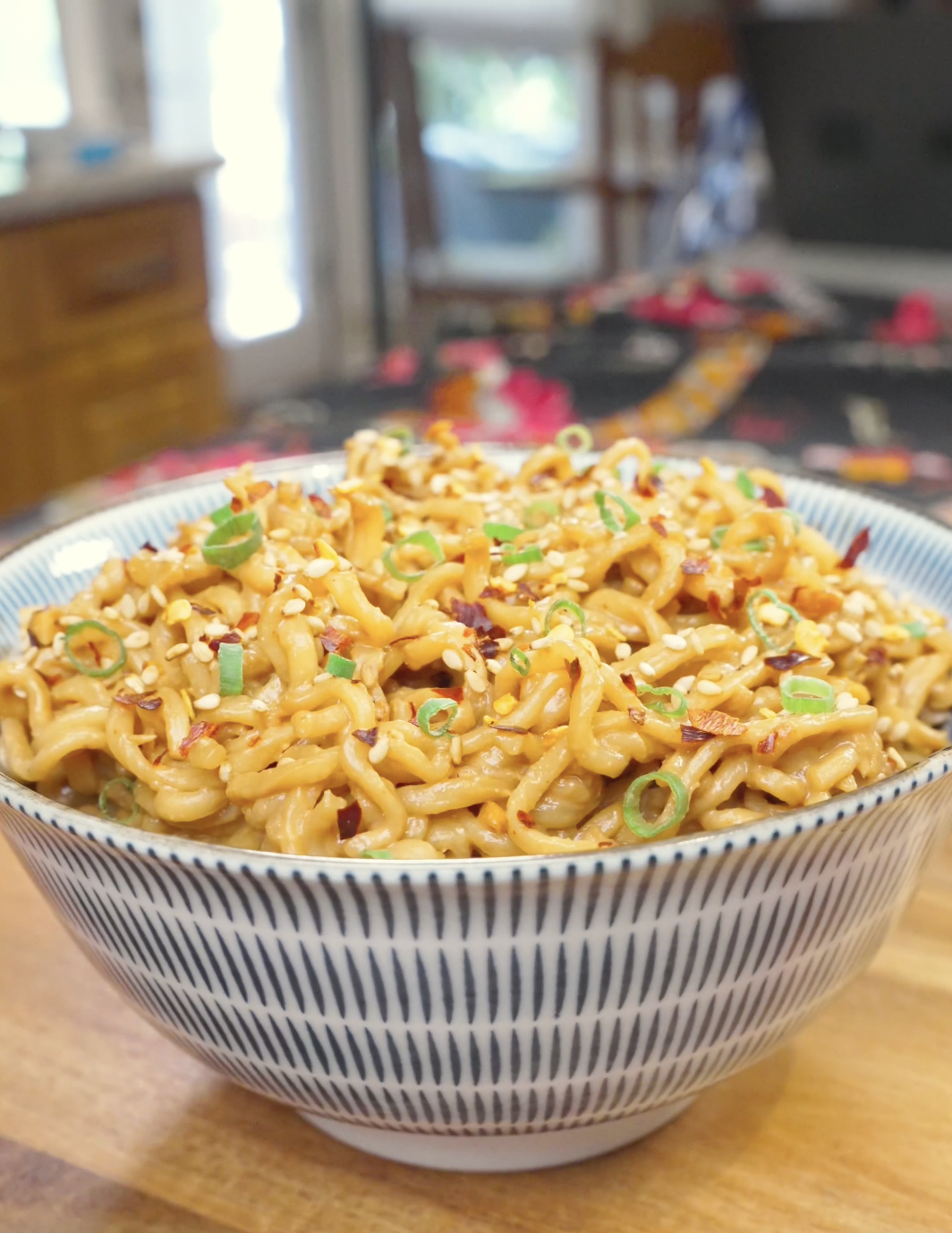
Next time you’re hungry, short on time, and low on groceries, this recipe for Peanut Butter Ramen Noodles will be your knight in shining armor! This Asian comfort food favorite is simply made with just 7 pantry staples, using one pot, and is ready in 15 minutes flat. There’s no long ingredient list to track down and no complicated technique standing between you and dinner. All you need is a handful of humble staples like peanut butter, soy sauce, garlic, and a packet of ramen to make something that feels way more impressive than the effort it actually takes. The noodles soak up a ton of rich, nutty, savory flavor when you toss them in the sauce (I like to do it directly in my serving bowl so there’s barely any cleanup!) for a meal that tastes like a serious takeout fakeout. Whether you’re cooking for one after a long day, feeding cranky kids who want dinner now, or just craving something comforting without any fuss, this recipe delivers every single time. Sometimes all you need is a pot, a few staples, and fifteen minutes to turn “there’s nothing to eat” into one of the most satisfying meals you’ll have all week!
Love adding peanut butter to savory dishes? Me too! Check out my garlic peanut butter noodles, chicken peanut butter noodles and spicy peanut butter noodles next!
Table of Contents
- Peanut Butter Ramen Recipe
- Why You’ll Crave This Peanut Butter Ramen Noodle Recipe
- Ingredients & Substitutions
- No-Waste Tip: What to Do with That Leftover Seasoning Packet
- How to Make Peanut Butter Ramen Noodles
- Optional Variations & Dietary Adaptations
- Expert Tips & Tricks
- Serving Suggestions
- Storage & Reheating
- FAQs
- More Noodle Recipes
Why You’ll Crave This Peanut Butter Ramen Noodle Recipe
What sets this easy peanut butter ramen recipe apart is how the peanut butter sauce transforms a humble pack of ramen into something you’ll be thinking about for days. The magic happens when creamy peanut butter meets salty soy sauce, nutty sesame oil, a hint of sweetness, and the gentle tang of rice vinegar—all whisked together with a splash of starchy reserved noodle water that helps everything emulsify into a silky, clingy sauce. From there, it’s a quick toss until the noodles are glossy and fully coated, and you’re left with a bowl that hits every craving at once: salty, savory, a little sweet, and deeply nutty in the best way. Top it with a sprinkle of sesame seeds, some fresh scallions, or a dash of red pepper flakes if you’re craving heat, and you’ve got a bowl of noodles that tastes like it took way more effort than the fifteen minutes you actually spent on it. It’s simple, fast, budget-friendly and endlessly satisfying, making it the kind of recipe you’ll find yourself returning to again and again.
Ingredients & Substitutions
- Ramen Noodles – Any brand of instant ramen works great here, and no, you won’t need the seasoning packet (save those for another use). If you want to switch things up, fresh ramen noodles, udon, or even spaghetti noodles in a pinch will all soak up that peanut butter sauce beautifully.
- Reserved Noodle Water – Don’t skip this step! The noodle water is doing more work than you’d think; it’s packed with just enough starch to help the sauce grip every single strand instead of pooling at the bottom of the bowl. Just scoop some out with a measuring cup right before you drain the noodles.
For the Sauce
- Peanut Butter – I prefer using creamy peanut butter in ramen for a smooth, pourable sauce. Natural peanut butter works too, just give it a good stir first since it tends to separate. If you’re out of peanut butter, almond butter or sunflower seed butter will get you a similarly creamy, nutty result.
- Light Soy Sauce – The salty, umami backbone of our sauce. For a gluten-free swap, tamari or coconut aminos work beautifully.
- Toasted Sesame Oil – This little bottle packs a big punch, so a little goes a long way. It adds that warm, nutty aroma that makes the sauce taste extra cozy.
- Granulated Sugar – Just a touch to balance out the salty and tangy notes in the sauce. Brown sugar, honey, or maple syrup can all step in here if that’s what you’ve got, each adding a slightly different but equally delicious twist.
- Unseasoned Rice Vinegar – This brings the bright, tangy balance that keeps the sauce from tasting flat or one-note. Make sure to grab unseasoned rather than seasoned rice vinegar, since the seasoned kind already has added sugar and salt that can throw off the recipe. No rice vinegar? A splash of apple cider vinegar or fresh lime juice will do the trick.
- Garlic – Freshly minced garlic gives the sauce that punchy, aromatic flavor it needs. If fresh isn’t available, about ½ teaspoon of garlic powder per clove will get you close enough in a pinch.
Optional Garnish
- Sesame Seeds – A simple garnish that adds a little crunch and visual flair. Toasted or raw both work. Toasted will give you a slightly deeper, nuttier flavor if you want to go the extra mile.
- Scallions – Thinly sliced scallions bring a pop of color and a fresh, mild onion bite that cuts through the richness of the sauce. Chives make a fine substitute if that’s what you have on hand.
- Red Pepper Flakes – Totally optional, but a sprinkle here adds a nice touch of heat for anyone who likes a little kick. Swap in chili oil, chili crisp or a drizzle of sriracha if you want to turn up the spice even more.
This is just a short review of the ingredients; for the complete recipe, including quantities, scroll down to the recipe card 👇
No-Waste Tip: What to Do with That Leftover Seasoning Packet
Since this recipe skips the seasoning packet that comes with your ramen, you’ll likely end up with a little stash of them sitting in your pantry. But don’t toss them! There’s plenty of ways to put them to good use. Each packet is basically a concentrated punch of salty, savory flavor, which makes it a great shortcut seasoning for all sorts of other dishes.
Stir one into popcorn for a savory snack upgrade, sprinkle it over roasted vegetables or potatoes before baking, or mix it into softened butter to spread on corn on the cob or grilled bread. It also works wonders as a seasoning base for homemade fried rice, scrambled eggs, or even a quick stir-fry when you want to add depth without pulling out a dozen different spices.
If you’re making soup or broth down the line, tossing in a packet or two is an easy way to boost the flavor instantly. I also like to stir a packet into a mug of hot water when I’m under the weather. Basically, as long as you’ve got a stash of these packets lying around, you’ve got a built-in flavor bomb ready to rescue any bland dish!
How to Make Peanut Butter Ramen Noodles
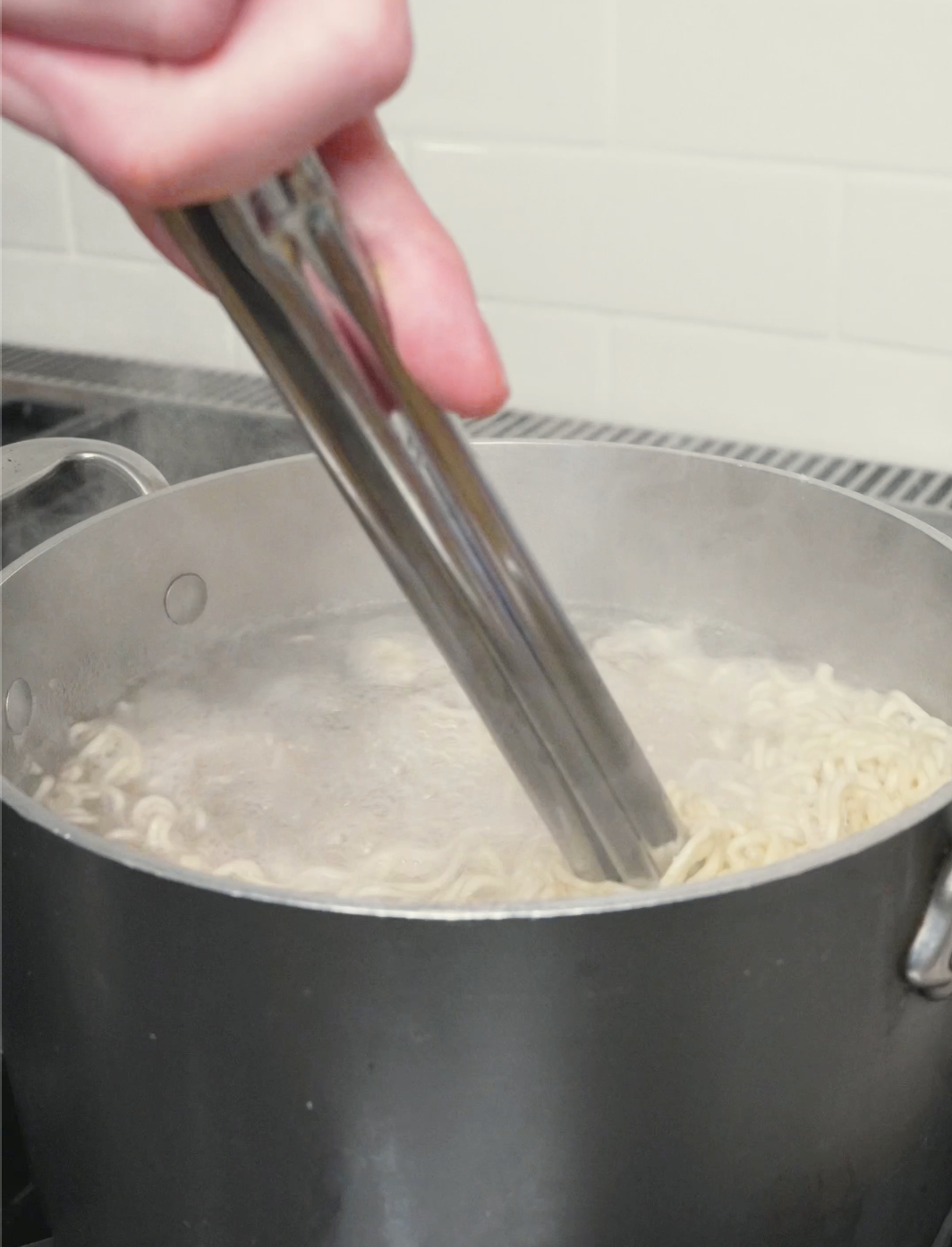
Boil the ramen until al dente and reserve about ¼ cup of the noodle water.
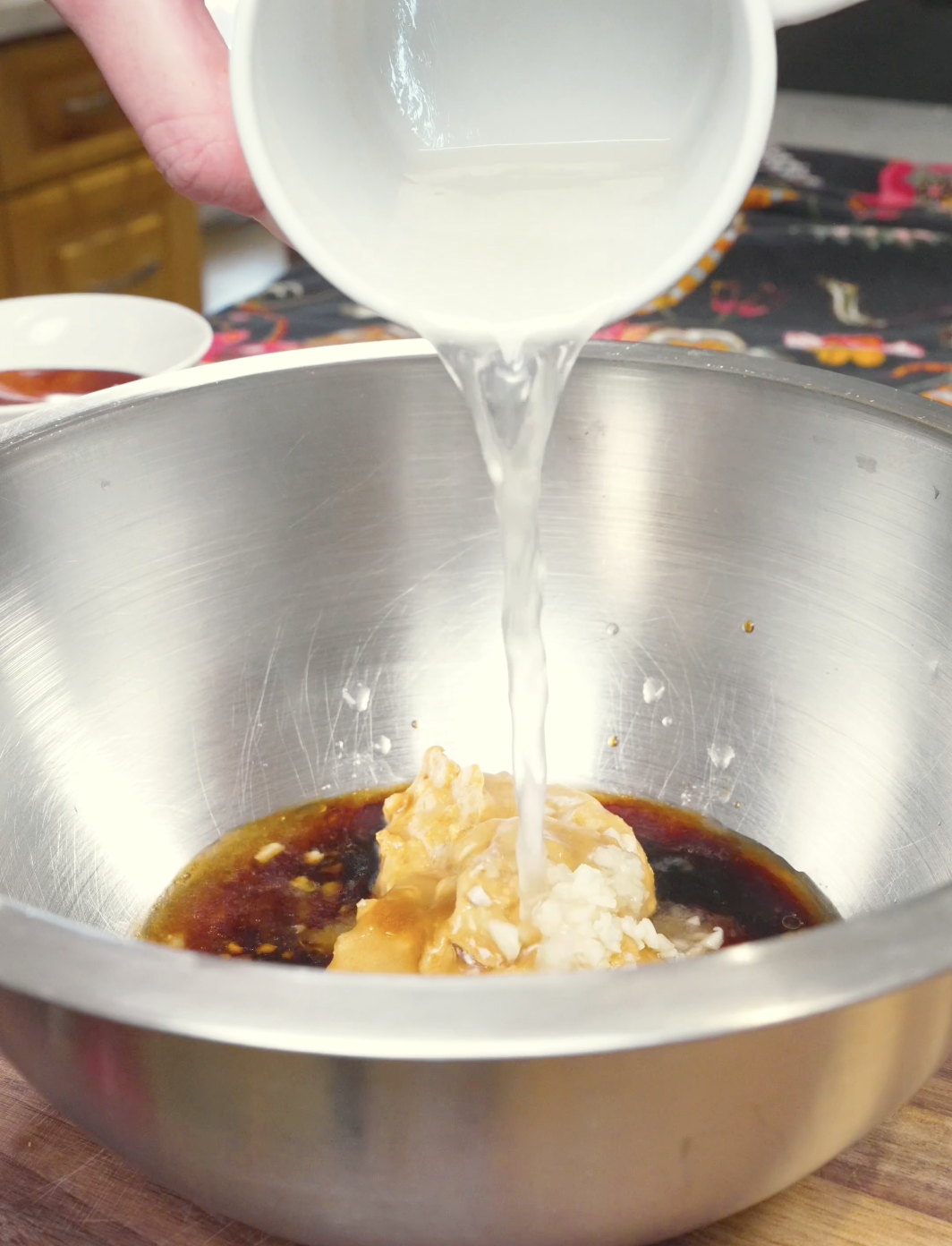
In a bowl, combine the peanut butter, light soy sauce, sesame oil, sugar, rice vinegar, garlic, and the reserved noodle water. Mix thoroughly until smooth, adding a splash more water if the sauce is too thick.
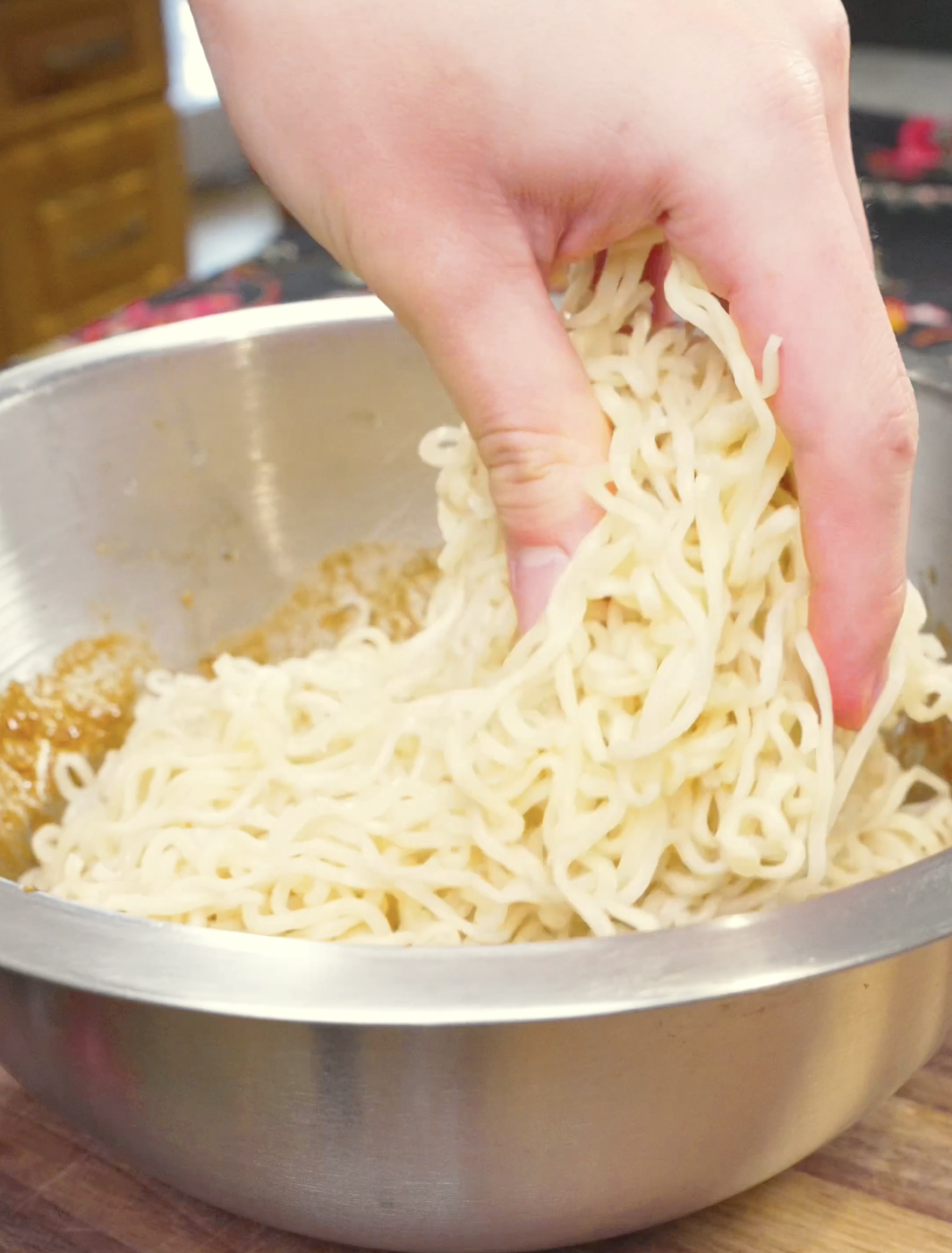
Add the noodles and mix with the sauce until well combined and every strand is coated.
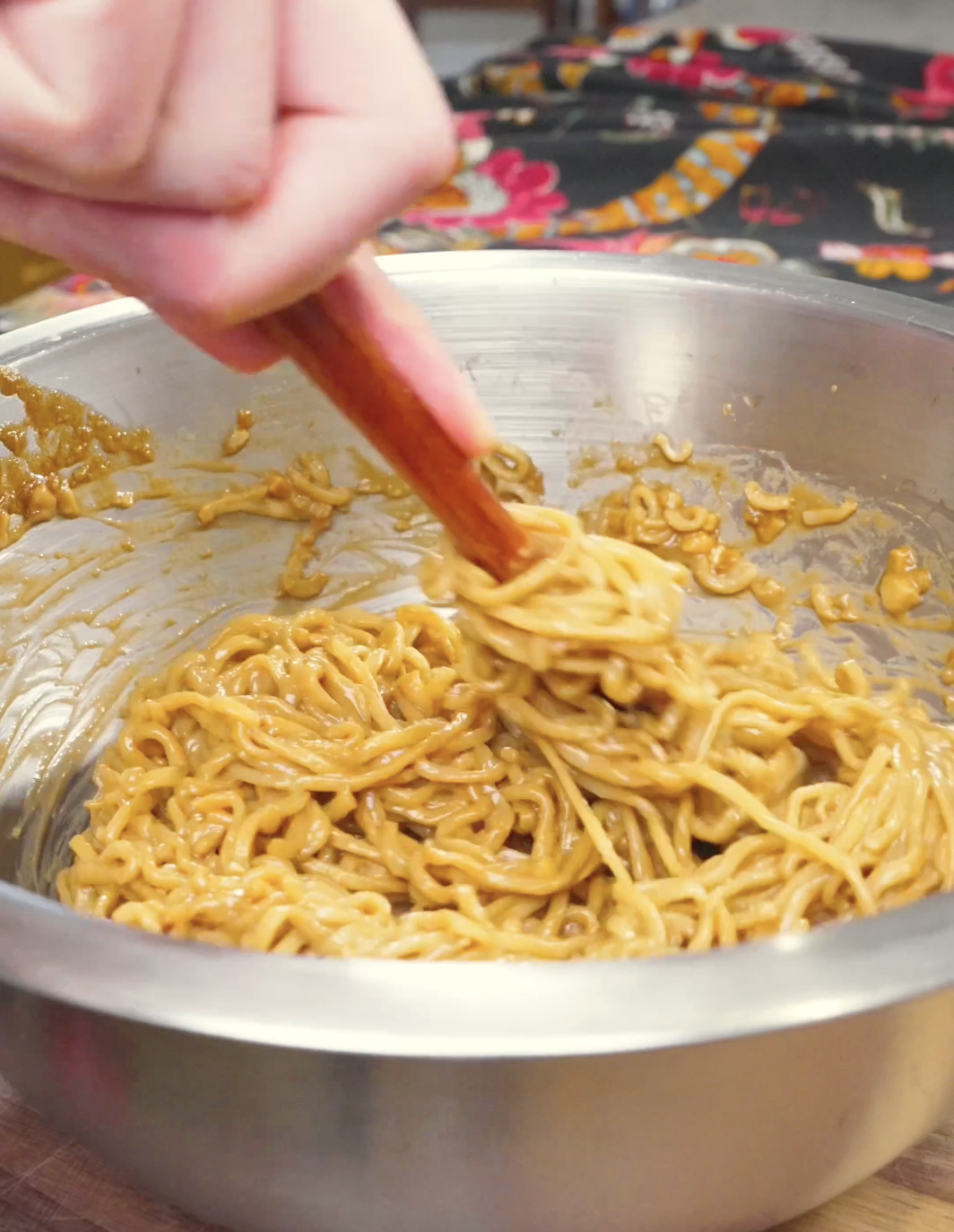
Transfer to a bowl and optionally garnish with sesame seeds, scallions, and red pepper flakes. But it’s your food, you eat it how you like.
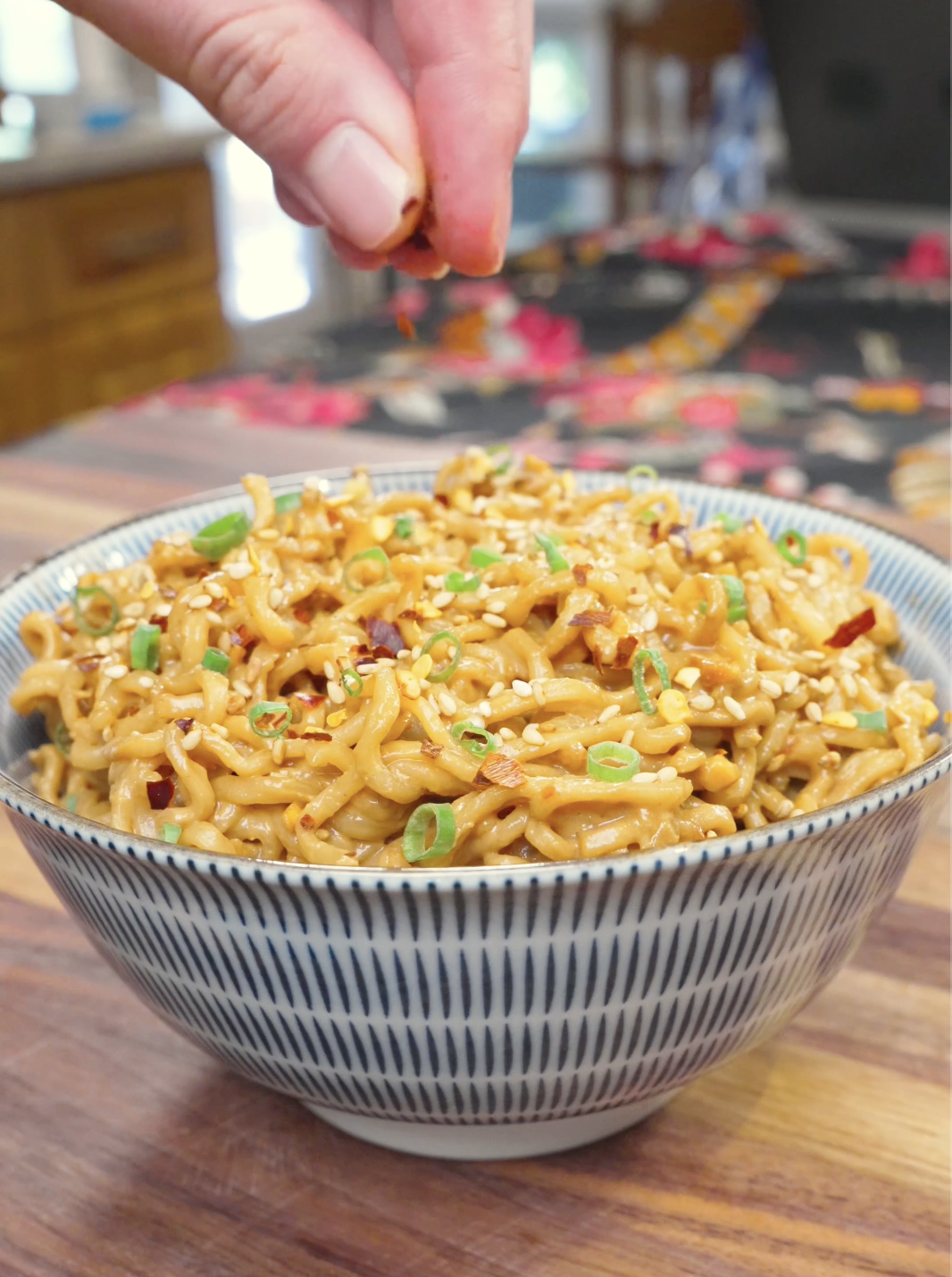
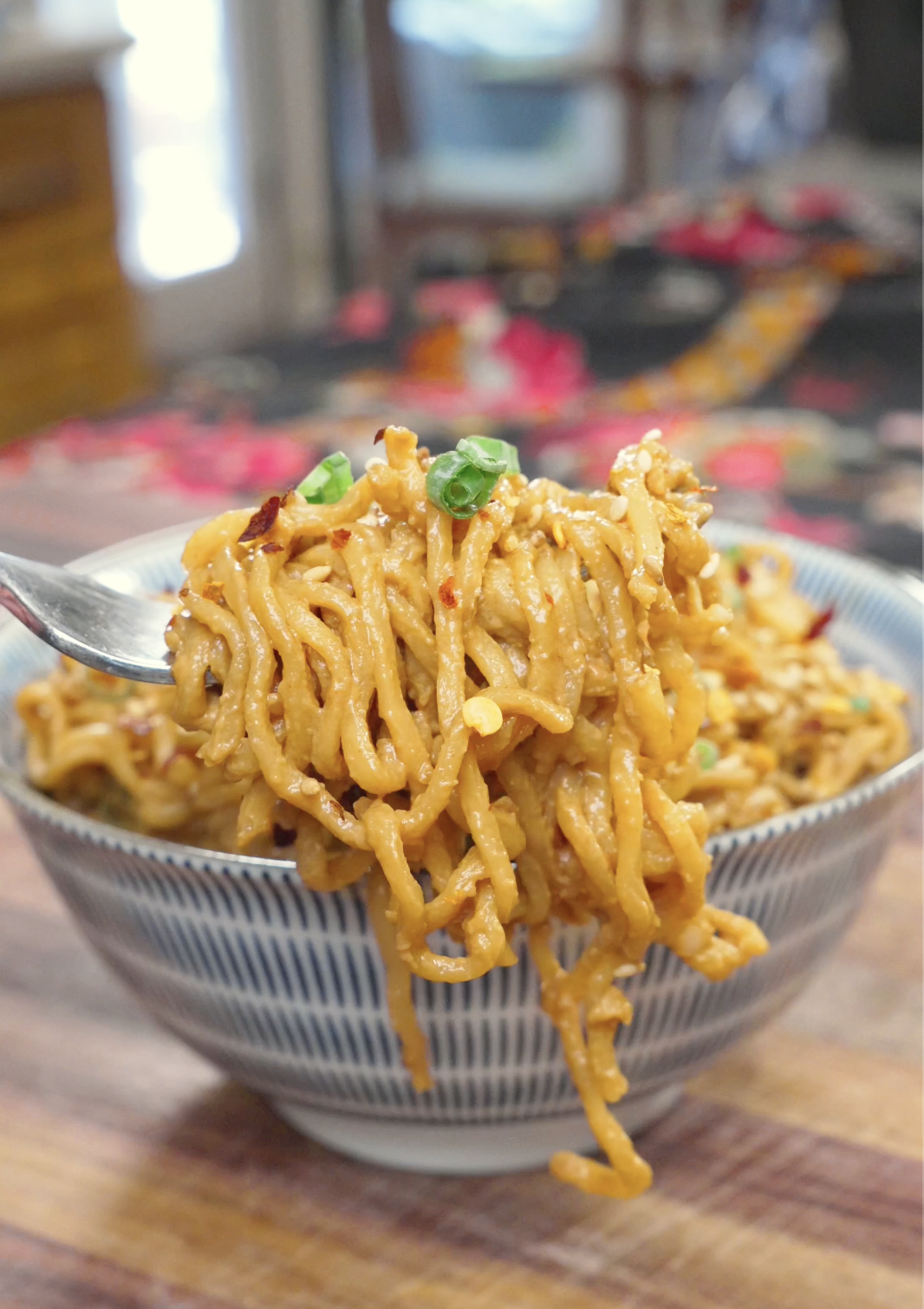
More of a visual learner? Check out my video recipe below. 👇
Optional Variations & Dietary Adaptations
This easy ramen recipe is wonderfully flexible, so don’t be afraid to make it your own depending on what you’re craving or what you’ve got on hand.
- Add Protein: Stir in shredded rotisserie chicken, crispy tofu, soft-boiled eggs, or quick-seared shrimp to turn this into a heartier, more filling meal.
- Add Veggies: Shredded carrots, thinly sliced cucumbers, baby spinach, or steamed broccoli all stir in easily for extra color, crunch, and nutrition.
- Gluten-Free: Swap the ramen for a gluten-free noodle (rice noodles work great) and use tamari or coconut aminos instead of soy sauce.
- Spicy Peanut Butter Ramen: Stir in a spoonful of chili crisp, sriracha, or a drizzle of chili oil for a spicier, bolder bowl.
- Nut-Free: Almond butter, cashew butter, or sunflower seed butter all make great peanut butter substitutes with the same creamy texture.
- Adjust the Consistency: Add a splash more reserved noodle water or broth if you prefer your noodles extra saucy or a little soupier.
Expert Tips & Tricks
- Work fast once the noodles are drained. The sauce comes together best when it’s tossed with hot noodles right away. The residual heat helps everything melt together into a silky, cohesive coating instead of the noodles clumping together.
- Don’t eyeball the noodle water. Measure it out with an actual measuring cup before draining, since too little won’t loosen the sauce enough, and too much can water it down.
- Taste and adjust as you go. Every brand of soy sauce and peanut butter varies slightly in saltiness and sweetness, so give the sauce a taste before tossing it with the noodles and tweak with a splash more vinegar, sugar, or soy sauce as needed.
- Use a wide pan or pasta bowl for tossing. Tongs and a wide surface make it much easier to coat every strand evenly without the noodles clumping into a tangled mess.
- Serve immediately for the best texture. Peanut sauce thickens as it cools, so this dish is at its silky best fresh off the stove. If it sits, a splash of warm water or extra reserved noodle water will loosen it right back up.
- Make extra sauce if you’re meal prepping. It will keep well in the refrigerator for up to a week, so all you have to do is boil your noodles when the craving strikes!
- Toast your sesame seeds for extra flavor. A quick minute in a dry pan brings out a deeper, nuttier aroma that takes the garnish from basic to genuinely craveable.
Serving Suggestions
Peanut butter ramen noodles are delicious enough to enjoy completely on their own, but they also make the perfect base for building out a bigger, more satisfying meal.
If you’re craving something with yummy texture, try pairing your noodles with this crispy sticky sweet chicken for a sweet-and-savory combo, or go bold with the spicy kick of crispy chili oil chicken. For something a little more garlicky and savory, crispy garlic chicken is another fantastic match that complements the nutty peanut sauce perfectly.
Prefer beef? I gotchu. The rich caramelized flavor of crispy honey garlic beef pairs beautifully with the creaminess of the peanut sauce, while black pepper ground beef brings a peppery, savory depth that balances out the sweetness of the noodles. And if you’re after something a little more umami-packed, soy garlic beef is an easy, flavor-packed addition.
Simply spoon any of these proteins right over your noodles, or serve them on the side for an effortless, restaurant-style spread right at home!
Storage & Reheating
- Refrigeration: Let the noodles cool to room temperature before transferring them to an airtight container. They’ll keep well in the refrigerator for up to 4 days. If you’ve added any fresh garnishes like green onions or sesame seeds, it’s best to store those separately and add them fresh when you’re ready to eat.
- Freezing: This dish isn’t a great candidate for freezing, as the noodles tend to become overly soft and the peanut sauce can separate once thawed, resulting in a less-than-ideal texture. For the best flavor and consistency, it’s worth sticking to refrigerating and enjoying within a few days.
- To reheat: Peanut sauce tends to thicken and seize up a bit once chilled, so a splash of water, broth, or even a little extra peanut butter whisked in will help loosen it back up. Reheat the noodles in a skillet over medium-low heat, tossing often, or microwave in short 30-second bursts, stirring in between, until warmed through. Avoid blasting them on high heat for too long, as this can cause the sauce to break or the noodles to turn mushy.
FAQs
Does peanut butter go well with ramen?
Yes, surprisingly well. Peanut butter brings a creamy, nutty richness that blends beautifully with savory, salty, and umami flavors like soy sauce, garlic, and ginger, creating a sauce similar to what you’d find in peanut noodles or satay-style dishes.
What is the unhealthiest ramen?
Instant ramen packets tend to top the list, since they’re typically high in sodium, saturated fat, and refined carbohydrates while offering little in the way of protein, fiber, or micronutrients. The seasoning packets in particular are often loaded with sodium and preservatives, which is where a lot of the nutritional downside comes from. That said, there’s no need to feel guilty about enjoying ramen every now and then—it’s all about how you build the bowl and how often it’s on the menu. Like most foods, it’s not about labeling it “good” or “bad,” but about enjoying it in moderation and making small tweaks that fit into an overall balanced way of eating. Stirring in a spoonful of peanut butter is actually a simple way to offset some of those nutritional gaps, adding a solid dose of protein and healthy fats that instant ramen alone just doesn’t offer. Tossing in fresh vegetables, a protein like chicken or tofu, and swapping the seasoning packet for a homemade sauce can transform a less-than-ideal quick meal into something genuinely nourishing, so enjoy it without the guilt!
Why do people add peanut butter to ramen?
Adding peanut butter to ramen is an easy way to add creaminess, flavor depth, and a boost of protein and healthy fats to an otherwise simple noodle dish, giving you restaurant-quality results on a shoestring budget.
Why is ramen considered unhealthy?
It largely comes down to how it’s typically prepared. Instant versions are often high in sodium, contain fried noodles, and are low in nutrients like fiber, protein, and vegetables. That said, homemade ramen made with fresh noodles, bone broth or lean protein, and vegetables creates a balanced and nutritious meal you can feel good about.
More Noodle Recipes
Craving more noodles? Try my Spicy Peanut Noodles, Soy Butter Noodles, or Spicy Garlic Noodles!